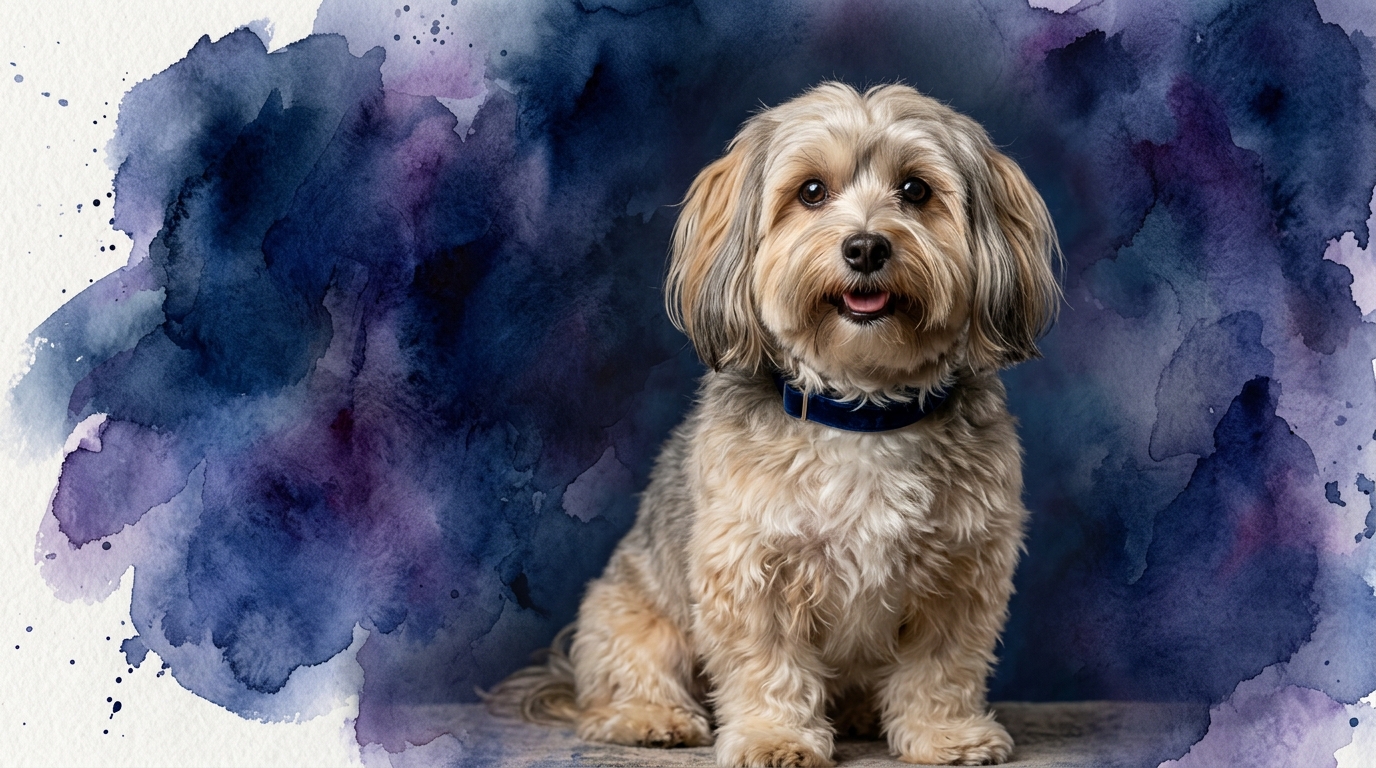

Side-by-Side IQ Profile: Havanese vs. Old English Sheepdog
**Problem Solving (Havanese 3/5, Old English Sheepdog 3/5):** Both breeds demonstrate a moderate capacity for navigating novel challenges, suggesting they can learn to figure out simple puzzles or adapt to new routines with some guidance. They aren't typically the type to independently devise complex solutions to environmental obstacles, but they possess the mental flexibility to learn from experience.
**Training Speed (Havanese 3/5, Old English Sheepdog 3/5):** A consistent score here indicates both the Havanese and the Old English Sheepdog pick up new commands and behaviors at a moderate pace. Neither breed is exceptionally quick to grasp a new concept after only a few repetitions, nor are they particularly slow, requiring a balanced approach with patience and consistent positive reinforcement.
**Social Intelligence (Havanese 5/5, Old English Sheepdog 3/5):** The Havanese stands out with an exceptionally high score, signifying a profound ability to understand and respond to human emotions and social cues. They are highly attuned to their family's moods and intentions, often seeking to engage and comfort. The Old English Sheepdog, while capable of forming strong bonds, possesses a more moderate social intelligence, interpreting human signals adequately but perhaps without the same nuanced emotional sensitivity or constant desire for interactive engagement.
**Instinctive Drive (Havanese 2/5, Old English Sheepdog 3/5):** The Havanese exhibits a lower instinctive drive, meaning their actions are less often dictated by deeply ingrained breed-specific behaviors like hunting, herding, or guarding. This makes them generally more adaptable to a variety of indoor lifestyles. The Old English Sheepdog, with a slightly higher score, retains some of its herding lineage, occasionally displaying behaviors like nudging or attempting to gather family members, reflecting a moderate internal compulsion to work.
**Memory (Havanese 3/5, Old English Sheepdog 4/5):** The Old English Sheepdog demonstrates a superior capacity for memory, suggesting they retain learned commands, routines, and experiences for longer periods and with greater accuracy. This can be beneficial for consistent training reinforcement over time. The Havanese has a moderate memory, capable of remembering what they've learned, but perhaps requiring more frequent refreshers or experiencing a slightly slower recall of less frequently practiced behaviors.
Where the Havanese Excels Cognitively
The Havanese truly shines in the realm of social intelligence, earning a perfect 5 out of 5. This score reflects an extraordinary capacity to read and respond to human emotions, making them exceptionally empathetic companions. A Havanese will often notice subtle shifts in your mood, offering comfort or initiating play at just the right moment, demonstrating a profound understanding of social dynamics within the family unit. This cognitive strength translates into an unparalleled ability to bond deeply and harmoniously, making them intuitive partners in daily life. Their social acuity means they often learn through observation of human behavior and are highly motivated by social praise and interaction, fostering a strong communicative relationship with their owners.
Where the Old English Sheepdog Excels Cognitively
The Old English Sheepdog's cognitive strengths are most apparent in its superior memory, scoring 4 out of 5, and its moderate instinctive drive. Their robust memory capacity means they excel at retaining complex sequences of commands and routines over extended periods, making advanced training and consistent behavioral patterns more easily maintained. This long-term retention is a significant asset in activities requiring recall and sustained learning. Furthermore, their instinctive drive, while not overwhelming at 3 out of 5, indicates a natural inclination towards purpose-driven activities. This can be channeled into structured tasks or dog sports, where their memory helps them master intricate patterns and their drive provides motivation to perform, contrasting with the Havanese's lower intrinsic motivation for such work.
Which is Easier to Train and Why
While both breeds share a similar 3/5 score for training speed, the *experience* of training can differ due to their other cognitive profiles. The Havanese's exceptional social intelligence (5/5) means they are highly motivated by owner approval and connection. They are eager to please and will often try to understand what you want, making them responsive to positive reinforcement and praise, even if it takes a few repetitions. Their lower instinctive drive also means fewer ingrained behaviors to 'untrain' or redirect, simplifying the process. Conversely, the Old English Sheepdog's superior memory (4/5) is a training asset, allowing them to retain commands more consistently once learned. However, their moderate instinctive drive (3/5) means they might occasionally exhibit herding tendencies, requiring owners to channel this drive appropriately. While they learn at a similar pace initially, the OES might benefit from more structured, task-oriented training that appeals to their drive, whereas the Havanese thrives on relationship-based training.
Suitability for Active vs. Relaxed Owners
For relaxed owners seeking a devoted, emotionally attuned companion, the Havanese is often an ideal match. Their low instinctive drive (2/5) and high social intelligence (5/5) mean they are content with moderate daily exercise, preferring to spend much of their time engaging with their human family indoors. They are less prone to independent exploration or task-seeking, making them suitable for apartment living or homes where a constant 'job' isn't provided. Conversely, active owners who enjoy structured activities and consistent engagement might find the Old English Sheepdog more rewarding. Their moderate instinctive drive (3/5) and excellent memory (4/5) make them well-suited for dog sports like obedience, agility, or even herding trials, where they can utilize their mental and physical capacities. They thrive on having a purpose and require more consistent physical and mental stimulation than the Havanese to prevent boredom.
The Verdict
Choose the Havanese if your priority is an emotionally responsive, deeply bonded companion who thrives on social interaction and a more relaxed daily routine.
Opt for the Old English Sheepdog if you seek a loyal, memorable learner capable of excelling in structured training and activities, requiring a more active and purpose-driven lifestyle.
🧠 Find Your Pet's IQ Score
Our Pet IQ Lab assessment covers 25+ tests across 5 cognitive dimensions — personalized to your breed.
Take the Full IQ Test →Frequently Asked Questions
Do Havanese or Old English Sheepdogs get bored easily?
The Havanese, with lower instinctive drive, generally copes well with less constant activity, finding enrichment in social interaction. The Old English Sheepdog, having a moderate instinctive drive, requires more consistent mental and physical engagement to prevent boredom and channel their natural working tendencies constructively.
How do their problem-solving skills compare in everyday situations?
Both breeds score 3/5 in problem-solving, meaning they're moderately capable of figuring out simple environmental challenges, like opening a familiar gate or navigating household obstacles. Neither is likely to invent complex solutions, but they can learn to adapt to routines and solve basic puzzles with some guidance and repetition.
Is one breed more independent than the other based on their IQ profile?
The Havanese, with its high social intelligence and low instinctive drive, tends to be less independent, preferring close companionship and interaction. The Old English Sheepdog, with a moderate instinctive drive and lower social intelligence score compared to the Havanese, exhibits a slightly more independent streak, capable of working more autonomously if given a task.