Side-by-Side IQ Profile: Havanese vs. Pharaoh Hound
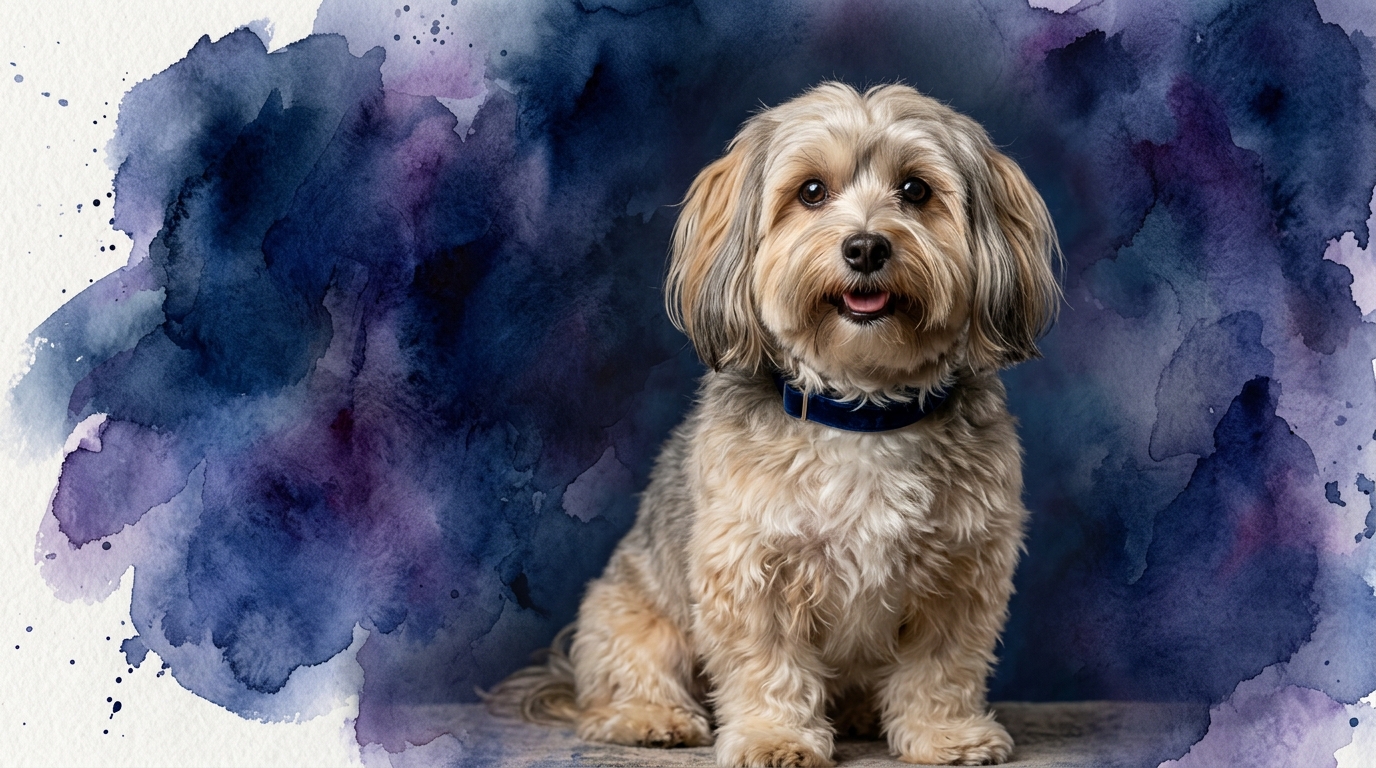
The Cosmic Pet Pet IQ Lab categorizes canine intelligence across five key dimensions, providing a granular view of each breed's cognitive strengths. For the Havanese, a breed known for its companionable nature, we observe a Problem Solving score of 3/5, indicating an ability to navigate moderate mental challenges and learn from experience without excessive complexity. Their Training Speed is also rated 3/5, suggesting they respond well to consistent, positive reinforcement, absorbing new commands at a steady pace. Where the Havanese truly shines is in Social Intelligence, earning an exceptional 5/5, reflecting their profound capacity to understand and respond to human emotions, subtle cues, and social dynamics. Their Instinctive Drive is lower at 2/5, meaning they typically exhibit less intense prey drive or independent hunting behaviors. Finally, their Memory score of 3/5 demonstrates a reliable ability to retain learned behaviors and recall routines.
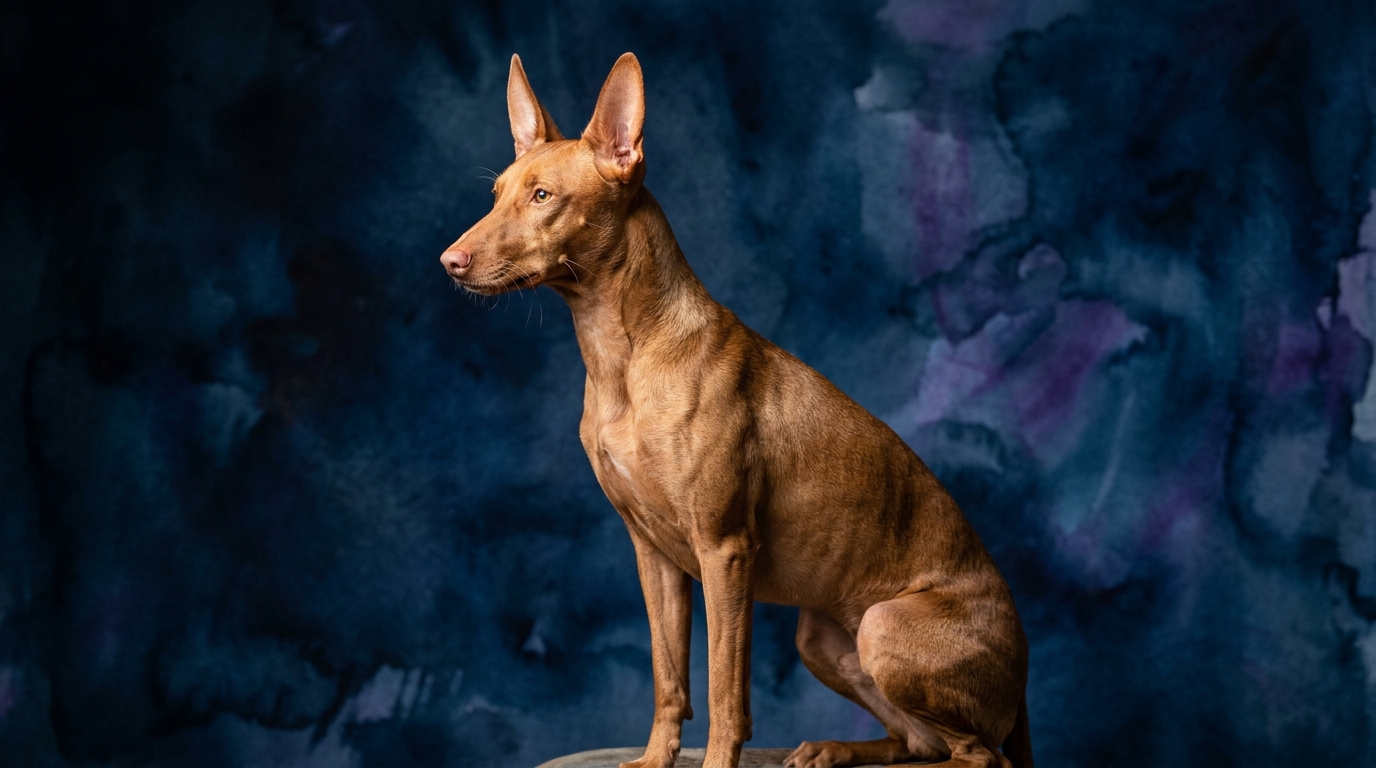
In contrast, the Pharaoh Hound, a breed celebrated for its elegance and ancient lineage, presents a distinct cognitive profile. Their Problem Solving ability matches the Havanese at 3/5, indicating a similar capacity for tackling moderately complex tasks and learning through exploration. Likewise, their Training Speed is 3/5, signifying that they learn new behaviors effectively with engaging and fair methods, though their independent nature might influence application. The Pharaoh Hound’s Social Intelligence is rated 3/5, suggesting they are aware of their human companions and their environment but are not as profoundly driven by constant human interaction or emotional attunement as the Havanese. Their Instinctive Drive is 3/5, reflecting a moderate level of inherent hunting or chasing behaviors, consistent with their sighthound heritage. Their Memory also scores 3/5, indicating a solid capacity for recalling training and environmental information.
Where the Havanese Wins Cognitively
The Havanese unequivocally holds a cognitive advantage in the realm of Social Intelligence, scoring a perfect 5/5 compared to the Pharaoh Hound's 3/5. This exceptional capacity translates into a profound ability to read and interpret human emotions, body language, and vocal tones. A Havanese will often anticipate their owner’s needs, respond with remarkable empathy to mood changes, and actively seek out interaction and connection. This strong social acumen means they are adept at integrating into family life, understanding complex household dynamics, and forming deeply bonded relationships where they are highly attuned to their human counterparts.
Furthermore, their lower Instinctive Drive (2/5 compared to the Pharaoh Hound's 3/5) indirectly contributes to their social dominance. With less intrinsic motivation to pursue independent activities like chasing small animals or exploring distant scents, the Havanese is often more focused on their human companions. This reduced distraction allows them to dedicate more cognitive resources to social interaction and relationship building, making them inherently more people-oriented and responsive to human-centric activities within the home environment.
Where the Pharaoh Hound Wins Cognitively
The Pharaoh Hound's cognitive strengths are rooted in a balanced blend of independence and environmental awareness, particularly evident in their Instinctive Drive score of 3/5 versus the Havanese's 2/5. This moderate drive signifies a greater intrinsic motivation for activities like running, chasing, and exploring, which are hallmarks of a sighthound breed. While the Havanese might be more focused on social cues, the Pharaoh Hound demonstrates a more robust capacity for self-directed engagement with their surroundings, leveraging their senses to navigate and interact with the world in a more autonomous fashion. This drive isn't a deficit; rather, it speaks to a different kind of cognitive processing, one geared towards independent action and environmental mastery.
While their Social Intelligence is 3/5, lower than the Havanese, this score doesn't imply a lack of awareness but rather a more self-reliant approach to social interaction. Pharaoh Hounds are observant and will form strong bonds, but they are less dependent on constant human validation or emotional mirroring. Their cognitive makeup allows them to be content with periods of independent activity, whether that's surveying their yard or engaging in solitary play, without constantly seeking human input. This balance makes them cognitively well-suited for owners who appreciate a dog that can operate effectively both within the family unit and as an independent explorer.
Which is Easier to Train and Why
When evaluating ease of training, both the Havanese and Pharaoh Hound share a Training Speed of 3/5 and Problem Solving of 3/5, suggesting they both learn at a moderate pace. However, the Havanese often presents as easier to train due to its exceptional Social Intelligence (5/5). A Havanese is typically eager to please, highly responsive to a trainer's emotional state, and motivated by positive human interaction. Their strong desire to connect and their ability to quickly grasp what their human wants makes them highly cooperative. For instance, if a Havanese makes a mistake during a training session, their social attunement means they are likely to quickly adjust their behavior based on subtle cues from their trainer, striving to achieve the desired outcome and earn approval.
Conversely, the Pharaoh Hound, with its 3/5 Social Intelligence and 3/5 Instinctive Drive, may require a different training approach. While they learn commands and solve problems effectively, their independent sighthound nature means they can be more easily distracted by environmental stimuli like movement or scents. A Pharaoh Hound might grasp a command quickly but choose not to execute it if something more interesting, such as a squirrel, captures their attention. Training a Pharaoh Hound often benefits from shorter, highly engaging sessions that account for their potential for independence and provide strong, consistent motivation to keep their focus. Their training success often hinges on a trainer's ability to make learning more compelling than external distractions, rather than a lack of cognitive capacity.
Which Suits Active Owners vs. Relaxed Owners
The Havanese, with its lower Instinctive Drive (2/5) and supreme Social Intelligence (5/5), is generally better suited for relaxed owners who prioritize companionship and indoor activities. Their cognitive profile suggests they thrive on mental engagement through interactive games, puzzle toys, and consistent human interaction rather than extensive physical exertion driven by instinct. A Havanese will happily curl up on a lap or engage in a game of fetch in the living room, deriving satisfaction from being an integral part of their family's daily life. Their low drive means they are less likely to seek out independent adventures or engage in high-energy pursuits, making them ideal for apartment living or owners with a less strenuous lifestyle.
The Pharaoh Hound, conversely, with its moderate Instinctive Drive (3/5) and a balanced Social Intelligence (3/5), aligns well with active owners who can provide consistent outlets for their physical and mental energy. Their sighthound heritage means they possess an innate desire to run and explore. Owners who enjoy long walks, safe off-leash running opportunities in fenced areas, or participation in dog sports like lure coursing will find a Pharaoh Hound to be a willing and capable partner. While they appreciate companionship, their cognitive makeup necessitates more than just social interaction; they require structured activities that allow them to exercise their natural drives and problem-solving abilities in an engaging outdoor environment, preventing boredom and channeling their energy constructively.
The Verdict
Choose the Havanese if you seek a highly socially attuned companion, eager to please and deeply integrated into your relaxed, indoor-centric lifestyle. Their low instinctive drive means fewer distractions and more focus on family life.
Opt for the Pharaoh Hound if you are an active owner who can provide consistent outlets for their moderate instinctive drive and appreciate a dog with a balanced, self-reliant intelligence. They thrive with structured physical and mental engagement outdoors.
🧠 Find Your Pet's IQ Score
Our Pet IQ Lab assessment covers 25+ tests across 5 cognitive dimensions — personalized to your breed.
Take the Full IQ Test →Frequently Asked Questions
Do Havanese dogs get bored easily without constant social interaction?
Havanese thrive on social interaction due to their high social intelligence. While they don't always need 'constant' interaction, they do best when included in family activities and can become distressed or bored if left alone for extended periods without mental stimulation or companionship.
How does a Pharaoh Hound's instinctive drive affect their behavior in a home environment?
A Pharaoh Hound's moderate instinctive drive means they may exhibit behaviors like chasing small animals or exploring independently. In a home, this translates to a need for secure containment, regular exercise to satisfy these drives, and consistent training to manage potential urges to follow scents or visual stimuli.
Can a Havanese and a Pharaoh Hound live together harmoniously despite their cognitive differences?
Yes, a Havanese and a Pharaoh Hound can live harmoniously, provided their individual needs for exercise, mental stimulation, and social interaction are met. Understanding their distinct cognitive profiles allows owners to create an environment where both breeds can thrive, leveraging the Havanese's social nature and the Pharaoh Hound's independent spirit.