Side-by-Side Cognitive Profiles
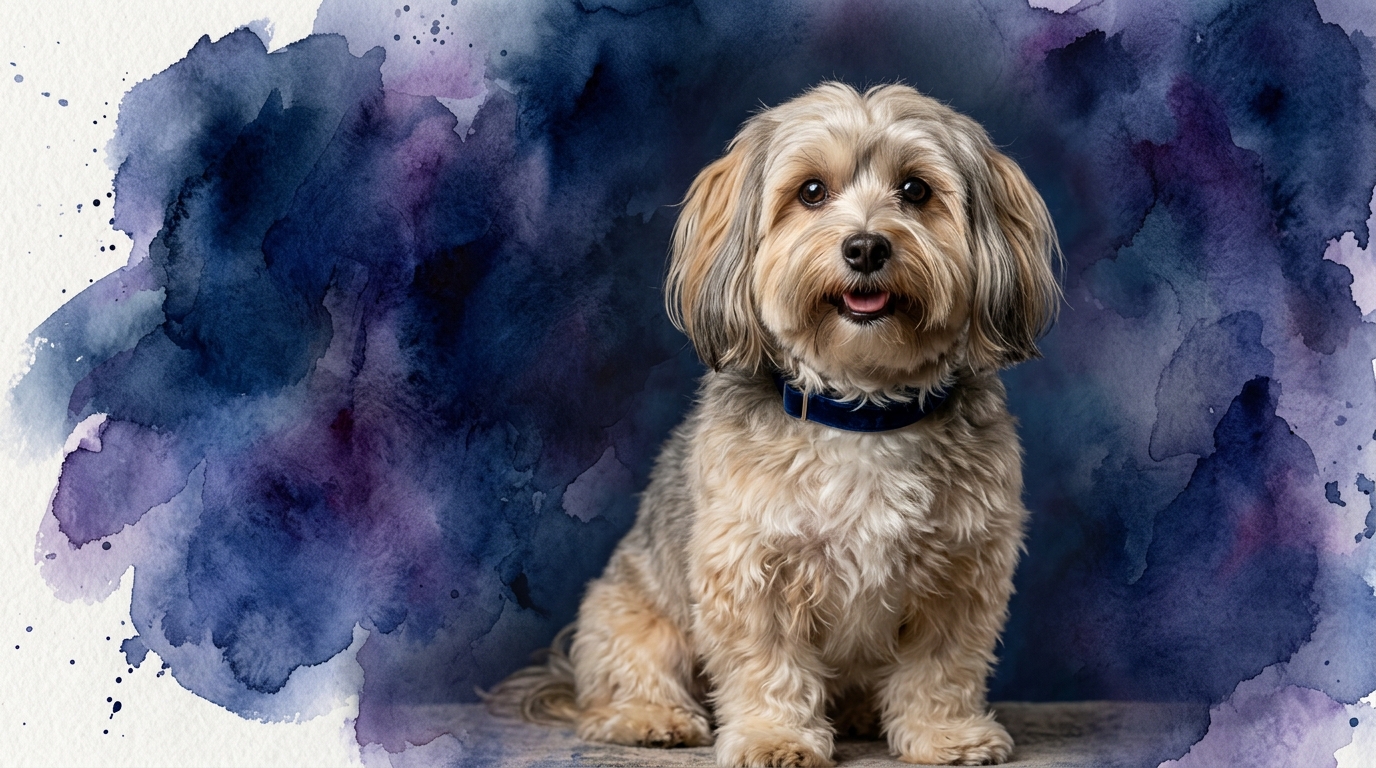
The Havanese, a charming Toy breed, presents a cognitive profile indicating a moderate capacity for Problem Solving, scoring 3 out of 5, suggesting they can learn complex tasks but may not independently devise novel solutions quickly. Their Training Speed is also rated at 3 out of 5, meaning they grasp new commands at an average pace, requiring consistent and engaging methods. Where the Havanese truly shines is in Social Intelligence, earning a perfect 5 out of 5, reflecting an exceptional ability to understand human cues and intentions. Their Instinctive Drive is lower, at 2 out of 5, indicating less inherent motivation for working tasks or strong prey drives, while their Memory stands at 3 out of 5, allowing them to retain learned information reasonably well.
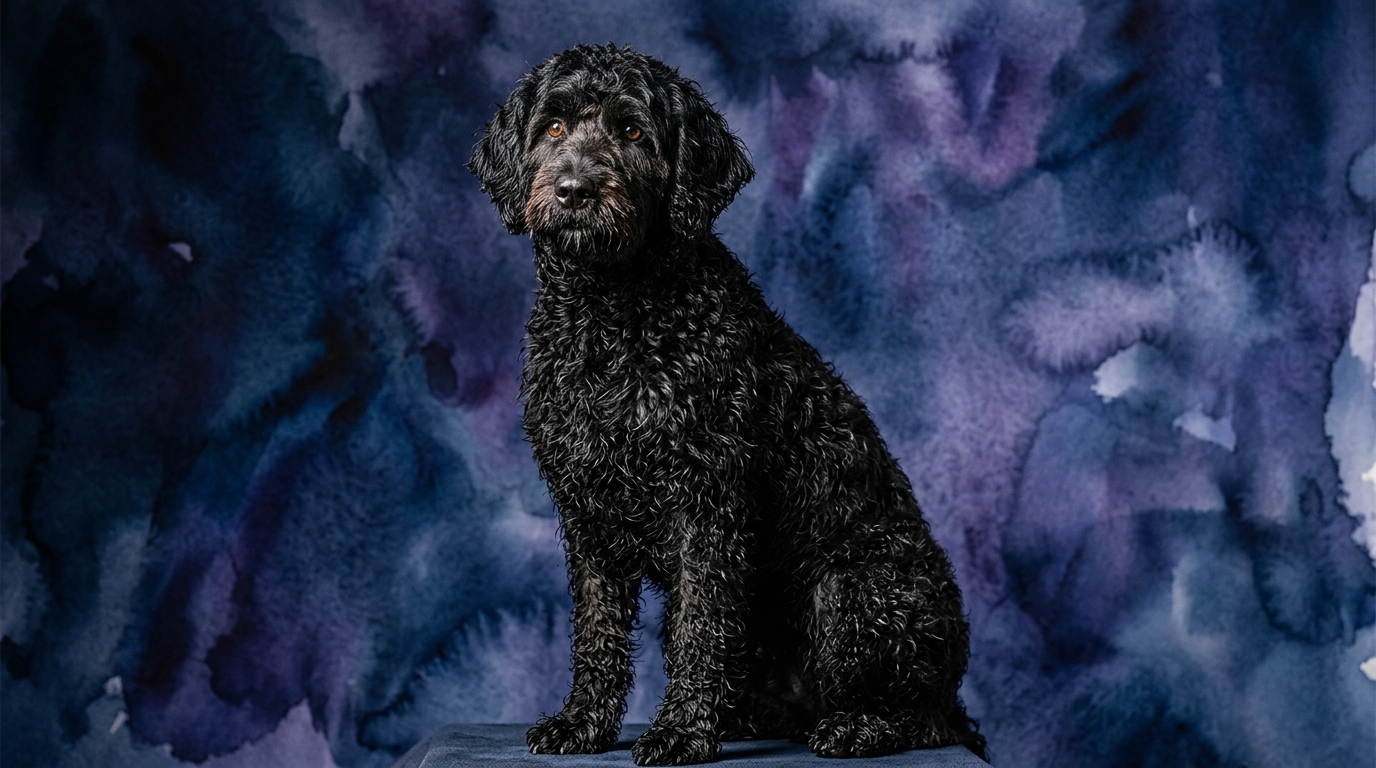
In contrast, the Portuguese Water Dog, a robust Working breed, shares several cognitive similarities with the Havanese but also exhibits key differences. Their Problem Solving ability is rated 3 out of 5, similar to the Havanese, suggesting they can navigate moderately complex challenges. Their Training Speed also scores 3 out of 5, indicating an average rate of acquiring new behaviors and commands. The PWD's Social Intelligence, however, is rated 3 out of 5, meaning they are responsive to human interaction but perhaps not with the same nuanced sensitivity as the Havanese. A notable distinction is their Instinctive Drive, which stands at 3 out of 5, reflecting a more pronounced natural inclination for purpose-driven activities. Their Memory, like the Havanese, is rated 3 out of 5, allowing for a solid retention of learned experiences.
Where Havanese Wins Cognitively
The Havanese's primary cognitive advantage lies in their exceptional Social Intelligence, scoring a remarkable 5 out of 5. This dimension reflects a dog's capacity to understand and respond to human communication, emotional states, and social cues. A Havanese with this level of social acumen is acutely perceptive to their owner's mood shifts, often anticipating needs or offering comfort without direct prompting. They excel in establishing deep, empathetic bonds, making them extraordinarily attuned companions who thrive on interactive engagement.
Furthermore, their lower Instinctive Drive, at 2 out of 5, can be a cognitive 'win' for owners seeking a less intensely driven companion. While a higher drive can be beneficial for working roles, a lower drive in the Havanese means they are less prone to chasing small animals, digging extensively, or exhibiting intense guarding behaviors. This cognitive trait translates into a dog that is generally more content with domestic life, less inclined to pursue independent ventures, and often easier to manage in varied social settings without a strong urge to 'work' or explore far afield.
This combination of high social awareness and moderate intrinsic drives positions the Havanese as a breed adept at navigating the complexities of human family dynamics. Their cognitive strengths are geared towards companionship, enabling them to integrate seamlessly into a household, often serving as intuitive emotional barometers for their human counterparts. They learn the routines and expectations of their environment through keen observation of human behavior, making them remarkably adaptable within a social context.
Where Portuguese Water Dog Wins Cognitively
The Portuguese Water Dog's cognitive strengths are rooted in their working heritage, particularly evident in their Instinctive Drive, which scores 3 out of 5. This moderate drive indicates a natural inclination towards activity, purpose, and engagement with their environment, often manifesting as a readiness to participate in structured tasks. While not as high as some dedicated working breeds, this drive provides a cognitive edge for sustained physical and mental effort, making them responsive to activities like retrieving, swimming, or dog sports.
While their Problem Solving and Training Speed scores are equal to the Havanese (both 3/5), the PWD's moderate Instinctive Drive often synergizes with these abilities to create a different learning dynamic. A PWD might approach a new task with a more inherent motivation to figure it out or perform it repeatedly, driven by their natural inclination to engage. This means that once a problem-solving strategy is learned, their drive supports consistent application and enthusiasm for the task, especially if it involves physical activity or a 'job' to do.
This cognitive profile also suggests a PWD possesses a robust mental stamina, allowing them to maintain focus on tasks over longer periods compared to a breed with lower instinctive drives. Their memory, also 3 out of 5, combined with their drive, ensures that skills learned for their 'work' are retained and readily accessible. For owners looking for a dog that genuinely enjoys participating in activities and has the mental fortitude to sustain engagement, the PWD's cognitive makeup offers a distinct advantage, channeling their problem-solving and training speed into purposeful action.
Which is Easier to Train and Why
When assessing ease of training, both the Havanese and Portuguese Water Dog score 3 out of 5 for Training Speed, suggesting they grasp new commands at a similar, average pace. However, the underlying cognitive differences, particularly in social intelligence and instinctive drive, create distinct training experiences. The Havanese, with their superior Social Intelligence (5/5), often appears 'easier' to train for compliance and basic manners because of their intense desire to please and their acute sensitivity to human feedback. They are highly motivated by praise and social interaction, making positive reinforcement very effective.
Their lower Instinctive Drive (2/5) also contributes to their perceived trainability in a domestic setting; they are less likely to become distracted by environmental stimuli or follow their nose/prey drive away from training. This means a Havanese often requires less redirection and can maintain focus on the trainer due to their inherent social orientation. Their goal in training is often to connect with their person, making them eager participants in cooperative learning.
The Portuguese Water Dog, while equally capable of learning at an average speed, benefits from a moderate Instinctive Drive (3/5) that can be channeled into training. For the PWD, training success often hinges on providing engaging, purpose-driven tasks that satisfy their cognitive need for activity and a 'job.' While they also respond to positive reinforcement, simply pleasing their owner might not be enough; they thrive when training involves problem-solving, retrieving, or agility challenges that tap into their natural inclinations. Their social intelligence (3/5) means they are responsive, but their drive needs to be actively engaged to prevent boredom or independent exploration, which could be perceived as more challenging for novice trainers.
Which Suits Active Owners vs. Relaxed Owners
Considering their cognitive profiles, the Havanese is generally a more suitable companion for relaxed owners or those seeking a less intensely active dog. Their high Social Intelligence and lower Instinctive Drive mean they thrive on companionship, cuddles, and indoor games, rather than extensive outdoor adventures. They are content to be involved in daily family life, observing and interacting, without a strong internal push for vigorous exercise or complex 'work.' Owners who appreciate a dog that is emotionally attuned and enjoys being a constant, gentle presence will find the Havanese's cognitive makeup aligns perfectly with their lifestyle.
Conversely, the Portuguese Water Dog is an ideal match for active owners. Their moderate Instinctive Drive, combined with their problem-solving and training speed, means they require consistent mental and physical stimulation. They are not content to be couch potatoes; their cognitive wiring demands outlets for their energy and a sense of purpose. Owners who enjoy hiking, swimming, dog sports, or regular training sessions will find the PWD an enthusiastic and capable partner. Their robust cognitive and physical needs mean they thrive in environments where they are given opportunities to engage their minds and bodies daily, making them less suited for a sedentary lifestyle.
The Verdict
Choose the Havanese if you prioritize a deeply empathetic, socially attuned companion who thrives on close human interaction and requires less intense physical or mental 'work.'
Opt for the Portuguese Water Dog if you are an active owner seeking a driven, capable partner for outdoor adventures and structured activities, valuing a dog with a strong work ethic and robust cognitive engagement.
🧠 Find Your Pet's IQ Score
Our Pet IQ Lab assessment covers 25+ tests across 5 cognitive dimensions — personalized to your breed.
Take the Full IQ Test →Frequently Asked Questions
Do Havanese get bored easily without constant activity?
Havanese, with their lower instinctive drive, are generally less prone to boredom from a lack of intense physical activity compared to working breeds. However, their high social intelligence means they do require significant human interaction and mental engagement through companionship and gentle play to remain content.
Are Portuguese Water Dogs suitable for apartment living?
Portuguese Water Dogs can adapt to apartment living if their significant need for physical and mental stimulation is consistently met. Their moderate instinctive drive means they require daily vigorous exercise and engaging activities, which an active owner can provide even without a large yard.
How do their memory scores impact daily life?
Both breeds score 3 out of 5 for memory, indicating they retain learned commands and routines reasonably well. This means they will remember house rules, training cues, and familiar faces, but consistent reinforcement helps solidify their understanding over time, much like an average learner.