A Side-by-Side Look at Cognitive Profiles
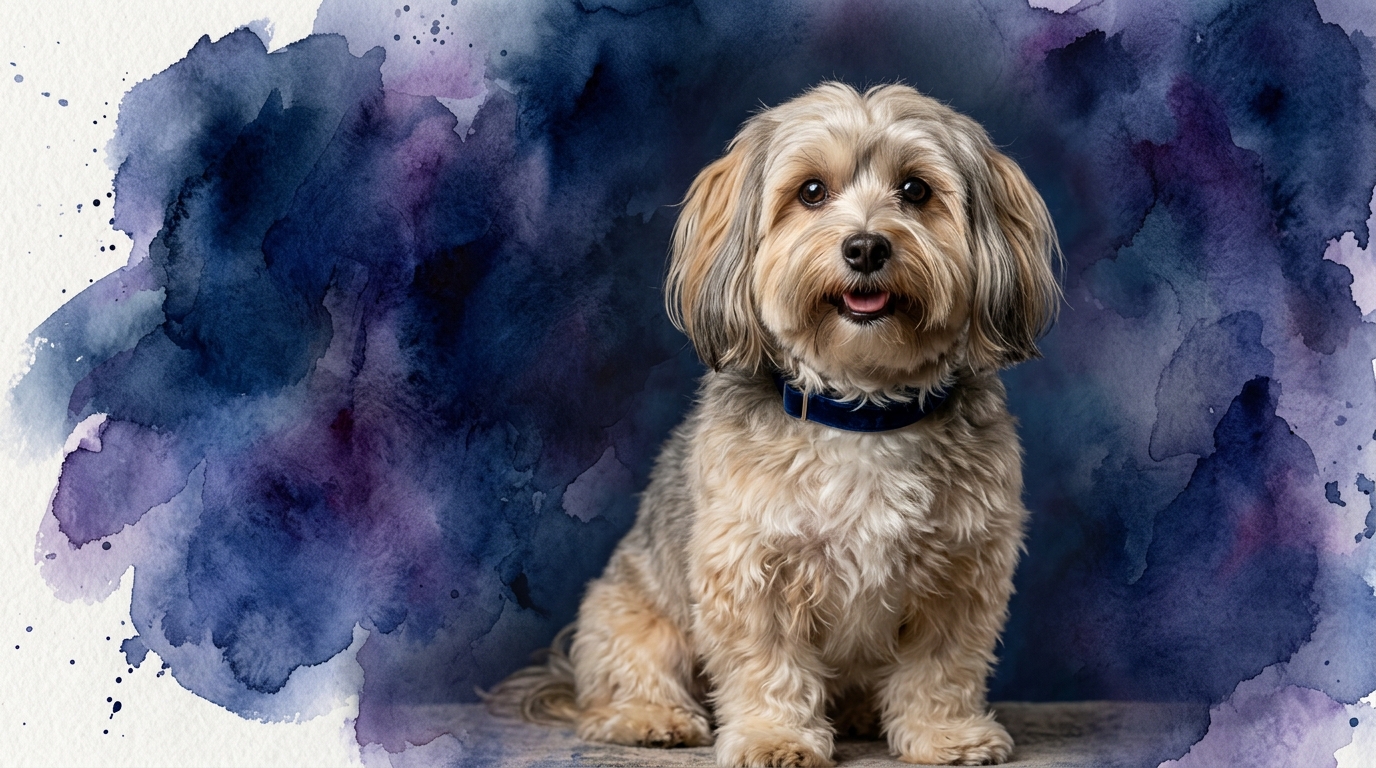
The Cosmic Pet Pet IQ Lab assesses canine intelligence across five key dimensions, offering a granular view of a breed's mental aptitudes. For the Havanese, a Toy group dog, their profile reveals a unique blend of strengths. Their Problem Solving is rated 3/5, indicating they can navigate domestic challenges moderately well, often finding creative, socially-oriented solutions rather than purely logical ones. Training Speed is also 3/5, meaning they are responsive to positive reinforcement and clear cues, but require consistent, engaging sessions to consolidate learning without becoming bored. Where they truly shine is Social Intelligence, scoring a remarkable 5/5, reflecting an exceptional capacity to read human emotions and adapt their behavior for harmony. Their Instinctive Drive is a modest 2/5, prioritizing companionship over traditional working tasks, and their Memory stands at 3/5, signifying a solid ability to recall routines, commands, and experiences.
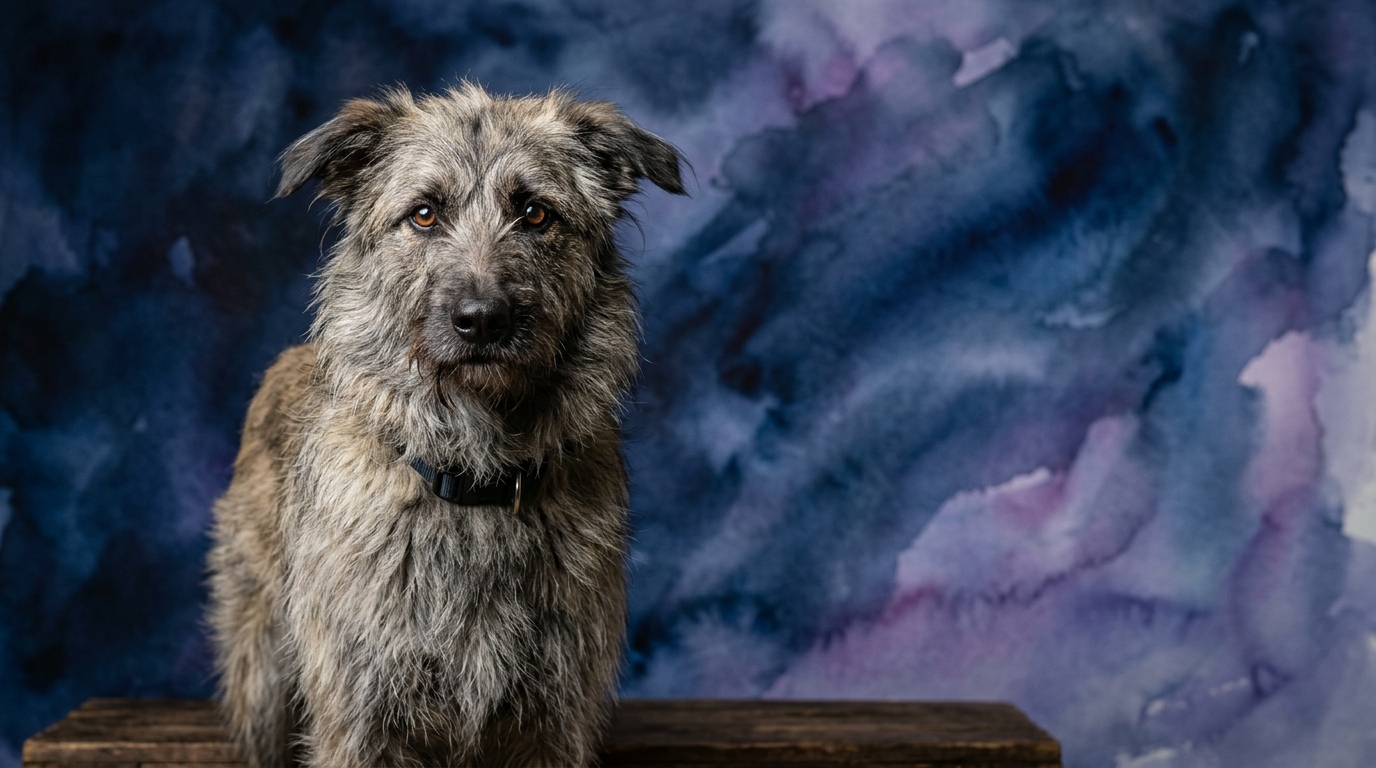
In contrast, the Pyrenean Shepherd, a Herding group dog, presents a different cognitive blueprint. Their Problem Solving is rated 3/5, typically manifesting as a practical, task-oriented approach, especially in scenarios related to their environment or managing perceived 'flocks.' They are more inclined to find direct solutions to physical obstacles. Their Training Speed is also 3/5, learning at a moderate pace, particularly when training aligns with their natural instincts or provides a clear purpose; however, their independence can mean needing more repetition for arbitrary commands. Social Intelligence for the Pyrenean Shepherd is 3/5; while capable of strong bonds, their social understanding is more geared towards a working partnership than the nuanced emotional interplay of a companion. Their Instinctive Drive is 3/5, reflecting a moderate yet distinct herding inclination, and their Memory is 3/5, demonstrating reliable recall for learned tasks, boundaries, and territory layout, often tied to utility.
Havanese Cognitive Strengths: The Social Maestro
The Havanese’s standout cognitive strength lies in their exceptional social intelligence. Rated 5/5 in this dimension, they possess an innate ability to decipher human emotions, intentions, and social cues with remarkable precision. This isn’t merely about being friendly; it’s a deep understanding that allows them to adapt their behavior to suit the mood of their household, offering comfort when needed or initiating playful engagement when spirits are high. Their capacity for empathetic connection means they often anticipate their owner's desires or anxieties, making them profoundly intuitive companions. This heightened social awareness contributes significantly to their role as a devoted family member, enabling them to integrate seamlessly into complex human dynamics and respond appropriately in varied social settings, thriving on mutual understanding and emotional reciprocity.
Pyrenean Shepherd Cognitive Strengths: The Instinctive Problem-Solver
The Pyrenean Shepherd’s cognitive framework, while not as overtly social as the Havanese, excels in areas driven by their herding heritage. Their problem-solving ability, rated 3/5, is practical and often linked to navigating physical environments or managing perceived 'flocks.' They exhibit a focused determination in tasks, showing ingenuity in finding routes, overcoming obstacles, or directing movement. Their instinctive drive, also 3/5, fuels this practical intelligence, giving them a persistent energy and a natural inclination towards purpose-driven activity. This combination allows them to assess situations rapidly and react with decisive action, qualities invaluable in their original role. While their social intelligence is moderate (3/5), it is perfectly suited for forming effective working partnerships, understanding their handler's commands as directives for a shared goal rather than purely emotional pleas.
Training Dynamics: Which Breed Learns More Readily?
Both the Havanese and the Pyrenean Shepherd share a 'Training Speed' rating of 3/5, suggesting neither is a prodigy nor a slow learner, but their underlying motivations and challenges differ significantly. The Havanese, with their superior social intelligence, is highly motivated by pleasing their human companions and thrives on positive reinforcement rooted in connection and praise. They are sensitive to tone and body language, which can accelerate learning when an owner provides clear, consistent, and emotionally resonant cues. However, their moderate problem-solving and instinctive drive mean they might require more repetition for tasks that lack an obvious social reward or practical application, and can be prone to distraction if training isn't engaging.
The Pyrenean Shepherd, conversely, responds well to training that taps into their inherent work ethic and purpose-driven nature. While equally rated 3/5 for training speed, their learning is often faster and more robust when tasks involve movement, problem-solving, or a clear 'job.' Their independence, a trait from their herding background, can sometimes be perceived as stubbornness if training lacks structure or purpose, requiring an owner to be firm, consistent, and creative in channeling their drive. They might not be as emotionally invested in 'pleasing' as a Havanese, but rather in 'accomplishing the task.' Therefore, an owner who understands and leverages the Pyrenean Shepherd’s instinctive drive will find them highly capable learners, albeit with a different motivational profile than their companion-oriented counterpart.
Lifestyle Match: Active Engagement vs. Companionable Calm
When considering which breed aligns better with an active or relaxed owner, their cognitive profiles offer clear guidance. The Havanese, with its high social intelligence (5/5) and lower instinctive drive (2/5), is a quintessential companion dog. They flourish in environments where close human interaction and emotional connection are paramount. A relaxed owner who enjoys gentle walks, indoor games, and ample cuddle time will find the Havanese an ideal match. Their cognitive makeup means they are content with mental stimulation derived primarily from social interaction and learning new tricks for fun, rather than needing intense physical or task-oriented challenges. They adapt well to apartment living, provided they receive consistent attention and opportunities for social engagement.
The Pyrenean Shepherd, on the other hand, with its moderate instinctive drive (3/5) and practical problem-solving (3/5), requires an owner who can provide consistent mental and physical engagement. An active owner who enjoys hiking, dog sports like agility or herding, or has a 'job' for their dog will find the Pyrenean Shepherd a rewarding partner. Their cognitive needs extend beyond mere companionship; they thrive on having a purpose and outlets for their natural herding instincts. Without sufficient mental and physical challenge, their focused energy can manifest as boredom or destructive behaviors. They are not content to be merely lapdogs; their cognitive satisfaction comes from engaging with their environment and working alongside their human, making them less suitable for purely relaxed, low-activity households.
The Verdict
Opt for a Havanese if your lifestyle prioritizes deep emotional connection and a highly socially attuned companion who thrives on shared moments and gentle interaction. They are best suited for owners seeking a devoted, empathetic presence in their home.
Select a Pyrenean Shepherd if you are an active individual or family seeking a driven, purposeful partner for outdoor adventures or dog sports, valuing a canine that finds satisfaction in tasks and physical challenges. They excel with consistent engagement and a clear sense of purpose.
🧠 Find Your Pet's IQ Score
Our Pet IQ Lab assessment covers 25+ tests across 5 cognitive dimensions — personalized to your breed.
Take the Full IQ Test →Frequently Asked Questions
Do Havanese and Pyrenean Shepherds respond differently to positive reinforcement?
While both respond positively, Havanese are often more motivated by social praise and affection due to their high social intelligence, whereas Pyrenean Shepherds may be more driven by the satisfaction of accomplishing a task or receiving a tangible reward linked to their work ethic. Understanding these subtle differences can optimize training outcomes for each breed.
Which breed is better for a first-time dog owner?
Generally, the Havanese might be more forgiving for a first-time owner due to their lower instinctive drive and strong desire to please, making their social intelligence easier to navigate. The Pyrenean Shepherd's independent nature and higher drive require a more experienced owner who can consistently provide structure and purposeful engagement.
How does their memory affect daily living?
Both breeds have a 3/5 memory, meaning they reliably recall routines, commands, and experiences. A Havanese will remember social interactions and where their favorite human is, while a Pyrenean Shepherd will recall boundaries and learned tasks, affecting how they navigate their environment and respond to consistent training cues.