Side-by-Side Cognitive Profiles
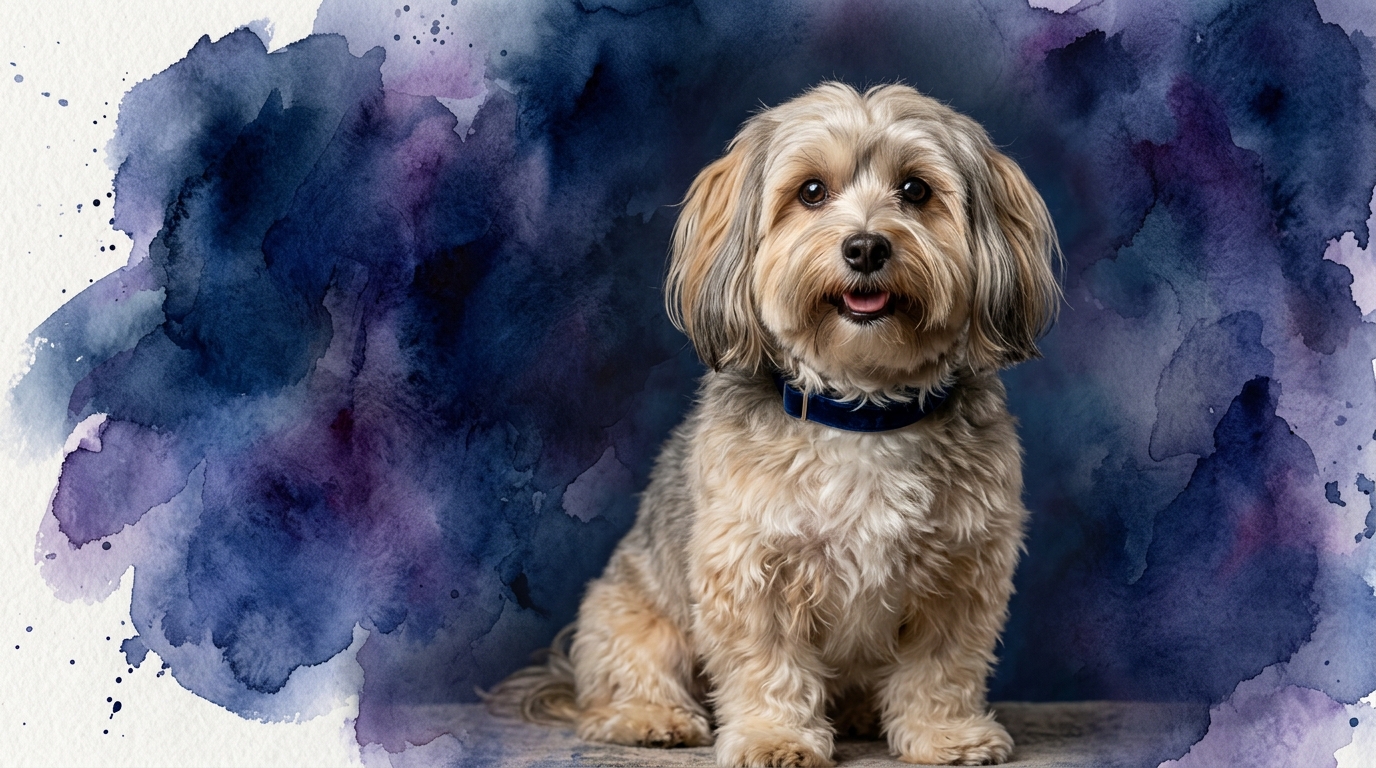
The Havanese, a charming Toy breed, demonstrates a balanced intellect tailored for companionship. Their Problem Solving is rated 3/5, indicating an ability to navigate moderate challenges and learn routines, but they aren't typically driven by complex mental puzzles. Training Speed also stands at 3/5, suggesting they grasp new commands at a steady pace, neither exceptionally quick nor slow. Where they truly shine is Social Intelligence at 5/5; these dogs are profoundly attuned to human emotions and social cues, thriving on interaction and connection. Their Instinctive Drive is 2/5, meaning they possess a low innate drive for tasks like hunting or guarding, making them less prone to independent pursuits. Memory is 3/5, allowing them to retain learned behaviors and experiences effectively over time.
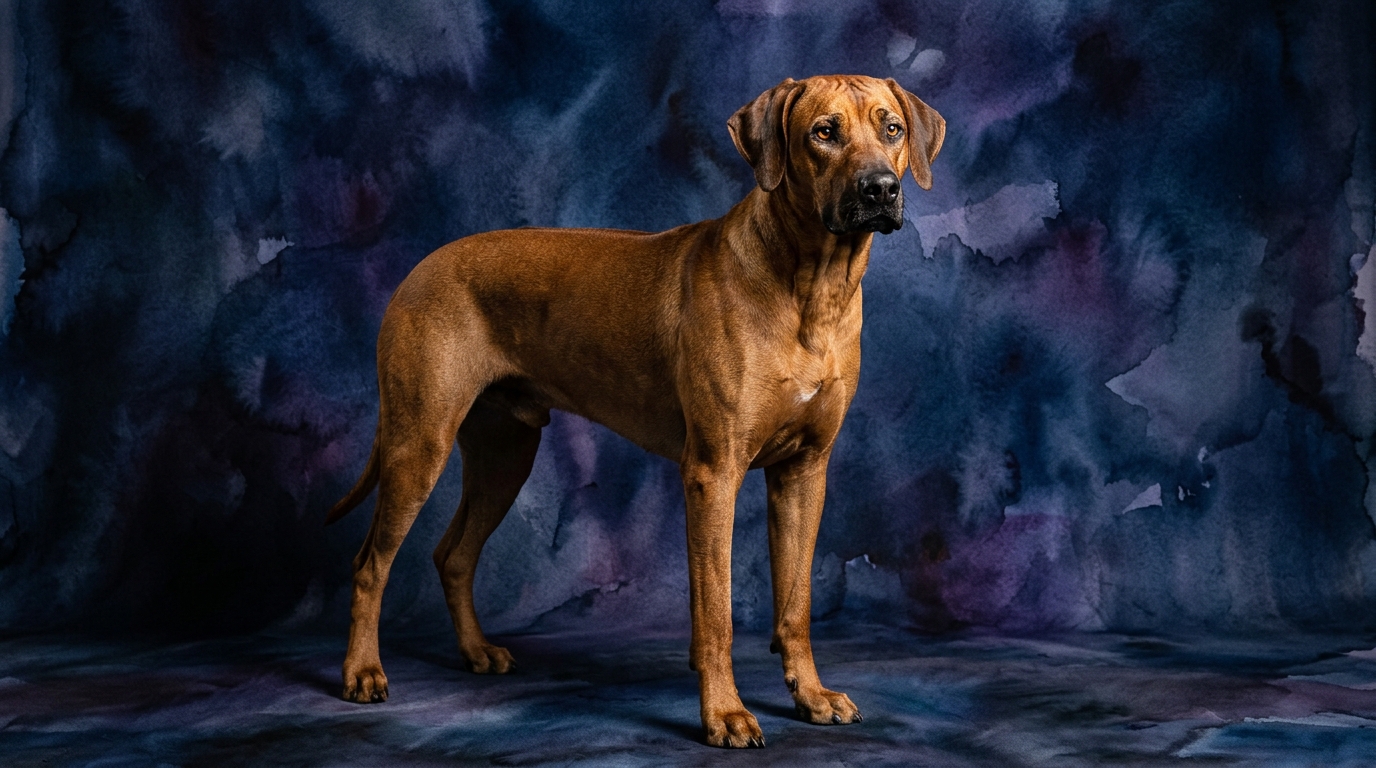
The Rhodesian Ridgeback, a powerful Hound, exhibits a robust cognitive makeup suited for its historical role. Their Problem Solving is 3/5, similar to the Havanese, meaning they can logically work through environmental obstacles and learn from experience, though they may not seek out intricate mental games. Training Speed is also 3/5, suggesting a consistent capacity to acquire new skills, requiring clear and patient instruction to engrain commands. Their Social Intelligence is 3/5, indicating a respectable ability to read human intentions and form bonds, yet they possess a more independent streak compared to highly social breeds. Instinctive Drive is 3/5, reflecting a moderate inherent urge for tasks, including a notable prey drive and a capacity for independent action. Memory is 3/5, enabling them to recall complex sequences and experiences, which is crucial for a working breed. The Rhodesian Ridgeback also holds a Coren rank of #52, placing it in the average working/obedience intelligence category.
Where the Havanese Wins Cognitively
The Havanese distinctly excels in social intelligence, scoring a perfect 5/5, a trait unmatched by the Rhodesian Ridgeback's 3/5. This means a Havanese is exceptionally adept at interpreting human emotions, intentions, and subtle cues, making them highly responsive to their family's mood and needs. Their profound social attunement translates into a dog that actively seeks and thrives on companionship, often anticipating owner desires or reacting sensitively to changes in household dynamics. This cognitive strength makes them incredibly intuitive companions, easily integrated into family life and often displaying a remarkable ability to comfort or engage based on human signals.
Where the Rhodesian Ridgeback Wins Cognitively
While both breeds share similar scores in Problem Solving, Training Speed, and Memory, the Rhodesian Ridgeback's cognitive advantage lies in its overall working aptitude, reflected in its Coren rank of #52 and its higher Instinctive Drive of 3/5. This breed possesses a more robust, independent problem-solving capacity geared towards practical tasks, even if the raw score is similar to the Havanese. Their moderate instinctive drive, rooted in their historical role as hunters, means they are more predisposed to independent decision-making and have a greater capacity for sustained focus on a task, even without constant human prompting. This cognitive profile makes them more self-reliant in certain situations, capable of assessing and responding to environments with a degree of calculated independence.
Which is Easier to Train and Why
Despite both breeds having a Training Speed score of 3/5, the Havanese is generally perceived as easier to train due to its superior Social Intelligence (5/5 vs. Ridgeback's 3/5) and lower Instinctive Drive (2/5 vs. Ridgeback's 3/5). A Havanese's deep desire to please and their sensitivity to human feedback means they often require less repetition and respond more readily to positive reinforcement, interpreting owner satisfaction as a strong motivator. Their lower instinctive drive also means fewer distractions from innate urges like tracking or chasing, allowing them to focus more intently on the trainer.
The Rhodesian Ridgeback, while capable of learning at a steady pace, often presents a greater challenge due to its more independent nature and moderate instinctive drive. Their practical problem-solving skills mean they might question commands if they don't perceive immediate value, requiring a trainer to be consistent, fair, and engaging to overcome their occasional stubbornness. Managing their instinctive drive, particularly their prey drive, requires early and ongoing training to ensure reliable recall and impulse control, making the training journey potentially more demanding for the owner.
Which Suits Active Owners vs. Relaxed Owners
For relaxed owners seeking a devoted and responsive companion, the Havanese is an ideal match. Their high social intelligence means they thrive on close human interaction and do not require extensive physical exertion or complex mental tasks to be content. A Havanese is perfectly happy with moderate daily walks, indoor play, and ample cuddle time, making them well-suited for apartment living or less active households where their primary role is that of a loving, attentive family member. Their low instinctive drive means less concern about managing strong hunting or guarding behaviors.
Active owners, particularly those who appreciate a dog with a purpose, will find the Rhodesian Ridgeback more fitting. Their moderate instinctive drive and historical working background mean they require consistent physical activity and mental stimulation to prevent boredom and destructive behaviors. Daily vigorous exercise, structured training sessions that challenge their problem-solving skills, and opportunities to engage their senses through scent work or similar activities are crucial. Their independent streak means they need an owner who can provide confident leadership and channel their energies productively, making them a superb partner for hiking, jogging, or dog sports.
The Verdict
Opt for the Havanese if you prioritize an exquisitely socially intelligent companion, eager to please and deeply attuned to family dynamics, requiring moderate activity and thriving on close emotional bonds.
Select the Rhodesian Ridgeback if you seek a robust, independent thinker with a moderate working drive, ready for an active lifestyle and consistent, engaging training, appreciating a dog with a confident and self-reliant nature.
🧠 Find Your Pet's IQ Score
Our Pet IQ Lab assessment covers 25+ tests across 5 cognitive dimensions — personalized to your breed.
Take the Full IQ Test →Frequently Asked Questions
Do Havanese and Rhodesian Ridgebacks have similar problem-solving abilities?
Yes, both breeds share a Problem Solving score of 3/5, indicating they can learn routines and navigate moderate environmental challenges effectively. However, the Havanese applies this in a companion context, while the Ridgeback uses it with a more independent, task-oriented approach.
Which breed is more affectionate based on their intelligence profiles?
The Havanese, with a Social Intelligence score of 5/5, is inherently more attuned to human emotions and seeks close companionship, often translating to a more overtly affectionate and demonstrative nature. The Ridgeback's 3/5 social intelligence means they form strong bonds but with a more reserved, independent expression of affection.
Does the Coren rank for Rhodesian Ridgeback mean it's smarter than a Havanese?
The Coren rank (#52) suggests the Rhodesian Ridgeback generally performs better in obedience and working tasks compared to breeds not ranked, like the Havanese. While individual IQ scores are similar in some areas, the rank indicates a greater aptitude for formal command-following and sustained task engagement, which is a different measure than companion-focused intelligence.