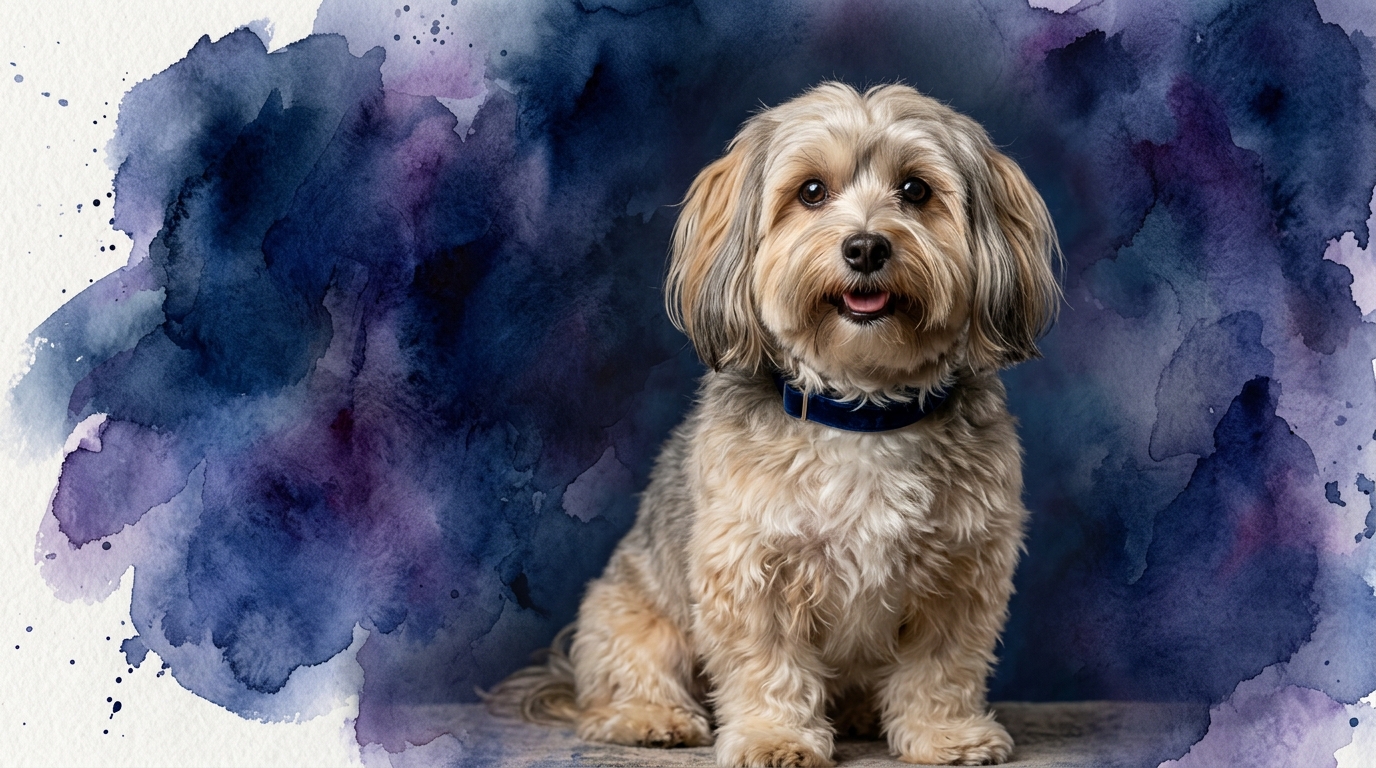

A Side-by-Side Look at Their Cognitive Dimensions
The Cosmic Pet Pet IQ Lab assesses canine intelligence across five key dimensions: Problem Solving, Training Speed, Social Intelligence, Instinctive Drive, and Memory. For both the Havanese and the Russian Toy, we observe intriguing similarities and crucial differences that paint a detailed picture of their cognitive strengths.
The Havanese scores Problem Solving 3/5, Training Speed 3/5, Social Intelligence 5/5, Instinctive Drive 2/5, and Memory 3/5. This profile immediately highlights a pronounced strength in understanding and interacting with their human companions. The Russian Toy, in contrast, registers Problem Solving 3/5, Training Speed 3/5, Social Intelligence 3/5, Instinctive Drive 3/5, and Memory 3/5. While sharing equivalent scores in problem-solving, training speed, and memory, the Russian Toy exhibits a more balanced distribution across social and instinctive dimensions, differing notably from the Havanese's specialized social acumen.
Where the Havanese Shines Cognitively
The Havanese's standout cognitive advantage lies overwhelmingly in its exceptional Social Intelligence, earning a perfect 5/5. This isn't merely about being friendly; it reflects a profound capacity to interpret human emotions, cues, and intentions. A Havanese will often seem to 'read' its owner's mood, offering comfort during sadness or engaging in playful antics to lift spirits without explicit direction.
This elevated social intelligence translates into a remarkable ability to adapt to diverse social settings and bond deeply with multiple family members, including children and other pets. Their cognitive wiring makes them highly attuned to the nuances of social interaction, enabling them to integrate seamlessly into family life and thrive on companionship. They demonstrate an almost intuitive understanding of social dynamics, making them superb emotional support animals and delightful participants in human-centric activities.
Where the Russian Toy Exhibits Unique Strengths
While the Russian Toy matches the Havanese in several cognitive areas, its distinct strength emerges in its Instinctive Drive, rated 3/5 compared to the Havanese's 2/5. This higher drive suggests a more pronounced natural inclination towards activities that engage their senses and predatory instincts, albeit in a refined, toy-breed manner. This might manifest as a keen interest in chasing small toys, exploring new scents, or engaging in brief, energetic bursts of activity.
This balanced instinctive drive, combined with its 3/5 social intelligence, means the Russian Toy possesses a degree of self-sufficiency that the Havanese might lack. They are often content to entertain themselves with a toy or explore their immediate environment independently for periods, demonstrating a spirited curiosity driven by their innate urges. This cognitive inclination allows them to engage with their surroundings in a more self-directed way, making them less prone to constant reliance on human interaction for stimulation.
Training: Nuances in Learning and Motivation
Both breeds share a Training Speed score of 3/5, indicating they are generally receptive to learning new commands at a moderate pace. However, the *approach* to training and the *type* of motivation that resonates most effectively can differ significantly due to their other cognitive profiles. The Havanese, with its 5/5 Social Intelligence, often perceives training as a collaborative social activity. They are acutely aware of their owner's pleasure and disapproval, making positive social reinforcement—praise, gentle touch, shared playtime—exceptionally motivating.
A Havanese's eagerness to please and their desire for close interaction can make them appear easier to train for owners who leverage social rewards. They are motivated by the bond and the joy of participation. The Russian Toy, possessing a 3/5 Social Intelligence and a 3/5 Instinctive Drive, might be more independently minded during training. While they learn at a similar rate, their motivation might lean more towards tangible rewards like treats or engaging in a brief chase game after a successful command. Training the Russian Toy may require a more consistent, structured approach that appeals to their inherent drives and offers clear, immediate payoffs, as they might be less swayed solely by social approval.
Suitability for Active vs. Relaxed Lifestyles
When considering an owner's lifestyle, the Havanese's cognitive makeup strongly favors those who offer consistent social engagement. An 'active owner' for a Havanese isn't necessarily someone who runs marathons, but rather someone who is actively involved in their dog's daily life, providing ample companionship, social outings, and opportunities for interaction. Their high social intelligence means they thrive in environments where they are the center of family activity, enjoying shared experiences whether it's a quiet evening on the couch or a bustling family gathering. A relaxed owner who still prioritizes constant companionship and emotional connection would find the Havanese a perfect fit.
The Russian Toy, with its balanced instinctive drive and moderate social intelligence, can appeal to a slightly different spectrum of owners. They suit owners who appreciate a dog with a spark of independence and a willingness to engage in more structured play or short bursts of activity that tap into their natural drives, like fetch or exploring a new park. While they certainly enjoy human companionship, their cognitive profile suggests they may not demand constant social interaction to the same degree as a Havanese, making them suitable for owners who might have periods of independent work or quiet time, provided their needs for mental and physical stimulation are met through engaging activities.
The Verdict
Choose the Havanese if you prioritize a deeply empathetic, highly socially attuned companion who thrives on constant interaction and is motivated by a desire to be an integral part of your daily life.
Opt for the Russian Toy if you seek a spirited, independent companion with a balanced drive, capable of entertaining itself while still enjoying engaging play and a slightly more self-reliant presence.
🧠 Find Your Pet's IQ Score
Our Pet IQ Lab assessment covers 25+ tests across 5 cognitive dimensions — personalized to your breed.
Take the Full IQ Test →Frequently Asked Questions
Does a Havanese's high social intelligence make them prone to separation anxiety?
Yes, a Havanese's 5/5 social intelligence means they form very strong bonds and crave companionship. If left alone for extended periods without proper training and enrichment, they can indeed be more susceptible to manifesting signs of separation distress due to their deep reliance on human interaction.
Can a Russian Toy be trained for advanced tricks or dog sports?
Absolutely. Despite their 3/5 training speed, Russian Toys possess sufficient cognitive capacity and a 3/5 instinctive drive that can be channeled into activities like obedience, agility, or even scent work. Their independence means they might require more consistent, reward-based motivation, but they are certainly capable of excelling in various canine disciplines.
Are both breeds suitable for first-time dog owners?
Both breeds can be suitable for first-time owners, but with different considerations. The Havanese's social nature often makes them very forgiving and eager to please, simplifying the learning curve. The Russian Toy's independence might require a first-time owner to be more proactive and consistent with training and socialization to guide their spirited nature effectively.