Side-by-Side IQ Profile: Havanese vs. Saluki
The Cosmic Pet Pet IQ Lab provides a detailed five-dimensional framework for understanding canine cognition, and applying it to the Havanese and Saluki unveils their unique mental landscapes. While both breeds score a balanced 3/5 in several key areas, their distinctions in social intelligence and instinctive drive paint very different pictures of their cognitive priorities.
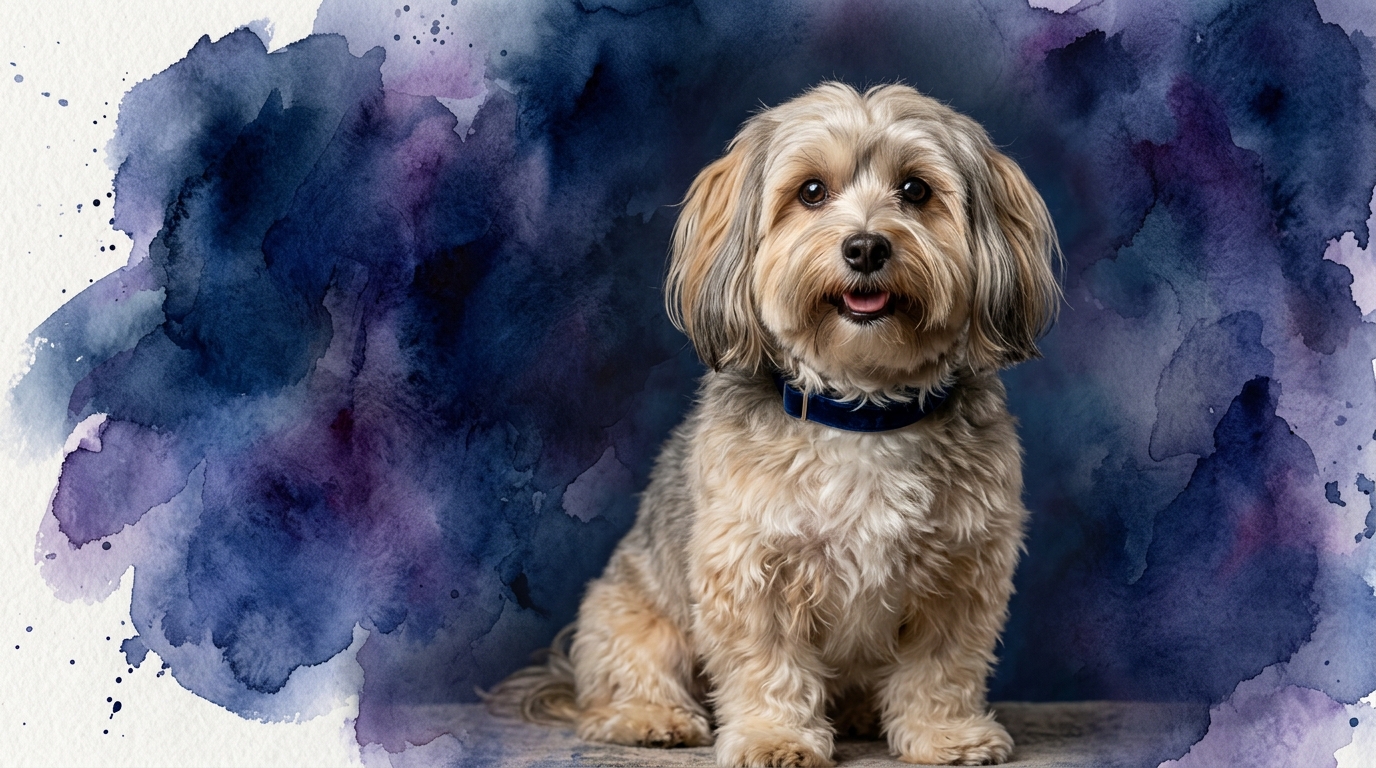
The Havanese, a lively Toy group member, scores 3/5 in Problem Solving, indicating an aptitude for navigating familiar challenges and learning routines without necessarily seeking complex intellectual puzzles. Their Training Speed is also 3/5, meaning they learn commands at an average pace, often eager to please their human companions. Where the Havanese truly shines is in Social Intelligence, earning a remarkable 5/5; they are exceptionally attuned to human emotions and social cues, thriving on interaction. Their Instinctive Drive is a modest 2/5, reflecting a low propensity for independent hunting or herding, with their focus primarily on companionship. Memory for the Havanese is rated at 3/5, allowing them to retain learned behaviors and recognize people and places effectively.
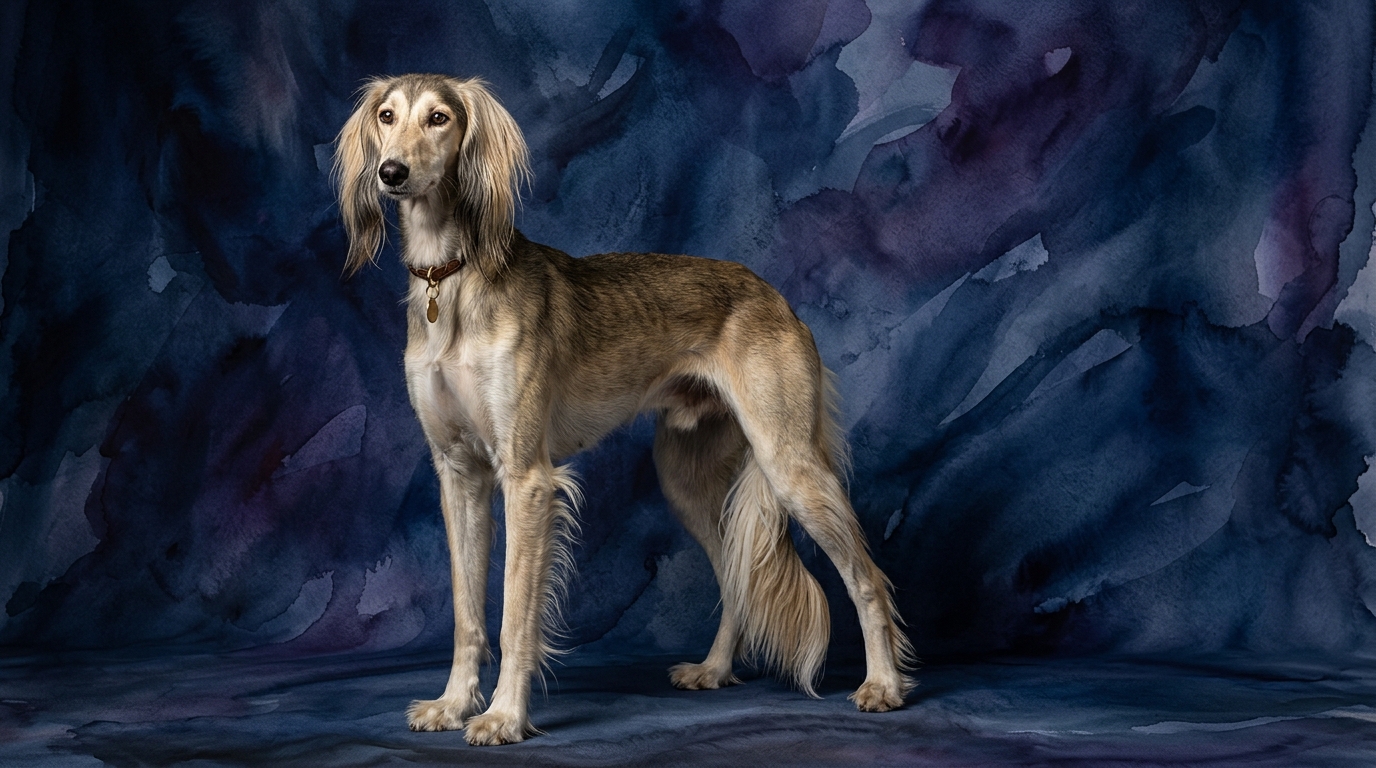
In contrast, the ancient Saluki, a majestic Hound, shares a 3/5 in Problem Solving, suggesting they can figure out practical solutions, particularly when motivated by their desires, but aren't typically driven by abstract mental exercises. Their Training Speed is also 3/5, indicating an average learning capacity, though their independent spirit can influence their responsiveness. The Saluki's Social Intelligence stands at 3/5; they are affectionate and loyal to their chosen family but often maintain a reserved demeanor with strangers. Their Instinctive Drive is rated 3/5, reflecting a strong, inherent sighthound prey drive that significantly influences their behavior and attention. Like the Havanese, the Saluki also scores 3/5 in Memory, demonstrating good recall for routes, past experiences, and familiar individuals, crucial for a breed historically reliant on tracking.
Where the Havanese Excels Cognitively
The Havanese's clear cognitive advantage lies in its exceptional Social Intelligence, scoring a perfect 5/5 compared to the Saluki's 3/5. This isn't merely about being friendly; it's a sophisticated capacity to perceive, interpret, and respond to human emotions and social dynamics with profound accuracy. Havanese dogs are masters at reading subtle cues, anticipating their owners' moods, and often adjusting their own behavior to elicit desired interactions or provide comfort.
This elevated social acumen means their cognitive efforts are heavily invested in understanding their human family unit, making them incredibly intuitive and adaptable companions. They use this intelligence to integrate seamlessly into household life, often 'training' their humans with charming effectiveness to meet their needs for attention and affection. Their ability to form deep, reciprocal social bonds is a cornerstone of their mental makeup, shaping their problem-solving and learning strategies around human interaction.
Where the Saluki Shines Cognitively
While both breeds share a 3/5 in Problem Solving and Training Speed, the Saluki's unique cognitive strength emerges from its specialized Instinctive Drive, rated 3/5 compared to the Havanese's 2/5. This isn't simply a higher urge to chase; it represents a highly refined and ancient cognitive system for independent hunting, detection, and pursuit of fast-moving prey over vast distances. Their brains are wired for keen visual observation, rapid decision-making, and strategic execution in open environments.
This powerful drive means a significant portion of their cognitive processing is dedicated to scanning their surroundings for movement, assessing potential targets, and engaging in bursts of speed and agility. Their problem-solving often manifests in overcoming physical obstacles or strategizing paths to satisfy this inherent drive, such as finding a way to get to an interesting scent or visual stimulus. This deep-seated instinct shapes their perception of the world and their independent approach to tasks, offering a distinct cognitive pathway from the Havanese's companion-oriented drives.
Training Dynamics: Havanese vs. Saluki Responsiveness
Despite both breeds scoring 3/5 for Training Speed, the practical experience of training a Havanese versus a Saluki can feel quite different, largely due to their contrasting social intelligence and instinctive drives. The Havanese, with its 5/5 Social Intelligence, often proves easier to train for the average owner. They are highly motivated by human approval, attention, and the desire to be an integral part of the family. This eagerness to please translates into a more compliant and responsive attitude during training sessions, viewing commands as opportunities for positive interaction and reinforcement. They are generally less prone to independent decision-making that conflicts directly with a known command, making them adaptable learners in a home environment.
The Saluki, conversely, while capable of learning at an average pace (3/5 Training Speed), presents a different training challenge due to its independent nature and strong 3/5 Instinctive Drive. Their sighthound heritage means they were bred to think and act autonomously, often prioritizing their own impulses, like the irresistible urge to chase a squirrel, over a human command. Training a Saluki requires immense patience, consistency, and a deep understanding of their unique motivations. High-value rewards and engaging, varied training methods are essential to capture their attention and make obeying a more appealing option than following their natural instincts. They learn what you ask, but often choose whether or not to comply based on what they perceive as most rewarding in the moment.
Matching Breeds to Lifestyles: Active vs. Relaxed Owners
When considering which breed aligns best with an owner's lifestyle, their distinct cognitive profiles offer clear guidance. For active owners seeking a canine partner with robust physical and mental energy for outdoor pursuits, the Saluki is a compelling choice. Their 3/5 Instinctive Drive and athletic build demand regular, vigorous exercise, ideally in large, securely fenced areas where they can truly stretch out and run at top speed. Owners who enjoy long, brisk walks, secure off-leash running, or even participate in dog sports like lure coursing will find their Saluki thrives, with much of their cognitive engagement stemming from satisfying these ancient physical and hunting instincts. Their independent problem-solving often comes into play during these activities, making them excellent companions for those who appreciate a dog with purpose.
Conversely, for more relaxed owners who prioritize close companionship and less demanding physical activity, the Havanese is an excellent fit. While not a complete couch potato, their moderate exercise needs are typically met with daily walks and engaging indoor play. Their exceptional 5/5 Social Intelligence means they thrive on constant interaction and mental stimulation derived from being an active participant in family life, rather than extensive physical exertion. Havanese dogs are content to be near their people, observing and contributing to household activities, making them ideal for owners seeking a devoted, emotionally intuitive companion whose primary cognitive engagement revolves around the human-animal bond.
The Verdict
If your lifestyle prioritizes an emotionally attuned companion who thrives on close family interaction and moderate physical activity, the Havanese's exceptional social intelligence makes it an ideal choice.
Opt for a Saluki if you appreciate an independent, ancient breed with a strong athletic drive, and you can provide ample secure space for them to run, satisfying their unique sighthound instincts.
🧠 Find Your Pet's IQ Score
Our Pet IQ Lab assessment covers 25+ tests across 5 cognitive dimensions — personalized to your breed.
Take the Full IQ Test →Frequently Asked Questions
Do Havanese and Saluki learn at the same pace?
According to The Cosmic Pet Pet IQ Lab, both breeds have a Training Speed of 3/5, suggesting they learn new commands at an average pace. However, the Havanese's high social intelligence often makes them more eager to comply, while the Saluki's independent streak can make training feel more challenging despite similar learning capacity.
How does their 'instinctive drive' impact their behavior?
The Havanese's lower instinctive drive (2/5) means they are generally less prone to chasing or independent exploration, preferring to be with their human companions. The Saluki's higher drive (3/5) translates to a strong impulse to chase moving objects, requiring careful management in unsecured areas and influencing their play and exercise needs significantly.
Is one breed better for families with children?
The Havanese, with its 5/5 social intelligence and companion-oriented nature, typically integrates very well into family dynamics, often enjoying playful interactions with children, provided they are gentle. Salukis (3/5 social intelligence) are loyal to their family but can be reserved and might prefer a calmer environment, making them suitable for families with older, respectful children who understand their need for space.