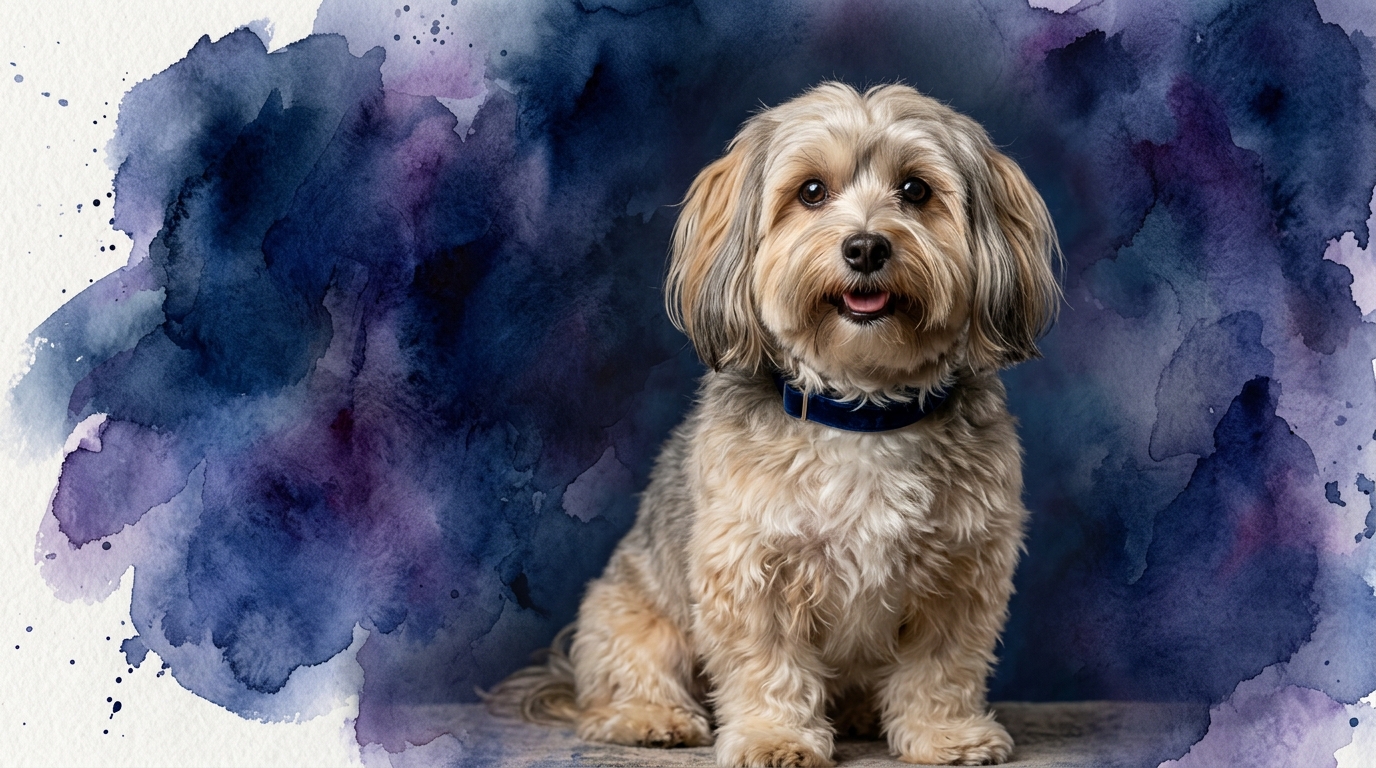
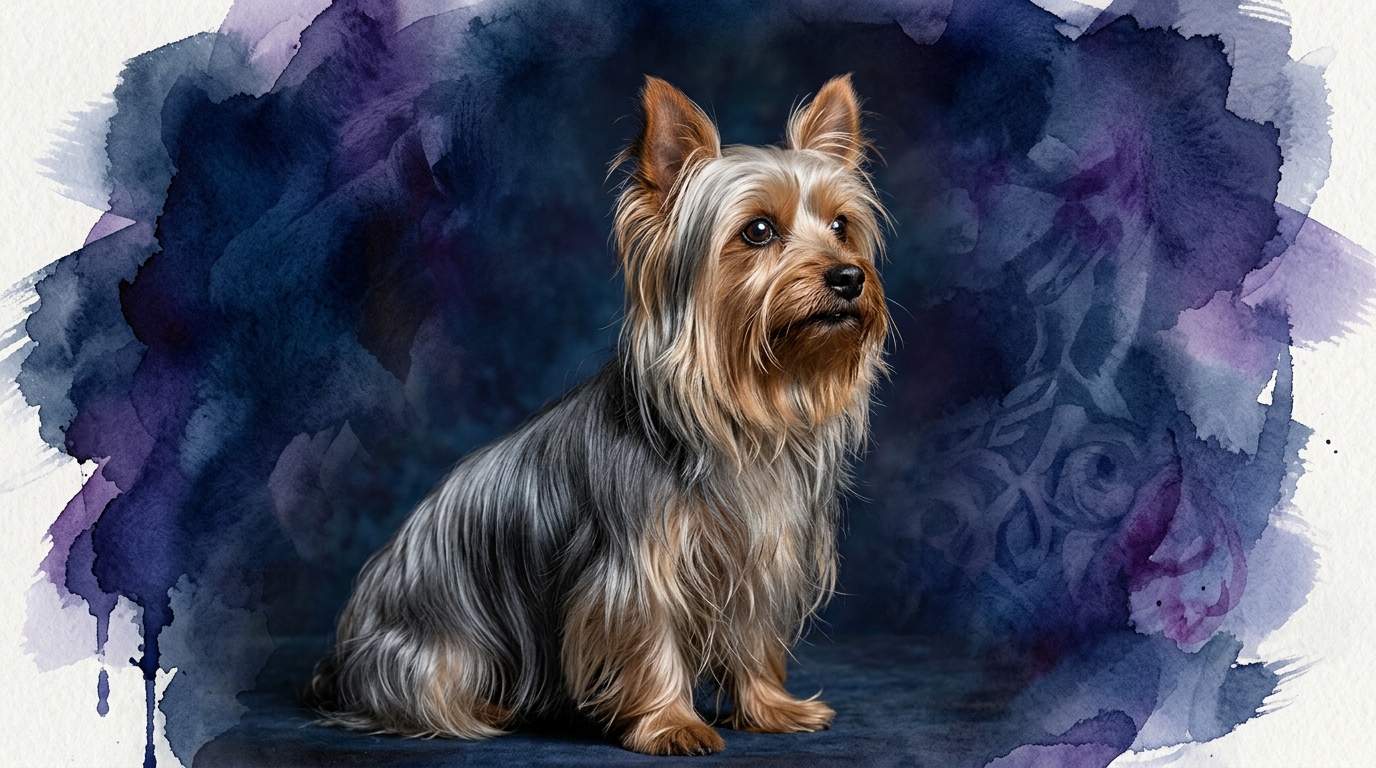
A Side-by-Side Look at Cognitive Profiles
At The Cosmic Pet Pet IQ Lab, we analyze five core dimensions to map a breed's cognitive landscape. For both the Havanese and the Silky Terrier, their Problem Solving score stands at 3 out of 5, suggesting a moderate capacity for independent thought in navigating novel situations or overcoming obstacles. This means they are capable of figuring things out but might not consistently devise complex solutions without guidance.
Similarly, their Training Speed is rated 3 out of 5, indicating they learn new commands and routines at an average pace. Owners can expect consistent effort and clear communication to yield steady progress, rather than instant mastery or prolonged struggle. Repetition and positive reinforcement are key for both breeds.
Where these breeds begin to diverge significantly is in Social Intelligence. The Havanese earns a remarkable 5 out of 5, signifying an exceptional ability to understand human cues, emotional states, and intentions. This breed is profoundly attuned to its human companions. In contrast, the Silky Terrier scores 3 out of 5, suggesting a solid but more conventional understanding of human interaction, perhaps with a greater degree of independence.
Instinctive Drive also sets them apart. The Havanese registers a 2 out of 5, reflecting a lower innate impulse for hunting, herding, or independent exploration. Their focus is less on external stimuli and more on their immediate social circle. The Silky Terrier, true to its terrier lineage, has an Instinctive Drive of 3 out of 5, indicating a more pronounced inclination towards exploring, chasing, and engaging with its environment.
Finally, Memory for both breeds is rated 3 out of 5. This score suggests they possess a reliable capacity to recall learned commands, routines, and past experiences. They will remember their training and the people they've encountered, maintaining a consistent framework of their world.
Where the Havanese Shines Cognitively
The Havanese's outstanding Social Intelligence score of 5/5 is its undeniable cognitive strength. This breed exhibits a profound empathy and an almost uncanny ability to read and respond to human emotions. They are not merely companions; they are emotional barometers, often adjusting their behavior to match their owner's mood. This translates into a dog that actively seeks to understand and engage with its family on a deeply personal level, making them exceptionally responsive to subtle cues and non-verbal communication.
Furthermore, their lower Instinctive Drive (2/5) complements this social aptitude by reducing distractions from external stimuli. Unlike breeds driven by strong prey instincts or a need to patrol, Havanese are less likely to be sidetracked by squirrels or the scent of a distant rabbit during a training session or a quiet evening at home. This lower drive means their attention is more consistently directed towards their human companions, fostering an environment where social interaction and connection take precedence over independent exploration or territorial vigilance. This makes them particularly adept at tasks requiring sustained focus on human interaction, such as therapy work or simply being an incredibly present family member.
Where the Silky Terrier Excels Cognitively
The Silky Terrier's higher Instinctive Drive (3/5) is a key cognitive advantage for owners seeking a more spirited and independently motivated companion. This drive manifests as a keen curiosity and a natural inclination to investigate their surroundings, making them more engaged with the world beyond their immediate human circle. While this might mean a greater propensity to follow interesting scents or explore new areas, it also equips them with a self-starter attitude, eager to engage with stimulating activities and problem-solving opportunities that leverage their innate terrier qualities.
Although both breeds share a Problem Solving score of 3/5, the Silky Terrier’s approach to solving problems is often colored by its stronger drive. They might exhibit more tenacity in figuring out how to retrieve a toy from under furniture or navigate a new environment, driven by their inherent curiosity and desire to achieve a goal. This drive can make them particularly suited for engaging in activities that require a degree of independence and persistence, such as earthdog trials or complex scent games, where their natural instincts can be channeled productively.
Training: A Question of Motivation and Connection
With identical Training Speed scores of 3/5, neither the Havanese nor the Silky Terrier is inherently faster or slower at grasping new commands. However, the *approach* to training and the perceived ease can differ significantly due to their other cognitive traits. The Havanese, with its exceptional social intelligence (5/5), often appears easier to train because of its profound desire to please and connect with its human. They are highly motivated by praise, affection, and the opportunity for shared activity. This strong social bond means they are often eager to cooperate, making positive reinforcement highly effective and training sessions a joyful interaction.
Conversely, the Silky Terrier’s training journey, while equally capable, might require a different motivational strategy. Their 3/5 Instinctive Drive means they can be more easily distracted by environmental stimuli or their own curious impulses. Training a Silky often benefits from incorporating their natural drive into the learning process, using toys, scent work, or vigorous play as rewards. While they respond well to positive reinforcement, their independent streak means an owner might need to be more creative and consistent in maintaining their focus and making training feel like a stimulating game rather than a strict lesson.
Matching Canine Cognition to Lifestyle: Active vs. Relaxed Owners
For owners seeking a relaxed, deeply connected companion whose primary focus is shared affection and quiet companionship, the Havanese presents a compelling choice. Their high Social Intelligence and lower Instinctive Drive make them ideally suited for a home environment where snuggling on the couch, gentle play, and being a constant, empathetic presence are valued. They thrive on human interaction and are content with moderate exercise, such as daily walks and indoor games. Their cognitive profile suggests they are less likely to seek out independent adventures and more likely to seek out their human's lap, making them a wonderful fit for individuals or families who prioritize close emotional bonds and a calm domestic rhythm.
In contrast, the Silky Terrier's cognitive makeup aligns more closely with active owners who appreciate a dog with a spirited personality and a desire for engaging activities. Their 3/5 Instinctive Drive means they are not content to merely observe; they want to participate and explore. Owners who enjoy regular, brisk walks, interactive play sessions, or even canine sports like agility or earthdog trials will find the Silky Terrier an enthusiastic partner. Their problem-solving abilities, coupled with their drive, mean they appreciate mental stimulation alongside physical activity. They are a good match for individuals or families who lead a more dynamic lifestyle and can provide consistent opportunities for their dog to channel its natural terrier energy and curiosity.
The Verdict: When to Choose Each
The Verdict
Choose the Havanese if you prioritize a deeply empathetic, emotionally attuned companion who thrives on close human connection and offers a calm, consistent presence in your home. Their lower drive means less independent exploration and more focus on you.
Opt for the Silky Terrier if you desire a spirited, curious companion who enjoys regular engagement in activities, appreciates mental challenges, and offers an independent streak balanced with affection. Their higher drive suits a more active lifestyle.
🧠 Find Your Pet's IQ Score
Our Pet IQ Lab assessment covers 25+ tests across 5 cognitive dimensions — personalized to your breed.
Take the Full IQ Test →Frequently Asked Questions
Do Havanese or Silky Terriers bark more due to their intelligence?
Neither breed's intelligence scores directly dictate barking habits, but their distinct drives can influence vocalization. Havanese might bark more due to their social sensitivity if left alone or if seeking attention, while Silky Terriers might bark at perceived threats or during excited play, driven by their instincts.
Can a Silky Terrier be as affectionate as a Havanese, despite the difference in social intelligence?
Yes, a Silky Terrier can be very affectionate, though their expression of affection might be more independent or less overtly 'clingy' than a Havanese. While the Havanese's 5/5 social intelligence means a constant attunement, a Silky's 3/5 still allows for strong bonds and loving interactions, just perhaps with more personal space.
Are Havanese or Silky Terriers better for first-time dog owners?
The Havanese, with its high social intelligence and eagerness to please, might be a slightly more forgiving choice for first-time owners who can provide consistent companionship. Silky Terriers, with their stronger drive and independent streak, could benefit from an owner experienced in channeling terrier energy and providing consistent, stimulating training.