Side-by-Side Cognitive Profiles: Unpacking the IQ Dimensions
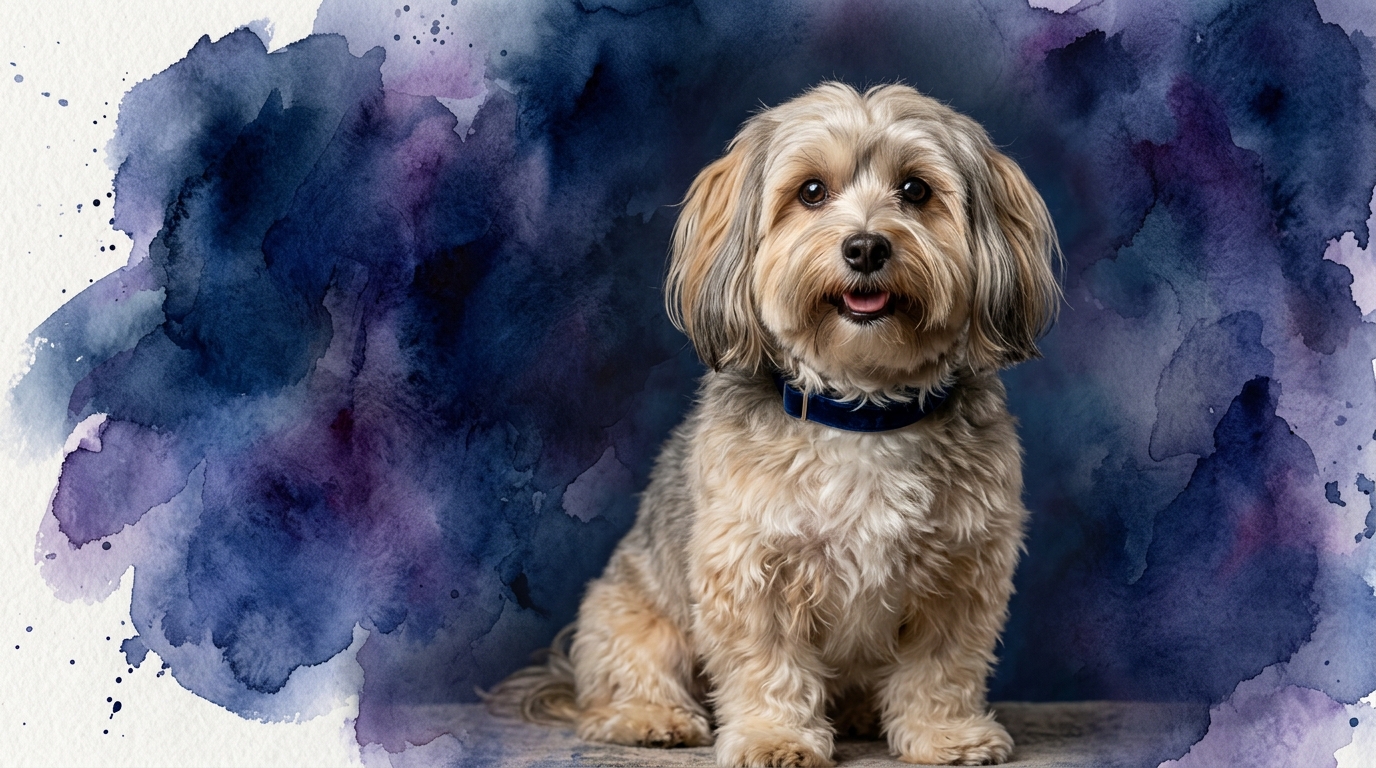
**Havanese Cognitive Profile:** The Havanese demonstrates a moderate Problem Solving capacity (3/5), capable of learning routines and navigating straightforward puzzles, though complex challenges might require more direct guidance. Their Training Speed is also moderate (3/5), as they are receptive to instruction and form associations efficiently, benefiting greatly from consistency and positive reinforcement. Where they truly shine is Social Intelligence (5/5), exhibiting exceptional attunement to human emotions, body language, and social cues, forming deep bonds and adapting behavior to social contexts. Their Instinctive Drive is relatively low (2/5), meaning primal urges like hunting or digging are not pronounced, with play primarily motivated by companionship. Finally, their Memory is moderate (3/5), allowing retention of learned behaviors and recognition of people, supporting their training efforts.
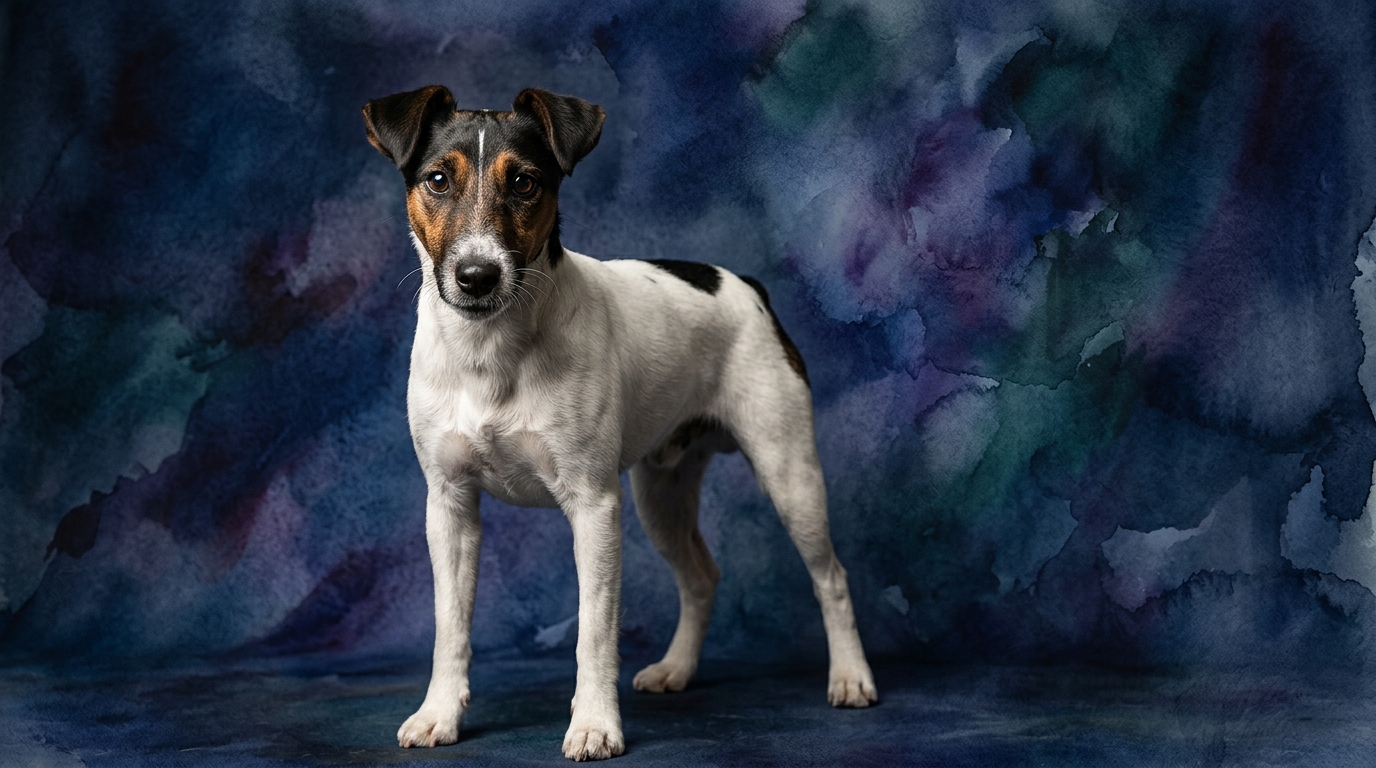
**Smooth Fox Terrier Cognitive Profile:** This breed shares a moderate Problem Solving aptitude (3/5), capable of figuring out desired outcomes like opening gates or finding hidden toys, often through persistence and independent thought. Their Training Speed also stands at a moderate 3/5, as they absorb information and execute tasks efficiently. However, their independent nature can sometimes necessitate more compelling motivation to maintain focus. Their Social Intelligence is moderate (3/5), enabling them to understand human cues and form bonds, though perhaps with less nuanced sensitivity than the Havanese, sometimes prioritizing their own interests. The Smooth Fox Terrier displays a moderate Instinctive Drive (3/5), reflecting their historical role as hunters, which manifests as a natural inclination for chasing, exploring, and digging. Their Memory is also moderate (3/5), supporting consistent performance in training once behaviors are established.
Where the Havanese Cognitively Excels
The Havanese truly distinguishes itself through its exceptional Social Intelligence (5/5), which signifies a profound capacity for emotional resonance and social understanding. A Havanese can often anticipate an owner's moods, offering comfort or initiating play based on subtle shifts in human demeanor, adeptly reading body language and vocal tones. This high social acumen fosters deep cooperation and an eagerness to engage in shared activities, making them highly responsive companions. They learn not just commands, but also the nuances of social interaction, understanding when a quiet presence is needed or when enthusiastic antics are appropriate. This cognitive strength makes them unparalleled for individuals seeking a dog that forms an incredibly intuitive and responsive bond, seeming to understand needs before they are explicitly communicated. Their desire to be part of every family activity stems directly from this deep social wiring, making them masters of emotional connection and relational harmony.
Where the Smooth Fox Terrier Cognitively Excels
While both breeds share similar scores in problem-solving, the Smooth Fox Terrier's slightly elevated Instinctive Drive (3/5) provides a distinct cognitive edge in practical applications. Rooted in their working dog heritage, this drive fuels a tenacious and persistent approach to tasks. When faced with a challenge, a Smooth Fox Terrier is less likely to give up, often exhibiting keen focus on achieving a goal, whether finding a hidden toy or investigating a compelling scent. This isn't just physical energy; it's a cognitive persistence, a drive to follow through on an impulse or a perceived 'job.' Their problem-solving (3/5) is often influenced by this drive, meaning they might use their intellect to overcome obstacles to satisfy an instinct, such as digging under a fence. This breed's cognitive strengths lie in its independent thought processes, its ability to stay focused on self-assigned tasks, and its robust determination to proactively explore and interact with its environment. This translates into a dog highly engaged with its surroundings and determined to make its own discoveries.
Training Ease: Social Connection vs. Independent Drive
Despite both breeds scoring 3/5 in Training Speed, their differing cognitive profiles create varied training experiences. The Havanese, with its superior Social Intelligence (5/5), often appears easier to train due to its inherent desire to please and sensitivity to human feedback. Highly motivated by social interaction and praise, they are generally eager participants, often anticipating expectations and fostering a cooperative learning environment. A Havanese views training as a shared activity, strengthening the bond. In contrast, the Smooth Fox Terrier, while learning at a similar speed, possesses a moderate Instinctive Drive (3/5) and lower Social Intelligence (3/5). This can mean they learn commands readily but might apply them selectively, especially if a stronger instinct like chasing presents itself. Their training often requires more consistent reinforcement, greater creativity to maintain engagement, and a firm, fair hand to channel their independent spirit. While capable of complex tasks, their motivation might stem more from task satisfaction or rewards than purely pleasing their handler. For novice owners, the Havanese might feel more 'trainable' due to its inherent compliance and eagerness to collaborate.
Cognitive Match: Active Explorers vs. Relaxed Companions
The distinct cognitive profiles of these breeds naturally align with different owner lifestyles. The Havanese, with high social intelligence (5/5) and lower instinctive drive (2/5), is an ideal cognitive match for relaxed owners prioritizing companionship and emotional connection. These dogs thrive on being an integral part of family life, enjoying quiet evenings, short strolls, and interactive play that deepens their bond. Their cognitive makeup means they are content with moderate physical activity, but their minds are always engaged with their human family, seeking connection. They are less prone to anxiety if physical exercise isn't intense, as long as social needs are met. Conversely, the Smooth Fox Terrier, with its moderate instinctive drive (3/5) and more independent social intelligence (3/5), suits active owners who enjoy structured engagement and mental challenges. Their inherent drive benefits from activities allowing them to explore, chase, and problem-solve, such as agility or stimulating hikes. Owners providing consistent mental and physical outlets will find a rewarding partnership; without sufficient stimulation, their independent problem-solving might lead to undesirable activities like excessive digging. Thus, the Havanese flourishes with shared presence, while the Smooth Fox Terrier thrives with a 'job' to channel its inherent drive.
The Verdict
Choose the Havanese if you prioritize a deeply intuitive companion who thrives on emotional connection and shared presence, offering unparalleled social attunement and a cooperative spirit for a relaxed lifestyle.
Opt for the Smooth Fox Terrier if you are an active owner seeking a tenacious and independent partner for adventures, who will engage enthusiastically with structured activities and mental challenges.
🧠 Find Your Pet's IQ Score
Our Pet IQ Lab assessment covers 25+ tests across 5 cognitive dimensions — personalized to your breed.
Take the Full IQ Test →Frequently Asked Questions
Can a Havanese learn complex tricks despite its moderate problem-solving score?
Yes, absolutely. While their problem-solving is rated 3/5, their exceptional social intelligence and moderate training speed mean they can learn complex tricks, especially when training is framed as a fun, interactive activity that strengthens their bond with their owner. Their motivation to please and engage socially can often compensate for areas where they might not independently figure out solutions as quickly.
Does the Smooth Fox Terrier's instinctive drive make it difficult to live with other pets?
The Smooth Fox Terrier's moderate instinctive drive (3/5), particularly for chasing, means careful introductions and early socialization are vital, especially with smaller pets. While they can coexist peacefully with other animals, their natural inclination to pursue can be strong, requiring consistent training and supervision to ensure harmonious multi-pet households.
How do these breeds compare in terms of adapting to new environments or routines?
The Havanese, with its high social intelligence, generally adapts well to new environments if its human companions are present and provide reassurance, as their primary focus is on social stability. The Smooth Fox Terrier, with its moderate problem-solving and instinctive drive, might approach new situations with more independent curiosity and a desire to explore, adapting confidently once they've thoroughly investigated their surroundings.