Side-by-Side Cognitive Profile
The Cosmic Pet Pet IQ Lab employs a five-dimensional framework to assess canine intelligence, moving beyond simplistic notions to offer a nuanced understanding of a breed's mental landscape. These dimensions — Problem Solving, Training Speed, Social Intelligence, Instinctive Drive, and Memory — provide a comprehensive lens through which to compare the Havanese and the Spanish Water Dog.
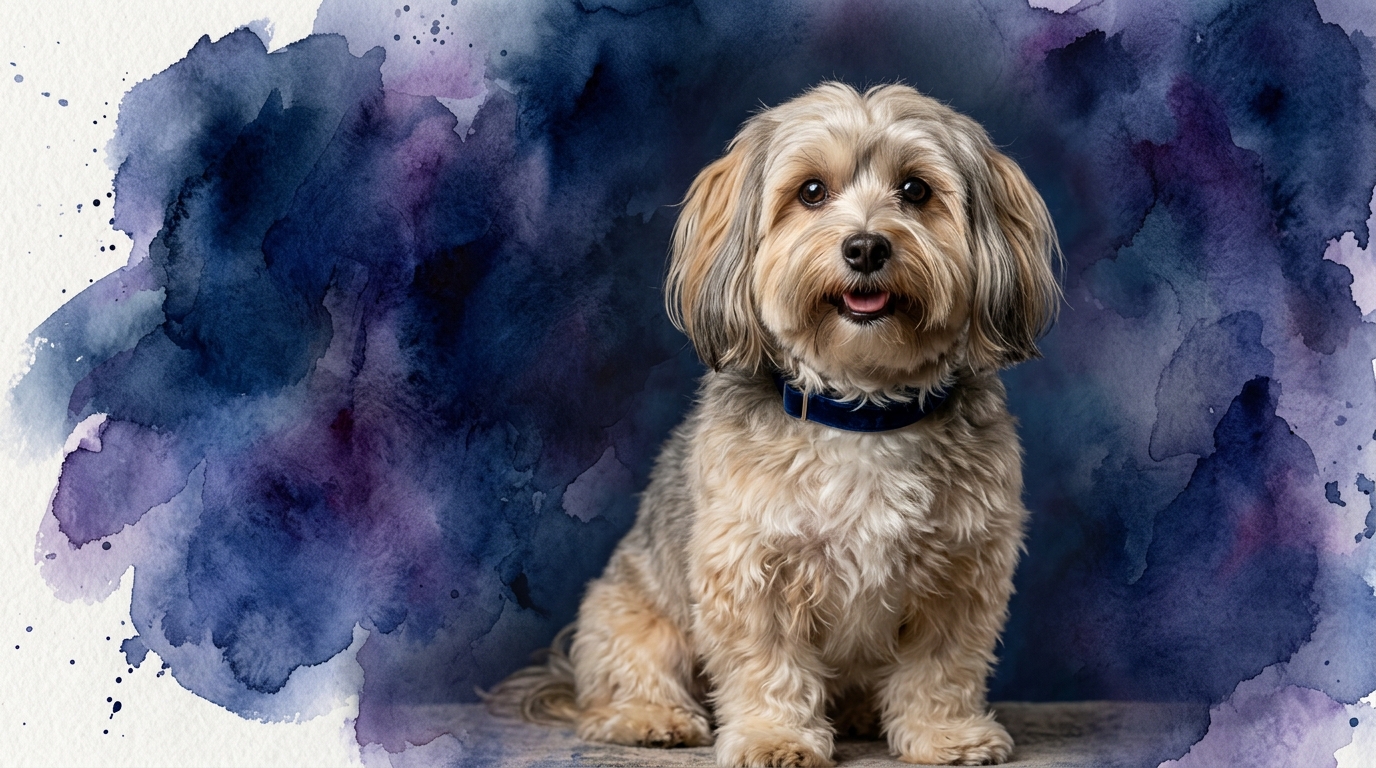
The Havanese, a charming Toy breed, scores a 3/5 in Problem Solving, indicating a solid capacity to navigate new situations and grasp multi-step routines, though they aren't typically inclined towards highly complex, abstract challenges. Their Training Speed also rates at 3/5, suggesting they learn commands at a moderate pace, thriving on consistency and positive reinforcement. Where the Havanese truly shines is in Social Intelligence, earning an exceptional 5/5; they are profoundly attuned to human emotions and social cues, forming deep, intuitive bonds. Conversely, their Instinctive Drive is a modest 2/5, reflecting their heritage as companion animals with little inclination for task-oriented work like herding or hunting. Their Memory registers at 3/5, allowing them to recall learned behaviors and routines reliably.
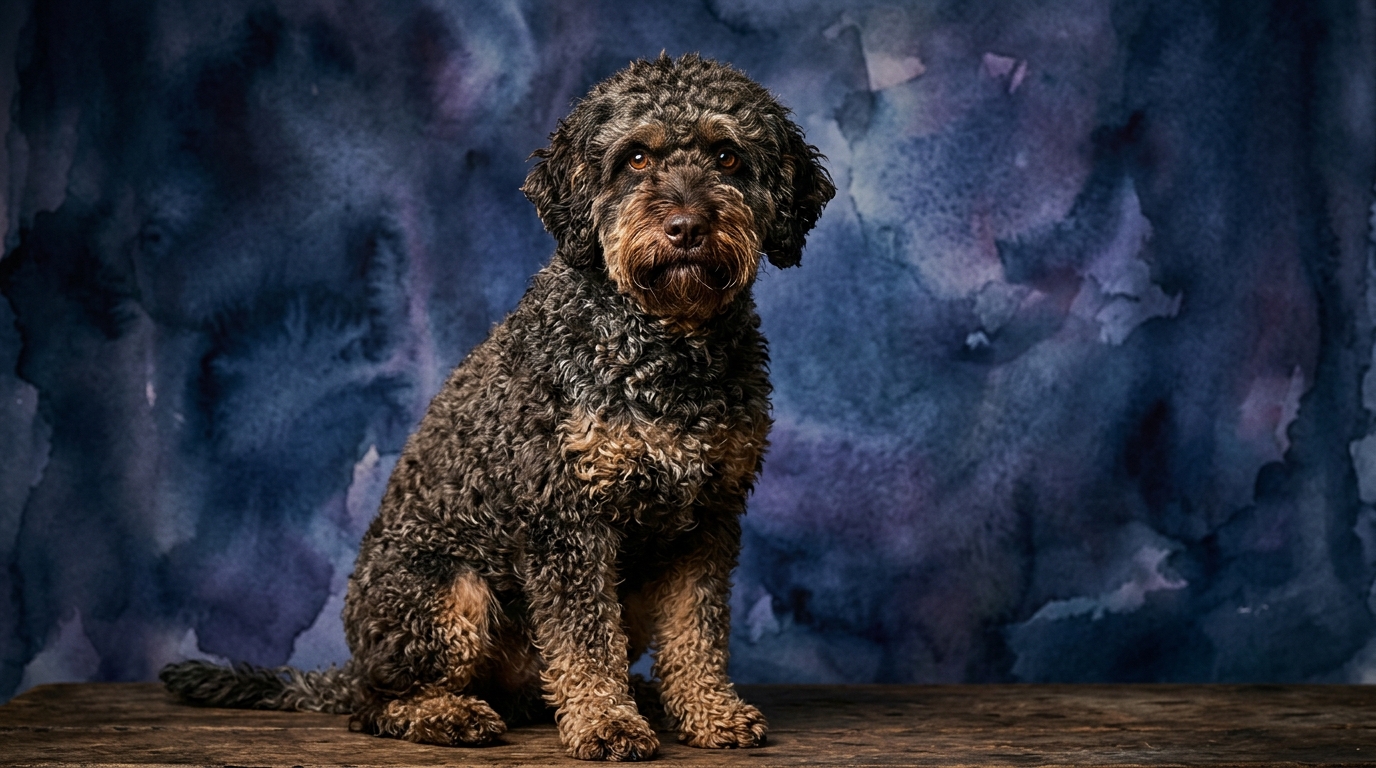
In contrast, the Spanish Water Dog, a robust Herding breed, shares a similar Problem Solving score of 3/5, demonstrating comparable adaptive abilities and competence in understanding their environment. Their Training Speed also aligns with the Havanese at 3/5, indicating an average learning curve that benefits from engaging methods and clear direction. However, their Social Intelligence is a moderate 3/5; while capable of strong bonds, they are generally less overtly expressive or intensely focused on human emotional states than the Havanese, often exhibiting a more reserved demeanor, especially with strangers. Their Instinctive Drive, at 3/5, is notably higher than the Havanese, stemming from their working background and a natural desire to engage in purposeful activities. Like the Havanese, their Memory is rated 3/5, ensuring they retain information and learned skills effectively.
Comparing these initial profiles, it's clear that both breeds possess a foundational cognitive competence in problem-solving and memory, learning at a similar rate. The significant differentiators emerge in their social engagement and inherent drives, painting a picture of two distinct canine minds despite their shared numerical scores in other areas.
Where the Havanese Excels Cognitively
The Havanese's outstanding 5/5 Social Intelligence is their preeminent cognitive strength. This isn't merely about being friendly; it reflects a profound capacity to read subtle human body language, vocal inflections, and emotional states, allowing them to adapt their behavior with remarkable sensitivity. They possess an intuitive understanding of their human companions, often anticipating needs or offering comfort without explicit cues. This deep empathetic connection makes them exceptional at forming intricate social bonds, thriving on the complex interplay of companionship and emotional reciprocation. Owners often report their Havanese seeming to 'know' exactly what they're feeling, a testament to their superior social acumen.
This heightened social awareness also contributes to their adaptability within a family setting, enabling them to navigate household dynamics with grace. Their cognitive energy is largely directed towards understanding and engaging with their human family, making them incredibly responsive to social feedback and praise. For individuals seeking a companion intimately attuned to their emotional world, the Havanese's distinct cognitive advantage in social intelligence is unparalleled.
Where the Spanish Water Dog Excels Cognitively
The Spanish Water Dog's moderate 3/5 Instinctive Drive marks its primary cognitive advantage, particularly for owners seeking a dog with a natural inclination for purpose and activity. While not an extreme drive, it signifies an inherent desire to engage in tasks that tap into their historical roles, such as herding, retrieving, or water work. This drive translates into a dog that finds genuine cognitive satisfaction in having a job to do, whether it's fetching, learning complex agility sequences, or even engaging in scent detection games.
Their cognitive focus is often geared towards understanding and executing tasks, making them partners who are eager to participate in structured activities. This isn't just about physical energy; it's about a mental framework that seeks engagement through work. While the Havanese thrives on social connection, the Spanish Water Dog finds fulfillment in collaborative efforts and the successful completion of a challenge, making them particularly adept at dog sports and activities that require both physical and mental application of their innate abilities.
Which Is Easier to Train and Why
Both the Havanese and Spanish Water Dog share a Training Speed score of 3/5, suggesting they learn at a comparable average pace. However, the 'ease' of training often depends on the owner's approach and what motivates each breed. The Havanese, with their exceptional 5/5 Social Intelligence, is often perceived as easier to train for general obedience because they are highly motivated by human approval and positive social interaction. Their desire to please and their sensitivity to human cues mean they respond very well to praise, gentle encouragement, and affection-based rewards. Their lower Instinctive Drive (2/5) means they are less likely to be distracted by ingrained working urges, making them generally more pliable for typical household commands and tricks.
The Spanish Water Dog, while equally capable of learning at a 3/5 Training Speed, might present different training dynamics due to their 3/5 Instinctive Drive and 3/5 Social Intelligence. They often respond best to training that incorporates a 'job' or a clear purpose, leveraging their natural working ethic. While they appreciate positive reinforcement, their motivation might be more task-oriented, potentially requiring more strategic use of toys or activity rewards in addition to praise. Their independent streak, a common trait in herding breeds, means they might question a command if they don't perceive its value, requiring an owner to be consistent, fair, and engaging to maintain their focus and cooperation. For complex or repetitive tasks, the Havanese's social eagerness might make them seem more 'willing,' while the Spanish Water Dog's drive requires a more purposeful and challenging approach to sustain engagement.
Which Suits Active vs. Relaxed Owners
The Havanese is an ideal match for relaxed owners or those seeking a constant, affectionate presence. Their low Instinctive Drive (2/5) means they don't demand extensive physical exertion or complex work to feel fulfilled. Instead, their high Social Intelligence (5/5) means their primary cognitive and emotional needs are met through close companionship, indoor play, short walks, and being an integral part of family life. They thrive on human interaction and are content with a relatively calmer pace, making them excellent companions for apartment dwellers, seniors, or families who prefer cozy evenings to strenuous outdoor adventures. Their cognitive stimulation comes largely from social engagement and gentle enrichment.
Conversely, the Spanish Water Dog's moderate Instinctive Drive (3/5) makes them far better suited for active owners who can provide consistent physical and mental engagement. They require regular, vigorous exercise that goes beyond simple walks, benefiting immensely from activities like hiking, swimming, advanced training, or participation in dog sports such as agility, flyball, or herding. Their cognitive satisfaction is deeply tied to having a 'job' or a purpose, and without adequate outlets for their natural drives, they can become bored or exhibit undesirable behaviors. An owner who enjoys an active lifestyle and is prepared to channel the Spanish Water Dog's inherent working intelligence into constructive activities will find them a highly rewarding and versatile partner.
The Verdict
Opt for a Havanese if your lifestyle prioritizes a highly attuned, affectionate companion eager for close social bonds and comfortable with a more relaxed pace. They thrive on companionship and intuitive understanding.
Select a Spanish Water Dog if you are an active individual or family seeking a versatile, purpose-driven partner who excels in physical activities and enjoys engaging their natural working instincts.
🧠 Find Your Pet's IQ Score
Our Pet IQ Lab assessment covers 25+ tests across 5 cognitive dimensions — personalized to your breed.
Take the Full IQ Test →Frequently Asked Questions
Do Havanese and Spanish Water Dogs shed?
Havanese have a long, silky, non-shedding coat that requires regular grooming to prevent mats. Spanish Water Dogs have a woolly, curly coat that also sheds minimally but requires specific grooming to maintain its corded or natural look.
Are Havanese good with children?
Havanese, with their high social intelligence and gentle nature, are typically excellent with children, provided they are properly socialized and the children are taught respectful interaction. Their small size makes supervision important with very young children.
What kind of mental stimulation does a Spanish Water Dog need?
Spanish Water Dogs require consistent mental engagement, often through activities that mimic their herding or retrieving heritage. Puzzle toys, training for dog sports like agility or obedience, and engaging in scent work can effectively satisfy their cognitive needs.