
Side-by-Side Cognitive Profile: Havanese vs. Wire Fox Terrier
To understand the unique mental landscapes of the Havanese and Wire Fox Terrier, we examine five key cognitive dimensions, providing a granular view of their intellectual inclinations.
The Havanese, a charming Toy breed, scores 3/5 in Problem Solving, indicating a capacity for navigating puzzles or obstacles, often with a clever, companion-oriented approach. Their Training Speed also registers at 3/5; they learn new commands at a moderate pace, often eager to please due to their strong social leanings. Where they truly shine is Social Intelligence, earning a perfect 5/5. This suggests an exceptional ability to read human emotions, anticipate needs, and adapt to social cues within a family unit. Their Instinctive Drive is lower at 2/5, meaning they are less motivated by traditional hunting or guarding behaviors, preferring social interaction over independent pursuits. Finally, their Memory is rated 3/5, allowing them to retain routines and learned behaviors consistently.
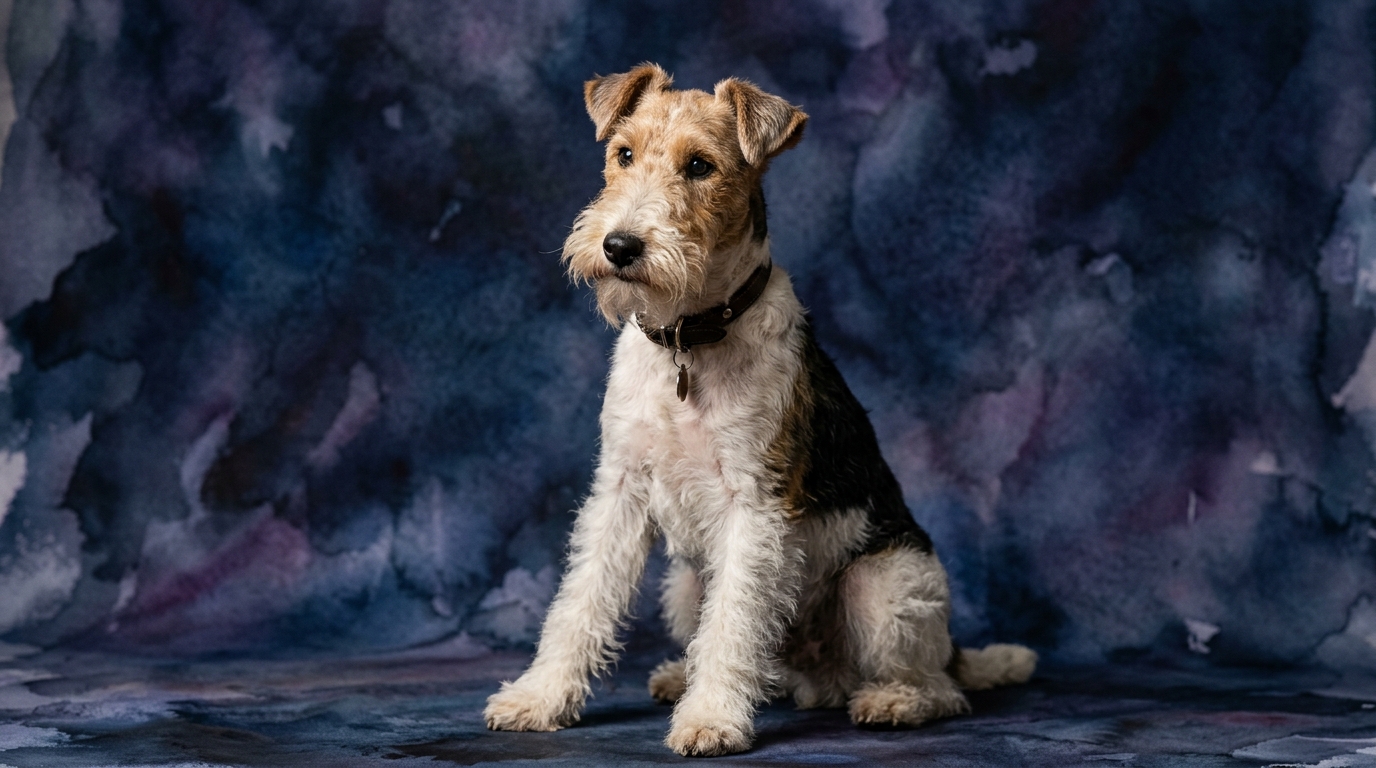
The Wire Fox Terrier, a spirited member of the Terrier group, also holds a 3/5 in Problem Solving. However, their approach tends to be more direct and persistent, driven by a terrier's characteristic determination. Their Training Speed is also 3/5, indicating a moderate learning curve, though their independent streak can sometimes make consistency a challenge. In Social Intelligence, they score 3/5; while capable of strong bonds, they do not typically display the same nuanced emotional sensitivity as the Havanese. Their Instinctive Drive is notably higher at 3/5, reflecting their heritage with a strong prey drive, a propensity for digging, and a watchful nature. Like the Havanese, their Memory is rated 3/5, allowing them to recall commands and experiences, though their self-assured nature might sometimes appear as selective hearing.
Where the Havanese Cognitively Excels
The Havanese's exceptional social intelligence (5/5) is its most distinguishing cognitive strength. This isn't just about being friendly; it's a sophisticated ability to interpret and respond to the subtle complexities of human communication and emotion. A Havanese might notice a minute shift in your tone or body language and offer comfort, or intuitively understand intricate social dynamics within a household, acting as a sensitive barometer for family moods. This acute social awareness makes them profoundly empathetic companions, fostering a reciprocal relationship where they often seem to 'understand' what you're thinking or feeling. Their high social intelligence makes them remarkably adaptable to family life, often leveraging their charming nature to elicit positive responses and maintain harmony. This dimension allows them to form exceptionally strong, communicative bonds, making them particularly receptive to human interaction and cues, which in turn aids their training and integration into human routines.
Where the Wire Fox Terrier Cognitively Excels
The Wire Fox Terrier's cognitive strengths are rooted in its balanced problem-solving and instinctive drive, particularly when these are combined with its inherent tenacity. While sharing a 3/5 in problem-solving with the Havanese, the terrier’s approach is often more about persistent, physical engagement with an environmental challenge rather than social maneuvering. Their instinctive drive (3/5) gives them a distinct edge in tasks requiring independent exploration, tracking, or sustained focus on a perceived "prey" item, whether it's a squeaky toy or an intriguing scent. This drive isn't merely about chasing; it fuels their curiosity and unwavering determination to investigate and overcome obstacles in their environment. They possess a robust, practical intelligence geared towards action and discovery, making them adept at navigating complex outdoor environments or figuring out how to access a desired object through sheer will. This persistent, goal-oriented cognitive style is a hallmark of the terrier group, enabling them to tackle challenges with unwavering resolve and a spirited approach.
Training Dynamics: Which Breed is More Amenable?
When it comes to ease of training, the Havanese generally presents a more straightforward experience due to its superior social intelligence and lower instinctive drive. Their 5/5 social intelligence means they are inherently motivated to please their human companions and are acutely aware of social feedback, quickly learning which behaviors earn praise and positive attention. This makes them eager participants in training sessions, actively seeking to understand and comply with commands. Their lower instinctive drive (2/5) further aids training by reducing distractions from external stimuli like enticing scents or small moving objects, allowing them to maintain focus on their trainer. This combination fosters a cooperative learning environment where the Havanese displays a charming willingness to engage and master new skills.
In contrast, the Wire Fox Terrier, with its 3/5 social intelligence and 3/5 instinctive drive, can be more challenging. While certainly capable of learning, their independent nature and stronger prey drive mean they might be more easily distracted or decide that their own agenda, such as investigating a compelling scent, takes precedence over a command. Training a Wire Fox Terrier requires more patience, creativity, and a consistent demonstration of why compliance is rewarding. Trainers often need to outwit their independent spirit, making it an engaging but potentially more demanding endeavor compared to the more socially-driven Havanese.
Lifestyle Match: Active vs. Relaxed Owners
For active owners seeking a canine partner with a zest for exploration and engaging challenges, the Wire Fox Terrier is often a fitting choice. Their combined instinctive drive (3/5) and persistent problem-solving (3/5) mean they thrive on varied activities that stimulate both their mind and body, such as agility courses, earthdog trials, or long, investigative hikes. They require consistent mental and physical engagement to prevent boredom and channel their natural terrier energies constructively. An owner preferring a more relaxed pace might find the Wire Fox Terrier's independent spirit and need for vigorous activity overwhelming, potentially leading to unwanted behaviors like excessive digging or barking if not adequately stimulated.
The Havanese, with its high social intelligence (5/5) and lower instinctive drive (2/5), is better suited for owners who prioritize a companion focused on close interaction and less on demanding physical exploits. While they certainly enjoy walks and play, their primary contentment comes from being with their family, making them excellent companions for more relaxed households or individuals who value cuddles and companionship over strenuous outdoor adventures. Their adaptability allows them to flourish in various home environments, as long as they receive ample social engagement and consistent human presence. They are well-suited to apartment living provided their social needs are met.
The Verdict
Opt for the Havanese if you prioritize a deeply empathetic, socially attuned companion who thrives on close human interaction and emotional connection, perfect for a home valuing companionship and gentle engagement.
Select the Wire Fox Terrier if you're an active owner seeking a spirited, tenacious partner for adventures and structured activities, ready to engage with a dog that brings a persistent, independent problem-solving approach to life.
🧠 Find Your Pet's IQ Score
Our Pet IQ Lab assessment covers 25+ tests across 5 cognitive dimensions — personalized to your breed.
Take the Full IQ Test →Frequently Asked Questions
Do Havanese and Wire Fox Terriers have similar memory capabilities?
Yes, both breeds register a 3/5 in memory, indicating they retain learned behaviors and routines moderately well. While they remember commands and experiences, consistent reinforcement can be beneficial, especially for less frequent cues.
Which breed is more likely to develop separation anxiety?
Given its exceptional social intelligence (5/5) and strong reliance on human companionship, the Havanese might be more prone to developing separation anxiety if left alone for extended periods. Their deep bond with their owners makes prolonged solitude particularly distressing.
How do their problem-solving approaches differ despite the same score?
While both score 3/5, the Havanese often employs charming social tactics or gentle persistence to solve problems, whereas the Wire Fox Terrier typically uses a more direct, tenacious, and physically engaged approach, driven by its inherent terrier determination.