Side-by-Side IQ Profile: Himalayan vs. Egyptian Mau
At The Cosmic Pet Pet IQ Lab, both the Himalayan and Egyptian Mau consistently score 3 out of 5 across five key cognitive dimensions. This identical numerical rating suggests a moderate, capable level of intelligence in both breeds. However, understanding how this 3/5 manifests for each breed requires looking beyond the numbers to their innate temperaments and breed-specific behaviors.
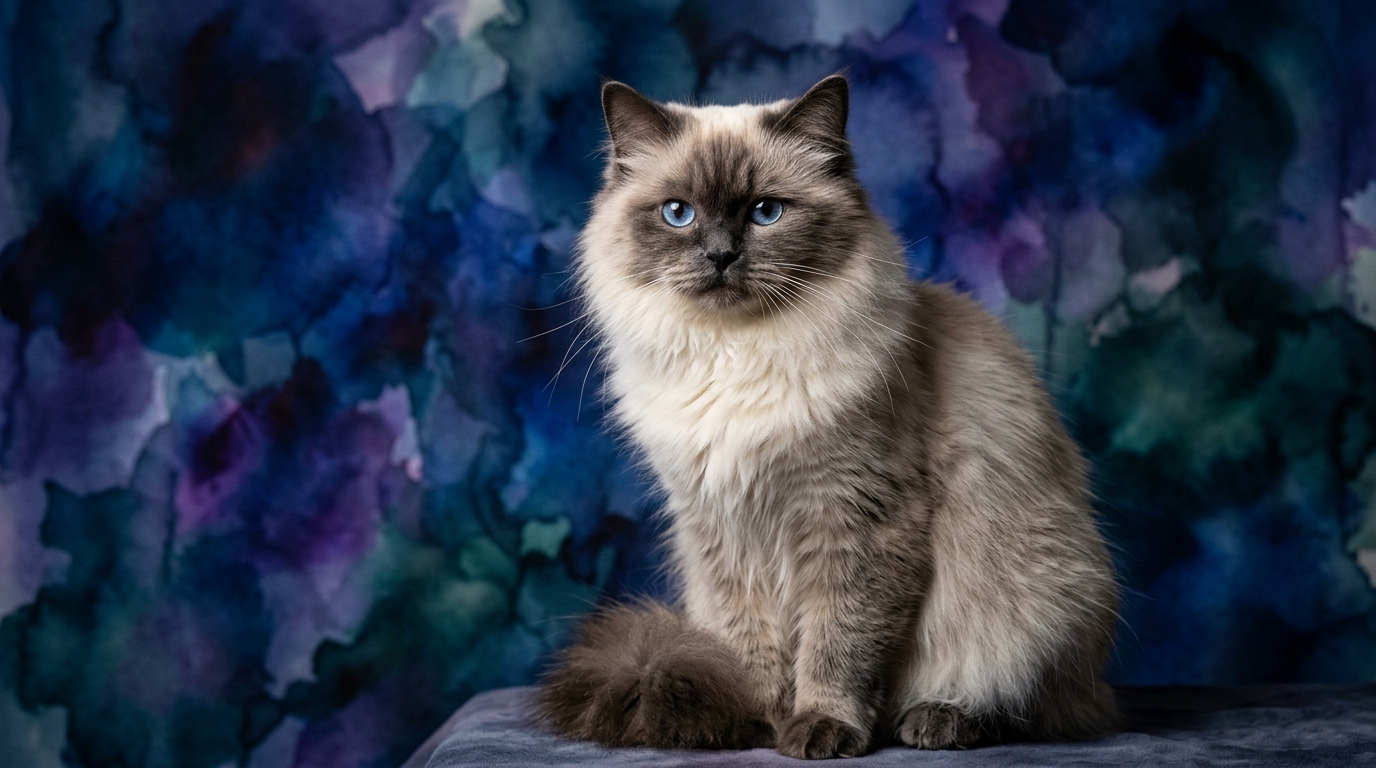
For the **Himalayan**, a long-haired, placid breed:
**Problem Solving (3/5):** Himalayans approach challenges with deliberate persistence rather than quick bursts of insight. Their problem-solving involves methodical investigation, often driven by a desire for comfort or routine, making them effective at eventually figuring out puzzle toys or navigating familiar obstacles through patient effort.
**Training Speed (3/5):** Learning for Himalayans proceeds at a steady pace, requiring calm, consistent positive reinforcement. They respond well to gentle cues and routine, showing gradual but reliable progress in acquiring commands, often motivated by companionship and predictability.
**Social Intelligence (3/5):** These cats display affectionate social bonds, particularly with their caregivers, demonstrating an aptitude for reading human emotions. Their social interactions are typically quiet and observant, integrating smoothly into established households with a gentle, non-demanding presence.
**Instinctive Drive (3/5):** The Himalayan's predatory instincts are moderate, manifesting as a playful curiosity for toys rather than intense hunting behaviors. They enjoy simulated hunting games that are less strenuous, preferring interaction and gentle batting over vigorous pursuit.
**Memory (3/5):** Himalayans reliably recall routines, preferred resting spots, and the people who provide them comfort. Their memory is strong for learned commands and familiar individuals, contributing significantly to their sense of security within a consistent home environment.
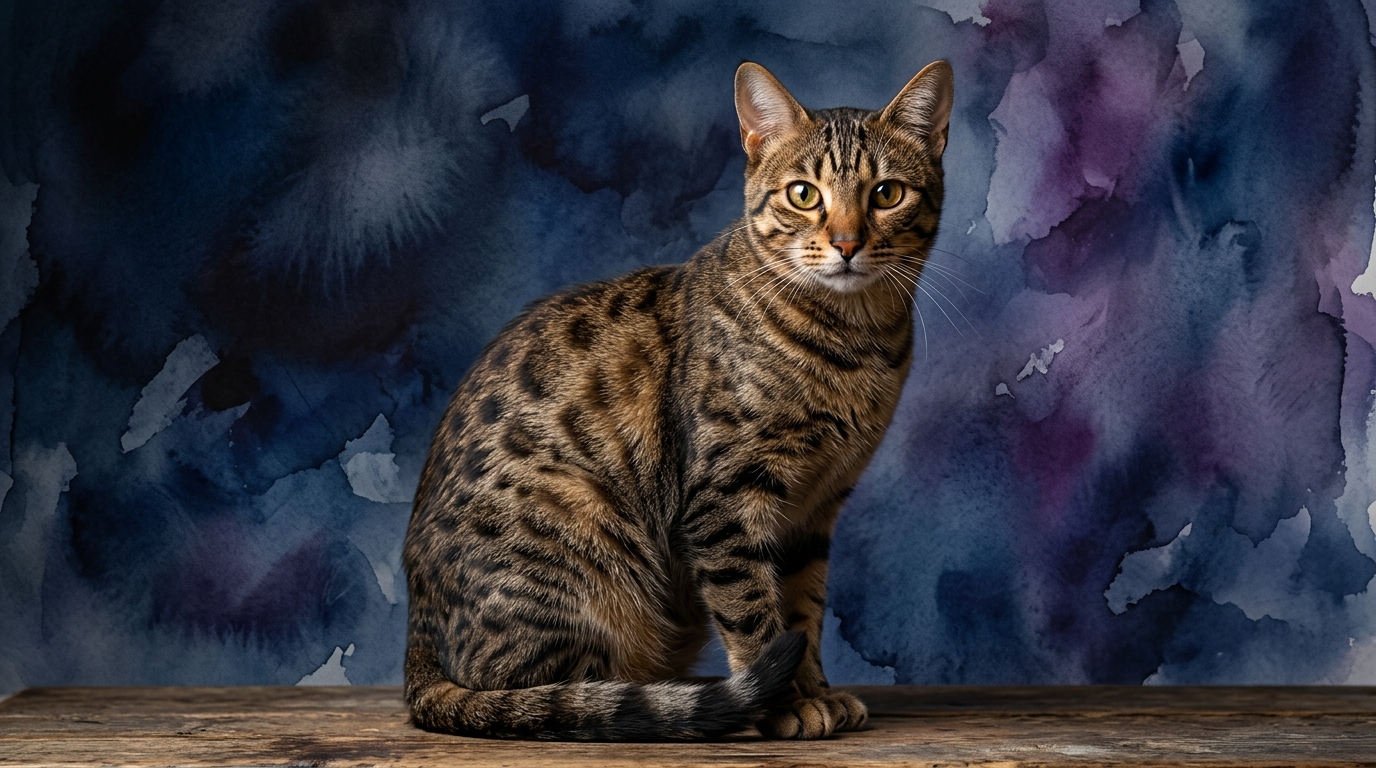
Now, let's consider the **Egyptian Mau**, a sleek, athletic breed:
**Problem Solving (3/5):** Egyptian Maus tackle problems with agility and keen observation, often leveraging their physical prowess. Their problem-solving is quick and interactive, driven by natural curiosity and a desire to explore, allowing them to rapidly assess and manipulate their environment.
**Training Speed (3/5):** Training a Mau benefits from engaging their playful and energetic spirit. They learn effectively when sessions are short, fun, and incorporate movement, though their independent streak means consistency and high-value rewards are crucial for maintaining focus.
**Social Intelligence (3/5):** Maus form deep, devoted bonds with their chosen family, communicating through unique vocalizations and expressive body language. While affectionate, they can be reserved with strangers, taking time to assess new social dynamics before fully engaging.
**Instinctive Drive (3/5):** A prominent aspect of their personality, the Mau's strong prey drive fuels their enjoyment of active play like chasing and pouncing. Their natural athleticism and speed make them adept at simulated hunting, requiring regular outlets for this innate behavior.
**Memory (3/5):** Egyptian Maus possess a clear memory for routines, favored play items, and bonded individuals. They recall learned commands and quickly anticipate daily events, aiding their confident navigation of home environments and contributing to their alert demeanor.
Where the Himalayan Excels Cognitively
Despite identical scores, the Himalayan's cognitive strengths manifest in their consistent, deep social engagement. Their placid temperament allows their 3/5 social intelligence to shine through as sustained, gentle companionship, making them exceptionally attuned to human emotions and subtle cues. This steady emotional receptiveness, coupled with their reliable 3/5 memory for positive interactions and routines, fosters a quiet, supportive cognitive presence.
They excel in environments where their calm demeanor encourages observational learning and thoughtful processing over rapid, impulsive responses. Their problem-solving, while not always fast, benefits from a patient, methodical approach, allowing them to eventually master tasks through consistent effort and a desire for a predictable outcome.
Where the Egyptian Mau Excels Cognitively
The Egyptian Mau's cognitive edge, while also rated 3/5, lies in their agile application of problem-solving and keen environmental awareness. Their 3/5 problem-solving is frequently expressed through quick physical and mental adaptability, allowing them to navigate complex spaces or manipulate objects with speed and precision. This rapid processing, combined with their strong 3/5 instinctive drive, means they are often quicker to react to novel stimuli and more adept at leveraging physical prowess to achieve goals, such as reaching a high shelf or figuring out how to open a cupboard.
Their cognitive engagement is often more outwardly expressed through their physical exploration and interactive engagement with their surroundings. Their memory supports their confident exploration, allowing them to recall successful strategies and preferred pathways quickly, making them efficient learners in dynamic environments.
Training: Similar Speed, Different Approaches
Both the Himalayan and the Egyptian Mau share a 3/5 training speed, indicating a moderate ability to learn and retain commands. However, the *approach* to training differs significantly due to their distinct behavioral nuances. The Himalayan, with its more placid and affectionate nature, often responds best to calm, routine-based training sessions focused on positive reinforcement and gentle encouragement. Their desire for companionship and comfort can be leveraged; they are less likely to challenge an established routine once they understand it, making them amenable to consistent, patient instruction.
Conversely, the Egyptian Mau, while equally capable of learning, requires a more engaging and stimulating training environment. Their energetic and independent spirit means that short, game-like sessions incorporating movement, puzzle toys, and high-value rewards are most effective. They can become bored or distracted if training is too monotonous, so trainers must be creative and keep them mentally and physically stimulated. While both breeds achieve similar learning outcomes, the Mau demands a more dynamic and interactive training partner to maintain their focus and enthusiasm.
Owners: Active vs. Relaxed Lifestyles
For the relaxed owner seeking a tranquil companion, the Himalayan is often the preferred choice. Their moderate 3/5 instinctive drive and generally calm demeanor mean they are content with a less demanding daily schedule, enjoying long naps in sunny spots and quiet cuddles. They appreciate a stable, predictable environment and do not typically require extensive interactive play sessions to remain content. Their social intelligence, at 3/5, allows them to be affectionate without being overly demanding, fitting seamlessly into a serene household rhythm.
Active owners, or those who enjoy interactive play and mental stimulation with their pets, will find the Egyptian Mau a more fitting companion. Their strong 3/5 instinctive drive and natural athleticism demand regular outlets for their energy, including chasing laser pointers, feather wands, or pouncing on toys. They thrive on interactive playtime and appreciate owners who can engage them in mentally stimulating activities like puzzle feeders. Their social intelligence, while also 3/5, leans towards a more demonstrative, engaged form of affection and play, making them a vibrant addition to a bustling, active home.
The Verdict
Choose the Himalayan if you seek a serene, devoted companion who thrives on gentle affection and a predictable, calm home environment, appreciating their steady presence and quiet emotional depth.
Opt for the Egyptian Mau if you desire an athletic, engaging companion who thrives on interactive play, mental challenges, and an owner willing to match their energetic and curious spirit.
🧠 Find Your Pet's IQ Score
Our Pet IQ Lab assessment covers 25+ tests across 5 cognitive dimensions — personalized to your breed.
Take the Full IQ Test →Frequently Asked Questions
Do Himalayans and Egyptian Maus learn tricks at the same rate?
While both breeds share a 3/5 training speed, implying a similar capacity for learning, their personalities dictate different training approaches. Himalayans respond well to calm, consistent, reward-based training, whereas Egyptian Maus thrive with engaging, game-like sessions that appeal to their energetic and curious nature.
Which breed is better at solving puzzle toys, given their identical problem-solving scores?
Both breeds score 3/5 in problem-solving, but their methods differ; Himalayans tend to be more deliberate and persistent, while Egyptian Maus often apply agility and quick observation. The 'better' one depends on the puzzle type – a Mau might excel at quick manipulation, while a Himalayan might patiently work through a more complex, less physically demanding challenge.
How does their social intelligence manifest similarly and differently with a 3/5 score?
Both breeds exhibit a 3/5 social intelligence, meaning they form strong bonds and read human cues. Himalayans tend to express this through quiet, consistent affection and emotional attunement, while Egyptian Maus often show deep devotion with more demonstrative communication, such as unique vocalizations and engaging in interactive play.