Side-by-Side IQ Profile: Deconstructing Identical Scores
The Ibizan Hound and Coton de Tuléar both register a 3/5 score across five key intelligence dimensions: Problem Solving, Training Speed, Social Intelligence, Instinctive Drive, and Memory. This numerical equivalence might suggest identical cognitive capabilities, but a closer look reveals how these average scores are uniquely expressed through their distinct breed temperaments and historical roles. Understanding these nuances is crucial for appreciating their individual cognitive landscapes.
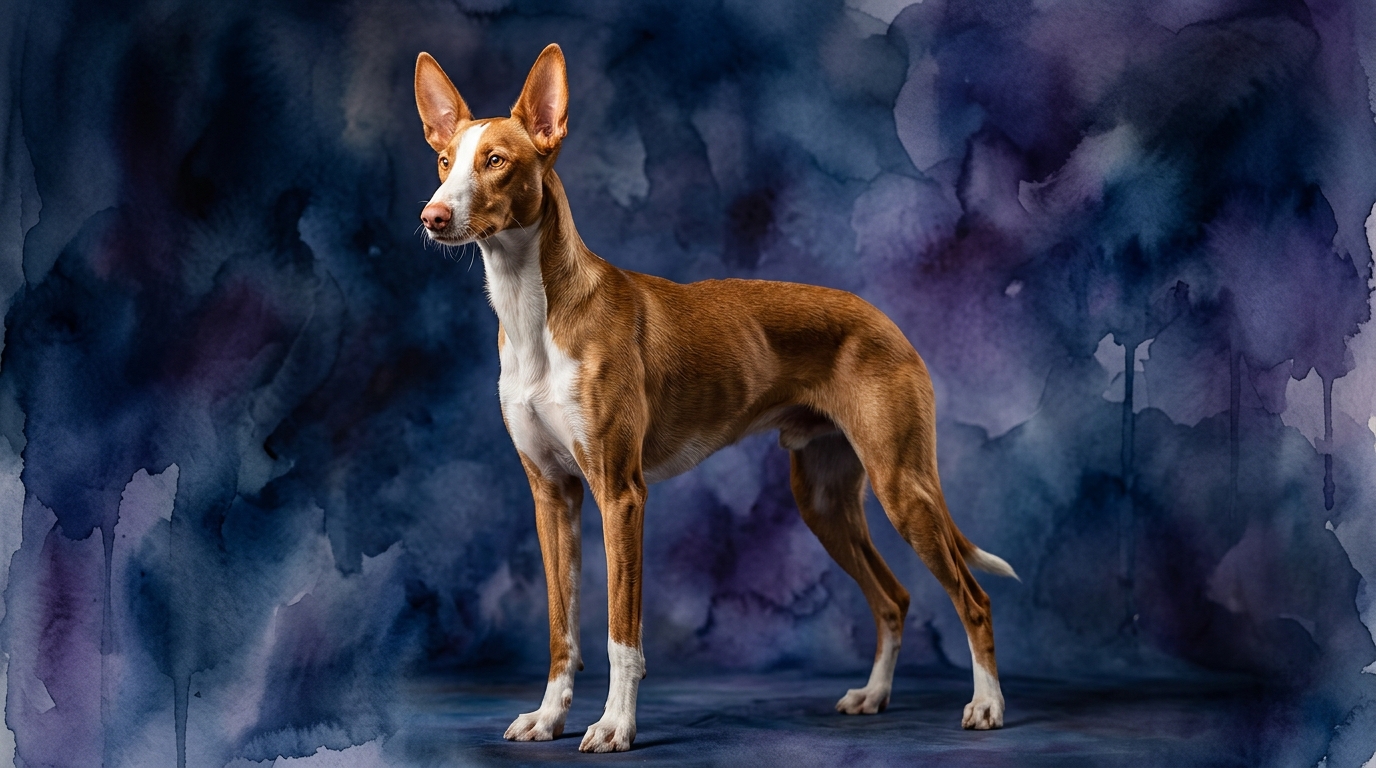
For the Ibizan Hound, a sighthound with a Coren rank of #53, its 3/5 profile is colored by its independent hunting heritage. Problem Solving at 3/5 manifests in strategic prey pursuit, navigating varied terrains, or finding clever ways around obstacles in the field. Training Speed at 3/5 reflects an average learning pace often influenced by its independent nature and inherent distractibility towards visual stimuli. Social Intelligence at 3/5 means they bond deeply with their chosen family, reading familiar cues well, but can be reserved with strangers. Its 3/5 Instinctive Drive is a strong, compelling urge for chasing and hunting. Finally, Memory at 3/5 supports recalling hunting patterns, routes, and learned commands with average proficiency.
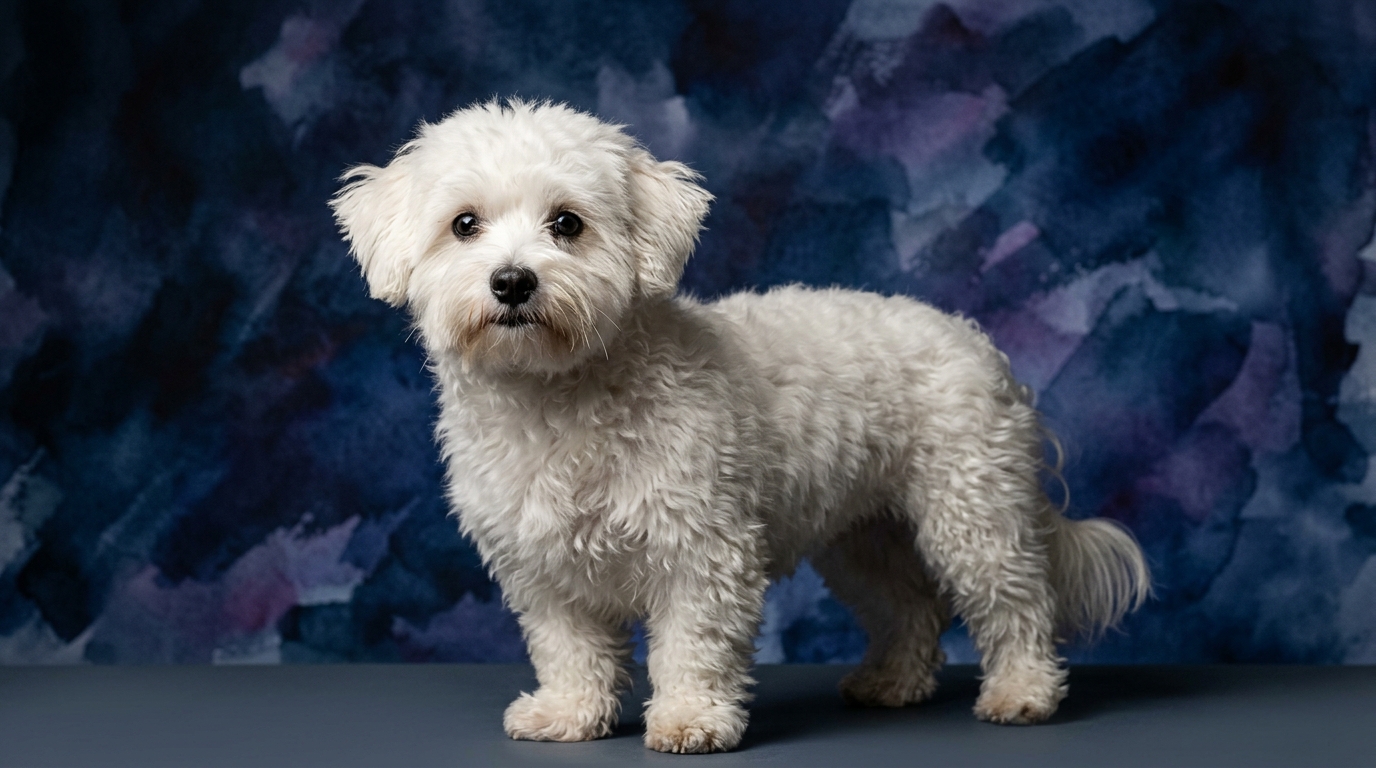
The Coton de Tuléar, an unranked companion breed, applies its 3/5 scores differently within a domestic context. Its Problem Solving (3/5) often involves figuring out household puzzles, like retrieving a toy from a tight spot or manipulating an owner for attention. Training Speed (3/5) indicates an average learning rate, but their eagerness to please and focus on human interaction can make training feel more responsive. Social Intelligence (3/5) is a cornerstone, allowing them to excel at reading human emotions, adapting to routines, and forming profound family bonds. Their 3/5 Instinctive Drive is channeled into play, interaction, and seeking comfort, rather than hunting. Memory (3/5) helps them retain routines, training cues, and strong attachments to their people.
Where the Ibizan Hound Wins Cognitively
While both breeds share similar numerical IQ ratings, the Ibizan Hound's cognitive strengths truly shine in environments demanding independent action and acute sensory processing, hallmarks of its sighthound lineage. Their inherent traits lend themselves to specific forms of brilliance that differ significantly from a companion breed.
The Ibizan's 3/5 Instinctive Drive isn't just a general urge; it's a finely tuned system for detecting and reacting to movement over long distances. This translates into unparalleled environmental awareness, allowing them to process fleeting visual stimuli and make split-second decisions for pursuit. Their Problem Solving (3/5) is uniquely geared towards dynamic, real-time tactical thinking in open spaces, such as outmaneuvering quarry or navigating complex outdoor terrain. This practical, self-reliant intellect gives them an edge in tasks demanding autonomy and mastery over their physical surroundings.
Where the Coton de Tuléar Wins Cognitively
The Coton de Tuléar's cognitive prowess, though numerically equivalent to the Ibizan, is distinctly focused on the intricacies of social interaction and domestic harmony. Their strengths are rooted in their role as devoted companions, where understanding and adapting to human cues are paramount.
Their 3/5 Social Intelligence is particularly refined, enabling them to read human emotions, anticipate needs, and adapt seamlessly to household routines with remarkable sensitivity. This allows them to skillfully employ attention-seeking behaviors or offer comfort, demonstrating a nuanced understanding of interpersonal dynamics. Paired with a 3/5 Problem Solving ability, Cotons excel at domestic challenges, such as figuring out how to retrieve a desired item or cleverly "training" their owners through charming antics to achieve a goal. This combination makes them exceptionally attuned and responsive family members.
Which is Easier to Train and Why
Despite identical 3/5 scores for Training Speed, the Coton de Tuléar typically presents a more straightforward training experience for the average owner, largely due to fundamental differences in motivation and focus. This distinction is crucial when considering daily obedience and household manners.
The Coton's strong Social Intelligence and inherent desire to please their human companions make them highly receptive to positive reinforcement. They thrive on interaction and praise, often eager to perform tasks that strengthen their bond with their owner. Their focus during training tends to be on the person giving commands, reducing environmental distractions. In contrast, the Ibizan Hound's independent nature and powerful Instinctive Drive mean they are easily diverted by visual stimuli. A distant movement can instantly override a command, requiring a more patient, consistent, and creative training approach that acknowledges and channels their sighthound instincts rather than trying to suppress them.
Which Suits Active Owners vs Relaxed Owners
The choice between an Ibizan Hound and a Coton de Tuléar significantly hinges on an owner's lifestyle, particularly their capacity for physical activity and desire for canine companionship. Their distinct cognitive profiles align with vastly different daily routines.
The Ibizan Hound is an ideal match for active, experienced owners who can provide ample opportunities for vigorous physical exertion. Their robust Instinctive Drive and stamina demand daily outlets for running, ideally in securely fenced areas or through activities like lure coursing. They are independent explorers who thrive when given space to utilize their keen senses and problem-solving skills in an outdoor environment. This breed requires an owner committed to fulfilling their profound need for physical and mental engagement, often maintaining a dignified independence even within the family.
Conversely, the Coton de Tuléar is better suited for more relaxed households that prioritize close companionship. Their exceptional Social Intelligence means they flourish when integrated into daily family life, enjoying moderate exercise like walks and indoor play. While not sedentary, their primary need is for consistent human interaction and affection. They adapt well to various living situations, including apartments, provided they receive regular attention, mental stimulation through training or puzzle toys, and are kept close to their human companions.
The Verdict
Choose the Ibizan Hound if you are an active, experienced owner prepared to engage with a dog whose independence and profound sighthound instincts require dedicated outlets for physical and mental stimulation.
Opt for the Coton de Tuléar if you desire a highly social, adaptable companion dog eager to participate in family life, thriving on consistent interaction and moderate activity within a home setting.
🧠 Find Your Pet's IQ Score
Our Pet IQ Lab assessment covers 25+ tests across 5 cognitive dimensions — personalized to your breed.
Take the Full IQ Test →Frequently Asked Questions
Do identical IQ scores mean these breeds are equally "smart"?
Identical IQ scores of 3/5 indicate both breeds possess average cognitive capabilities across the measured dimensions. However, the application and manifestation of these scores differ greatly due to their distinct breed functions, leading to different strengths in real-world scenarios.
Can a Coton de Tuléar participate in dog sports like lure coursing?
While Cotons can enjoy various dog sports, their physical build and temperament are not typically suited for high-speed, prey-driven activities like lure coursing, which is a natural fit for the Ibizan Hound's sighthound instincts. They might excel in agility or obedience.
How does the Coren ranking affect this comparison?
The Ibizan Hound's Coren rank of #53 places it in the "average working/obedience intelligence" category, reflecting its capacity for learning commands. The Coton de Tuléar is unranked, suggesting its primary role isn't traditional working intelligence but rather its exceptional companionability and social aptitude.