Side-by-Side Cognitive Profiles
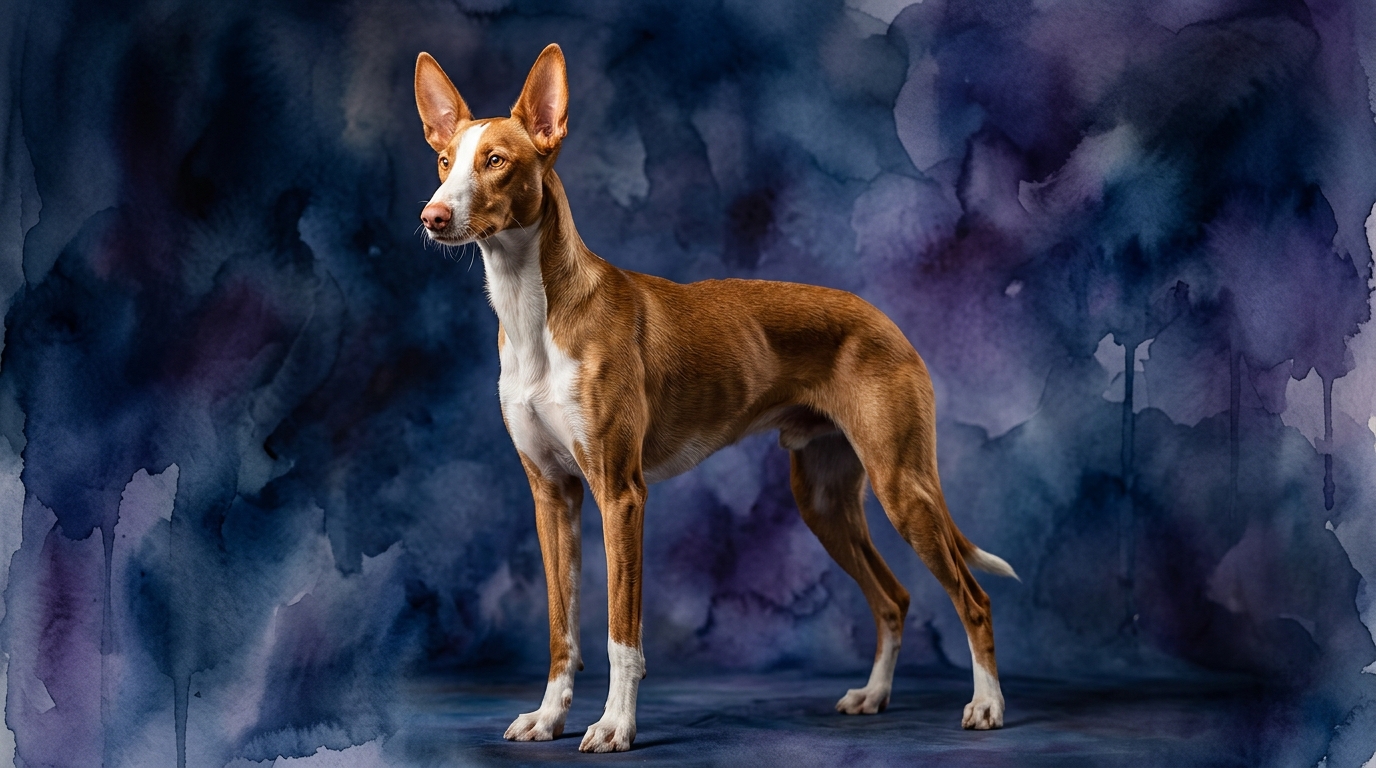
**Ibizan Hound (Coren Rank #53)**: This elegant sighthound, historically tasked with hunting rabbits and other small game, demonstrates a nuanced set of cognitive abilities rated 3/5 across the board. Their **Problem Solving (3/5)** often manifests as resourceful independence; they excel at figuring out how to outmaneuver prey or, famously, how to open gates and escape enclosures, rather than solving complex human-designed puzzles. **Training Speed (3/5)** for an Ibizan is contingent on motivation; they can learn quickly when the task aligns with their instincts or offers a clear reward, but their independent nature means they may not prioritize human directives. **Social Intelligence (3/5)** sees them forming deep, affectionate bonds with their chosen family, reading their emotions, yet they can be reserved or aloof with strangers, valuing their personal space. Their **Instinctive Drive (3/5)** is powerfully geared towards sight-hunting, making them incredibly focused on moving objects and smells, a drive that shapes much of their decision-making. Finally, their **Memory (3/5)** is robust for remembering hunting grounds, escape routes, and the routines of their household, retaining both positive and negative experiences with impressive clarity.
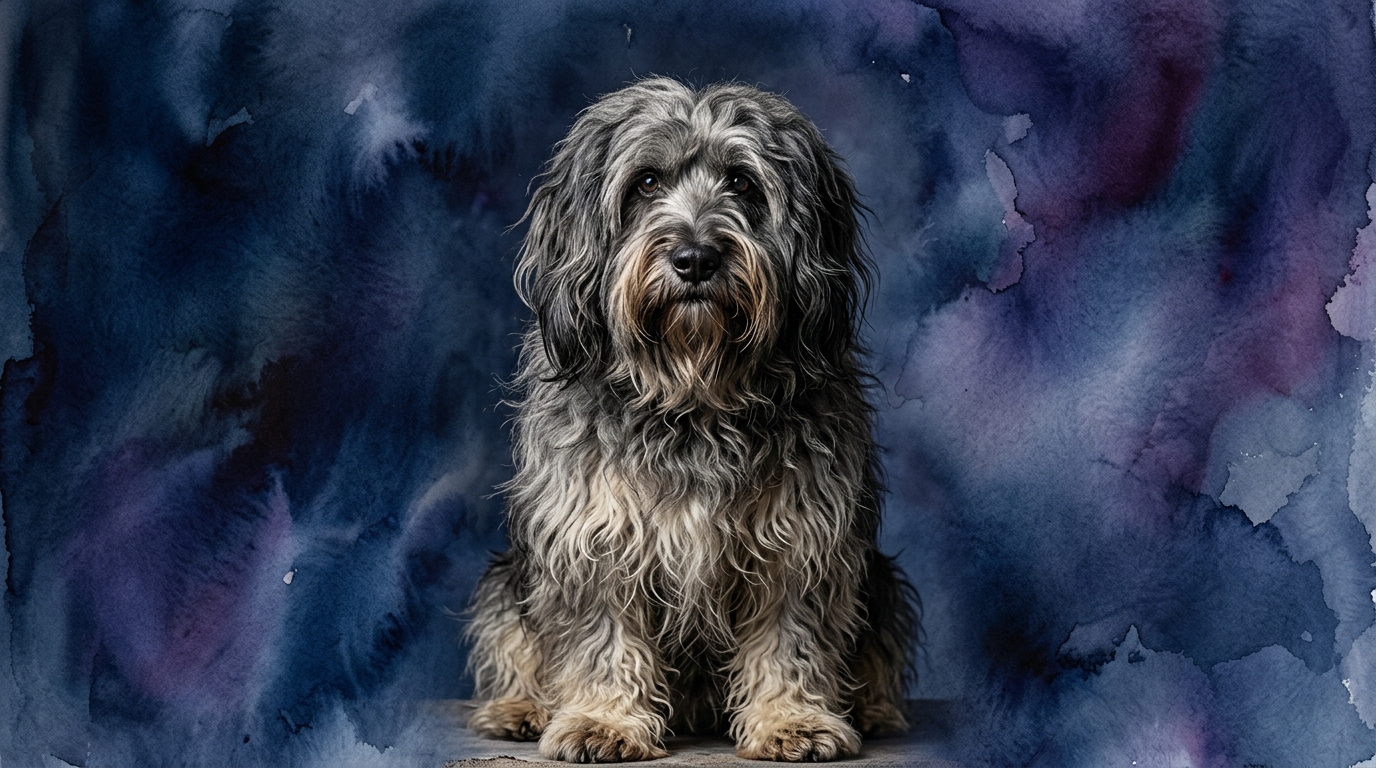
**Polish Lowland Sheepdog (Not Coren-ranked)**: The PON, a robust herding breed from Poland, also scores 3/5 in all five cognitive dimensions, but their application of these skills is distinctly different due to their historical role as livestock guardians and drovers. Their **Problem Solving (3/5)** shines in their ability to anticipate flock movements, strategize to keep animals together, and adapt quickly to changing environmental conditions on the pasture. This translates into understanding complex sequences and adapting to novel situations. **Training Speed (3/5)** for the PON is generally responsive; they are eager to engage in tasks and learn new commands, particularly when they perceive a “job” to be done, though they can also be opinionated and test boundaries if not given clear, consistent direction. **Social Intelligence (3/5)** is a hallmark of the breed; they are deeply attuned to their handler's moods and intentions, forming close partnerships, and possess a strong protective instinct towards their family, often being wary of outsiders. Their **Instinctive Drive (3/5)** is primarily focused on herding, manifesting as a strong desire to gather and manage, which can extend to family members or other pets. Their **Memory (3/5)** is exceptional for retaining a vast repertoire of commands, routines, and the layout of their territory, allowing them to perform complex tasks and remember specific interactions over time.
Where the Ibizan Hound Wins Cognitively
The Ibizan Hound's cognitive strengths are deeply rooted in its sighthound heritage, offering unique advantages. Their independent problem-solving (3/5), while not always focused on pleasing a human, grants them an exceptional ability to navigate and manipulate their environment for their own goals. This means they are often adept at figuring out how to bypass obstacles, open latches, or find creative solutions to reach a desired object or location, demonstrating a distinct ingenuity when self-motivated. This form of cognitive flexibility allows them to adapt quickly to new physical spaces and challenges, relying on their keen senses and quick thinking rather than waiting for human instruction. Furthermore, their memory (3/5) for spatial layouts and successful strategies for obtaining rewards or escaping confinement is particularly strong, making them masters of environmental mastery. This independence, coupled with their sharp observational skills, means they often grasp the “why” behind an action from their perspective, even if that “why” isn't what their owner intended. They demonstrate a specialized form of practical intelligence, prioritizing efficiency and outcome in their pursuits, often with minimal human prompting. This self-reliance, honed over centuries of solitary hunting, distinguishes their cognitive approach.
Where the Polish Lowland Sheepdog Wins Cognitively
The Polish Lowland Sheepdog excels in cognitive domains that reflect its historical role as a collaborative worker and guardian. Their social intelligence (3/5) is particularly pronounced, allowing them to form intricate communication patterns with their handlers. They are masters at reading subtle human cues, understanding emotional states, and adjusting their behavior to maintain harmony within their “flock” (family). This makes them highly empathetic and responsive partners, capable of intricate interactions that go beyond simple command-response. Their problem-solving (3/5) is geared towards complex, multi-step tasks, especially those involving monitoring and managing dynamic situations, such as herding. This often translates into an impressive ability to learn and execute long sequences of commands, demonstrating foresight and planning in their actions. The PON's memory (3/5) is also a significant asset in this context, allowing them to recall a wide array of commands, individual behaviors of “flock” members, and territorial boundaries. This robust recall supports consistent, reliable work and their protective instincts. Their instinctive drive (3/5) to herd and protect is channeled into focused, purposeful activity, making them exceptionally good at understanding and performing structured “jobs” that require sustained attention and strategic thinking.
Which is Easier to Train and Why
When considering ease of training, the Polish Lowland Sheepdog generally presents a more straightforward path for the average owner compared to the Ibizan Hound. The PON's herding heritage instills a strong desire to work in partnership and a willingness to accept direction from a leader, reflected in their responsive training speed (3/5). They thrive on having a “job” and a clear purpose, making them eager participants in structured training sessions. Their social intelligence (3/5) allows them to quickly interpret human intentions and cues, and their memory (3/5) helps them retain a wide array of commands consistently. While they can be opinionated, their motivation stems from a desire for engagement and a need for mental stimulation, which can be channeled into positive training. In contrast, the Ibizan Hound's training speed (3/5) is often tempered by its independent sighthound nature. Their primary motivation is often self-directed, driven by their powerful instinctive drive (3/5) to chase and explore. While perfectly capable of learning, an Ibizan may choose to “opt-out” of a command if it perceives a more compelling alternative (like a squirrel) or if the reward isn't sufficiently enticing. This means training requires immense patience, creativity, and a deep understanding of what truly motivates an Ibizan, often relying on high-value rewards and making training feel like a game rather than a chore. Their problem-solving (3/5) can sometimes work against the trainer, as they might figure out ways to avoid compliance or outsmart the handler. While both score 3/5 in training speed, the PON's inherent desire for partnership makes them generally more amenable to conventional training.
Which Suits Active Owners vs. Relaxed Owners
Both the Ibizan Hound and the Polish Lowland Sheepdog require active engagement, but their ideal owner profiles diverge significantly. The Ibizan Hound is best suited for an active owner who understands and appreciates a sighthound's unique needs for bursts of intense exercise and mental stimulation centered around their prey drive. These dogs need secure, large areas where they can gallop freely, fulfilling their instinctive drive (3/5). A relaxed owner might struggle with an Ibizan's need for physical outlets and their independent problem-solving (3/5) that can lead to escape attempts if bored or under-exercised. They are not content with short walks; they require opportunities to run and explore. Their social intelligence (3/5) means they thrive on close family bonds but do not necessarily require constant, direct interaction, being content to lounge after a good run. The Polish Lowland Sheepdog also requires an active owner, but one who can provide consistent mental and physical challenges that tap into their herding instincts and problem-solving (3/5). They excel in dog sports like agility, obedience, and herding trials. A relaxed owner might find the PON's persistent need for a “job” and their strong instinctive drive (3/5) to manage their environment overwhelming, potentially leading to undesirable behaviors like herding children or furniture if not properly directed. Their social intelligence (3/5) means they crave interaction and partnership, making them less suitable for owners who prefer a more hands-off approach. While both demand activity, the Ibizan needs space and understanding of its independent spirit, whereas the PON needs structured activities and consistent leadership.
The Verdict
Choose an Ibizan Hound if you are an experienced, active owner who appreciates an independent spirit, values a dog that thinks for itself, and can provide secure spaces for bursts of high-speed exercise.
Opt for a Polish Lowland Sheepdog if you seek a highly engaged partner for dog sports or working roles, are prepared for consistent training, and enjoy a dog that thrives on collaborative tasks and strong family bonds.
🧠 Find Your Pet's IQ Score
Our Pet IQ Lab assessment covers 25+ tests across 5 cognitive dimensions — personalized to your breed.
Take the Full IQ Test →Frequently Asked Questions
Do Ibizan Hounds get along with other pets?
Ibizan Hounds possess a strong prey drive due to their hunting heritage, meaning they may not be suitable for homes with small, fast-moving pets like cats, rabbits, or guinea pigs unless raised with them from puppyhood. With proper introductions and supervision, they can often coexist peacefully with other dogs.
Are Polish Lowland Sheepdogs good family dogs?
Yes, Polish Lowland Sheepdogs can be excellent family dogs, forming strong, protective bonds with their human “flock” and demonstrating high social intelligence. They thrive on being part of family activities but require consistent socialization and training to manage their natural herding instincts and wariness of strangers.
How much exercise do these breeds need daily?
Both breeds require substantial daily exercise, but in different forms. An Ibizan Hound needs opportunities for off-leash running in a securely fenced area for at least 30-60 minutes, alongside regular walks. A Polish Lowland Sheepdog benefits from 60-90 minutes of vigorous activity, including structured walks, playtime, and mental challenges like training sessions or dog sports.