Side-by-Side IQ Profile: Ibizan Hound vs. Tibetan Terrier
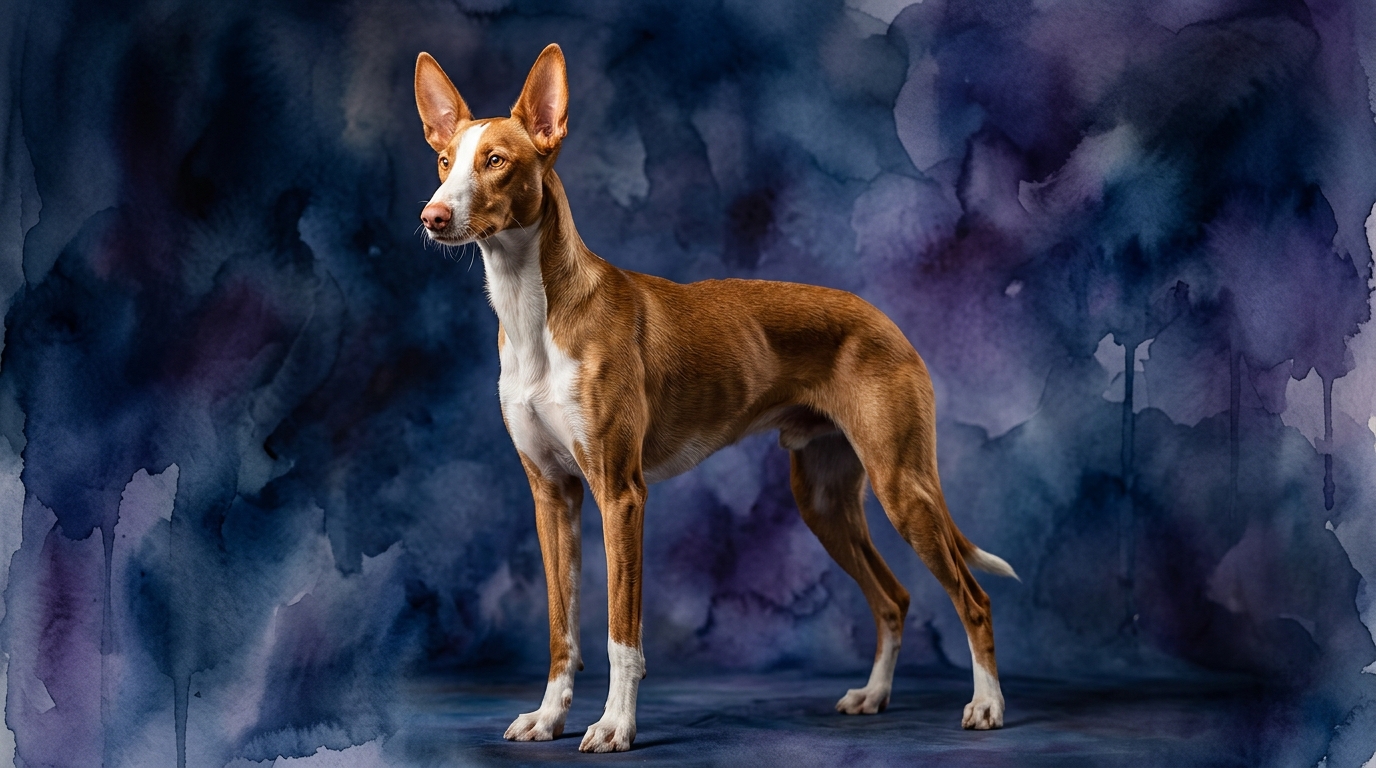
**Ibizan Hound (Hound)**: As a sighthound, the Ibizan Hound's intelligence is deeply rooted in its ancestral purpose. Their **Problem Solving (3/5)** exhibits practical problem-solving, often displaying independent thought in navigating obstacles or strategizing during a chase; their solutions are direct, reflecting their sighthound heritage. While capable of learning quickly, their **Training Speed (3/5)** can be influenced by independence, requiring engaging methods and consistent motivation; they grasp concepts but may choose when to apply them. Ibizans demonstrate moderate **Social Intelligence (3/5)**, forming strong bonds with immediate family, though often reserved with strangers; their interactions are generally clear-cut. Their **Instinctive Drive (3/5)** is pronounced, primarily manifesting as a strong prey drive and desire to run, guiding much of their engagement with the world; this is a powerful motivator. These hounds possess a solid **Memory (3/5)** for routines, commands, and locations, particularly those associated with their hunting instincts or established daily patterns.
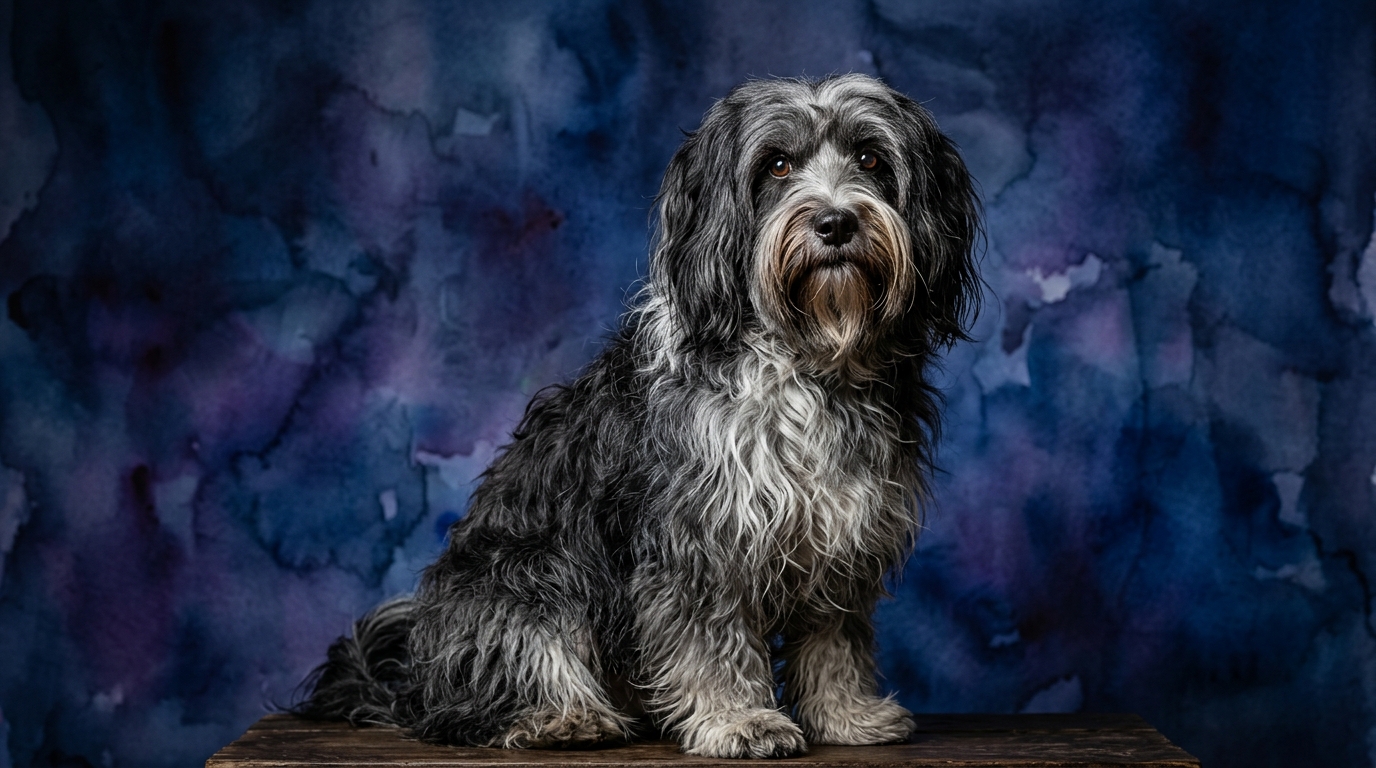
**Tibetan Terrier (Non-Sporting)**: The Tibetan Terrier, originating as a companion and guardian, applies its intellect differently. Their **Problem Solving (3/5)** displays a clever, resourceful approach, particularly in domestic settings to access treats or manipulate situations; their solutions can be imaginative. Tibetan Terriers learn new commands effectively, often demonstrating willingness, though their independent streak means they respond best to positive reinforcement; they pick up quickly but might test boundaries, contributing to their **Training Speed (3/5)**. These dogs possess nuanced **Social Intelligence (3/5)**, adept at reading human emotions and dynamics, often using this understanding to forge deep connections; they are perceptive companions. Their **Instinctive Drive (3/5)** is geared towards companionship, guarding family, and engaging with their environment through exploration and play, rather than a strong prey drive; they exhibit natural curiosity. Tibetan Terriers have a good **Memory (3/5)** for people, places, and learned behaviors, recalling past experiences and interactions with clarity, aiding adaptability and strengthening bonds.
Where the Ibizan Hound Wins Cognitively
The Ibizan Hound, while sharing identical raw IQ scores, truly shines in cognitive areas related to their ancestral purpose as a sighthound. Their problem-solving (3/5) is uniquely tailored for independent action in open spaces, demonstrating an exceptional ability to assess a rapidly changing environment to track and pursue quarry. This isn't about opening a cupboard; it's about making split-second decisions on the fly during a high-speed chase, anticipating prey movements, and navigating complex terrain with agility and precision. Their instinctive drive (3/5) is a finely tuned instrument, manifesting as unparalleled focus and determination when their prey drive is activated, allowing them to sustain effort over long distances. This deep-seated instinct provides a powerful, consistent motivation that can be harnessed in activities like lure coursing, where their memory (3/5) for the course layout and the thrill of the chase combine for peak performance. Their cognitive strengths lie in their capacity for sustained, independent action, making them adept at tasks requiring initiative and self-reliance rather than constant human direction.
Where the Tibetan Terrier Wins Cognitively
Conversely, the Tibetan Terrier's cognitive strengths, despite identical scores, are oriented towards their role as a companion and guardian in varied domestic and social environments. Their problem-solving (3/5) often manifests as ingenious methods for navigating human households, whether it’s figuring out how to get a favorite toy or subtly communicating a desire for attention. This isn't about speed in the field, but rather cleverness in a complex social landscape. Their social intelligence (3/5) is particularly pronounced; they are perceptive observers of human behavior, capable of reading subtle cues and adapting their interactions accordingly, making them highly attuned family members. This allows for more nuanced communication and a deeper emotional connection. Their memory (3/5) excels in recalling social interactions, routines, and the intricate details of their home environment, enabling them to anticipate events and respond appropriately within their social structure. The Tibetan Terrier's cognitive advantages lie in their adaptability, their deep understanding of human social dynamics, and their resourceful approach to domestic life, making them exceptional at integrating into a family unit.
Which is Easier to Train and Why
When considering ease of training, the nuances of their 3/5 training speed become apparent, heavily influenced by their breed groups and inherent motivations. The Ibizan Hound (Coren rank #53), as a sighthound, possesses an independent spirit. While they learn commands quickly, their motivation often stems from self-interest or the thrill of the chase, rather than an innate desire to please. Training an Ibizan requires creativity, patience, and making the training feel like a game or an extension of their natural instincts. Consistency is paramount, and owners must understand that a 'learned' command doesn't always translate to 'executed immediately' if a stronger, more instinctual distraction presents itself. The Tibetan Terrier (Coren rank #63), falling into the Non-Sporting group, generally exhibits a more cooperative demeanor in a domestic setting. While they also possess an independent streak, they are typically more responsive to positive reinforcement and praise. Their social intelligence and desire for companionship often translate into a greater willingness to engage in structured training sessions. Though they might push boundaries or display a stubborn side, their overall amenability makes them marginally 'easier' to train for general obedience and household manners, as their primary motivators align more readily with human expectations.
Which Suits Active Owners vs. Relaxed Owners
The lifestyle compatibility for these breeds diverges significantly, primarily due to their physical and instinctual needs. The Ibizan Hound is an undeniable match for active owners. Their strong instinctive drive (3/5) for running and chasing, coupled with their athletic build, demands considerable daily exercise. They thrive on opportunities to gallop in secure, open spaces, participate in lure coursing, or engage in long, brisk hikes. An owner who enjoys regular, vigorous outdoor activity will find a fulfilling partnership. Conversely, the Tibetan Terrier, while active and playful, is better suited for a blend of activity and relaxed companionship. They enjoy walks and playtime, but do not possess the same intense need for sustained, high-speed exercise. They are content with moderate daily activity supplemented by ample indoor interaction and puzzle toys. This makes them an excellent fit for owners who appreciate regular engagement but also cherish quiet evenings and close companionship.
The Verdict
The Ibizan Hound is ideal for experienced, active owners who value independence, possess a deep understanding of sighthound instincts, and can provide extensive opportunities for physical exertion and engaging, creative training that taps into their natural drives.
The Tibetan Terrier, with its adaptable nature and nuanced social intelligence, is a superb choice for owners seeking a clever, perceptive companion who thrives on social interaction, enjoys moderate activity, and appreciates a dog that integrates seamlessly into family life, responding well to positive, consistent training.
🧠 Find Your Pet's IQ Score
Our Pet IQ Lab assessment covers 25+ tests across 5 cognitive dimensions — personalized to your breed.
Take the Full IQ Test →Frequently Asked Questions
Do Ibizan Hounds or Tibetan Terriers do better in apartments?
The Tibetan Terrier is generally better suited for apartment living, provided they receive regular walks and mental stimulation, as their exercise needs are moderate. Ibizan Hounds, due to their high energy and need for vast running spaces, typically thrive best in homes with large, securely fenced yards or access to safe, open areas.
Are these breeds good with children and other pets?
Both breeds can be good with children and other pets with proper socialization. Ibizan Hounds can be gentle but their strong prey drive means careful introductions are needed with smaller, non-canine pets. Tibetan Terriers are often excellent family dogs, forming strong bonds and generally getting along well with respectful children and other animals.
How do their grooming needs compare?
Their grooming needs differ significantly. Ibizan Hounds have short, low-maintenance coats that require minimal brushing. Tibetan Terriers possess a long, double coat that requires regular, thorough brushing several times a week to prevent mats and tangles, making them higher maintenance in terms of grooming.