Side-by-Side Cognitive Profiles
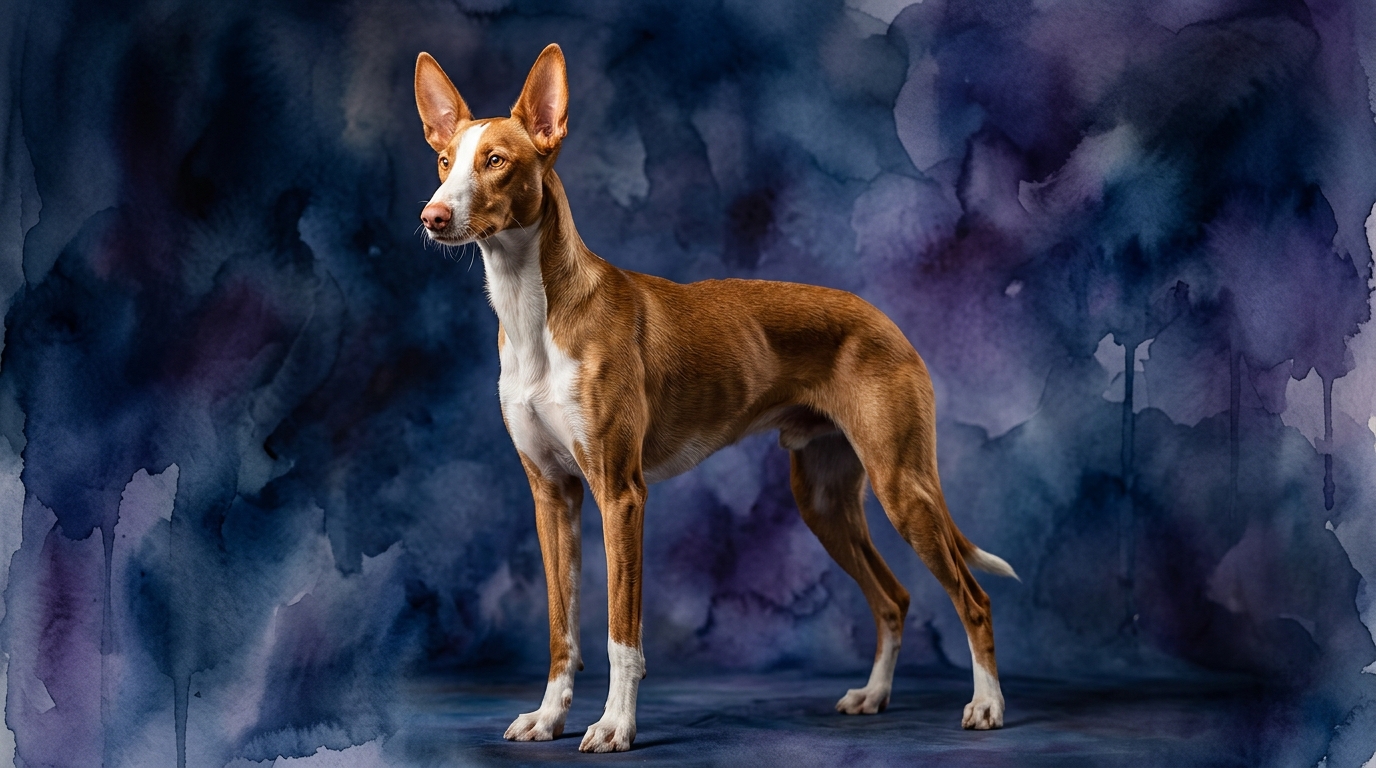
The Ibizan Hound, a sighthound refined for independent hunting in challenging terrain, presents a cognitive profile marked by self-reliance. Its Problem Solving score of 3/5 reflects an ability to navigate complex environments and make autonomous decisions, often prioritizing efficiency in pursuit over human direction. Training Speed, also at 3/5, indicates a moderate pace of learning, where consistency and understanding their independent nature are crucial for success. Social Intelligence, rated 3/5, means they comprehend human cues but may interpret them through the lens of their own motivations rather than an inherent drive to please. Their Instinctive Drive, a robust 3/5, is centered on sight-based hunting and pursuit, a core aspect of their cognitive architecture. Finally, Memory at 3/5 suggests they retain experiences and commands adequately, but perhaps without the intricate detail or rapid recall seen in breeds developed for complex, multi-step tasks.
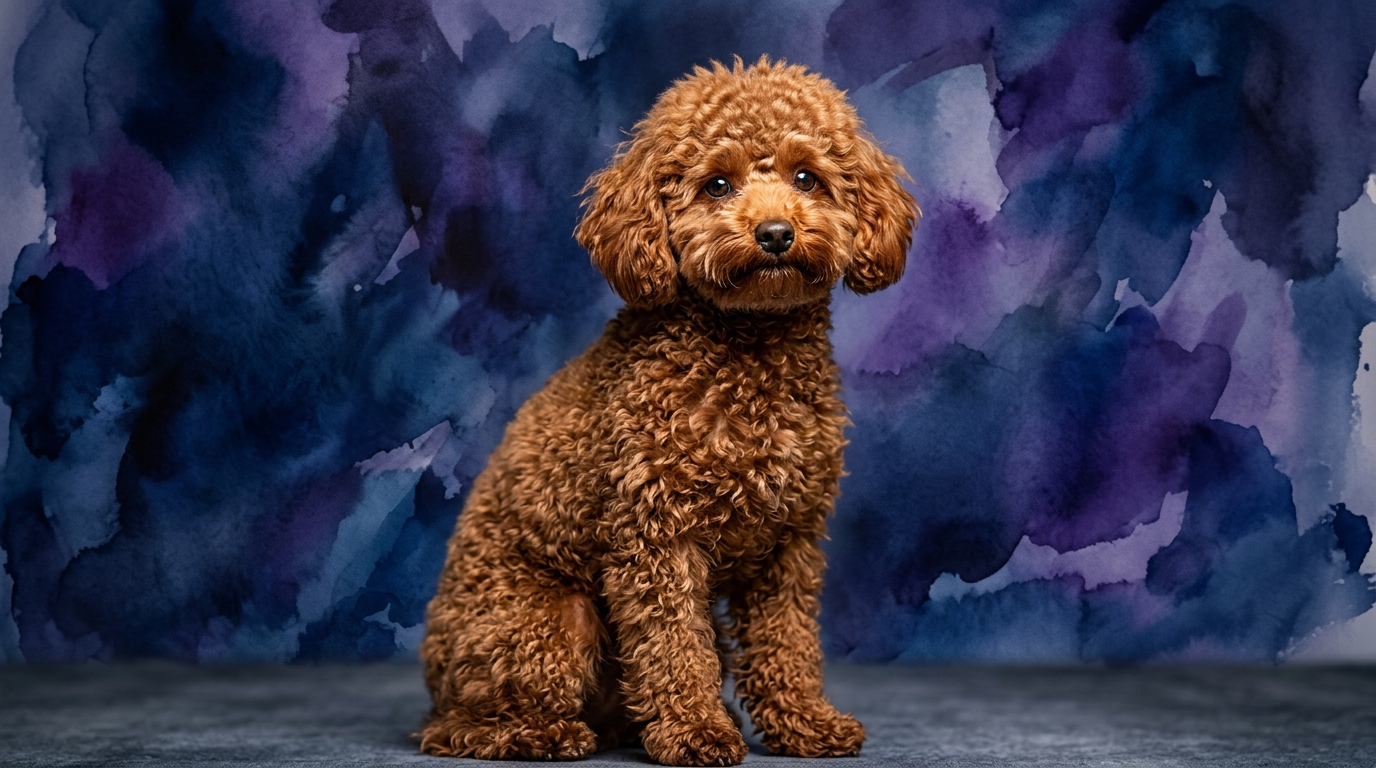
In stark contrast, the Toy Poodle, a companion breed with a working history, exhibits a profile geared towards rapid learning and adaptability. Its Problem Solving score of 5/5 signifies an exceptional capacity to analyze novel situations, devise strategies, and master intricate puzzles. Training Speed, an impressive 5/5, highlights their eagerness and proficiency in acquiring new commands and routines with minimal repetition, making them highly receptive to instruction. Interestingly, their Social Intelligence mirrors the Ibizan Hound at 3/5, indicating an understanding of human emotions and intentions, but perhaps not an overwhelming people-pleasing drive compared to their other cognitive strengths. Instinctive Drive, also 3/5, often manifests as a retrieving instinct from their water dog heritage, or a general curiosity, rather than the intense, independent prey drive of a sighthound. Their Memory, a perfect 5/5, underscores an extraordinary ability to recall complex sequences, routines, and detailed information over long periods.
Where the Ibizan Hound Excels Cognitively
The Ibizan Hound's cognitive strengths lie in its specialized ability for independent action and sustained focus in a specific context. Their 3/5 in Problem Solving, while not a 5/5, is perfectly tuned for their original purpose: tracking and apprehending game without constant human intervention. This manifests as a nuanced understanding of their environment, quickly assessing terrain and potential prey movements, and making split-second decisions based on visual cues. They are masters of autonomous navigation and strategic pursuit, a cognitive feat that requires a unique blend of observational acuity and self-directed execution.
Furthermore, their moderate scores across the board shouldn't be mistaken for a lack of capability; rather, they reflect a balanced, self-sufficient intellect. An Ibizan Hound's memory, though 3/5, is highly effective for remembering hunting grounds, successful strategies, and the layout of their territory. Their instinctive drive, also 3/5, fuels a tireless persistence in the chase, demonstrating a cognitive endurance and single-minded dedication to a task once engaged. This breed's intellect shines brightest when given the freedom to engage with the world on its own terms, relying on its keen senses and independent judgment.
Where the Toy Poodle Excels Cognitively
The Toy Poodle’s cognitive prowess is evident in its exceptional capacity for learning and adaptability, driven by its 5/5 scores in Problem Solving, Training Speed, and Memory. They demonstrate an extraordinary ability to absorb new information rapidly, making intricate connections and applying learned concepts to novel situations. This manifests in their quick mastery of complex trick sequences, advanced obedience commands, and agility courses, where they not only learn the steps but also understand the underlying principles.
Their superior memory allows them to retain vast amounts of information, from specific commands to complex routines, enabling them to perform with precision and consistency. This makes them adept at tasks requiring sequential learning and rapid recall, such as competitive obedience or dog sports that demand intricate patterns and swift execution. The Toy Poodle's cognitive strengths are deeply rooted in their ability to engage with and respond to human instruction, thriving on interactive challenges and mental stimulation that leverages their impressive learning and retention capabilities.
Training Dynamics: Ibizan Hound vs. Toy Poodle
When it comes to ease of training, the Toy Poodle holds a distinct advantage, primarily due to its 5/5 Training Speed and 5/5 Problem Solving. They are inherently eager to engage with their handlers, quickly grasp new concepts, and retain commands with remarkable fidelity. This means fewer repetitions are needed, and they often enjoy the process of learning new things, making them highly responsive to positive reinforcement and consistent instruction. Their behavioral inclination is to work collaboratively, seeking to understand and execute tasks presented by their human companions, which streamlines the training process significantly.
The Ibizan Hound, with its 3/5 Training Speed and strong independent streak (Instinctive Drive 3/5), presents a more nuanced training experience. They are capable learners, but their sighthound heritage means they are often more motivated by their own interests, such as chasing a perceived prey item, than by strict adherence to human commands. Training an Ibizan requires immense patience, creativity, and a deep understanding of their sighthound instincts. Owners must make training highly rewarding and engaging, often incorporating games that tap into their natural drives, to overcome their tendency to make independent decisions, especially when a compelling scent or visual stimulus presents itself. Consistency is paramount, as is ensuring a secure environment where their chase drive can be managed safely.
Matching Canine Intellect to Owner Lifestyles
For active owners, both breeds can be suitable, but their ideal activities diverge significantly. An active owner for an Ibizan Hound is one who understands and can accommodate their profound need for bursts of high-speed running in a secure, expansive environment, such as a fenced yard or a lure coursing track. Their independent nature means they excel at activities that allow them to use their senses and athleticism without constant direct human guidance, making them less suited for activities requiring continuous, precise heel work in distracting environments. Managing their 3/5 Instinctive Drive requires vigilance, as a sudden visual stimulus can trigger an immediate, focused chase response.
Conversely, an active owner for a Toy Poodle is often one who enjoys interactive activities that challenge their 5/5 Problem Solving and Memory. They thrive in dog sports like agility, obedience, rally, or even freestyle, where they can learn complex routines and work closely with their handler. While they enjoy walks and play, their activity needs are less about sheer speed and endurance and more about consistent mental engagement and companionship. For more relaxed owners, the Toy Poodle's adaptability and desire for companionship make them a better fit, provided they still receive daily mental stimulation through puzzle toys, short training sessions, and regular walks. The Ibizan Hound, even after ample exercise, can be calm indoors, but their need for specific, intense physical outlets makes them less ideal for truly sedentary lifestyles, as an unstimulated Ibizan can become restless or destructive, using their problem-solving skills in undesirable ways.
The Verdict
Choose an Ibizan Hound if you value independent thinking, appreciate the unique challenges and rewards of a sighthound, and can provide ample, secure space for their bursts of athletic energy and instinctive drives.
Opt for a Toy Poodle if you seek a highly trainable, intelligent companion eager for interactive learning, thrive on engaging in dog sports or complex training, and appreciate a dog with an exceptional memory and problem-solving aptitude.
🧠 Find Your Pet's IQ Score
Our Pet IQ Lab assessment covers 25+ tests across 5 cognitive dimensions — personalized to your breed.
Take the Full IQ Test →Frequently Asked Questions
Is the Ibizan Hound difficult to train due to its independence?
The Ibizan Hound's 3/5 training speed and strong instinctive drive mean training requires patience and consistency. While not 'difficult' in the sense of being unintelligent, their independent problem-solving and sighthound instincts mean they are often self-motivated rather than purely handler-motivated, requiring engaging, reward-based methods.
How does the Toy Poodle's social intelligence (3/5) compare to its other high scores?
A 3/5 social intelligence indicates the Toy Poodle understands human cues and emotions well, but it might not be their absolute strongest cognitive dimension compared to their stellar 5/5 problem-solving, training speed, and memory. This means they are perceptive companions, but their primary motivation in training often stems from the joy of learning and problem-solving rather than solely people-pleasing.
Are Ibizan Hounds good candidates for dog sports like agility or obedience?
Ibizan Hounds can participate in dog sports, especially those that leverage their speed and agility like lure coursing or fast CAT. While they can learn obedience, their independent nature and 3/5 training speed mean they may not achieve the same rapid precision as a Toy Poodle, often preferring to make their own choices if a more stimulating option arises.