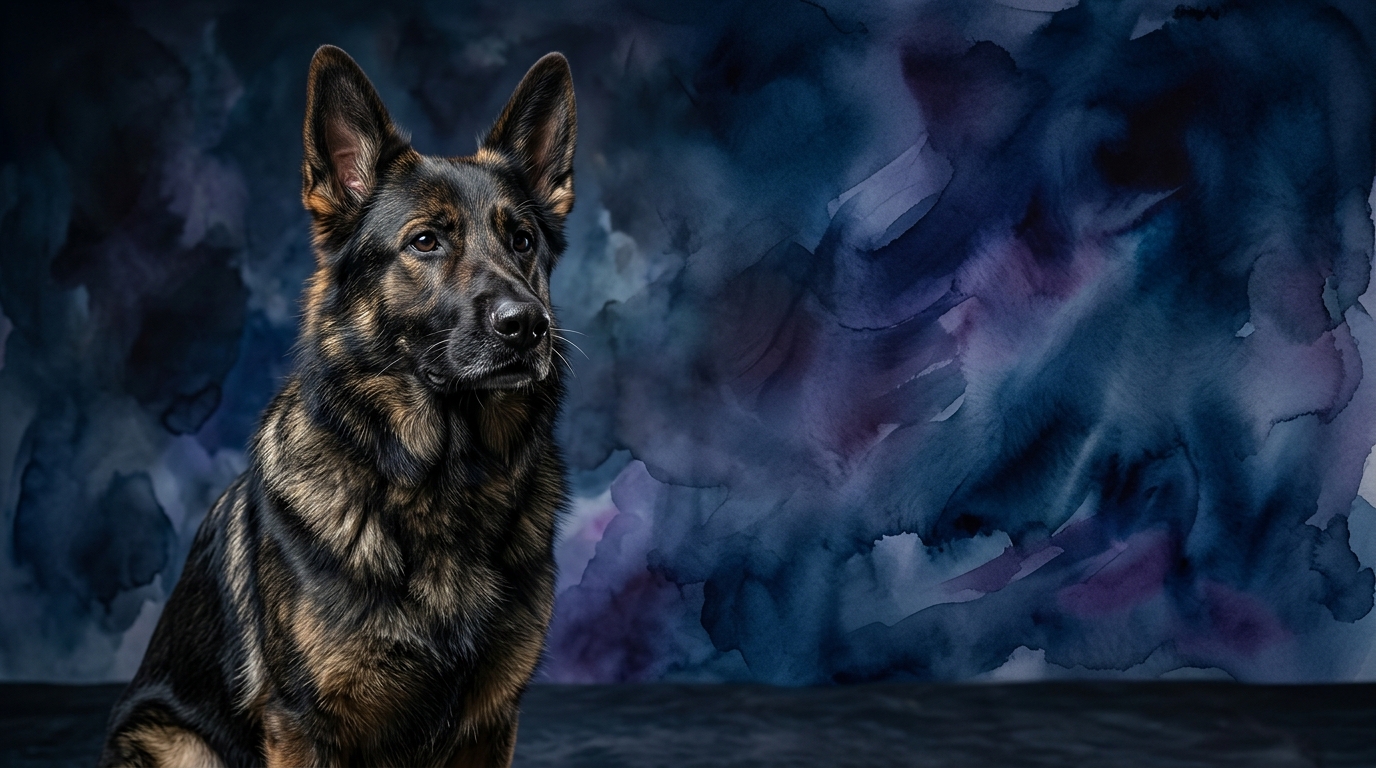
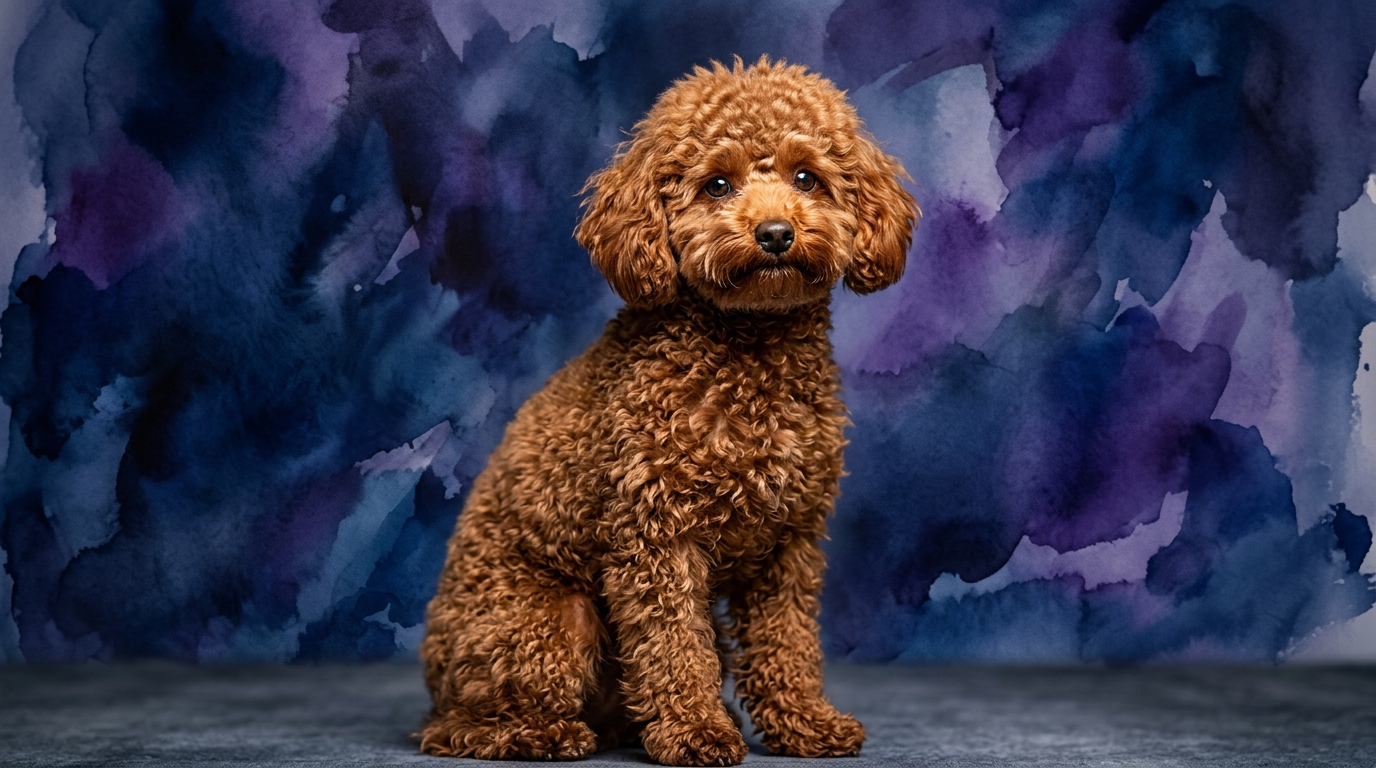
Side-by-Side IQ Profile: German Shepherd vs. Toy Poodle
According to The Cosmic Pet Pet IQ Lab, the German Shepherd, a Herding breed, holds a Coren rank of #3, reflecting its significant capacity for working and obedience. Its cognitive breakdown includes Problem Solving 5/5, indicating exceptional analytical abilities for deciphering complex scenarios and formulating effective solutions, crucial for tasks like tracking or search and rescue. Training Speed is rated 5/5, meaning it absorbs new commands and routines with remarkable rapidity, often requiring fewer repetitions than many other breeds. Social Intelligence scores a perfect 5/5, demonstrating a profound understanding of human communication, intentions, and emotional states, fostering deep working partnerships. Instinctive Drive is also 5/5, signifying a powerful innate compulsion for specific tasks, whether herding, guarding, or retrieving, channeling energy into purposeful action. Finally, Memory is 5/5, allowing it to retain vast amounts of information, from specific commands to environmental details and past experiences, facilitating consistent performance.
The Toy Poodle, a Toy breed, surprisingly boasts an even higher Coren rank of #2, highlighting its exceptional trainability and responsiveness. Its cognitive profile includes Problem Solving 5/5, displaying keen intellectual agility, adept at navigating novel situations and figuring out puzzles, often surprising owners with their cleverness. Training Speed is rated 5/5, meaning it learns new behaviors and sequences with impressive swiftness, making them quick studies in various disciplines. Social Intelligence scores 3/5, showing a moderate understanding of human social cues, capable of forming bonds but perhaps less attuned to subtle emotional shifts or complex collaborative tasks than some breeds. Instinctive Drive is also 3/5, possessing a moderate level of innate drives, which can manifest as playful chasing or retrieving, but generally lacks the intense, single-minded focus seen in highly specialized working breeds. Memory is 5/5, allowing it to hold onto learned information and experiences with enduring clarity, allowing for consistent recall of commands and routines over time.
Where the German Shepherd Excels Cognitively
The German Shepherd's cognitive architecture truly shines in its exceptional social intelligence and powerful instinctive drive, both scoring a perfect 5/5. Their unparalleled social intelligence means they don't just follow commands; they actively interpret human intent, subtle body language, and vocal inflections, forming a profound collaborative bond. This allows them to anticipate needs and make independent decisions within a structured framework, essential for complex roles like service work where a dog might need to alert to a medical event or guide a visually impaired handler through an obstacle. Their instinctive drive, also at 5/5, fuels a relentless pursuit of purpose. This isn't just energy; it's a deep-seated desire to engage in tasks, whether it's the methodical sweep of a detection dog searching for specific scents or the protective vigilance of a guardian. This drive, combined with their understanding of human partners, allows them to sustain focus and perform under pressure, demonstrating a mental fortitude that few breeds can match when faced with a demanding objective. They excel in environments where their cognitive abilities are channeled into meaningful work, translating their mental prowess into tangible, real-world contributions.
Where the Toy Poodle Excels Cognitively
While the German Shepherd excels in collaborative work, the Toy Poodle's cognitive strengths lie in their exceptional adaptability and quick, independent processing, reflected in their remarkable Coren rank of #2. Their 5/5 problem-solving ability allows them to quickly assess new situations and devise solutions, often with a creative flair that belies their small stature. This manifests in their aptitude for learning intricate tricks, navigating complex agility courses with precision, or even figuring out how to open cabinets. Unlike breeds with strong instinctive drives, the Toy Poodle’s moderate 3/5 instinctive drive means they are less predisposed to intense, breed-specific 'jobs,' making their cognitive adaptability their greatest asset. They are quick to learn new rules and routines, regardless of their original purpose, and can thrive in diverse home environments without the same intense need for a 'job' that a high-drive working dog might exhibit. Their 5/5 training speed, unburdened by overwhelming inherent motivations, means they are incredibly receptive to learning a vast array of behaviors, from basic obedience to advanced competitive sports, purely for the joy of engagement and mental stimulation. This translates into a versatile companion whose cognitive agility makes them a delight to teach and live with in a variety of settings.
Training Dynamics: German Shepherd vs. Toy Poodle
Determining which breed is 'easier' to train is nuanced, as both the German Shepherd and the Toy Poodle score a perfect 5/5 in training speed, indicating rapid absorption of new information. However, their underlying behavioral drivers create different training experiences. The German Shepherd's 5/5 social intelligence means they are highly attuned to their handler, eager to form a working partnership and deeply understand expectations. Their 5/5 instinctive drive means they naturally seek purpose and excel when given a 'job' to do, making them incredibly motivated for structured training that fulfills this inherent need. This combination makes them exceptionally responsive to task-oriented training, quickly mastering complex sequences and demonstrating robust recall, but requires a handler who can consistently provide clear direction and meaningful engagement to channel their powerful drives productively. Without proper guidance, their intense drive can manifest as unwanted behaviors.
In contrast, the Toy Poodle's 5/5 training speed, combined with a 3/5 social intelligence and 3/5 instinctive drive, means they learn commands quickly but may approach training with a different mindset. They might be more inclined to learn for the sheer enjoyment of mental activity or reward, rather than the deep collaborative partnership sought by a German Shepherd. Their moderate instinctive drive means they are generally less prone to intense, single-minded focus on a specific task, making them more adaptable to various training methods and less demanding of constant 'work.' This can make them seem 'easier' for owners who prefer a less intense training dynamic, as they are less likely to become frustrated if their strong drives aren't constantly satisfied, though maintaining their engagement still requires creativity and consistency. Ultimately, both learn fast, but the German Shepherd's training success hinges on channeling profound drives, while the Toy Poodle's relies on engaging their adaptable intellect.
Matching Breeds to Owner Lifestyles
When considering owner lifestyles, the German Shepherd unequivocally suits active owners who are prepared for a deep, committed partnership. Their 5/5 instinctive drive demands consistent physical and mental engagement, translating into a need for daily rigorous exercise, structured training sessions, and opportunities to utilize their problem-solving and social intelligence. Owners who enjoy dog sports like agility, obedience, protection work, or even long, challenging hikes will find an unparalleled companion in a German Shepherd. They thrive with a clear purpose and a handler who can provide consistent leadership and mental stimulation, making them ideal for individuals or families dedicated to an active, goal-oriented lifestyle. A more relaxed owner might find themselves overwhelmed by the breed's intrinsic need for activity and mental work, potentially leading to boredom-induced behaviors.
The Toy Poodle, with its 5/5 problem-solving and training speed but moderate 3/5 instinctive drive and social intelligence, offers greater flexibility for both active and moderately relaxed owners. While they certainly benefit from and enjoy mental stimulation through training, games, and walks, their energy levels and inherent drives are generally more manageable than a German Shepherd's. They can adapt well to apartment living with regular walks and indoor play, and will happily engage in competitive obedience or agility if the owner is active, but won't typically become destructive if they miss a day of intense 'work.' Their adaptability makes them a superb choice for owners who appreciate a clever companion for daily activities, but who might not always have the time or inclination for intense, task-oriented engagement every single day. They fit well into a home that values companionship and mental engagement without the demanding 'job' requirement.
The Verdict
Opt for a German Shepherd if you seek a highly engaged, task-oriented partner for demanding activities, valuing deep collaboration and a robust work ethic in a canine companion.
Choose a Toy Poodle if you desire a quick-witted, adaptable companion capable of excelling in various activities, fitting seamlessly into diverse home environments without intense working demands.
🧠 Find Your Pet's IQ Score
Our Pet IQ Lab assessment covers 25+ tests across 5 cognitive dimensions — personalized to your breed.
Take the Full IQ Test →Frequently Asked Questions
Does Coren rank directly correlate with general intelligence?
Coren's ranking primarily assesses "working and obedience intelligence," focusing on trainability and command following. While it's a strong indicator of a dog's ability to learn and respond to human cues, it doesn't fully encompass all facets of canine cognition like problem-solving or social understanding.
Can a Toy Poodle be a good service dog like a German Shepherd?
Toy Poodles possess excellent training speed and problem-solving, making them capable of learning many service tasks. However, their lower instinctive drive and social intelligence (3/5) compared to a German Shepherd (5/5) means they might be less inclined towards the intense, sustained collaborative work and independent decision-making often required in complex service roles.
How do "instinctive drive" differences impact daily life for these breeds?
A German Shepherd's 5/5 instinctive drive means they constantly seek purpose and thrive with structured tasks, potentially becoming bored or destructive if not adequately challenged. A Toy Poodle's 3/5 instinctive drive means they are generally more content with varied engagement, less prone to intense, singular focus, and more adaptable to a relaxed home environment without constant "work."