Side-by-Side Cognitive Profile
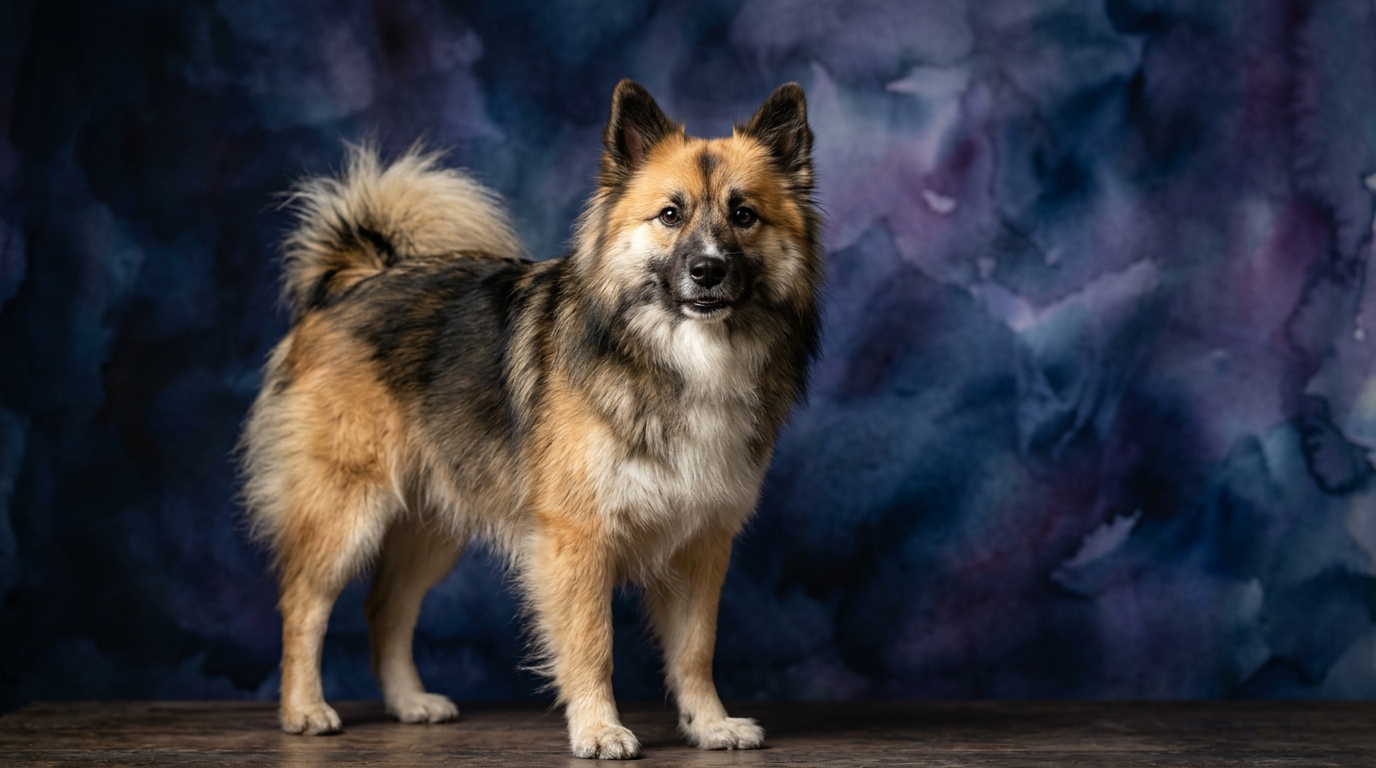
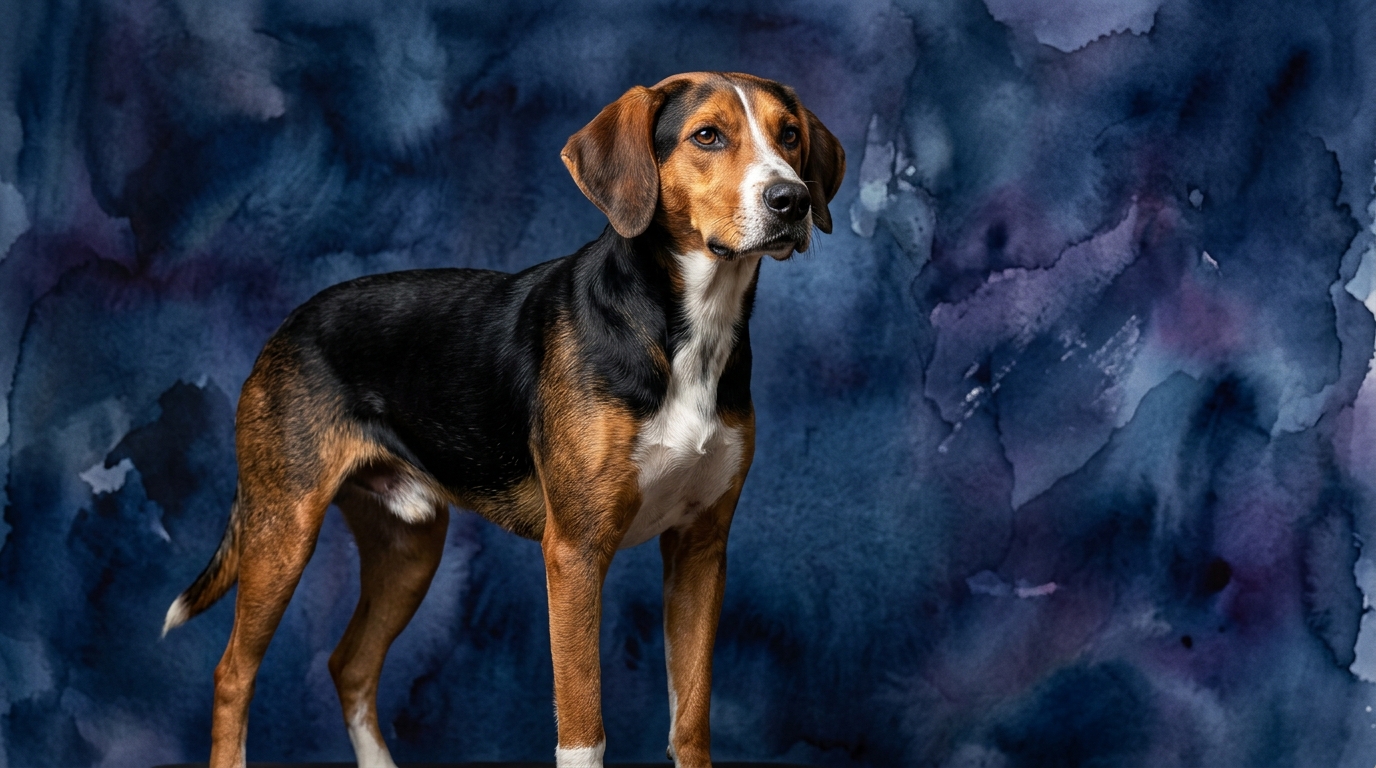
Both the Icelandic Sheepdog and American Foxhound register a 3/5 for problem-solving, yet this manifests differently. The Icelandic Sheepdog typically applies this capacity to dynamic situations like navigating varied terrain to gather livestock or figuring out how to retrieve a straying lamb. Their solutions often involve adaptability and quick assessment of changing environmental factors. In contrast, the American Foxhound's 3/5 in problem-solving shines in its relentless pursuit of a scent trail, deciphering complex olfactory puzzles, and finding the most efficient path through dense cover. Their problem-solving is largely focused on a singular, persistent objective: the hunt.
A 3/5 rating in training speed suggests both breeds learn at a moderate pace. For the Icelandic Sheepdog, this means they typically absorb commands related to herding tasks or cooperative work with a willingness to engage, often motivated by handler praise and interactive engagement. They generally respond well to consistent positive reinforcement. The American Foxhound, while capable of learning at a similar pace, often presents a different training dynamic; their strong independent nature and powerful scent drive mean that external commands must often compete with compelling environmental stimuli, requiring very consistent, high-value motivation from the handler.
Each breed also scores 3/5 in social intelligence, but their social worlds differ. The Icelandic Sheepdog demonstrates its social acumen by understanding subtle cues within a flock or family unit, capable of nuanced communication with both livestock and humans, often attuned to human moods and intentions. Their social intelligence is geared towards cooperative interaction within a structured group. The American Foxhound's social intelligence is more rooted in pack dynamics, communicating through a range of vocalizations and body language during cooperative hunting, understanding roles within a group pursuit rather than human-centric social subtleties.
Both breeds exhibit a 3/5 instinctive drive, but their innate motivations are distinct. The Icelandic Sheepdog possesses a moderate herding drive, characterized by gathering and controlling movement with a 'loose-eyed' approach, seeking to keep things together and orderly. This drive translates into a desire for purpose and activity, often involving movement and interaction. The American Foxhound, however, displays a moderate yet potent prey drive, primarily focused on scent tracking and relentless pursuit, a powerful internal motivator that can often override other impulses once a compelling scent is engaged.
Finally, both register a 3/5 for memory. The Icelandic Sheepdog's memory serves them well in recalling routines, learned commands, and the locations of livestock or family members, aiding in navigating familiar territories and repeating complex tasks. Their memory is practical and adaptable to their environment. The American Foxhound's memory is highly specialized for olfactory recall, remembering specific scent trails, the intricate layout of hunting grounds, and the movements of quarry over long distances and extended periods, making it an essential tool for their primary function.
Where the Icelandic Sheepdog Excels Cognitively
The Icelandic Sheepdog's cognitive strengths truly shine in their adaptability to dynamic, multi-faceted situations. Their intellect excels at overseeing complex, ever-changing scenarios involving multiple moving parts, like a scattered flock or shifting terrain. They demonstrate superior capacity for multi-tasking, simultaneously monitoring livestock, responding to handler directives, and navigating obstacles. This breed's ability to read and react to subtle animal cues, combined with a strong inclination for cooperative problem-solving with humans, gives them an edge in tasks requiring flexible, responsive intelligence and a desire to work in tandem.
Where the American Foxhound Excels Cognitively
The American Foxhound's cognitive prowess is unparalleled in its specialized sensory processing and unwavering focus. Their intellect excels at sustained, intensive concentration on a single sensory input – scent – for hours on end, demonstrating incredible cognitive endurance. They exhibit a profound ability for complex olfactory discrimination, distinguishing subtle nuances in scent trails that would be imperceptible to most. Furthermore, their cognitive strength lies in their independent decision-making based on environmental cues rather than constant human direction during a hunt, showcasing a powerful, autonomous form of problem-solving centered entirely on their profound tracking instinct.
Training Dynamics: A Tale of Two Temperaments
When evaluating ease of training, real behavioral differences become apparent despite similar 'training speed' scores. The Icelandic Sheepdog is generally considered more amenable to training due to their historical role as cooperative herders. They possess an inherent desire to work with and please their handler, making them highly responsive to positive reinforcement and structured learning environments. Their motivation often stems from engaging in shared activities and receiving praise, making them more inclined to follow human direction. The American Foxhound, conversely, can present a greater training challenge, primarily due to their formidable independent hunting drive. Once a compelling scent is detected, their instinct to pursue can override learned commands, making consistent recall particularly difficult without extensive, high-value conditioning. Training a Foxhound demands immense patience, a deep understanding of their innate motivations, and often, making commands more rewarding than the allure of the trail.
Matching Canine Intellect to Lifestyle
Neither of these breeds is ideally suited for truly 'relaxed' owners in terms of minimal daily engagement; both require significant commitment, albeit for different types of activity. The Icelandic Sheepdog thrives with active owners who can provide consistent mental stimulation through training, dog sports like agility or obedience, and interactive play that gives them a 'job.' While they need physical exercise, it's often paired with a cognitive component, making them excellent companions for owners who enjoy structured activities and a mentally engaged canine partner. The American Foxhound demands extensive physical exercise, often long, sustained runs or hikes that allow them to stretch their powerful legs and engage their nose. Their mental stimulation primarily comes from tracking and scent work, which requires owners to provide vast, safe opportunities for them to follow their instincts. An owner who enjoys observing their dog follow its nose for hours, perhaps in a large, fenced area or on leash, and can tolerate their independent spirit, might find the Foxhound a suitable, albeit demanding, companion.
The Verdict
Choose the Icelandic Sheepdog if you seek an engaged, cooperative canine partner who thrives on shared tasks, structured learning, and subtle communication within a family setting. They are best for owners who appreciate a dog attuned to human cues and enjoys having a purpose alongside their people, eager to participate in daily life and activities.
Opt for the American Foxhound if you value independence, incredible endurance, and a dog whose primary joy is found in exploring the world through its nose. They are best for owners who can provide vast opportunities for scent work and long-distance exercise, appreciating a dog that follows its instincts with unwavering determination.
🧠 Find Your Pet's IQ Score
Our Pet IQ Lab assessment covers 25+ tests across 5 cognitive dimensions — personalized to your breed.
Take the Full IQ Test →Frequently Asked Questions
Are Icelandic Sheepdogs good family dogs, especially with children?
Yes, Icelandic Sheepdogs are generally known for their gentle and friendly nature, making them good family dogs. They are typically patient with children and enjoy being part of family activities, provided they receive proper socialization and training from a young age.
Do American Foxhounds bark excessively or have a strong 'hound bay'?
American Foxhounds are indeed known for their distinctive, melodious 'bay' which they use to communicate during the hunt. This vocalization can be quite loud and frequent, especially if they are bored, lonely, or detect an interesting scent. Owners should be prepared for a vocal companion.
What kind of exercise routine is essential for each breed to prevent behavioral issues?
The Icelandic Sheepdog requires a varied exercise routine that combines physical activity with mental engagement, such as daily walks, training sessions, and interactive games. The American Foxhound needs extensive physical exercise, ideally long, sustained runs or opportunities for scent tracking several times a week to satisfy their high stamina and strong prey drive.