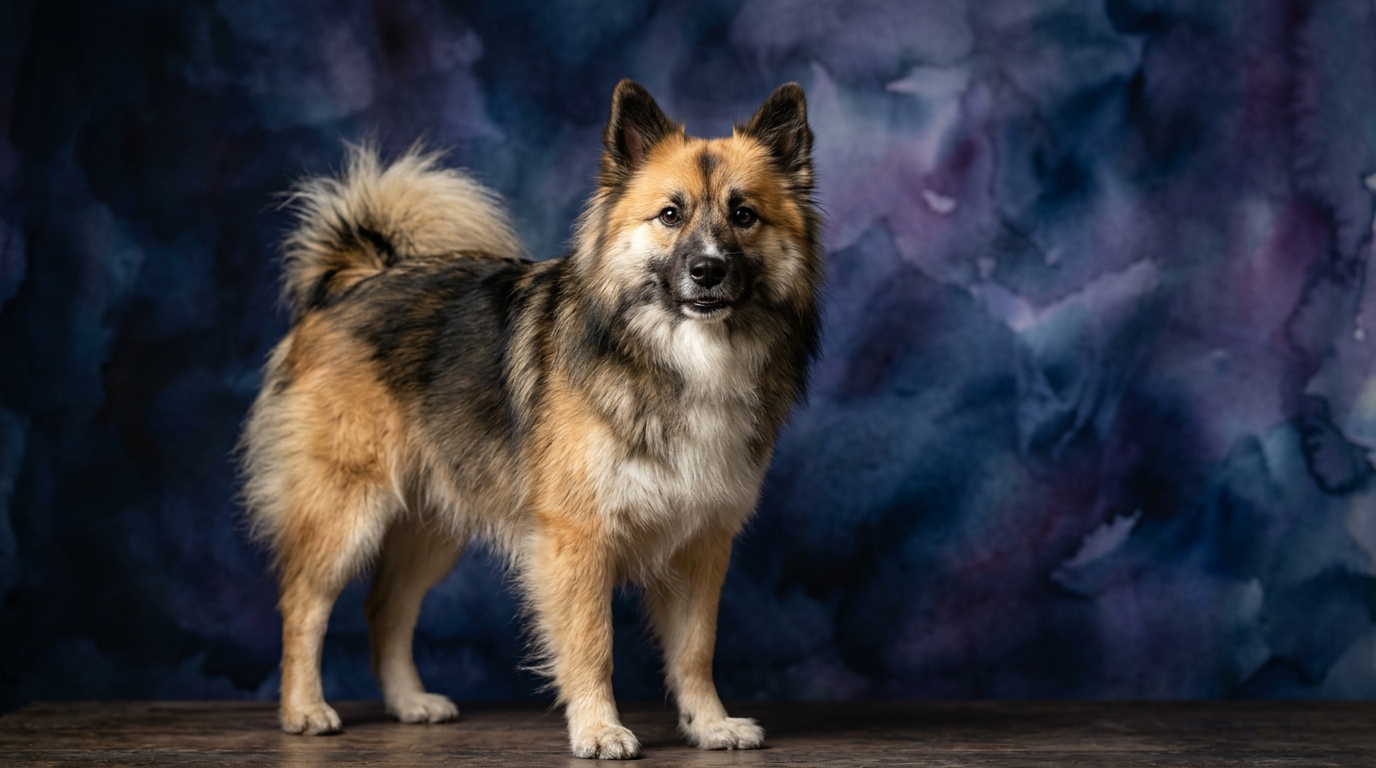
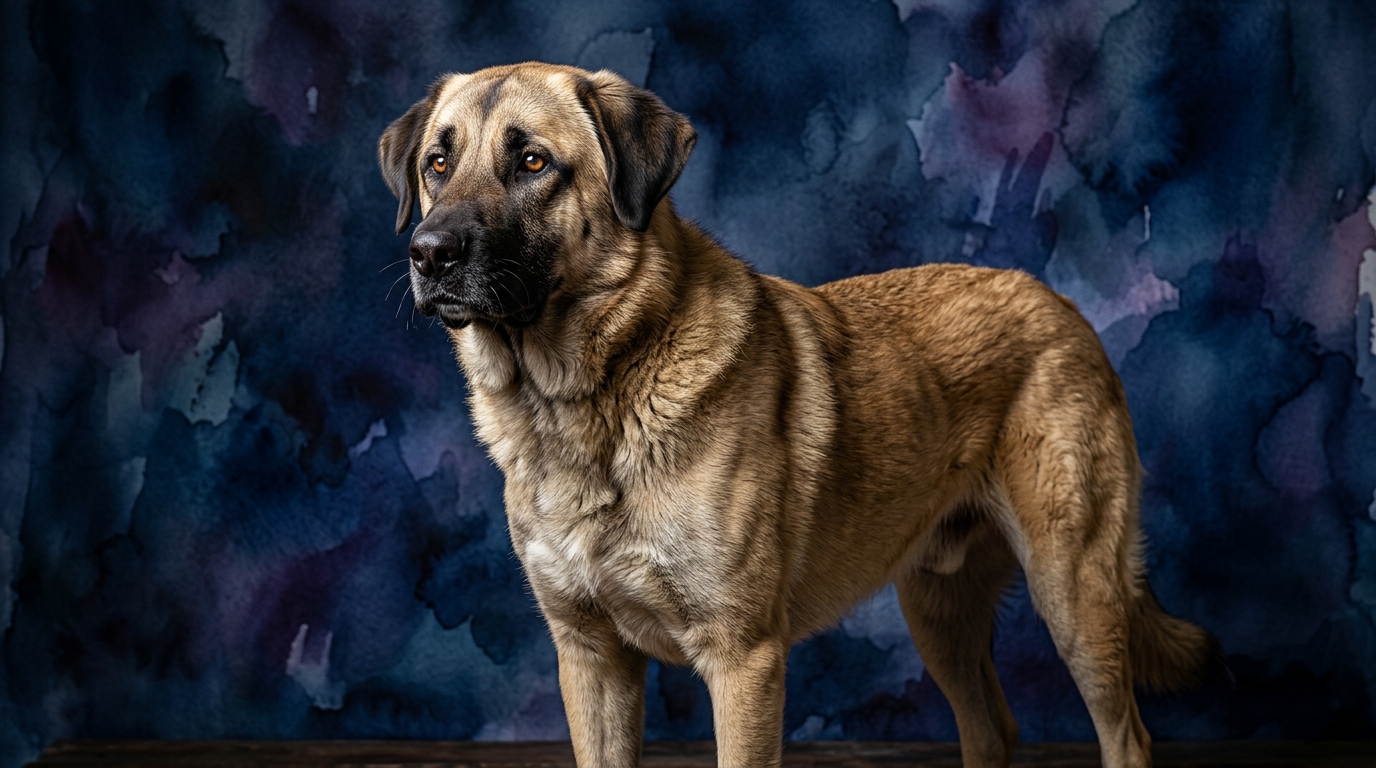
Side-by-Side IQ Profile: Icelandic Sheepdog vs. Anatolian Shepherd Dog
Both the Icelandic Sheepdog and the Anatolian Shepherd Dog register a consistent 3 out of 5 across all five assessed cognitive dimensions: problem-solving, training speed, social intelligence, instinctive drive, and memory. This uniform scoring might suggest parity, but the nature of these scores is deeply rooted in their distinct breed purposes and behavioral expressions. A 3/5 indicates a capable, adaptable mind, but one that operates with particular motivations and priorities unique to its heritage.
For the Icelandic Sheepdog, a 3/5 in problem-solving often manifests as resourcefulness in managing livestock, finding creative solutions to herd wayward sheep or navigate challenging terrain. Their 3/5 training speed reflects a willingness to engage and learn, driven by a desire for cooperation and interaction with their handler. Social intelligence at 3/5 allows them to read subtle cues from both humans and other animals, essential for effective herding and harmonious living. Their instinctive drive, also 3/5, is strongly geared towards herding, exhibiting a natural inclination to gather and control. Finally, a 3/5 memory supports their ability to recall commands, routines, and the locations of their flock or family members.
The Anatolian Shepherd Dog's 3/5 in problem-solving, however, is channeled into independent decision-making for livestock protection, assessing threats and devising strategies without direct human intervention. Their 3/5 training speed reflects a deliberate, purposeful learning style; they will absorb information, but often require context and reasoning that aligns with their guardian instincts. Social intelligence at 3/5 enables them to understand the dynamics of their flock and identify potential dangers, while their interactions with humans are often respectful but not overly effusive. A 3/5 instinctive drive is overwhelmingly dedicated to guarding, displaying territoriality and a strong protective nature. Their 3/5 memory is crucial for remembering boundaries, recognizing familiar faces versus strangers, and recalling past threats within their designated territory.
Where the Icelandic Sheepdog Wins Cognitively
The Icelandic Sheepdog truly excels in cognitive areas that demand responsive interaction and dynamic adaptation within a cooperative framework. Their problem-solving, while rated similarly, is more focused on agility of thought in rapidly changing situations, such as maneuvering a flock through a complex environment or responding to a handler's nuanced signals. This mental nimbleness allows them to quickly process new information and adjust their approach in real-time, a significant advantage in tasks requiring immediate feedback and collaborative effort.
Furthermore, their social intelligence leans towards a keen ability to interpret human intentions and emotions, making them exceptionally attuned companions and working partners. This translates into a dog that often anticipates a handler's next move or mood, fostering a deep bond and enhancing their trainability for complex sequences. Their memory is particularly effective for remembering intricate routines and varied commands, allowing them to perform a wide range of tasks with precision once learned.
Where the Anatolian Shepherd Dog Wins Cognitively
The Anatolian Shepherd Dog's cognitive strengths lie in their independent thought processes and their capacity for sustained, autonomous decision-making over vast territories. Their problem-solving, though rated 3/5, is geared towards strategic analysis of potential threats and resource allocation, often requiring them to weigh risks and benefits without human guidance. This manifests as a deep-seated ability to assess a situation calmly and choose the most effective deterrent or protective action, rather than reacting impulsively.
Their instinctive drive for guarding gives them an unwavering focus and a remarkable ability to discern subtle changes in their environment, allowing them to detect potential danger long before a human might. This vigilance is a testament to their cognitive processing dedicated to their primary role. The Anatolian's memory is particularly robust for spatial awareness and long-term recall of perceived threats or safe zones, which is vital for maintaining security across extensive, often solitary, patrols.
Which is Easier to Train and Why
When considering ease of training, the Icelandic Sheepdog generally presents a more straightforward experience for the average owner due to their inherent eagerness to please and strong cooperative drive. Their 3/5 training speed is amplified by their desire for human interaction and positive reinforcement, making them receptive to learning new commands and tricks. They thrive on engagement and mental stimulation, often viewing training sessions as a rewarding game, which facilitates faster acquisition of skills.
The Anatolian Shepherd Dog, while equally capable of learning with their 3/5 training speed, requires a different approach. Their primary motivation is not necessarily to please a human, but to fulfill their perceived duty as a guardian. This means they will learn commands that make sense to them in the context of their role, but might be less inclined to perform arbitrary tasks or repetitive drills without a clear purpose. Their independence means they often need consistent, patient, and fair training from an owner who understands their intrinsic motivations and respects their thoughtful, sometimes slow, decision-making process. They are not 'stubborn' but rather 'deliberate', and compelling them to do something against their nature is often counterproductive.
Which Suits Active Owners vs. Relaxed Owners
The Icelandic Sheepdog is undoubtedly better suited for active owners who are prepared to provide consistent mental and physical engagement. Their herding background means they possess significant stamina and a need for purpose, making them ideal companions for hiking, dog sports like agility, or regular, varied training sessions. Owners who enjoy teaching new things and integrating their dog into daily activities will find the Icelandic Sheepdog a willing and enthusiastic participant. Their social intelligence and desire for interaction mean they thrive on being included in family life and generally do not do well with long periods of solitude.
The Anatolian Shepherd Dog, conversely, is a breed that might appeal to a more 'relaxed' owner in terms of direct, constant interaction, but demands an owner who is highly experienced, patient, and understands the unique needs of a working guardian breed. While they don't require constant, high-intensity exercise in the same way a herding dog does, they need significant space to patrol and a clear job to do, even if that job is simply 'guarding the family property'. Their independence means they are less demanding of constant play, but they are not a breed for novice owners or those who cannot provide a secure, large environment for them to oversee. Their vigilance requires a discerning owner who can manage their protective instincts responsibly.
The Verdict: When to Choose Each
Choosing between these two breeds hinges on a thorough understanding of their distinct temperaments and how their cognitive strengths align with your lifestyle and expectations. Both possess capable minds, but they apply their intelligence in fundamentally different ways, shaped by centuries of selective breeding for specific tasks.
The Icelandic Sheepdog is an excellent choice for individuals or families seeking an engaging, cooperative, and mentally agile companion who thrives on interaction, learning, and physical activity. They are best suited for owners who enjoy an active lifestyle, are committed to consistent training and mental stimulation, and desire a dog deeply integrated into their daily lives.
The Anatolian Shepherd Dog is the ideal companion for experienced dog owners who have a deep appreciation for independent, protective working breeds and can provide a secure, spacious environment. They are best for those seeking a loyal, watchful guardian who will make their own decisions about territory and protection, requiring an owner capable of patient, consistent guidance rather than constant instruction.
The Verdict
Choose the Icelandic Sheepdog if you desire an active, cooperative companion eager for training and deeply integrated into family activities.
Opt for the Anatolian Shepherd Dog if you are an experienced owner seeking an independent, watchful guardian with a large property to oversee.
🧠 Find Your Pet's IQ Score
Our Pet IQ Lab assessment covers 25+ tests across 5 cognitive dimensions — personalized to your breed.
Take the Full IQ Test →Frequently Asked Questions
Do Icelandic Sheepdogs bark a lot?
Yes, Icelandic Sheepdogs are known for being quite vocal, using barks to communicate, alert, and manage their flock. This behavior is an inherent part of their herding instinct and can be managed with consistent training but rarely eliminated entirely.
Are Anatolian Shepherd Dogs good with other pets?
Anatolian Shepherd Dogs can be good with other pets, especially those they are raised with, as their guarding instinct extends to their 'flock' which can include other animals. However, their strong prey drive and protective nature can make introductions to new, unfamiliar pets challenging, requiring careful supervision and gradual exposure.
How much exercise does an Icelandic Sheepdog need?
Icelandic Sheepdogs require a moderate to high amount of exercise, including daily walks, playtime, and mental stimulation through training or dog sports. Their herding background means they thrive on having a 'job' and benefit greatly from activities that engage both their body and mind.