Side-by-Side Cognitive Profiles
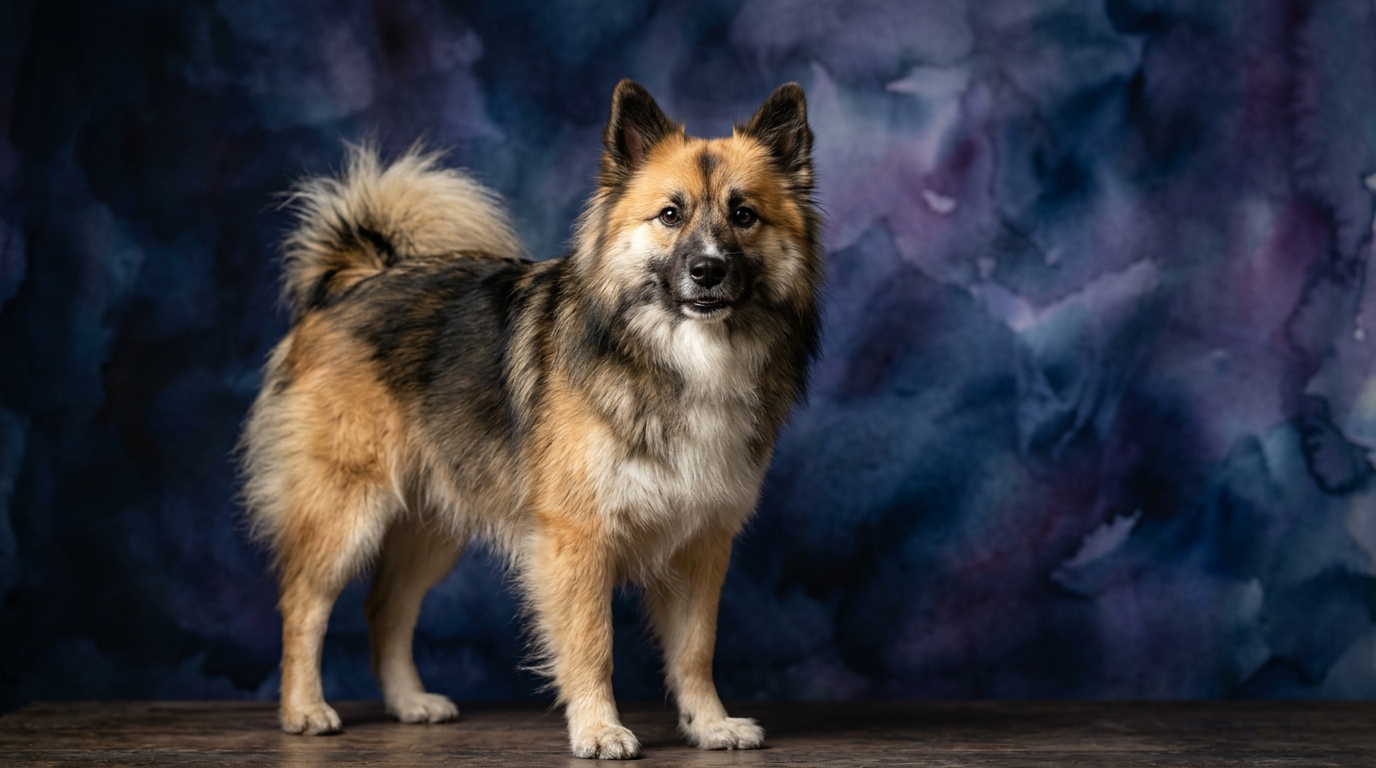
At The Cosmic Pet Pet IQ Lab, we evaluate canine cognition across five key dimensions. For the Icelandic Sheepdog, we observe a balanced profile, reflecting their historical role as adaptable herders. Their Problem Solving is rated 3/5, indicating an ability to navigate complex, fluid environments and understand group dynamics, crucial for their ancestral work of managing livestock across varied terrain. Training Speed is 3/5; they learn new commands at a moderate pace, often processing context before immediate action. Social Intelligence also stands at 3/5, showing strong bonds within their family unit and an awareness of human moods, though they can be reserved with strangers. Their Instinctive Drive is 3/5, primarily manifesting as a gentle herding impulse to keep their 'flock' together, rather than a strong prey drive. Memory is 3/5, allowing for adequate recall of routines and environmental layouts.
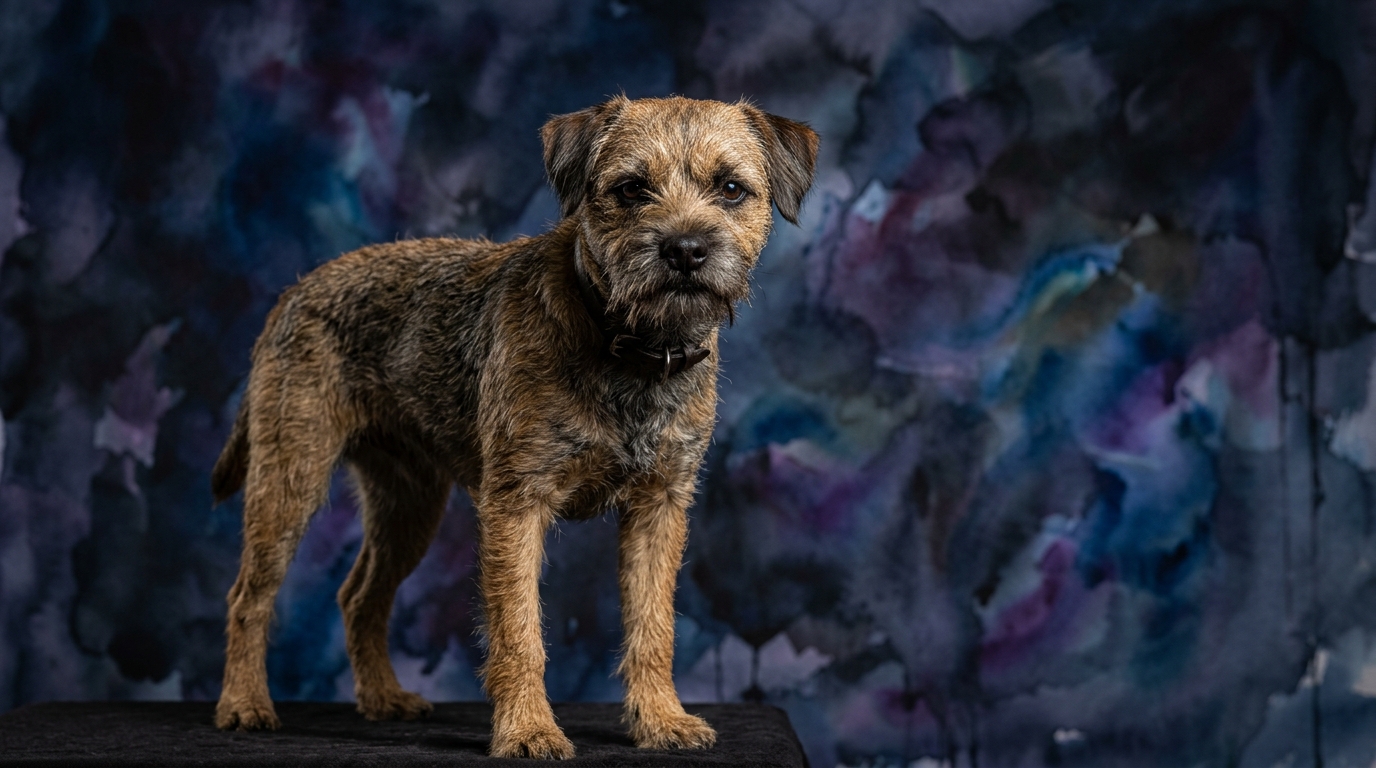
The Border Terrier presents a slightly different cognitive landscape, aligning with their heritage as independent vermin hunters. Their Problem Solving scores 4/5, reflecting notable resourcefulness and ingenuity in overcoming physical obstacles, a necessity for their work in tight, underground spaces. Training Speed is 4/5; they pick up new commands and tricks quickly, eager to engage in mental challenges. Social Intelligence is 3/5, indicating strong attachments to family and an adaptable nature, though tempered by their self-assured terrier independence. Instinctive Drive is 3/5, characterized by a strong prey drive and a keen interest in exploration. Memory is rated 4/5, demonstrating excellent recall for commands and a capacity to apply learned principles to new situations with notable efficiency.
Where the Icelandic Sheepdog Wins Cognitively
The Icelandic Sheepdog's cognitive strengths lie in their nuanced, dynamic environmental assessment and their sophisticated understanding of social cohesion within a defined group. They excel at 'reading' a situation involving multiple moving parts – whether it's a scattered flock of sheep or a family spread out in a park – and instinctively understanding how to bring order, maintain connection, or locate missing members. This isn't about solving a rigid puzzle, but about maintaining equilibrium in a fluid, living system. Their social intelligence, while rated 3/5, is particularly refined within their own 'flock,' enabling them to anticipate family members' movements and emotional states with a subtle sensitivity. They display a gentle vigilance, processing information about their human family's whereabouts and safety with a quiet, persistent attention, making them exceptionally attuned companions for those who appreciate a dog that understands the family unit and its dynamics.
Where the Border Terrier Wins Cognitively
The Border Terrier's cognitive edge is found in their rapid acquisition of new information and their tenacious, independent problem-solving capabilities. Their 4/5 scores in Training Speed and Memory mean they grasp complex concepts quickly and retain them effectively, making multi-step commands, agility sequences, or intricate trick training more accessible. Their problem-solving (4/5) isn't focused on herding; instead, it's about navigating physical challenges with ingenuity – figuring out how to open a gate, retrieve a toy from an awkward spot, or outsmart a perceived barrier to achieve a goal. This breed exhibits a determined focus on a task once engaged, a legacy of their vermin-hunting past where individual initiative and persistence were paramount. They demonstrate a quick wit and an ability to adapt learned behaviors to new, slightly varied contexts with impressive agility, showcasing remarkable mental flexibility and a practical, hands-on approach to challenges.
Training Ease: Icelandic Sheepdog vs. Border Terrier
When it comes to ease of training for obedience and trick work, the Border Terrier generally holds an advantage, primarily due to their higher scores in Training Speed (4/5) and Memory (4/5). Border Terriers are often highly motivated by food or toys and possess a keen desire to engage with their owner in structured tasks. This translates to faster learning of commands and more reliable recall, especially when training is kept fresh and engaging. Their terrier tenacity, while sometimes perceived as stubbornness, can also fuel a focused drive when directed towards a specific training goal, making them enthusiastic participants in activities like agility or earthdog trials.
In contrast, the Icelandic Sheepdog's Training Speed (3/5) and Memory (3/5) suggest a more moderate learning curve. While willing to please and forming strong bonds, their independent herding judgment means they might take a moment to process a command in context, sometimes prioritizing their own assessment of a situation over immediate compliance. For instance, an Icelandic Sheepdog might pause before coming when called if they perceive a 'stray' family member needs 'herding' first. Their training often requires more patience, consistency, and an understanding of their self-reliant nature, focusing on building a strong, trusting partnership through positive reinforcement rather than just rote memorization. They thrive when training taps into their natural instincts, like scent games or puzzle-solving relevant to their environment.
Activity Levels: Active vs. Relaxed Owners
Both the Icelandic Sheepdog and the Border Terrier are active breeds, but their ideal activity needs manifest differently, suiting different owner lifestyles. The Icelandic Sheepdog, with its herding background, thrives with owners who can provide consistent, moderate physical activity. This includes long walks, hikes, or opportunities for supervised off-leash exploration in secure areas where they can practice their environmental awareness and natural curiosity. They also benefit immensely from mental engagement that taps into their herding instincts, such as scent work, 'find it' games, or even just 'helping' with household tasks that involve observation and gentle oversight. They suit owners who appreciate a watchful, companionable presence during their activities and can integrate their dog into a semi-structured daily routine. A truly 'relaxed' owner might find their need for consistent engagement and outdoor time a considerable commitment.
The Border Terrier, while also requiring regular exercise, often prefers more intense, focused bursts of activity. They are excellent candidates for canine sports like agility, earthdog trials, flyball, or vigorous play sessions that challenge their speed, agility, and problem-solving skills. Their tenacity and drive mean they can go for extended periods once engaged in a stimulating activity. They suit active owners who enjoy structured canine sports or have an adventurous outdoor lifestyle, as their independent spirit and desire to explore can make them enthusiastic companions on trails or in dog parks. Their mental stimulation needs are often met by challenging puzzle toys, interactive games, or training sessions that utilize their quick wit and independent drive to 'figure things out.' They are less about gentle supervision and more about determined engagement.
The Verdict
Choose an Icelandic Sheepdog if you value a watchful, sensitive companion who excels in dynamic environmental awareness and thrives on maintaining family cohesion, and you are prepared for a moderate training pace focused on partnership.
Opt for a Border Terrier if you seek a tenacious, quick-witted partner eager to learn and excel in structured activities, and you appreciate their independent problem-solving skills and energetic drive.
🧠 Find Your Pet's IQ Score
Our Pet IQ Lab assessment covers 25+ tests across 5 cognitive dimensions — personalized to your breed.
Take the Full IQ Test →Frequently Asked Questions
Are Icelandic Sheepdogs prone to destructive behaviors if not adequately stimulated?
Yes, like many herding breeds, Icelandic Sheepdogs require consistent physical and mental engagement. Without sufficient outlets for their natural instincts and energy, they may develop undesirable behaviors such as excessive barking, pacing, or attempting to 'herd' family members. Regular exercise and interactive play are key to their well-being.
How do the hunting instincts of a Border Terrier influence their trainability?
The Border Terrier's strong prey drive (Instinctive Drive 3/5) can be both a benefit and a challenge in training. It provides a powerful motivator for engaging in activities like scent work or retrieving, but it also means they require consistent recall training and secure environments, as a small, fast-moving object can easily divert their attention. Their focus on a 'task' can be intense and sometimes overrides other commands.
Which breed is better suited for a first-time dog owner looking for a trainable companion?
For a first-time owner prioritizing a companion that picks up commands quickly and enjoys structured training, the Border Terrier might be a slightly more straightforward choice due to their higher Training Speed and Memory scores. However, the Icelandic Sheepdog can also be a wonderful first dog for owners willing to invest patience in building a strong, trusting relationship and understanding their independent herding nature.