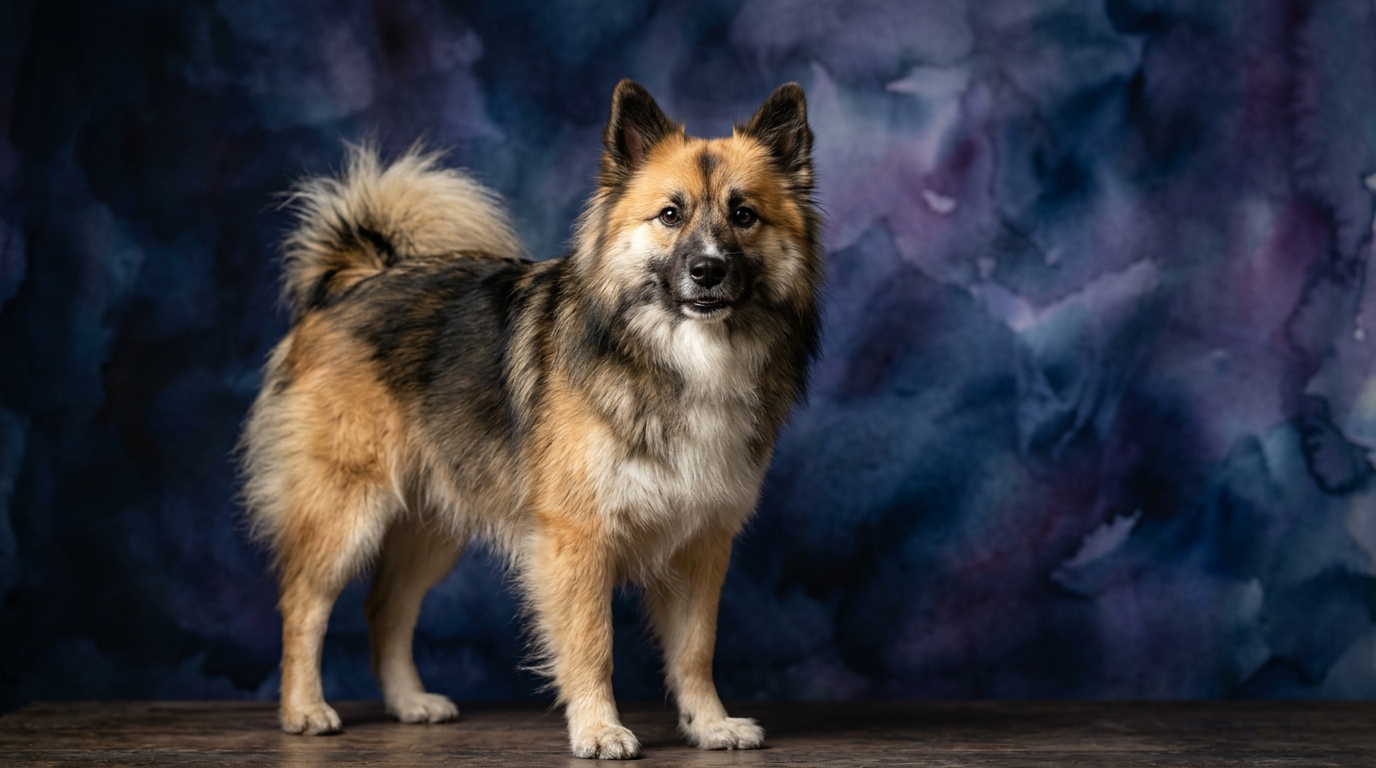
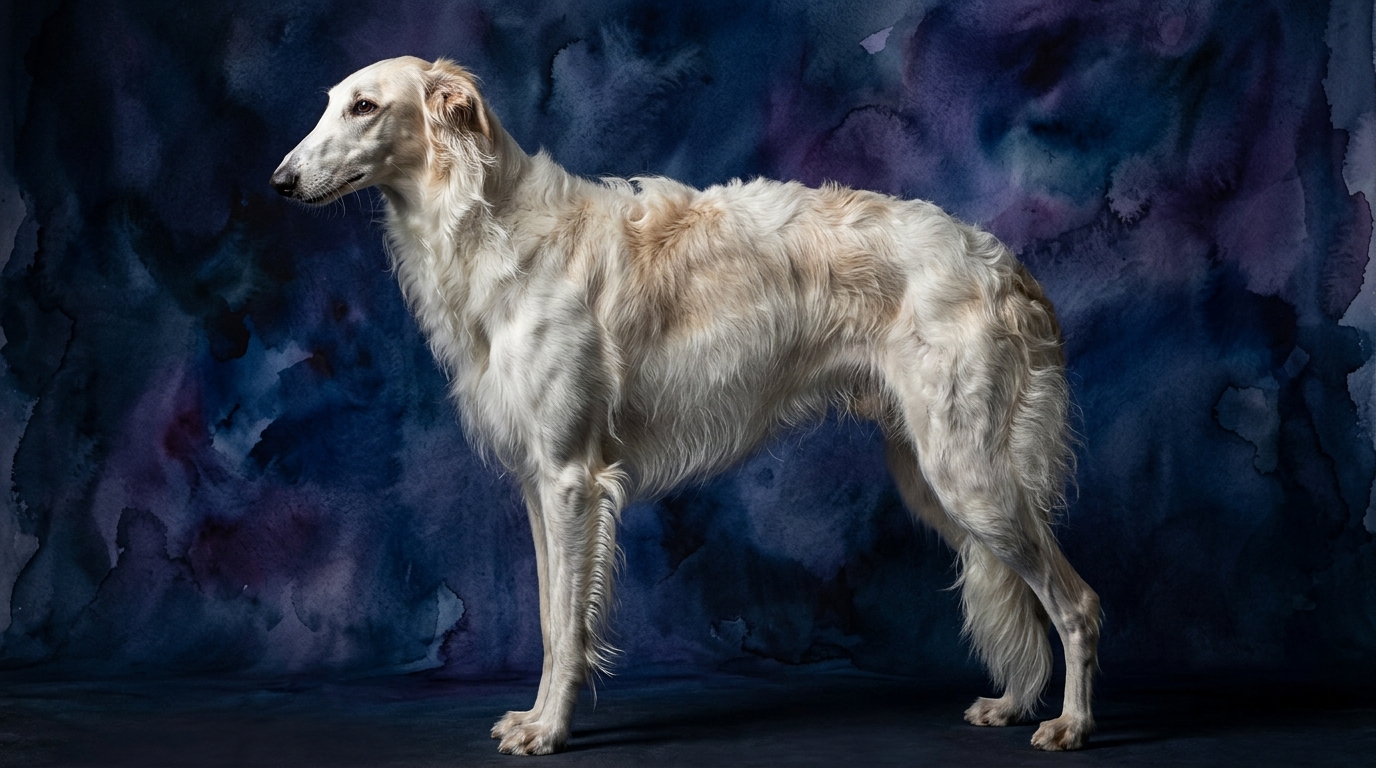
Side-by-Side IQ Profile: Icelandic Sheepdog vs. Borzoi
**Icelandic Sheepdog (Herding Group)**: This breed's cognitive strengths are rooted in its cooperative herding heritage, where close partnership with humans was essential. Their IQ scores, uniformly 3/5 across all dimensions, reflect a balanced and adaptable intellect geared towards working alongside people. *Problem Solving (3/5)*: This score reflects their aptitude for navigating dynamic flock situations, identifying stray animals or finding efficient gathering paths, often requiring adaptive thinking in response to livestock behavior and environmental changes. *Training Speed (3/5)*: Their historical role demanded receptiveness to human instruction, indicating a capacity to learn and retain complex command sequences quickly, essential for nuanced herding tasks and reliable responses. *Social Intelligence (3/5)*: As working companions, their social acuity enabled effective reading of human cues and intentions, fostering strong partnerships crucial for coordinating herding efforts and adapting to handler expectations. *Instinctive Drive (3/5)*: A foundational herding instinct drives their actions, manifesting as a diligent desire to manage and move livestock, a deeply ingrained behavioral pattern shaping their approach to tasks. *Memory (3/5)*: Their memory supports recalling specific commands, pasture layouts, and flock routines, allowing consistent task performance and anticipation of needs within their working environment.
**Borzoi (Hound Group)**: The Borzoi's cognitive abilities, also uniformly rated 3/5, are shaped by its history as an independent sighthound, bred to pursue fast-moving prey over vast distances. Their intellect is characterized by a blend of keen sensory perception, swift decision-making, and a dignified independence. *Problem Solving (3/5)*: For the Borzoi, this capacity translates into independent decision-making during a chase, adjusting pursuit paths to outmaneuver prey or finding the quickest route across varied terrain, relying on keen senses and athletic prowess. *Training Speed (3/5)*: While capable of learning, their training speed reflects an ability to internalize specific routines and commands pertinent to hunting scenarios, often with independent thought rather than strict obedience. *Social Intelligence (3/5)*: Their social intelligence is geared towards discerning interaction, understanding household dynamics and individual preferences without the intense cooperative drive of herding breeds, often expressing affection on their own terms. *Instinctive Drive (3/5)*: A powerful sighthound prey drive defines their instinctive behavior, compelling them to spot, chase, and retrieve, a deeply rooted impulse overriding many other considerations once engaged. *Memory (3/5)*: Their memory serves to recall hunting grounds, familiar prey trails, or territory boundaries, contributing to their efficiency in their primary historical function.
Where the Icelandic Sheepdog Wins Cognitively
The Icelandic Sheepdog’s cognitive strengths shine in environments demanding consistent cooperation and responsive interaction. Their problem-solving, while rated 3/5, is inherently collaborative, allowing them to excel at tasks requiring negotiation with both humans and livestock, adapting their strategy based on real-time feedback from their handler. Their social intelligence, also 3/5, is finely tuned for reading subtle human body language and vocal intonations, making them exceptionally attuned partners in complex, dynamic tasks. This capacity for nuanced communication and a desire to work alongside their human counterparts gives them an edge in activities like obedience, agility, or therapy work where a deep understanding of human intent is paramount. The Icelandic Sheepdog’s memory, at 3/5, is particularly adept at recalling intricate sequences of commands and applying them reliably, a testament to their heritage of managing flocks across challenging landscapes.
Where the Borzoi Wins Cognitively
The Borzoi's cognitive profile, while numerically identical at 3/5 across dimensions, excels in areas demanding independent judgment and self-reliance, particularly in open spaces. Their problem-solving ability, though rated 3/5, manifests as an impressive capacity for autonomous decision-making in pursuit, quickly assessing terrain and prey movements without human intervention. This makes them exceptional at tasks requiring swift, unassisted action, such as lure coursing or competitive straight racing, where their inherent drive and quick processing of visual information are critical. The Borzoi's instinctive drive, also 3/5, is a powerful engine for focused, high-speed pursuit, enabling them to maintain concentration on a target over long distances and varied terrain. Their memory, at 3/5, is particularly strong for spatial recall of hunting grounds or the visual patterns of movement, allowing them to efficiently navigate and operate within their chosen environment. This self-directed application of their cognitive skills sets them apart in activities where independent action is rewarded.
Which is Easier to Train and Why
When considering ease of training, the Icelandic Sheepdog generally presents a more straightforward experience for many owners, despite both breeds sharing a 3/5 training speed score. The key difference lies in their inherent motivations and historical roles. Icelandic Sheepdogs were bred to work cooperatively with humans, possessing a strong desire to please and a natural inclination to respond to commands as part of their herding duties. Their social intelligence, rated 3/5, fuels their attentiveness to human cues, making them eager participants in structured training sessions. They thrive on positive reinforcement and consistent guidance, often finding joy in learning new tasks and performing them reliably. In contrast, the Borzoi, with its 3/5 training speed, often approaches training with a more independent mindset. Their historical role as sighthounds meant they needed to make autonomous decisions during a hunt, and this self-reliance can translate into a selective approach to obedience. While capable of learning, they require patience, creativity, and a deep understanding of their sighthound nature to motivate consistent performance, especially when their powerful instinctive drive (3/5) to chase is engaged. They prioritize their own instincts and perceived efficiency, making them less inclined to follow commands if a more compelling stimulus presents itself. Therefore, while both learn at a similar rate, the Icelandic Sheepdog's cooperative nature often makes the training journey feel smoother and more rewarding for the average owner.
Which Suits Active Owners vs. Relaxed Owners
The **Icelandic Sheepdog** is an excellent match for active owners who seek a highly engaged canine companion for shared adventures. Their inherent herding drive (3/5 instinctive drive) and problem-solving aptitude (3/5) mean they thrive on mental stimulation and physical activity that mimics their historical work, such as hiking, agility, or advanced obedience. They are not dogs content to merely observe; they want to participate actively in family life, requiring consistent interaction and opportunities to use their cooperative social intelligence (3/5). Owners who enjoy training and providing a 'job' for their dog will find the Icelandic Sheepdog a rewarding partner.
The **Borzoi**, while capable of immense speed and bursts of activity, often suits owners who appreciate a more relaxed, independent companion for much of the day. Their primary drive (3/5 instinctive drive) is for short, intense bursts of chase, followed by long periods of serene repose. They require opportunities for safe, off-leash running in a securely fenced area to satisfy their sighthound instincts, but within the home, they are typically calm, quiet, and dignified. Owners who enjoy a graceful, somewhat aloof presence and are prepared to accommodate their need for occasional high-intensity exercise, without necessarily requiring constant interaction or complex training, will find the Borzoi a fitting choice.
The Verdict
Opt for the Icelandic Sheepdog if you desire a highly communicative, cooperative canine partner eager for shared activities and consistent engagement, thriving on a structured environment where their natural herding instincts can be channeled.
Select the Borzoi if you appreciate a dignified, independent companion that enjoys bursts of intense speed and requires ample space for running, but is equally content to spend long periods of quiet relaxation indoors.
🧠 Find Your Pet's IQ Score
Our Pet IQ Lab assessment covers 25+ tests across 5 cognitive dimensions — personalized to your breed.
Take the Full IQ Test →Frequently Asked Questions
Do Icelandic Sheepdogs need a lot of mental stimulation?
Yes, Icelandic Sheepdogs absolutely thrive on mental engagement. Their herding background means they possess a problem-solving aptitude and social intelligence that benefits greatly from activities like puzzle toys, training new tricks, or participation in dog sports to keep their minds active and prevent boredom.
Can a Borzoi live in an apartment?
While Borzoi are generally calm indoors, their strong instinctive drive for running means they can live in an apartment only if their owners commit to providing regular, safe opportunities for them to sprint and stretch their legs in a securely fenced area. Without adequate exercise to satisfy their powerful sighthound instincts, apartment living can be challenging for them.
Are Borzoi good with other pets?
Borzoi can coexist peacefully with other pets, especially if raised with them from a young age, but their powerful prey drive (instinctive drive 3/5) means small, fast-moving animals like cats or rabbits may trigger their hunting instinct. Careful introductions, supervision, and consistent training are essential to ensure safety and harmony within a multi-pet household.