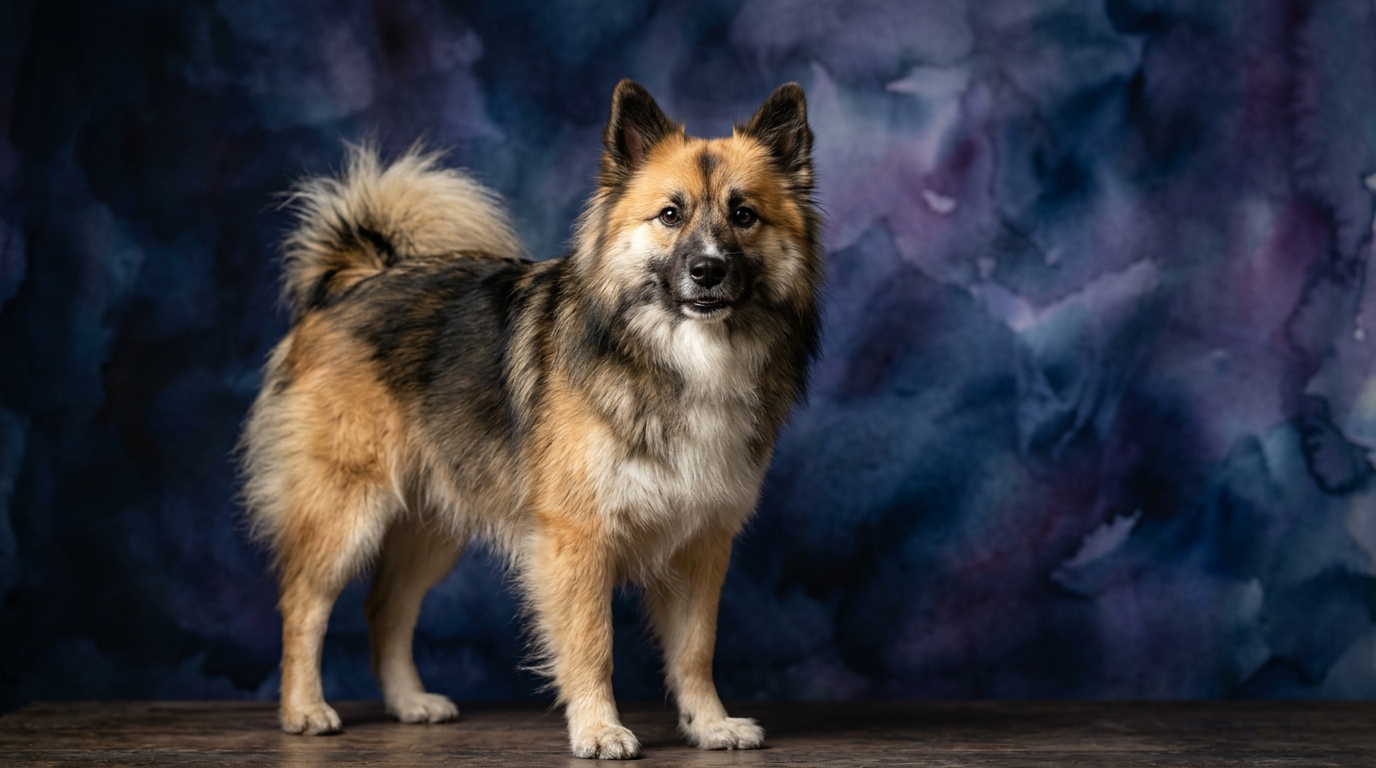
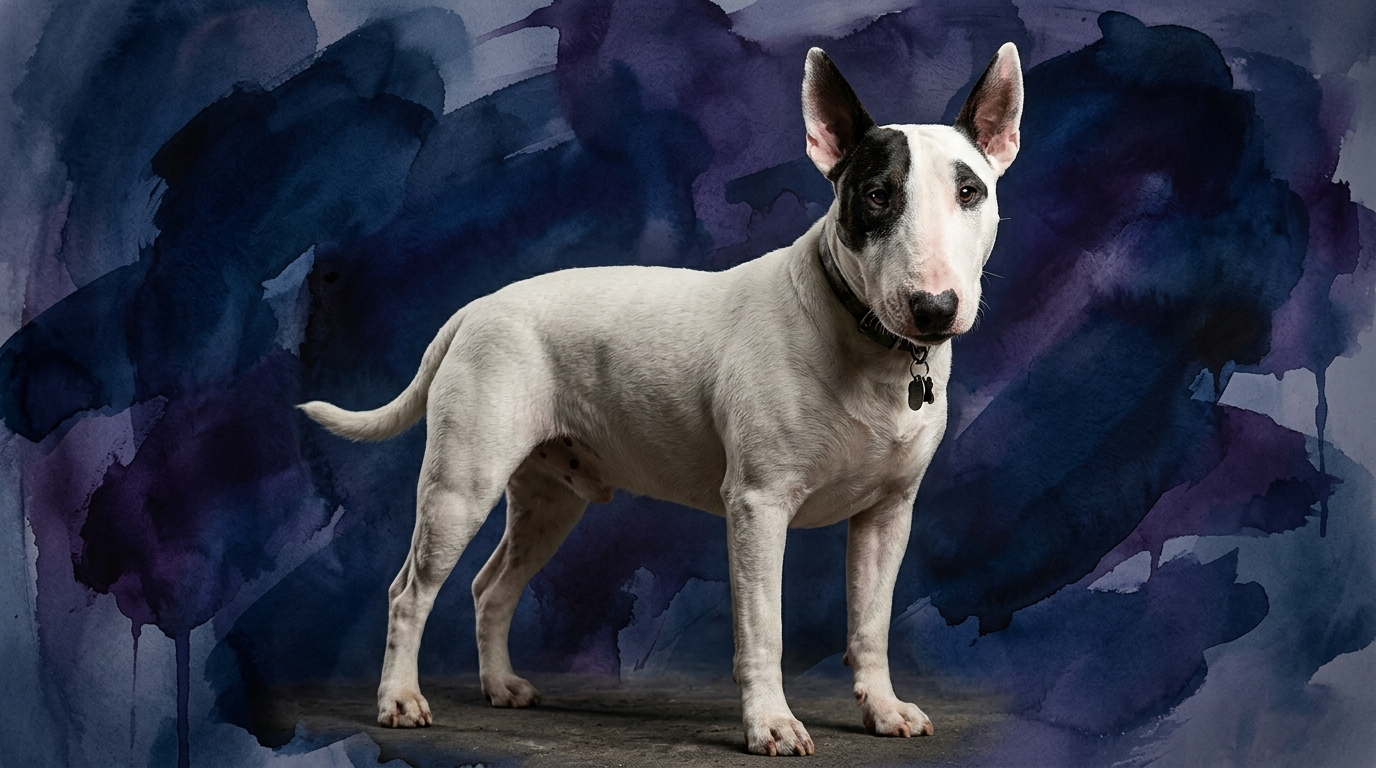
Side-by-Side IQ Profile: Unpacking the 3/5 Scores
The Cosmic Pet Pet IQ Lab assigns both the Icelandic Sheepdog and the Bull Terrier identical 3/5 ratings across all five cognitive dimensions: Problem Solving, Training Speed, Social Intelligence, Instinctive Drive, and Memory. While these scores suggest a similar foundational capacity, the manifestation and application of these cognitive traits are distinctly shaped by each breed's historical role and inherent temperament. Understanding these differences is key to appreciating their unique mental landscapes.
For the Icelandic Sheepdog, a 3/5 in Problem Solving translates to an aptitude for independently assessing and navigating complex, dynamic environments to manage livestock. They excel at figuring out practical solutions in open, varied terrain, often anticipating flock movements and adapting their approach. Their Training Speed at 3/5 indicates a steady grasp of new commands, particularly when tasks align with their cooperative nature and involve practical application; they respond well to clear, purpose-driven instruction. Social Intelligence, also 3/5, shines in their ability to read subtle cues from both humans and animals, crucial for effective herding and maintaining harmonious group dynamics. Their Instinctive Drive, rated 3/5, is strongly rooted in herding, compelling them to gather and control movement, which provides a profound intrinsic motivation for activity. Lastly, a 3/5 in Memory means they retain learned commands, routines, and spatial information effectively, allowing them to recall complex routes or sequences of tasks over time.
In contrast, the Bull Terrier's 3/5 in Problem Solving often manifests as tenacious determination to achieve a desired outcome, whether it's figuring out how to access a coveted toy or overcoming an obstacle in their path. They approach challenges with a singular, focused persistence rather than a broad environmental assessment. Their Training Speed, also 3/5, indicates they learn commands at a moderate pace, particularly when training is engaging and presented as a fun challenge, often motivated by play and interaction. Social Intelligence at 3/5 for the Bull Terrier is expressed through deep attachments to their immediate family, displaying a nuanced understanding of their human's emotional state and responding with affectionate gestures, making them highly attuned companions. Their Instinctive Drive, rated 3/5, stems from their terrier heritage, encompassing a robust prey drive and a strong desire for engaging, physical activity. Finally, a 3/5 in Memory means Bull Terriers demonstrate good recall for established routines, favorite games, and the people they bond with closely, remembering past interactions and responding consistently to familiar cues.
Where the Icelandic Sheepdog Wins Cognitively
The Icelandic Sheepdog's cognitive strengths distinctly lean into tasks requiring cooperative independence and broad environmental awareness. Their 3/5 problem-solving is particularly adept at navigating complex, open spaces, such as finding the optimal path to round up a scattered flock or maneuvering through varied terrain. This involves a sophisticated spatial intelligence that allows them to assess distances, obstacles, and the movement patterns of multiple subjects simultaneously, making them exceptional at dynamic, multi-variable tasks. Furthermore, their social intelligence, while rated similarly to the Bull Terrier, manifests in a broader capacity to read and influence the behavior of entire groups (both humans and animals). This allows them to adapt their approach based on subtle shifts in group dynamics, a significant cognitive advantage in fluid, real-world situations demanding nuanced interaction with a collective.
Where the Bull Terrier Wins Cognitively
The Bull Terrier excels in cognitive areas demanding focused persistence and a singular dedication to a goal. Their 3/5 problem-solving often involves a relentless drive to overcome immediate physical obstacles or to achieve a specific, tangible reward, like retrieving a hidden toy or figuring out how to open a gate. This tenacity, deeply fueled by their instinctive drive, means they are less likely to give up on a task once committed, demonstrating a powerful mental endurance and resilience in pursuit of a desired outcome. Their social intelligence, while equally rated, is intensely focused on their primary human connections, allowing them to form exceptionally deep bonds and understand the subtle emotional states of their family members with remarkable depth. This makes them highly attuned companions who can anticipate their owner's desires for play or affection, excelling in one-on-one interactive engagement.
Which is Easier to Train and Why
Both breeds share a 3/5 training speed, but the *manner* of their training engagement differs significantly. The Icelandic Sheepdog, with its inherent desire to work cooperatively and its strong instinctive drive for herding, often responds well to training that provides a clear purpose or mimics a job. They are generally eager to please and find satisfaction in completing tasks, making them quite responsive to positive reinforcement and consistent methods. Their social intelligence helps them attune to handler cues, often anticipating what is expected. Conversely, the Bull Terrier's training speed, while similar, is highly dependent on making the training a game or a stimulating challenge. Their robust instinctive drive and problem-solving tenacity mean they may require more creative and engaging methods to maintain interest. While they form strong bonds, their independent streak and occasional stubbornness might mean a trainer needs to be more inventive and patient, using high-value rewards and varied exercises to keep them motivated and focused on the task at hand.
Suitability for Active vs. Relaxed Owners
The Icelandic Sheepdog, with its 3/5 instinctive drive rooted in herding, is undeniably better suited for active owners. These dogs require consistent mental and physical stimulation, thriving on activities that allow them to use their natural herding abilities, even if it's just rounding up family members or toys. They are happiest when they have a purpose and ample opportunities for exercise in varied environments, making them ideal companions for hikers, runners, or those involved in dog sports. A more relaxed owner might find their persistent need for engagement and activity overwhelming, potentially leading to boredom-related behaviors. The Bull Terrier, while possessing a 3/5 instinctive drive and a love for vigorous play, can adapt more readily to a somewhat less intensely active lifestyle, provided their core needs for daily physical exercise and mental engagement are met. They enjoy bursts of high-energy activity followed by periods of affectionate lounging with their family, making them potentially suitable for owners who enjoy active outings but also value significant downtime at home, as long as that downtime includes close interaction.
The Verdict
Select the Icelandic Sheepdog if you are an active owner seeking a cooperative, biddable companion eager for purposeful tasks and outdoor adventures, valuing a dog that intuitively understands group dynamics and works alongside you.
Opt for the Bull Terrier if you desire a tenacious, playful, and deeply loyal companion who thrives on engaging challenges and close human interaction, and you appreciate their unique blend of robust energy and affectionate downtime.
🧠 Find Your Pet's IQ Score
Our Pet IQ Lab assessment covers 25+ tests across 5 cognitive dimensions — personalized to your breed.
Take the Full IQ Test →Frequently Asked Questions
Do Icelandic Sheepdogs make good family pets despite their herding instincts?
Yes, Icelandic Sheepdogs can be excellent family pets. Their social intelligence and cooperative nature mean they typically bond well with all family members, though their herding instincts may lead them to gently 'herd' children, requiring supervision and redirection to appropriate outlets.
Are Bull Terriers difficult to train because of their terrier tenacity?
Bull Terriers are not inherently difficult to train, but their tenacity and independent streak mean training requires consistency, creativity, and positive reinforcement. They respond best to engaging, game-based sessions that tap into their problem-solving and play drives, making learning a fun interaction.
How do their similar memory scores impact daily life with these breeds?
Both breeds' 3/5 memory scores mean they retain routines, commands, and experiences well. For Icelandic Sheepdogs, this helps them remember complex tasks and environments; for Bull Terriers, it means they recall favorite games, people, and household rules effectively, establishing predictable behaviors and fostering strong bonds.