Side-by-Side IQ Profile: Unpacking the 3/5
In The Cosmic Pet Pet IQ Lab, both the Icelandic Sheepdog and the Cane Corso consistently score a 3 out of 5 across all five measured cognitive dimensions: problem-solving, training speed, social intelligence, instinctive drive, and memory. This uniform scoring doesn't suggest a lack of mental capacity in either breed; rather, it indicates an average baseline of aptitude. The true distinction lies not in a numerical advantage, but in how these inherent abilities are expressed and utilized, deeply influenced by their ancestral roles and breed-specific temperaments.
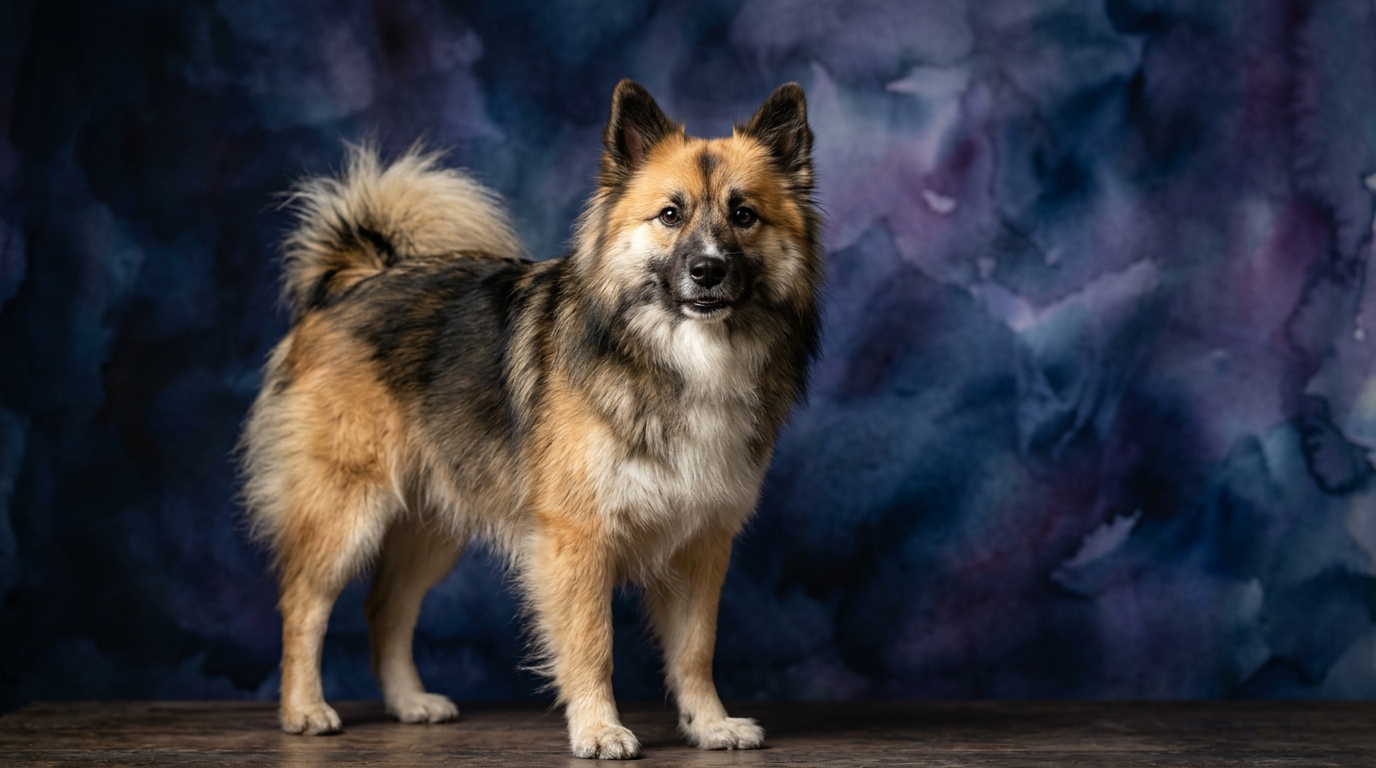
The Icelandic Sheepdog, a member of the Herding group, applies its 3/5 cognitive profile in ways characteristic of its pastoral heritage. Their problem-solving is practical and iterative, honed for navigating complex, dynamic environments, such as guiding livestock through varied terrains or adapting to shifting flock behaviors. Their training speed, while average, is often bolstered by an eagerness to cooperate and respond to their handler, though an independent herding spirit can sometimes lead to creative, albeit unconventional, solutions. Social intelligence in the Icelandic Sheepdog is adept at reading subtle cues from both humans and other animals, fostering strong familial bonds and displaying a generally gregarious nature within their trusted circle. Their instinctive drive, rated 3/5, manifests as a persistent desire to gather, control movement, and maintain awareness of their 'flock's' whereabouts, shaping much of their daily cognitive focus. Finally, their memory, also 3/5, supports recall for learned commands, familiar routes, and established routines, essential for effective and repetitive herding tasks.
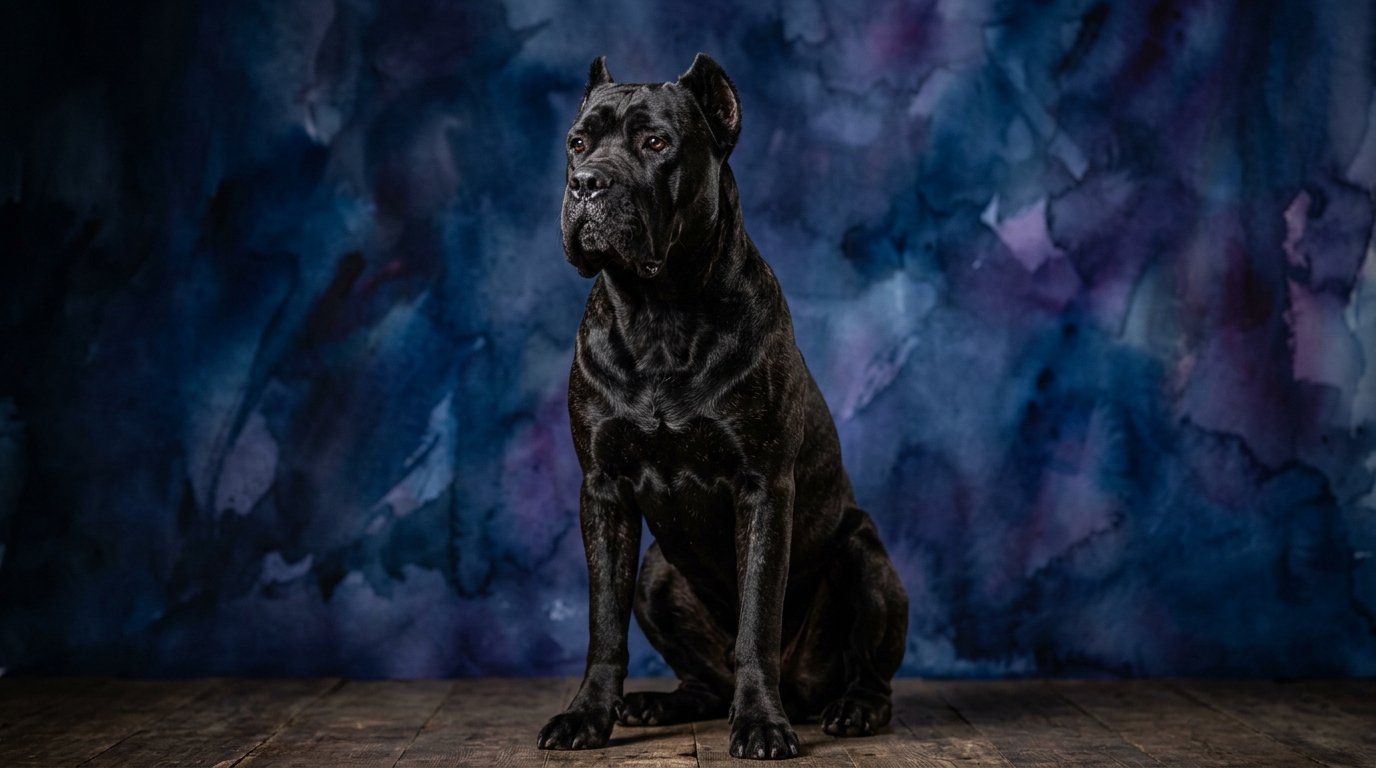
Conversely, the Cane Corso, a formidable member of the Working group, channels its identical 3/5 scores into a very different cognitive framework, centered on its role as a protector and guardian. Their problem-solving is often focused on assessing potential threats, making independent judgments in protective scenarios, and understanding intricate household rules and boundaries. Their training speed, like the Icelandic Sheepdog, is average, but their learning process typically demands a confident, consistent handler who can provide clear, purpose-driven tasks. The Cane Corso's social intelligence, while 3/5, is distinctly attuned to its immediate family, demonstrating a keen ability to discern friend from potential foe; this intelligence is often expressed through unwavering loyalty and protective vigilance rather than broad affability. A strong 3/5 instinctive drive for guarding and protection compels them to observe, evaluate, and act as a deterrent, profoundly influencing their interaction with their environment. Their memory, also 3/5, is particularly robust for individuals, routines, and established territorial limits, which is crucial for effective and discerning guardianship.
Where the Icelandic Sheepdog’s Cognition Shines
The Icelandic Sheepdog's cognitive strengths, despite identical scores, are uniquely suited for dynamic, non-threatening social and environmental navigation. Their 3/5 problem-solving ability, for instance, isn't about confronting threats but about ingenious adaptability in fluid situations, whether it's finding the easiest path through a field of sheep or creatively engaging with a puzzle toy. This adaptability allows them to excel in environments that require constant, mild adjustments and quick, independent decisions within a cooperative framework.
Furthermore, their 3/5 social intelligence, combined with their instinctive drive, makes them particularly adept at tasks requiring nuanced communication and collaboration. They thrive in activities like agility or complex obedience, where their average memory supports multi-step sequences and their natural inclination is to work *with* their handler, even when making independent choices. Their cognitive profile is geared towards a shared enterprise, making them excellent partners in activities that demand both individual initiative and group harmony.
Where the Cane Corso’s Cognition Excels
The Cane Corso’s cognitive prowess lies in its capacity for discernment, evaluation, and measured response, particularly in contexts requiring vigilance and protection. Their 3/5 problem-solving and social intelligence are finely tuned for assessing intent, distinguishing between routine and perceived threats, and making decisive judgments. This means they excel in environments where their role is to maintain order and security, processing subtle environmental cues to act with purpose.
Their 3/5 instinctive drive for guarding, coupled with their average memory, provides a distinct advantage in remembering boundaries, identifying unfamiliar individuals, and consistently overseeing their territory or family. This focused, protective cognition allows them to maintain a steady, watchful presence, making them highly effective in roles that demand consistent observation and a strong, purposeful response when necessary. Their mental energy is directed towards maintaining a secure environment.
Navigating the Training Path: Ease and Engagement
While both breeds share a 3/5 training speed, the 'ease' of training them diverges significantly based on their inherent motivations and temperaments. The Icelandic Sheepdog, with its herding background, often approaches training with an eager-to-please attitude and finds reinforcement in cooperation and praise. They are generally responsive and enjoy the mental engagement of learning new commands, though their independent herding spirit means they might occasionally 'offer' alternative interpretations of a command. Their 3/5 social intelligence makes them keen observers of their handler's moods and expectations, often striving to work in harmony with those they trust.
The Cane Corso also learns at an average pace, but their working dog mentality necessitates a different training dynamic. They require a handler who is consistently confident, clear, and establishes firm leadership. Training isn't merely about playful cooperation; it's about understanding their role, purpose, and the boundaries within their family structure. Their strong 3/5 instinctive drive for guarding means training must be purposeful, channeling this powerful instinct constructively. Without clear guidance, their independent 3/5 problem-solving can lead them to make their own decisions about what constitutes a threat or how to respond. Their 3/5 memory ensures they retain lessons, but unwavering consistency is paramount to reinforce desired behaviors over their natural protective inclinations, demanding a more structured and dedicated approach from their owner.
Matching Cognitive Profiles to Lifestyles
For active owners seeking a dynamic and interactive companion, the Icelandic Sheepdog's cognitive profile aligns well. Their 3/5 instinctive drive for herding translates into a profound need for mental engagement and physical activity that mimics their historical role, whether through dog sports, long hikes, or complex interactive games. Owners who enjoy a bustling household and can provide varied mental challenges will find their 3/5 problem-solving and social intelligence thrive on diverse interaction and new learning opportunities. They are less suited for truly 'relaxed' owners who cannot commit to consistent engagement and mental stimulation.
The Cane Corso, while also requiring activity, often directs its mental energy differently, making it suitable for owners who provide structure and purpose. Their 3/5 instinctive drive for guarding and their problem-solving capabilities are best utilized by owners who offer clear expectations, consistent routines, and perhaps specific tasks like property oversight or advanced obedience. They are not 'relaxed' in the sense of being sedentary, but their mental activity is geared towards observation, assessment, and maintaining order. They require an owner who understands and can confidently manage their protective nature, providing appropriate outlets for their focused cognitive strengths rather than expecting a broadly gregarious companion.
The Verdict
Opt for an Icelandic Sheepdog if you seek a cooperative, engaging companion thriving on dynamic interaction and mental challenges, capable of independent thought within a shared activity framework. They flourish with owners who appreciate their adaptable problem-solving and communicative nature in a family setting.
Select a Cane Corso if you are prepared to provide firm, consistent leadership for a dog whose cognition is geared towards loyalty, discernment, and protective vigilance, excelling in structured environments. They are ideal for owners who understand and can channel their strong purposeful drives and decisive problem-solving.
🧠 Find Your Pet's IQ Score
Our Pet IQ Lab assessment covers 25+ tests across 5 cognitive dimensions — personalized to your breed.
Take the Full IQ Test →Frequently Asked Questions
Do Icelandic Sheepdogs and Cane Corsos learn equally quickly?
Both breeds register a 3/5 in training speed, indicating an average learning pace. While their raw speed is similar, the Icelandic Sheepdog often responds well to cooperative, positive methods, whereas the Cane Corso benefits from consistent, clear leadership and purpose-driven tasks to channel their working mentality effectively.
How do their problem-solving skills differ with identical 3/5 scores?
Despite identical 3/5 problem-solving scores, their application varies significantly: the Icelandic Sheepdog excels at dynamic, adaptive solutions for herding and environmental navigation, while the Cane Corso's problem-solving is honed for assessing threats, making protective judgments, and understanding complex household boundaries. Their cognitive domains are distinct.
Which breed is more socially adept, given their 3/5 social intelligence?
Both possess 3/5 social intelligence, but its expression differs. The Icelandic Sheepdog displays a gregarious nature, reading human and flock dynamics for cooperative interaction, whereas the Cane Corso's social intelligence is primarily focused on discerning intent within their immediate family and identifying potential threats, manifesting as loyal vigilance rather than broad affability.