Side-by-Side Cognitive Profiles
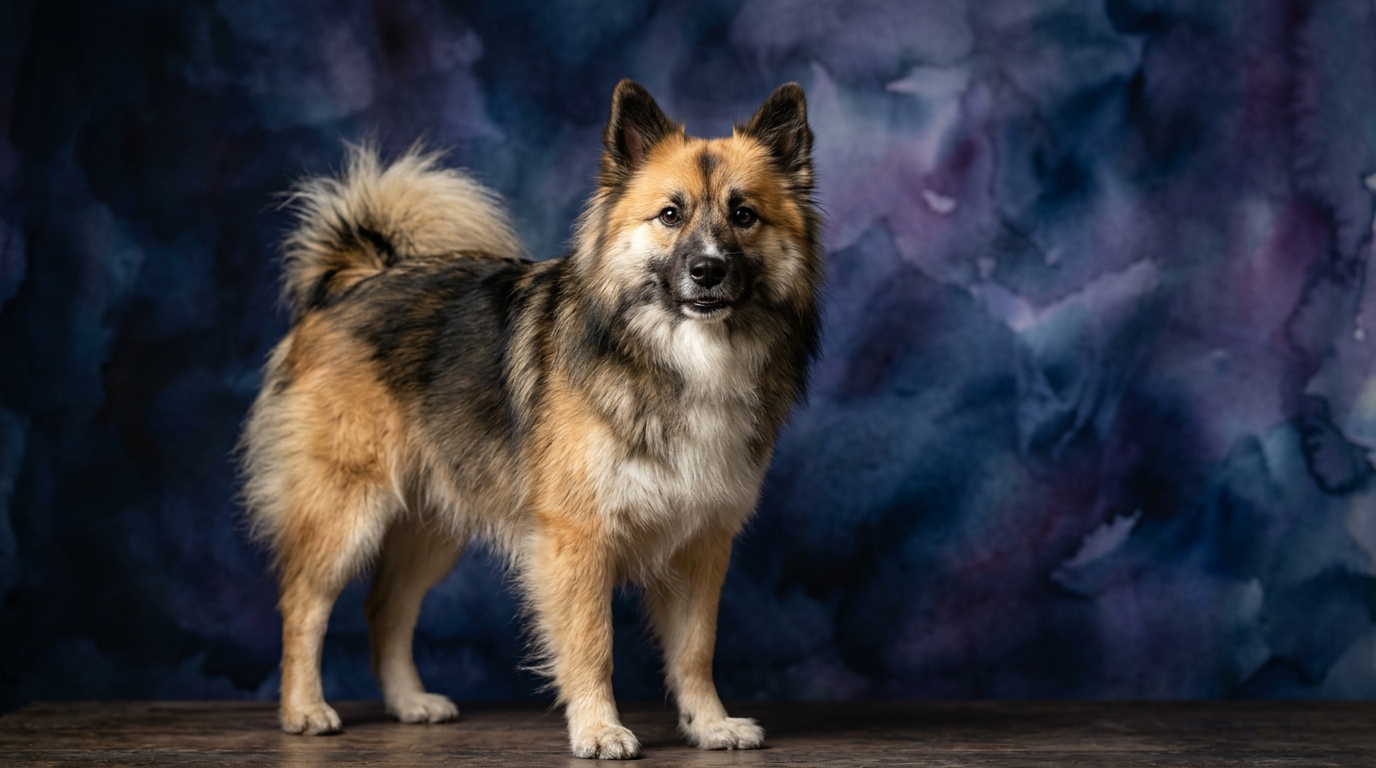
The Cosmic Pet Pet IQ Lab employs a five-dimensional framework to assess canine cognition, offering a granular view beyond generic labels. For the Icelandic Sheepdog, a breed steeped in centuries of pastoral work, we observe a balanced set of moderate scores across the board. Its Problem Solving stands at 3 out of 5, indicating a capacity to navigate moderate challenges and adapt to new situations without requiring exceptionally complex thought processes. Training Speed is also 3 out of 5, suggesting they learn new commands and routines at an average pace, benefiting from consistent, positive reinforcement. Social Intelligence, at 3 out of 5, reflects an adequate ability to read human cues and form strong, affectionate bonds within their family unit. Their Instinctive Drive, also 3 out of 5, points to a moderate expression of their herding tendencies, which can be channeled into appropriate activities. Finally, Memory, at 3 out of 5, means they retain learned behaviors and recall past experiences reasonably well, without being extraordinary.
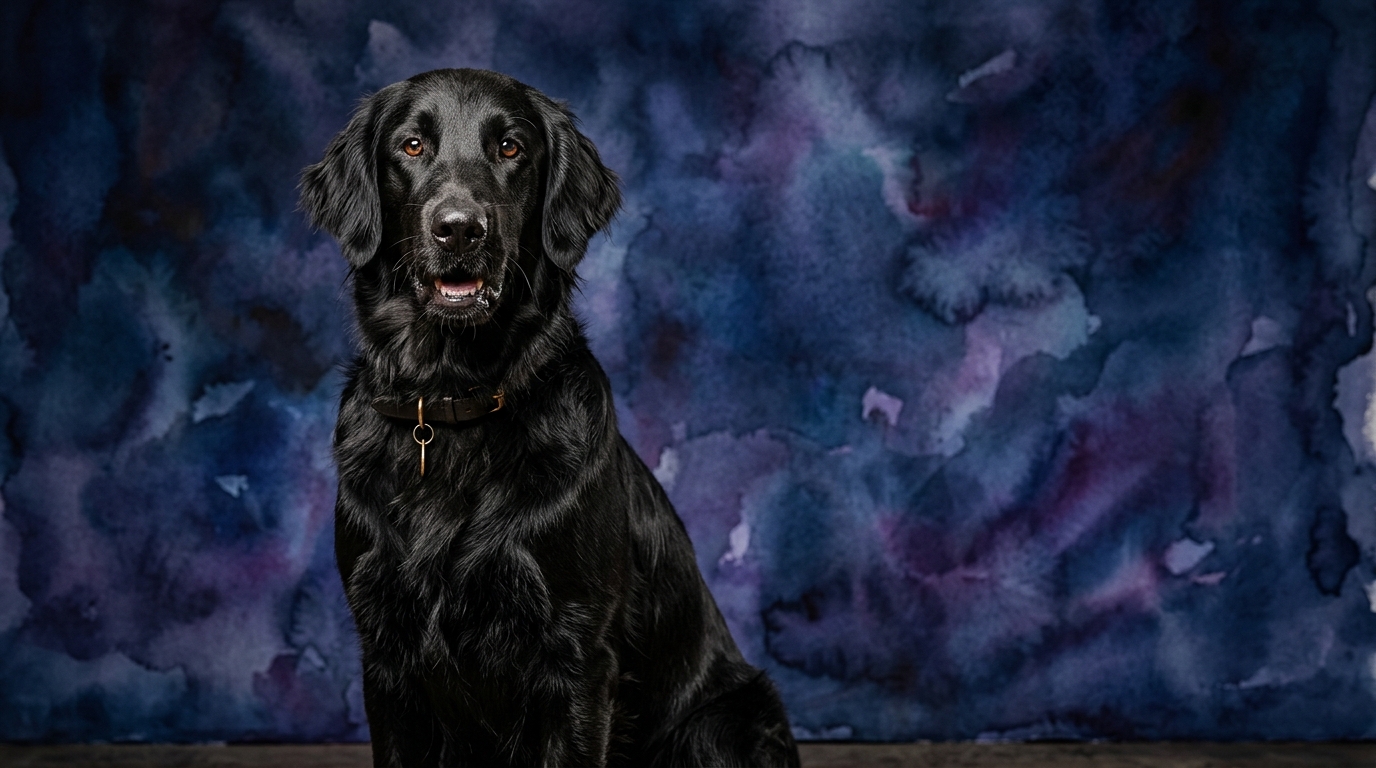
In contrast, the Flat-Coated Retriever, a Sporting group member with a lineage devoted to retrieving game, presents a profile with notable strengths, particularly in areas relevant to its working role. Its Problem Solving capability earns a 4 out of 5, signifying a dog that can quickly assess novel situations and devise effective strategies, often demonstrating a keen understanding of cause and effect. Training Speed, also at 4 out of 5, highlights their eagerness and aptitude for rapidly acquiring new skills and commands, making them highly responsive to instruction. Social Intelligence aligns with the Icelandic Sheepdog at 3 out of 5, reflecting a friendly and adaptable nature that allows them to connect well with people. Their Instinctive Drive is likewise 3 out of 5, primarily manifesting as a strong, joyful drive to retrieve and carry objects. The standout feature for the Flat-Coated Retriever is its Memory, scoring an impressive 5 out of 5, indicating an exceptional ability to retain vast amounts of information, from complex sequences of commands to the precise location of a dropped item over extended periods.
Where the Icelandic Sheepdog Excels Cognitively
While the Icelandic Sheepdog may not boast the highest scores in raw processing speed or memory recall, its cognitive strengths lie in its balanced, independent application of intellect, particularly valuable in its original herding context. Its 3/5 in Problem Solving, combined with a moderate Instinctive Drive, suggests a dog that is not merely reactive but capable of making independent judgments in dynamic, unsupervised situations. Unlike breeds bred for strict compliance, the Icelandic Sheepdog's cognitive makeup allows it to assess environmental changes, such as a stray lamb or an unfamiliar sound, and respond appropriately without constant human direction. This independent decision-making, while requiring careful guidance in a domestic setting, reflects a robust form of practical intelligence tailored to its historical role.
Furthermore, its 3/5 Social Intelligence is perfectly attuned to forming deep, reciprocal bonds. This isn't about complex social manipulation, but rather a genuine, consistent ability to understand and respond to human emotions and intentions within the family unit. This level of social cognition fosters a companion that is watchful and connected, offering a steady, predictable presence. The Icelandic Sheepdog's overall cognitive balance means it is less prone to the anxieties or frustrations that can arise in breeds with extremely high drives or specific cognitive imbalances, making it a harmoniously integrated member of a household.
Where the Flat-Coated Retriever Excels Cognitively
The Flat-Coated Retriever's cognitive profile shines brightest in its exceptional capacity for learning and retention, making it a true master of complex tasks and detailed recall. Its 4/5 in Problem Solving demonstrates a superior ability to analyze situations and strategize, allowing it to quickly grasp the mechanics of novel challenges, whether it's figuring out a new puzzle toy or navigating an agility course. This cognitive agility means they often anticipate next steps and connect various pieces of information to achieve a goal, rather than relying solely on trial and error.
The Flat-Coated Retriever's 5/5 Memory score is a profound asset, distinguishing it significantly. This isn't just about remembering basic commands; it encompasses an extraordinary ability to recall specific events, locations, and intricate sequences of behaviors over long durations. For instance, a Flat-Coat can remember the precise spot a toy was dropped hours ago or execute a multi-step obedience routine perfectly after a long break. This superior memory, coupled with its 4/5 Training Speed, makes them remarkably efficient learners and highly reliable partners in activities requiring precision, consistency, and a vast repertoire of learned behaviors, from competitive obedience to search and rescue work. Their drive to retrieve is not just physical; it's mentally reinforced by their ability to remember and execute the exact process required.
Training Dynamics: Which is Easier to Train?
Based on their cognitive profiles, the Flat-Coated Retriever generally presents as the easier breed to train for a wide range of tasks, particularly those requiring quick acquisition and reliable recall. With a Training Speed of 4/5 and an outstanding Memory of 5/5, Flat-Coats grasp new concepts rapidly and retain them with remarkable tenacity. They often require fewer repetitions to solidify a command and are less likely to "forget" previously learned behaviors. This makes them highly rewarding for owners interested in advanced obedience, dog sports, or any activity demanding a broad vocabulary of commands and precise execution. Their enthusiasm and desire to please further augment their trainability, making training sessions engaging and productive.
The Icelandic Sheepdog, with a Training Speed of 3/5 and Memory of 3/5, will require a more patient and consistent approach. While certainly trainable, they may need more repetitions to fully internalize new commands and might take longer to generalize learned behaviors to different environments. Their herding background instills a degree of independent thought and vigilance, which, while valuable in their original role, can sometimes manifest as a slight delay in compliance compared to the more overtly eager-to-please retriever. Owners of Icelandic Sheepdogs should focus on positive reinforcement, short, engaging sessions, and understanding that their dog's cognitive strengths lie in watchful independence rather than immediate, flawless execution of complex commands.
Matching Breeds to Lifestyles: Active vs. Relaxed Owners
Both the Icelandic Sheepdog and the Flat-Coated Retriever are inherently active breeds, making them generally unsuitable for truly "relaxed" or sedentary owners. However, their cognitive profiles suggest different types of activity best suit each. The Flat-Coated Retriever, with its 4/5 Problem Solving, 4/5 Training Speed, and 5/5 Memory, thrives with active owners who enjoy structured, mentally stimulating activities. These dogs excel in competitive dog sports like agility, obedience, flyball, and scent work, where their quick learning and exceptional recall are invaluable. Owners who enjoy teaching complex tricks, engaging in regular training sessions, or participating in field work will find a Flat-Coat to be an enthusiastic and capable partner. Their cognitive needs demand consistent engagement to prevent boredom.
The Icelandic Sheepdog, while also active, aligns better with owners who appreciate a companion for more natural, exploratory, and moderately structured activities. Its 3/5 scores across most cognitive dimensions, particularly its balanced Instinctive Drive, mean it enjoys long hikes, exploring varied terrain, and engaging in activities that allow for some independent decision-making, like herding games or tracking. While they benefit from training, the intensity and complexity might be less than what a Flat-Coat requires for fulfillment. Owners who enjoy a watchful, engaged companion for outdoor adventures and moderate mental challenges, rather than high-stakes competition, might find the Icelandic Sheepdog's cognitive style a better fit. They need physical activity and mental engagement, but perhaps with less pressure for precision and memorization than their retriever counterpart.
The Verdict
Choose the Icelandic Sheepdog if you value a watchful, independent companion with balanced cognitive abilities, suited for moderate, exploratory activities and a deep family bond.
Opt for the Flat-Coated Retriever if you seek a highly trainable, enthusiastic partner with exceptional memory and problem-solving skills, eager to excel in complex training and dog sports.
🧠 Find Your Pet's IQ Score
Our Pet IQ Lab assessment covers 25+ tests across 5 cognitive dimensions — personalized to your breed.
Take the Full IQ Test →Frequently Asked Questions
Are Icelandic Sheepdogs good with children?
With a Social Intelligence score of 3/5, Icelandic Sheepdogs generally interact well with children and are known for their amiable disposition. As with any breed, early socialization and supervised interactions are crucial to foster positive relationships and ensure both dog and child understand appropriate boundaries.
Do Flat-Coated Retrievers require a lot of mental stimulation?
Yes, with their 4/5 Problem Solving and 5/5 Memory, Flat-Coated Retrievers absolutely thrive on regular mental stimulation. They benefit greatly from consistent training, puzzle toys, and engaging activities that challenge their cognitive abilities, helping to prevent boredom and channeling their energy constructively.
Are either of these breeds suitable for apartment living?
Neither breed is ideally suited for small apartment living due to their active natures and cognitive needs. Both require significant daily exercise and mental engagement, though an Icelandic Sheepdog might adapt slightly better to less space if its exercise needs are vigorously met, while a Flat-Coated Retriever truly benefits from more room to move and play.