Side-by-Side IQ Profile: Herder vs. Gundog Minds
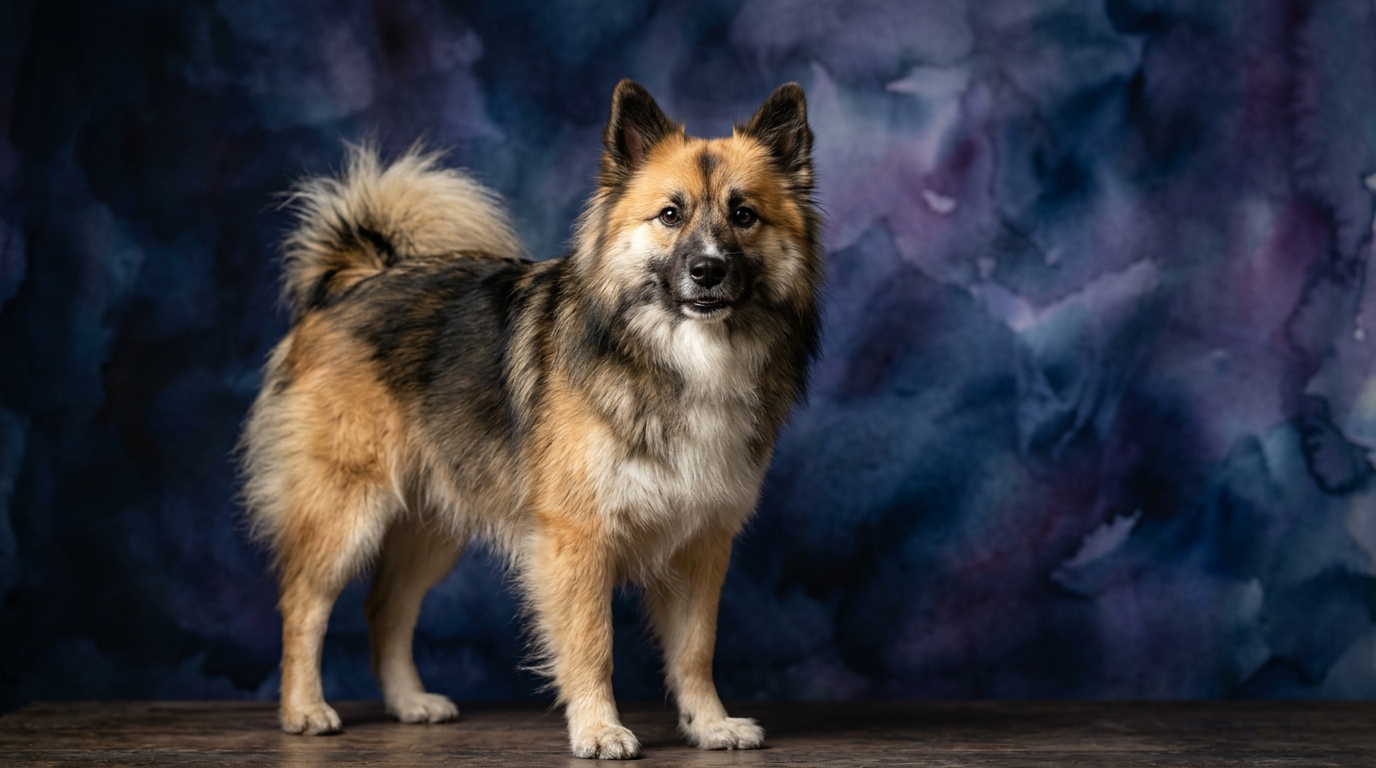
To truly appreciate the unique cognitive architecture of these breeds, we must examine their intelligence across five core dimensions. The Icelandic Sheepdog, a Herding group member, is not Coren-ranked, reflecting a different evolutionary path for its intellect. Its problem-solving is rated 3/5, indicating a practical, adaptable mind suited for varied environmental challenges. Training speed is also 3/5, suggesting a willingness to learn but perhaps with a streak of independent thought. Social intelligence stands at 3/5, reflecting strong family bonds and awareness of its 'flock.' Its instinctive drive is 3/5, a clear manifestation of its herding heritage, and memory is 3/5, solid for routines and learned tasks.
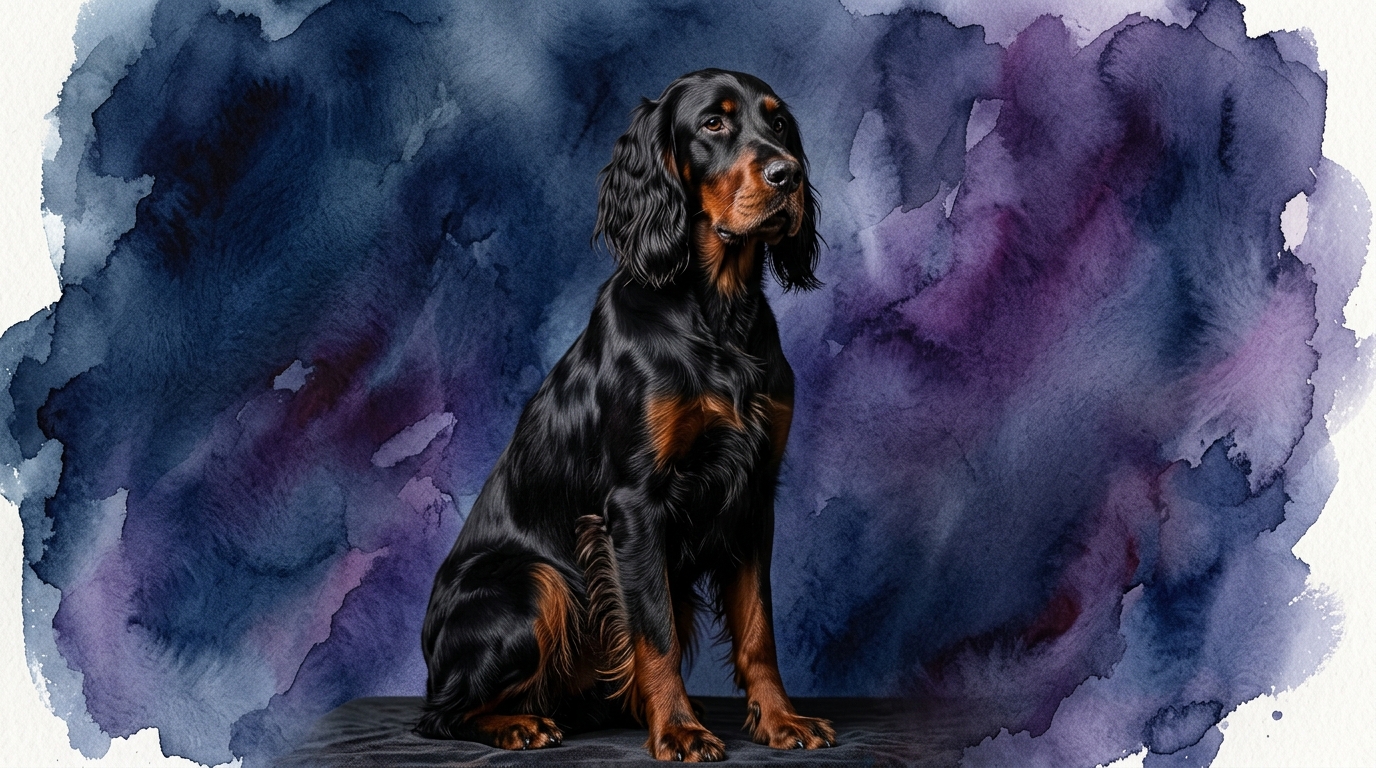
In contrast, the Gordon Setter, a Sporting breed, holds a notable Coren rank of #39, placing it among breeds known for their working obedience and trainability. Its problem-solving ability is rated 4/5, indicative of a strategic mind capable of complex field navigation. Training speed is also 4/5, highlighting its responsiveness and eagerness to engage. Social intelligence is 3/5, reflecting a devoted family companion, but its primary cognitive focus during work is often external. Its instinctive drive is 3/5, manifesting as a strong, refined hunting instinct, and memory is 4/5, crucial for retaining intricate field patterns and commands over time. This comparative glance immediately reveals areas where each breed’s history has sculpted distinct cognitive strengths.
Where the Icelandic Sheepdog Wins Cognitively
The Icelandic Sheepdog's cognitive strengths are deeply rooted in their ancestral role as resilient herders in challenging Nordic landscapes. Their problem-solving ability, rated 3/5, shines in practical, real-world scenarios, particularly when navigating complex terrain or making independent decisions to manage a flock. Unlike dogs bred for precise human commands, the Icelandic Sheepdog often had to assess situations and act autonomously to keep sheep safe, demonstrating a situational awareness honed by centuries of necessity. This breed exhibits a unique vocal intelligence, employing a range of barks and yips not just for warning, but for communicating intent and managing livestock, a nuanced form of communication that speaks to their adaptive cognitive toolkit. Their instinctive drive (3/5) is less about a singular prey drive and more about a holistic herding impulse, requiring a nuanced understanding of flock dynamics and environmental factors. This blend of practical problem-solving and vocal communication, combined with a robust memory (3/5) for their specific routines and family members, gives them an edge in environments demanding self-reliance and adaptable, independent action.
Where the Gordon Setter Wins Cognitively
The Gordon Setter’s cognitive superiority emerges from their specialized role as a gundog, where precision, endurance, and keen sensory processing are paramount. Their problem-solving capability, marked at 4/5, is evident in their strategic approach to locating game, requiring them to analyze scent trails, terrain, and wind patterns to pinpoint birds. This isn't just instinct; it's a sophisticated application of sensory input combined with learned strategies. They excel in sustained focus during demanding tasks, a cognitive trait vital for successful hunting. Furthermore, their superior training speed (4/5) and memory (4/5) allow them to rapidly acquire and retain complex sequences of commands, essential for intricate field work involving 'pointing,' 'flushing,' and 'retrieving.' A Gordon Setter can remember specific coverts where game might be found or recall intricate routes through varied landscapes, demonstrating a spatial and procedural memory that surpasses many breeds. Their instinctive drive (3/5) is highly refined, channeling their natural hunting impulses into a disciplined, cooperative partnership, showcasing a capacity for focused learning and execution that is a hallmark of their intellectual design.
Which is Easier to Train and Why
When assessing ease of training, the Gordon Setter generally presents a more straightforward path for the average owner. With a training speed of 4/5 and memory of 4/5, they are often quick to grasp new commands and retain them effectively. Their eagerness to please, coupled with their inherent focus on tasks related to their gundog heritage, makes them highly responsive to positive reinforcement and consistent instruction. A Gordon Setter thrives on having a job, and training provides that mental stimulation, leading to a cooperative and engaged learner. Their natural impulse is to work in partnership, making them amenable to structured lessons and clear expectations.
In contrast, the Icelandic Sheepdog, with a training speed of 3/5 and memory of 3/5, can be more independent in their learning approach. While certainly capable of learning, their centuries of autonomous herding mean they might occasionally question commands or offer their own interpretation of a situation. Their strong instinctive drive (3/5) to herd can manifest as nipping at heels or circling, behaviors that require patient redirection rather than simple suppression. Training an Icelandic Sheepdog demands consistency, creativity, and an understanding of their deep-seated instincts, often requiring the owner to be more resourceful in making lessons engaging and relevant to their natural inclinations. They learn best when training feels like a collaboration rather than a dictate.
Suitability for Active vs. Relaxed Owners
Neither the Icelandic Sheepdog nor the Gordon Setter is ideally suited for a truly relaxed, sedentary owner, as both breeds possess significant energy and cognitive needs. However, their specific requirements diverge. The Gordon Setter is a superb match for active owners who enjoy vigorous outdoor pursuits like hiking, running, or participating in dog sports such as field trials, agility, or obedience. Their substantial stamina and problem-solving ability (4/5) thrive with consistent physical exercise and mentally stimulating work that taps into their gundog instincts. An owner who can provide long, engaging walks and opportunities for structured learning will find a highly satisfied companion. For a more relaxed owner, the Gordon Setter's energy levels and need for structured engagement might prove overwhelming without adequate outlets.
The Icelandic Sheepdog also requires an active owner, but their activity needs often lean towards consistent, varied engagement rather than purely high-intensity bursts. Owners who enjoy exploring, engaging in 'think-and-do' activities like agility or herding games, and who can manage their inherent vocal tendencies will find a great partner. Their instinctive drive (3/5) to herd means they need mental tasks to prevent boredom, and their social intelligence (3/5) means they thrive on family interaction. A relaxed owner might struggle with an Icelandic Sheepdog's need for mental stimulation and their potential for persistent barking if under-exercised or under-stimulated, as their problem-solving (3/5) might turn to finding "trouble" if not given constructive outlets.
The Verdict
Choose the Icelandic Sheepdog if you seek a resilient, communicative companion who thrives on independent problem-solving in varied environments and enjoys active, engaging family life, especially if you appreciate their unique vocal expressions and herding instincts.
Opt for the Gordon Setter if you desire a highly trainable, focused partner for demanding outdoor activities and dog sports, valuing their exceptional memory and problem-solving skills in pursuit of a common goal, particularly in field-related endeavors.
🧠 Find Your Pet's IQ Score
Our Pet IQ Lab assessment covers 25+ tests across 5 cognitive dimensions — personalized to your breed.
Take the Full IQ Test →Frequently Asked Questions
Are Icelandic Sheepdogs hard to train?
While not inherently difficult, Icelandic Sheepdogs require patient and consistent training due to their independent herding nature. Their intelligence shines when tasks engage their problem-solving skills and instinctive drives, making positive reinforcement and creative approaches most effective.
Do Gordon Setters need a lot of exercise?
Yes, Gordon Setters possess significant stamina and require substantial daily exercise to remain physically and mentally content. Long walks, runs, and engaging activities that tap into their gundog instincts are crucial for preventing boredom and behavioral issues.
Which breed is better with children?
Both breeds can be good with children when properly socialized and trained. The Icelandic Sheepdog's strong family bond and social intelligence make them gentle companions, while the Gordon Setter's affectionate nature and playful energy can make them good playmates, though their size requires supervision with very young children.