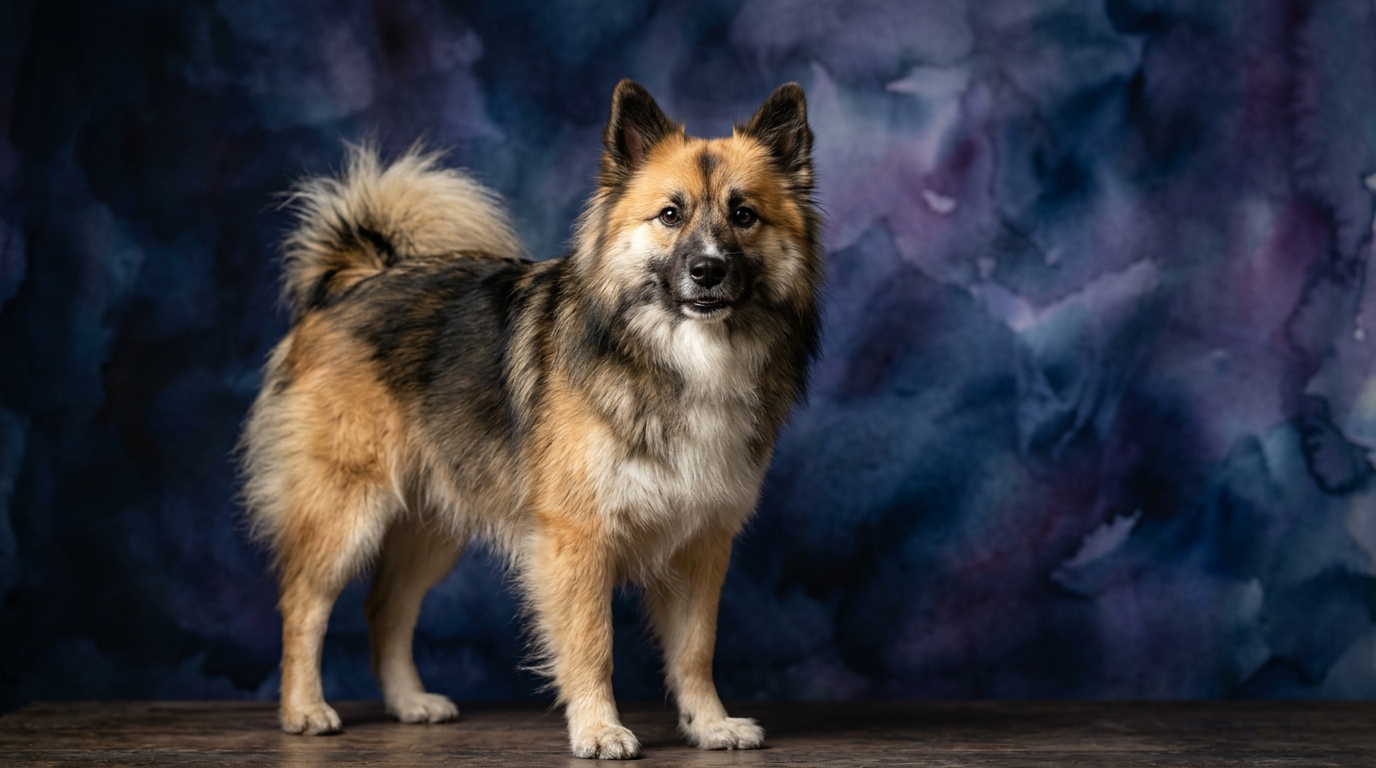
Side-by-Side IQ Profile: Icelandic Sheepdog
Problem Solving (3/5): Their problem-solving skills are practical, manifesting in their ability to independently navigate complex herding situations, find lost sheep, or adapt quickly to changing environmental factors. This score reflects a resourcefulness geared towards real-world, dynamic challenges rather than abstract puzzles.
Training Speed (3/5): Icelandic Sheepdogs learn commands moderately quickly, driven by an eagerness to please but balanced by a historical independence in their herding duties. They respond well to engaging, consistent training that leverages their natural drives, though their focus can sometimes be momentarily diverted by environmental stimuli.
Social Intelligence (3/5): Highly attuned to their human handlers and flock, their social intelligence allows them to read subtle cues and react appropriately, making them responsive companions. They excel at understanding the dynamics of their social group, whether human or animal, and integrating seamlessly.
Instinctive Drive (3/5): A strong herding instinct defines their drive, leading them to monitor and manage their surroundings through circling, nudging, and vocalizations. This drive provides a persistent motivation for engagement and work, requiring consistent outlets to keep them fulfilled.
Memory (3/5): They possess a good memory for commands, routines, and the intricate details of their environment, including routes and specific individuals. This retention aids their reliability in practical tasks and their ability to recall past interactions within their established social structure.
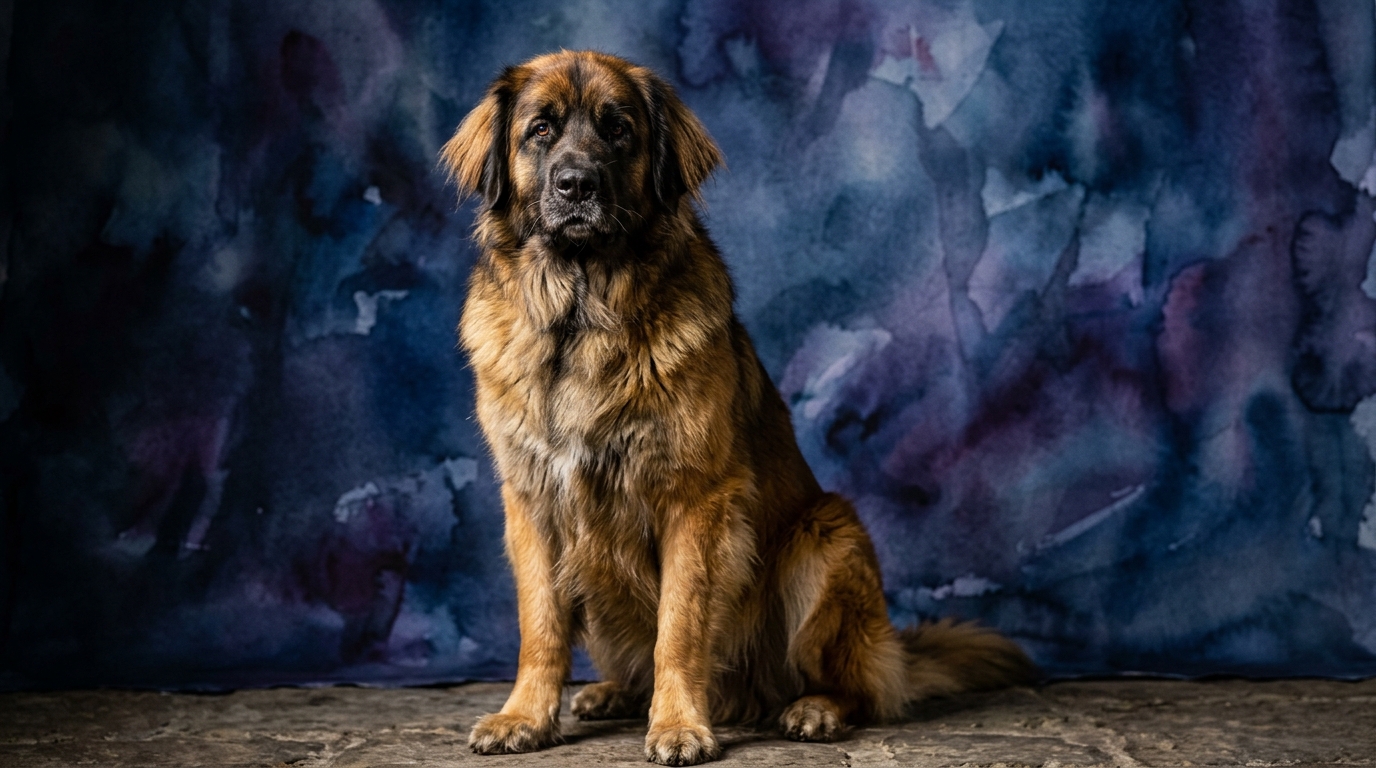
Side-by-Side IQ Profile: Leonberger
Problem Solving (3/5): The Leonberger's problem-solving is thoughtful and situation-specific, often applied to understanding household rules, discerning social cues, or figuring out how to achieve comfort or proximity to family. Their intelligence is geared towards navigating complex human environments with a calm, discerning approach.
Training Speed (3/5): Leonbergers learn at a moderate pace, demonstrating a willingness to cooperate that is balanced by their deliberate nature and large size. They thrive on positive, patient reinforcement, developing a deep, reliable understanding of commands rather than a rapid, surface-level acquisition, leading to consistent performance.
Social Intelligence (3/5): Their social intelligence is exceptional, enabling them to keenly perceive human emotions and intentions, making them empathetic companions and skilled therapy animals. They integrate smoothly into family life, often serving as watchful, gentle guardians who understand social hierarchies.
Instinctive Drive (3/5): Their primary drive stems from their working and guardian heritage, manifesting as a strong desire for companionship, protection, and purpose within their family. This drive results in a calm vigilance and an intrinsic motivation to be near and interact with their people, without the constant 'busyness' of a herder.
Memory (3/5): Leonbergers exhibit a solid memory for family members, daily routines, and established rules, contributing to their predictable temperament. They recall past interactions and apply those lessons to future behaviors, making them dependable and consistent members of their household.
Where Icelandic Sheepdog Wins Cognitively
The Icelandic Sheepdog truly excels in environmental adaptability and quick, independent decision-making in dynamic outdoor settings. Their herding background has honed a cognitive strength in rapidly assessing changing circumstances—like a sudden shift in wind affecting flock movement or an unexpected obstacle in their path—and devising an immediate, effective response. This isn't about abstract thought, but rather a practical, real-time problem-solving that is essential for managing livestock, making them particularly adept at navigating and influencing their physical surroundings with agility and foresight. Their alertness to subtle environmental cues, combined with their capacity for independent action when direct human instruction isn't feasible, gives them an edge in spontaneous, fast-paced outdoor challenges where self-reliance is paramount.
Where Leonberger Wins Cognitively
The Leonberger's cognitive strengths lie in their nuanced social discernment and their capacity for calm, thoughtful responses in complex human environments. Unlike the quick, reactive intelligence of a herder, the Leonberger displays a more considered approach to social situations, often taking a moment to "read the room" before acting. This allows them to excel at understanding subtle emotional cues from humans, making them exceptional therapy animals and patient family companions. Their ability to discriminate between routine visitors and potential threats, coupled with their inherent gentle nature, demonstrates a sophisticated social intelligence that prioritizes harmony and protection within their established pack, enabling them to navigate intricate family dynamics with remarkable poise and reliability.
Which is Easier to Train and Why
Determining which breed is "easier" to train depends significantly on the owner's approach and the desired training outcomes, given both breeds score 3/5 in Training Speed. The Icelandic Sheepdog, with its strong herding instincts and vocal nature, can be quicker to pick up new commands when they directly relate to a task or provide an outlet for their energy. Their eagerness to engage and their natural biddability make them responsive to positive reinforcement, but their independent streak means that consistency and engaging, varied training sessions are crucial to prevent boredom or self-directed activities. They may require more effort in impulse control training due to their reactive herding drive. In contrast, the Leonberger's training speed is more deliberate, but their inherent desire to please and their calm demeanor can make them incredibly consistent learners over time. They thrive on a patient, relationship-based approach and respond well to clear, gentle guidance. While they might not grasp a new trick as rapidly as some herding breeds, their retention and reliability once a command is learned are typically very strong, making them easier to manage in a stable home environment where consistency is maintained. For an owner seeking a highly responsive partner for agility or herding trials, the Icelandic Sheepdog might initially feel "easier" due to their drive. However, for an owner prioritizing a calm, predictable, and deeply integrated family member who responds reliably to commands in a variety of social settings, the Leonberger's thoughtful approach to learning might ultimately prove "easier" in the long run.
Which Suits Active Owners vs. Relaxed Owners
For the truly active owner, the Icelandic Sheepdog is generally the more suitable choice. Their cognitive profile, marked by a 3/5 instinctive drive and problem-solving geared towards dynamic environments, means they thrive on consistent physical activity and mental engagement. Owners who enjoy hiking, dog sports like agility or herding, or simply extended outdoor adventures will find a willing and capable companion in the Icelandic Sheepdog. Their need to "work" and their inherent watchfulness require an owner committed to providing outlets for their energy and mental stimulation, ensuring their cognitive abilities are well-utilized. A relaxed owner might find their persistent need for activity and vocal nature overwhelming. Conversely, the Leonberger is an excellent match for owners who appreciate a more relaxed, yet still engaged, lifestyle. While they require regular walks and opportunities for play to maintain their physical and mental well-being, their cognitive strengths in social intelligence and thoughtful problem-solving mean they are content with being a deeply integrated part of family life. They are less about constant motion and more about companionship and calm vigilance. A relaxed owner who can provide consistent, gentle training, ample social interaction, and a comfortable home environment will find the Leonberger's steady temperament and affectionate nature to be a rewarding fit, as their mental exercise often comes from observing and participating in family routines rather than high-intensity tasks.
The Verdict
Select the Icelandic Sheepdog if you are an active, experienced owner eager for a highly engaged, responsive partner for outdoor adventures or dog sports, valuing their independent problem-solving and herding drive.
Opt for the Leonberger if you seek a calm, gentle, and deeply perceptive family companion with a strong guardian instinct, thriving in a home that offers consistent social interaction and a more relaxed pace.
🧠 Find Your Pet's IQ Score
Our Pet IQ Lab assessment covers 25+ tests across 5 cognitive dimensions — personalized to your breed.
Take the Full IQ Test →Frequently Asked Questions
Do Icelandic Sheepdogs make good family pets despite their herding drive?
Yes, Icelandic Sheepdogs can be wonderful family pets, known for their affectionate and playful nature. Their herding drive means they need consistent exercise and mental stimulation, but with proper outlets, they bond closely with their families and are typically good with children and other pets.
Are Leonbergers prone to being destructive if not given enough mental stimulation?
Leonbergers generally are not prone to excessive destructiveness, but like any dog, inadequate mental or physical exercise can lead to boredom and unwanted behaviors. Their need for companionship and a sense of purpose means they thrive on being included in family activities and appreciate consistent training and gentle enrichment.
How do these breeds compare in terms of their vocalizations?
Icelandic Sheepdogs are typically more vocal, using barks and yips as part of their herding communication and to alert their owners to changes in their environment. Leonbergers are generally quieter, though they will use a deep bark to alert their family to strangers or perceived threats, reflecting their guardian instincts rather than constant chatter.