
A Closer Look at Shared Cognitive Scores
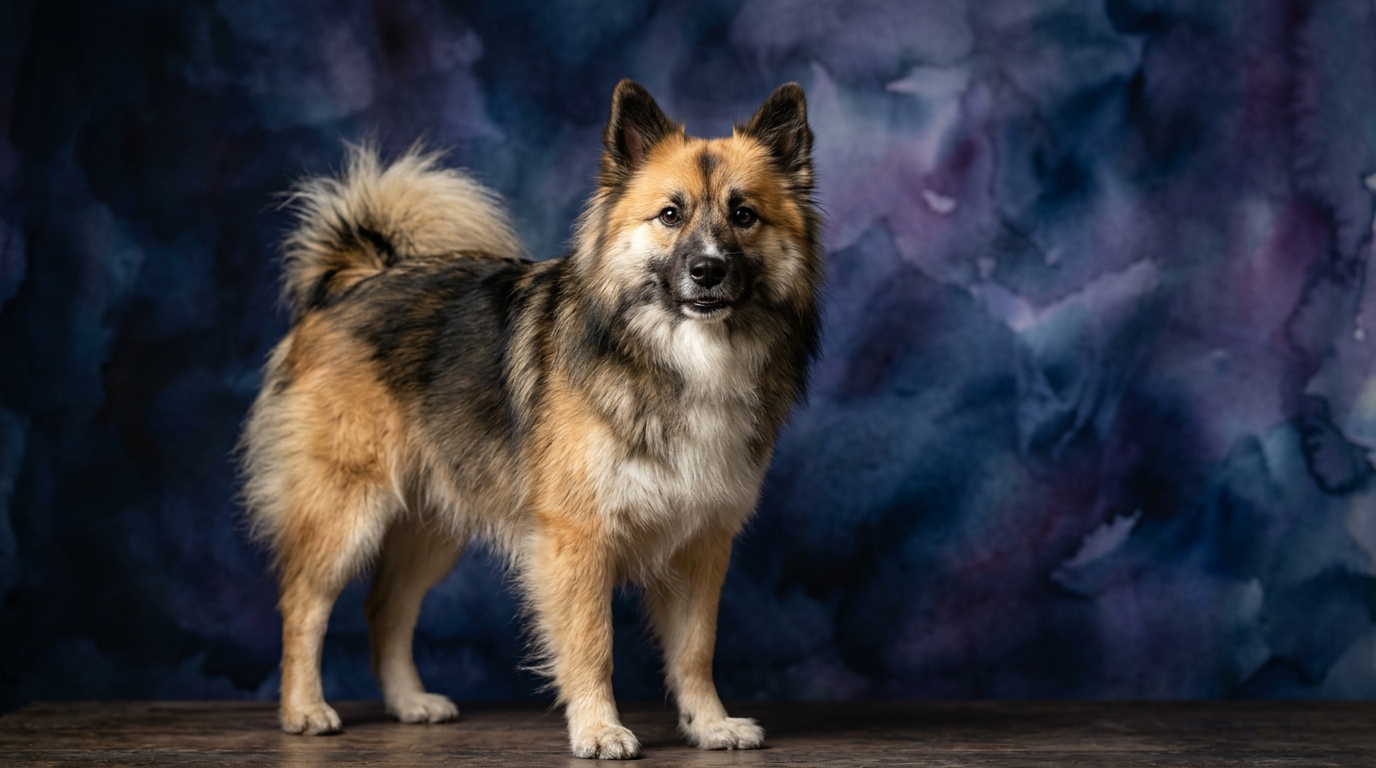
At The Cosmic Pet Pet IQ Lab, both the Icelandic Sheepdog and the Manchester Terrier register a consistent 3 out of 5 across all five measured dimensions: problem solving, training speed, social intelligence, instinctive drive, and memory. This apparent equality on paper belies fascinating differences in how these breeds express their cognitive capabilities, shaped by centuries of distinct working roles. For the Icelandic Sheepdog, a 3/5 in problem solving reflects their capacity for independent thought in dynamic, open environments, such as navigating a complex flock across varied terrain or strategizing to gather strays without direct human command. Their training speed at 3/5 suggests a willingness to learn and cooperate with a shepherd, adapting new commands to practical herding scenarios. Social intelligence, also 3/5, manifests as a keen awareness of their flock's dynamics and their human companion's subtle cues, maintaining vigilance over their environment. An instinctive drive of 3/5 is primarily focused on their herding duties, involving barking to move sheep and a moderate, controlled chase instinct. Their 3/5 memory is crucial for recalling vast grazing routes, flock movements, and specific commands from their handler.
In contrast, the Manchester Terrier's 3/5 in problem solving translates to resourcefulness in targeted, enclosed challenges, such as locating and flushing out vermin from tight spaces or outsmarting agile prey. Their training speed, also 3/5, indicates they can grasp new concepts quickly, though this is often balanced by a terrier's characteristic independent streak, requiring engaging and consistent methods to maintain focus. Their social intelligence, at 3/5, is typically expressed through intense loyalty and attentiveness to their primary human, particularly in working partnerships where precision and focus are paramount. The Manchester Terrier’s 3/5 instinctive drive is a powerful, persistent urge to hunt and dispatch small animals, often involving strategic pursuit and digging. Finally, their 3/5 memory serves them well in recalling the hiding spots of prey, learned tricks, and established household routines, demonstrating a good retention for relevant information.
Icelandic Sheepdog's Cognitive Edge: The Herding Mind
While both breeds share identical scores, the Icelandic Sheepdog often exhibits a cognitive advantage in scenarios demanding broad spatial awareness and the management of multiple moving variables. Their 3/5 problem-solving ability shines in situations that require independent decision-making over large areas, such as when a shepherd is out of sight and the dog must autonomously guide a flock through a changing landscape or protect it from potential threats. This isn't about overcoming a single obstacle, but about maintaining equilibrium within a complex, living system. Their social intelligence extends beyond direct human interaction to an intuitive understanding of animal behavior, allowing them to anticipate flock movements and respond preemptively. This nuanced communication with both livestock and handler showcases a subtle cognitive strength. Furthermore, their memory at 3/5 is deeply rooted in recalling intricate patterns of terrain, the distinct personalities of individual sheep, and the learned strategies for effective herding, making them adept at long-term, environmental recall critical for their heritage.
Manchester Terrier's Cognitive Prowess: The Hunter's Wit
The Manchester Terrier, conversely, demonstrates a distinctive cognitive strength in focused, high-stakes problem-solving that requires immediate action and cunning. Their 3/5 problem-solving excels in confined, target-oriented tasks, such as navigating complex tunnels to flush out vermin or devising quick strategies to access a hidden treat. This involves a sharp, concentrated intelligence focused on a singular objective, demanding rapid assessment and decisive execution. Their 3/5 instinctive drive, a formidable force, is channeled into persistent, strategic pursuit, often involving sophisticated scent tracking and physical agility to outmaneuver prey. This isn't merely about chasing, but about understanding the prey’s movements and anticipating its next move. The Manchester Terrier’s social intelligence, while 3/5, is often expressed through intense, one-on-one loyalty and a capacity to read their primary human's intentions for tasks requiring precision and partnership, making them adept at collaborative hunting or sport scenarios where direct communication is key.
Trainability: Herder's Cooperation vs. Terrier's Tenacity
When considering trainability, the real-world application of their 3/5 training speed scores reveals behavioral differences. The Icelandic Sheepdog generally presents as more cooperative and eager to please, a trait honed by centuries of working closely with shepherds. They are typically responsive to positive reinforcement and thrive on engaging tasks that tap into their natural herding instincts, making them relatively straightforward to teach new commands and behaviors. Their inherent desire to work in partnership means they are less prone to deliberate disobedience, and their focus during training sessions is usually consistent, making the learning process smoother.
The Manchester Terrier, while possessing a 3/5 training speed, often balances this with a strong, independent terrier streak. They can grasp concepts quickly and excel in specific, engaging tasks, but their intense instinctive drive and potential for stubbornness can present unique challenges. Consistency, patience, and creative training methods are essential to keep a Manchester Terrier engaged and prevent their attention from being diverted by environmental stimuli, particularly those that trigger their prey drive. While they certainly learn, their motivation might be more task-specific or reward-driven than the Icelandic Sheepdog's general desire to please, meaning trainers might need to work harder to maintain their focus against their natural inclinations.
Lifestyle Match: Energy and Engagement Needs
Both breeds require significant physical and mental engagement, making neither truly suited for genuinely "relaxed" owners in the sense of minimal interaction. However, the *nature* of their activity needs differs considerably. The Icelandic Sheepdog, with its herding background, thrives on purpose-driven activity. They require regular, engaging outlets that challenge their problem-solving and social intelligence, such as advanced obedience, agility, rally, or even scent work that mimics finding lost flock members. A daily walk isn't enough; they need a 'job' or consistent, interactive play sessions that involve their human. Their social intelligence means they enjoy being integral to family activities and can become restless if left alone for extended periods without mental stimulation.
The Manchester Terrier also demands regular exercise and mental stimulation, but their energy is often channeled through their terrier instincts. They need outlets for chasing, digging, and exploring, making activities like lure coursing, earthdog trials, or vigorous games of fetch particularly satisfying. While they can adapt to apartment living if their exercise needs are met, they require daily walks, playtime, and puzzle toys to prevent boredom and destructive behaviors stemming from their keen instinctive drive. Their targeted problem-solving might lead them to find their own 'fun' if not adequately engaged, which might involve digging up the garden or creatively accessing forbidden items. Both breeds are active, but the Icelandic Sheepdog typically desires more structured partnership work, while the Manchester Terrier enjoys more independent, instinct-fulfilling pursuits.
The Verdict
Choose the Icelandic Sheepdog if you seek a cooperative companion eager to engage in purpose-driven activities like obedience or agility, thriving on partnership and open-space exploration.
Opt for the Manchester Terrier if you appreciate a spirited, tenacious partner for targeted problem-solving, enjoying urban adventures and providing outlets for their keen prey drive.
🧠 Find Your Pet's IQ Score
Our Pet IQ Lab assessment covers 25+ tests across 5 cognitive dimensions — personalized to your breed.
Take the Full IQ Test →Frequently Asked Questions
Are Icelandic Sheepdogs good for first-time dog owners?
Yes, their cooperative nature and eagerness to please can make them suitable for new owners committed to consistent training and providing ample mental and physical stimulation. They respond well to positive reinforcement and clear guidance, adapting readily to a structured home environment.
Do Manchester Terriers get along with other pets?
Manchester Terriers possess a strong prey drive, which means careful introductions and supervision are essential, especially with smaller pets like cats or rodents. With early socialization and consistent training, they can coexist with other dogs in the household, though their assertive terrier personality may require management.
What kind of mental stimulation do these breeds need?
Icelandic Sheepdogs thrive on puzzles, scent work, and training games that mimic their herding tasks, requiring independent decision-making and problem-solving in dynamic environments. Manchester Terriers benefit from interactive toys, training that challenges their tenacity, and activities like earthdog trials or lure coursing to satisfy their instinctive drives for hunting and pursuit.