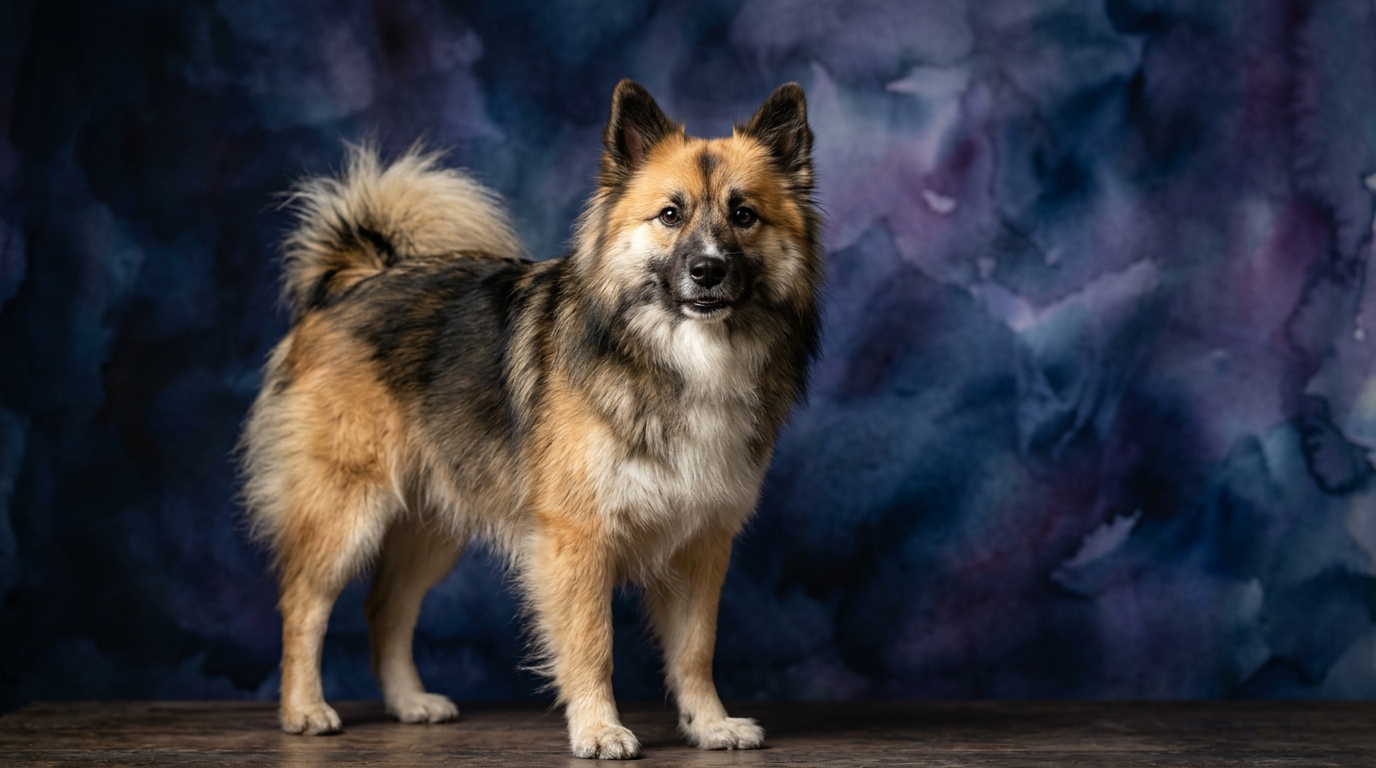
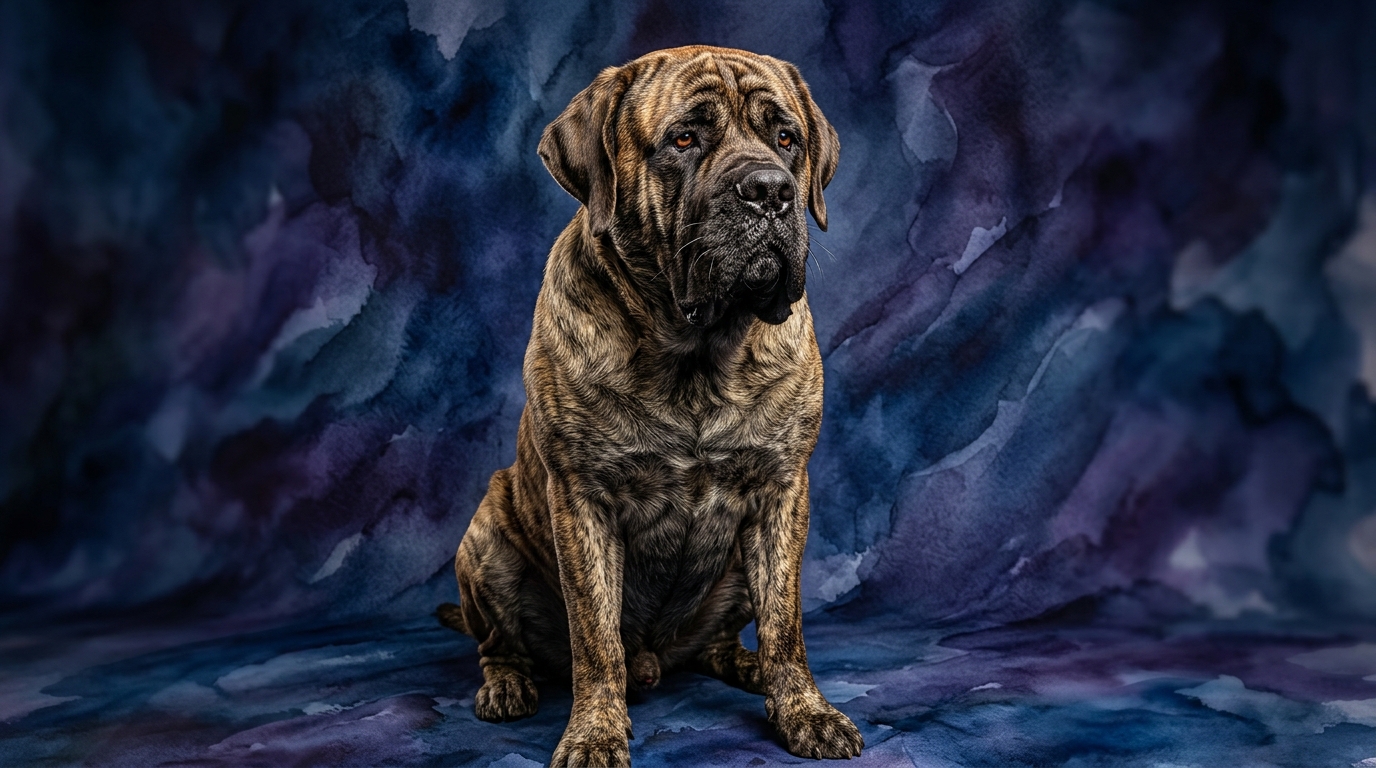
Side-by-Side IQ Profile: Practical Minds at Work
The Cosmic Pet Pet IQ Lab assesses five key cognitive dimensions, and intriguingly, both the Icelandic Sheepdog and the Mastiff register a consistent 3 out of 5 in each category. This numerical parity, however, belies the distinct ways their minds operate within their respective breed contexts.
For the Icelandic Sheepdog, a Herding breed, a 'Problem Solving' score of 3/5 often translates into resourceful improvisation when managing a flock, finding efficient paths, or navigating challenging terrain. Their 'Training Speed' at 3/5 indicates a willingness to learn and engage, though their independent herding instincts can sometimes present as a momentary distraction. 'Social Intelligence' (3/5) is evident in their nuanced communication with livestock and handlers, reading subtle cues in dynamic group settings. Their 'Instinctive Drive' (3/5) is, predictably, a strong urge to gather and control, often expressed through barking and agile movement. Finally, 'Memory' (3/5) aids them in recalling complex routes, flock patterns, and learned commands, crucial for their working life.
The Mastiff, a Working breed and Coren-ranked at #72, demonstrates its 'Problem Solving' (3/5) through calm assessment of perceived threats, discerning appropriate responses, or understanding complex household routines. Their 'Training Speed' (3/5) suggests they are capable learners, but often require consistent, patient, and positive reinforcement, reflecting their deliberate and sometimes independent nature rather than a quick eagerness to please. 'Social Intelligence' (3/5) is expressed in their ability to discern friend from foe, read their family's moods, and exhibit appropriate decorum with accepted visitors. Their 'Instinctive Drive' (3/5) is predominantly a protective, territorial instinct, manifested through calm vigilance and an imposing presence. Their 'Memory' (3/5) is robust for recognizing individuals, remembering boundaries, and recalling specific training cues over time, especially those tied to their guarding role.
Where the Icelandic Sheepdog Wins Cognitively
Despite identical numerical scores, the Icelandic Sheepdog's cognitive strengths shine in dynamic, fast-paced environments. Their problem-solving, though rated 3/5, is geared towards rapid, real-time decision-making, such as predicting a sheep's movement or quickly adapting to an unexpected change in the landscape. This contrasts with the more deliberate processing typical of a guardian breed.
Their social intelligence, while a 3/5, manifests as a nuanced ability to communicate and coordinate with both humans and other animals in a collaborative, working context. They possess a keen observational capacity for subtle shifts in group dynamics, allowing them to anticipate and respond with agility, a trait less critical for a stationary guardian.
Where the Mastiff Wins Cognitively
The Mastiff's cognitive advantages are rooted in their role as a steadfast protector. Their 3/5 problem-solving ability is less about quick maneuvers and more about deliberate, measured assessment. This allows them to evaluate situations with a calm, discerning mind, making them excellent at determining true threats versus harmless occurrences, a critical skill for a guardian.
Their social intelligence, also 3/5, is particularly adept at distinguishing between familiar, trusted individuals and strangers, often displaying a nuanced understanding of their family's social hierarchy and expectations. This discerning social capacity, combined with their instinctive drive for protection, creates a formidable yet gentle family sentinel, relying on presence and thoughtful reaction rather than frenetic activity.
Ease of Training: Herding Drive vs. Independent Spirit
While both breeds hold a 3/5 'Training Speed' score, the practical experience of training them can differ significantly due to their inherent behavioral differences. The Icelandic Sheepdog, as a Herding breed, generally possesses a strong desire to work in partnership with their human, often making them more responsive to positive reinforcement and eager to engage in training sessions. Their historical role required them to be attentive to handler commands and quick to learn complex tasks, making them appear more biddable. However, their strong instinctive drive can sometimes lead to independent decisions or vocalizations if not channeled appropriately.
The Mastiff, with its Working group heritage and Coren rank of #72, often approaches training with a more independent and sometimes stubborn demeanor. Their massive size and deliberate nature mean that while they are capable of learning, they may require more repetition, patience, and motivation to solidify commands. Their problem-solving skills mean they can understand what is asked, but their intrinsic motivation might not always be human-pleasing; instead, it's often tied to their comfort, routine, or perceived guarding duties. Early and consistent socialization and obedience training are paramount for a Mastiff, not just for manners, but for managing their sheer power responsibly.
Ideal Owners: Active Engagement vs. Calm Companionship
The Icelandic Sheepdog is best suited for active owners who relish outdoor activities and can provide consistent mental stimulation. Their herding background means they thrive on having a 'job' to do, whether it's canine sports like agility, obedience, or even just engaging puzzle toys and regular, varied walks. Owners who can channel their instinctive drive and social intelligence into productive outlets will find a joyful and engaged companion. They are not content to be couch potatoes and require owners who understand and cater to their energetic and vocal nature.
Conversely, the Mastiff aligns well with more relaxed owners who appreciate a calm, watchful presence and have ample space. While they need regular, moderate exercise for their health, they are not high-energy dogs in the same way a herding breed is. Their ideal owner is patient, consistent, and capable of handling a very large, powerful dog. They thrive on being part of the family unit, often preferring to be near their people, quietly observing. Owners must be prepared for their protective instincts and understand that their social intelligence and memory make them deeply devoted but also wary of strangers if not properly socialized.
The Verdict: Choosing Your Canine Companion
The choice between an Icelandic Sheepdog and a Mastiff hinges less on a numerical intelligence advantage and more on lifestyle compatibility and understanding their distinct cognitive applications.
If you seek an engaged, agile partner for active pursuits and appreciate a dog whose problem-solving is quick and dynamic, the Icelandic Sheepdog is an excellent match. They thrive with owners who can provide consistent mental and physical challenges, embracing their vocal expressions and herding instincts.
If you desire a calm, devoted guardian who excels at deliberate assessment and offers a majestic, protective presence, the Mastiff will be a deeply rewarding companion. They suit owners who value quiet companionship, have the space for a giant breed, and are committed to patient, consistent training for a powerful, discerning mind.
The Verdict
Choose an Icelandic Sheepdog if you lead an active lifestyle, enjoy training for canine sports, and appreciate a quick-thinking, vocal companion who thrives on engagement.
Opt for a Mastiff if you prefer a calm, watchful presence, have ample space, and are prepared to patiently guide a powerful, discerning guardian with a strong protective instinct.
🧠 Find Your Pet's IQ Score
Our Pet IQ Lab assessment covers 25+ tests across 5 cognitive dimensions — personalized to your breed.
Take the Full IQ Test →Frequently Asked Questions
Do Icelandic Sheepdogs bark a lot due to their intelligence?
Icelandic Sheepdogs are naturally vocal, a trait stemming from their herding instinct to communicate with flocks and handlers. While their intelligence allows them to understand when to bark, this trait is more about their inherent drive than a direct measure of their IQ score.
Is a Mastiff's 3/5 problem-solving score adequate for a protection dog?
Absolutely. A Mastiff's 3/5 problem-solving score is perfectly suited for a protection dog, manifesting as calm, deliberate assessment rather than frantic action. They are adept at discerning genuine threats and reacting appropriately, relying on their imposing presence and measured responses.
Given identical IQ scores, what's the biggest difference in their trainability?
The biggest difference lies in their inherent motivations and work ethic; Icelandic Sheepdogs often show a cooperative eagerness stemming from their herding role, while Mastiffs, though capable learners, require more patience and consistency due to their independent, deliberate nature and strong guardian instincts.