Side-by-Side Cognitive Profiles: Decoding Identical Scores
At first glance, the Pet IQ Lab scores for both the Icelandic Sheepdog and the Pharaoh Hound present an intriguing uniformity: Problem Solving 3/5, Training Speed 3/5, Social Intelligence 3/5, Instinctive Drive 3/5, and Memory 3/5. However, understanding what these scores signify requires diving into the breeds' historical roles and inherent behavioral patterns.
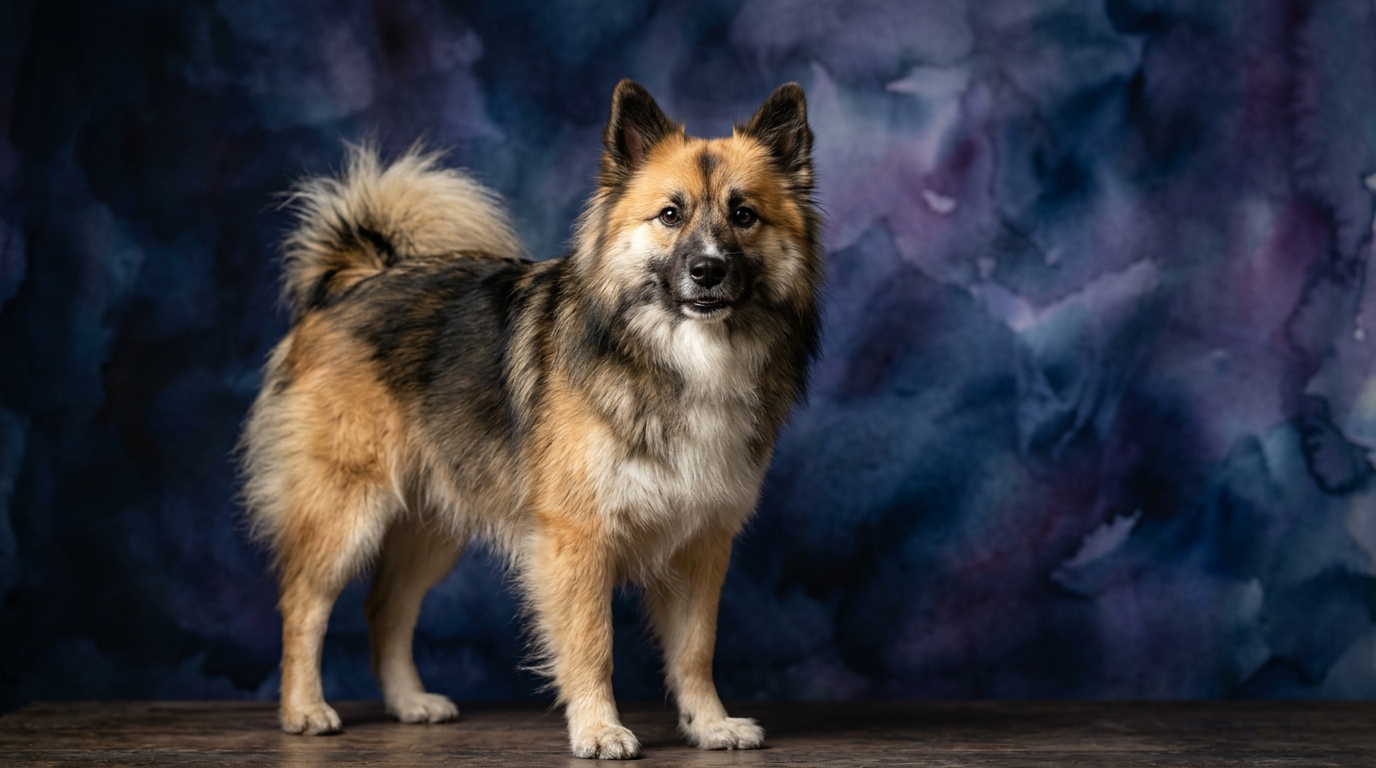
For the **Icelandic Sheepdog**, a 3/5 in **Problem Solving** reflects their innate ability to navigate complex terrain and dynamic flock situations, often requiring quick decisions to gather or move sheep. Their problem-solving is typically collaborative, geared towards fulfilling a task directed by a human, such as finding a lost lamb or re-routing a wayward flock. Their **Training Speed (3/5)** indicates they generally pick up new commands and routines with moderate speed, driven by their desire to engage and work alongside their human companions. Their learning is often reinforced by positive social interaction and a sense of purpose within their 'flock,' making them attentive students when motivated by partnership. **Social Intelligence (3/5)** shines in their ability to read human cues and other animal behaviors, essential for effective herding and harmonious cohabitation. They excel at understanding subtle body language and vocalizations, using this intelligence to maintain order within their family unit and communicate their needs or observations. Their **Instinctive Drive (3/5)** points to a strong, well-preserved herding instinct, manifesting as a desire to gather, control, and protect. This drive translates into a watchful nature and a tendency to 'manage' their family members, often expressed through gentle nudging or vocal alerts. Finally, their **Memory (3/5)** serves them well in recalling specific commands, routines, and the layout of their environment, crucial for efficient herding and navigating familiar territories. They retain learned behaviors and social interactions, allowing for consistent performance and predictable responses within their established routines.
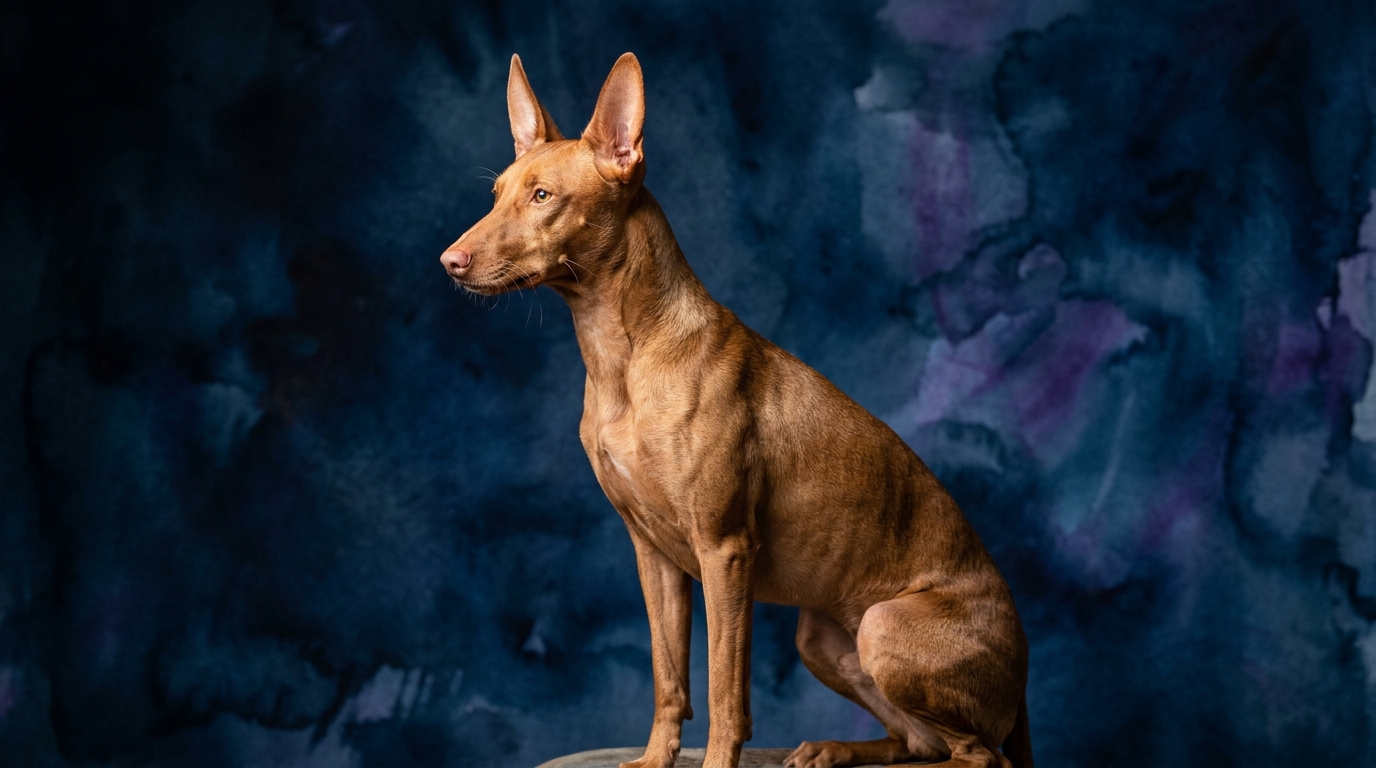
Conversely, for the **Pharaoh Hound**, a 3/5 in **Problem Solving** highlights their independent ability to strategize during a hunt, such as anticipating a prey animal's movements or finding the most efficient route through varied terrain. Their problem-solving is often self-directed, focused on achieving a singular goal with minimal human intervention. Their **Training Speed (3/5)** demonstrates a moderate learning pace, often acquiring new skills quickly when the task aligns with their natural inclinations or offers a clear, rewarding outcome. However, their independent nature means they might choose to comply only if they perceive a personal benefit, requiring consistent, engaging, and highly motivating training methods. Their **Social Intelligence (3/5)** is finely tuned to pack dynamics and understanding the intent of their human hunting partners, though it manifests differently than a herding dog's. They are adept at reading subtle shifts in human body language or vocal tone that signify the start of a chase or a change in direction, yet their focus can be singular when prey drive is engaged. The **Instinctive Drive (3/5)** reflects a potent and enduring prey drive, characterized by an acute sense of sight, smell, and an irresistible urge to chase. This drive is deeply rooted in their sighthound heritage, compelling them to pursue movement and scent with remarkable focus and endurance. For **Memory (3/5)**, Pharaoh Hounds possess a good recall for hunting routes, the location of prime hunting grounds, and the specific commands associated with the chase. They retain information relevant to their independent pursuits and comfort, remembering where treats are stored or preferred sleeping spots.
Where the Icelandic Sheepdog Excels Cognitively
While both breeds score identically, the Icelandic Sheepdog’s cognitive strengths often manifest in their cooperative spirit and nuanced social awareness. Their historical role as herders demanded an ability to work in close partnership with humans, interpreting complex signals and adapting strategies on the fly to manage livestock. This translates into a specific cognitive advantage in situations requiring continuous, responsive interaction and a desire to please. Their social intelligence is geared towards maintaining harmony and understanding the emotional states of their human family members, making them particularly adept at reciprocal communication. They excel at tasks that require sustained focus on a human handler and adjusting behavior based on subtle environmental changes relevant to their 'flock's' well-being, demonstrating a flexible cognitive application within a collaborative framework.
Where the Pharaoh Hound Excels Cognitively
Conversely, the Pharaoh Hound's identical scores belie a distinct cognitive superiority in areas of independent thought and sensory-driven problem-solving. Bred for the solitary or small-group pursuit of prey, their problem-solving ability is less about human collaboration and more about autonomous decision-making in pursuit. Their cognitive edge lies in their exceptional sensory processing – particularly sight and scent – allowing them to process environmental cues with remarkable speed and precision to track and chase. They exhibit a compelling ability to maintain intense, singular focus on a distant moving object or a faint scent trail, filtering out distractions that might deter a more socially dependent breed. This deep-seated ability to act independently and follow an instinctual path makes them formidable in tasks requiring self-reliance and acute environmental perception, showcasing a cognitive architecture built for autonomous action.
Training Dynamics: Cooperation vs. Independence
When considering ease of training, the Icelandic Sheepdog generally presents a more straightforward path for the average owner. Their 3/5 training speed is coupled with a strong inherent desire to cooperate and engage with their human companions, a legacy of their herding duties. They are often eager to learn and respond well to positive reinforcement and clear guidance, thriving on the mental stimulation of new commands and tasks that solidify their bond with their 'flock leader.' Their social intelligence helps them understand and anticipate expectations, making them responsive students. The Pharaoh Hound, despite also scoring 3/5 in training speed, often requires a different approach due to their independent nature and powerful prey drive. While they can learn quickly, their motivation is frequently tied to self-interest or the thrill of the chase. Their tendency to become singularly focused on scents or movement means they can be easily distracted from formal training, especially outdoors. Training a Pharaoh Hound demands immense patience, creativity, and highly rewarding methods to overcome their natural inclination to follow their nose or eyes over human instruction. Their independence means they might question the 'why' of a command more than an Icelandic Sheepdog, requiring trainers to make lessons engaging and relevant to their innate drives.
Matching Breeds to Owner Lifestyles
For active owners seeking a canine partner for adventures, both breeds offer unique appeals, though for different reasons. The Icelandic Sheepdog, with its history of traversing rugged terrain, thrives on consistent activity and mental engagement. They are well-suited for owners who enjoy hiking, dog sports like agility, or even herding trials, as their instinctive drive and problem-solving skills are best utilized when given a 'job.' Their moderate energy levels require regular outlets to prevent boredom and channel their intelligence constructively. They are not necessarily 'relaxed' in the sense of being couch potatoes, but their cooperative nature makes them adaptable to various activities as long as they are with their people. The Pharaoh Hound, while also active, suits owners whose definition of 'active' includes bursts of intense speed and ample space for running. Their profound prey drive and sighthound heritage mean they need secure, expansive areas to gallop freely, making them ideal for owners who can provide safe, off-leash running opportunities. They might not be as interested in structured obedience as the Icelandic, preferring to explore and chase. For truly 'relaxed' owners, neither breed is an ideal fit, as both possess significant energy and intelligence that requires consistent engagement; however, the Icelandic Sheepdog's willingness to engage in more structured, less physically demanding activities might make them a slightly more adaptable choice for an owner who is active but perhaps not a dedicated runner.
The Verdict
Choose an Icelandic Sheepdog if you seek a highly engaged, cooperative companion eager to learn and participate in family activities, thriving on social interaction and a sense of purpose within your 'flock.'
Choose a Pharaoh Hound if you admire independent intelligence, exceptional sensory abilities, and can provide ample opportunities for secure, expansive running and mental stimulation that satisfies their profound prey drive.
🧠 Find Your Pet's IQ Score
Our Pet IQ Lab assessment covers 25+ tests across 5 cognitive dimensions — personalized to your breed.
Take the Full IQ Test →Frequently Asked Questions
Are Icelandic Sheepdogs good with children?
Icelandic Sheepdogs are generally known for their gentle and patient temperament, making them suitable companions for families with children. Their herding instinct might cause them to gently 'herd' small children, which can be managed with proper training and supervision. They thrive on being part of a family unit and interacting with all members.
Do Pharaoh Hounds bark a lot?
Pharaoh Hounds are not typically excessive barkers, but they will use their voice to alert to strangers or express excitement, particularly during play or when they spot potential 'prey.' Their barks are often distinct and resonant, and they can also emit a unique 'blush' when excited or happy, a charming trait.
What kind of mental stimulation do these breeds need?
Icelandic Sheepdogs require mental challenges that engage their problem-solving and social intelligence, such as puzzle toys, obedience training, and interactive games that involve their human family. Pharaoh Hounds benefit from activities that tap into their independent hunting intelligence, like scent work, lure coursing, and problem-solving games that reward their natural curiosity and drive for pursuit.