Side-by-Side Cognitive Profiles
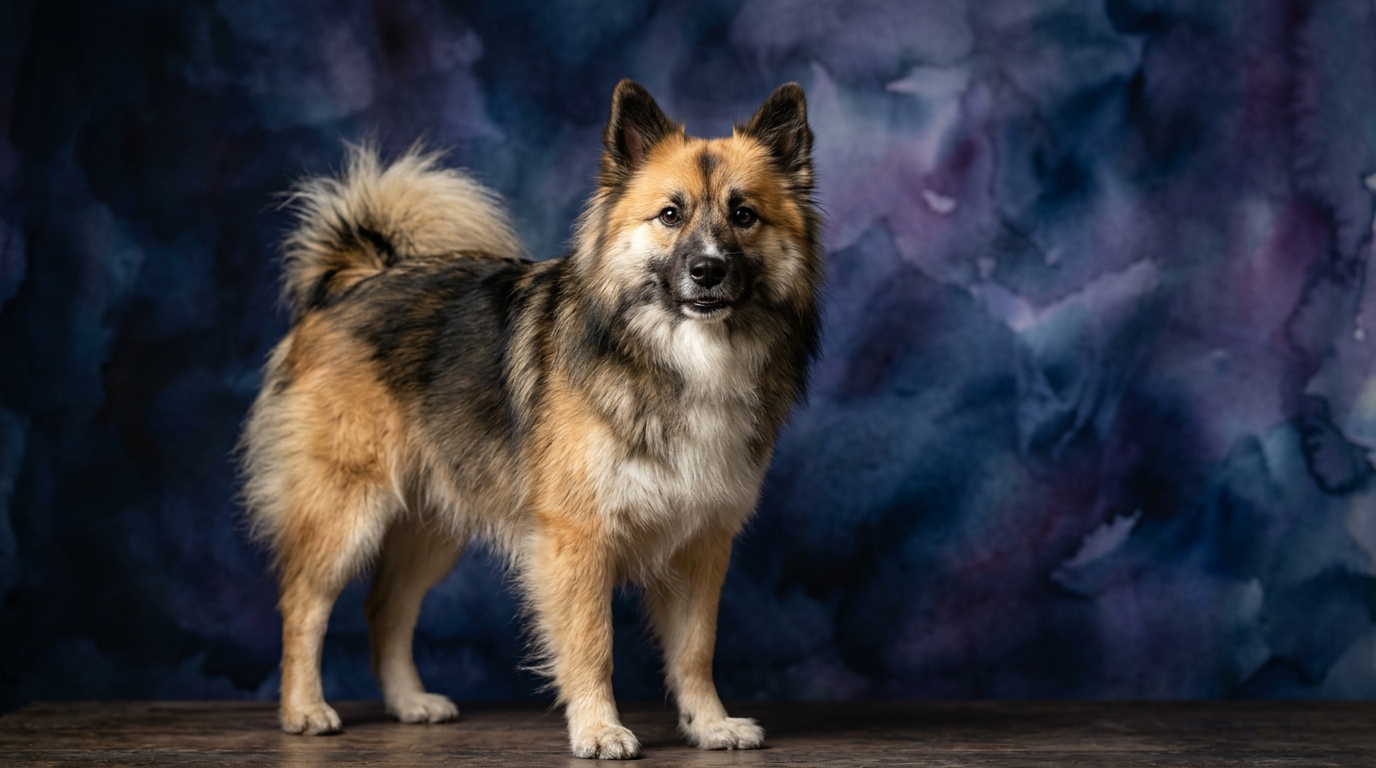
Icelandic Sheepdog: This ancient herding breed, with a 3/5 in Problem Solving, demonstrates ingenuity in navigating complex terrain and managing livestock, often making independent decisions when separated from their handler. Their Training Speed, also at 3/5, reflects their capacity to learn a range of commands for herding or agility, though their independent spirit means engagement is key. Social Intelligence at 3/5 allows them to effectively read flock dynamics and human cues in a working environment, fostering strong bonds within their family unit. An Instinctive Drive of 3/5 is deeply rooted in their herding heritage, manifesting as an innate desire to gather and protect, often with characteristic vocalizations. Finally, a Memory score of 3/5 supports their ability to recall complex routes, learned commands, and the specific needs of their charges over time.
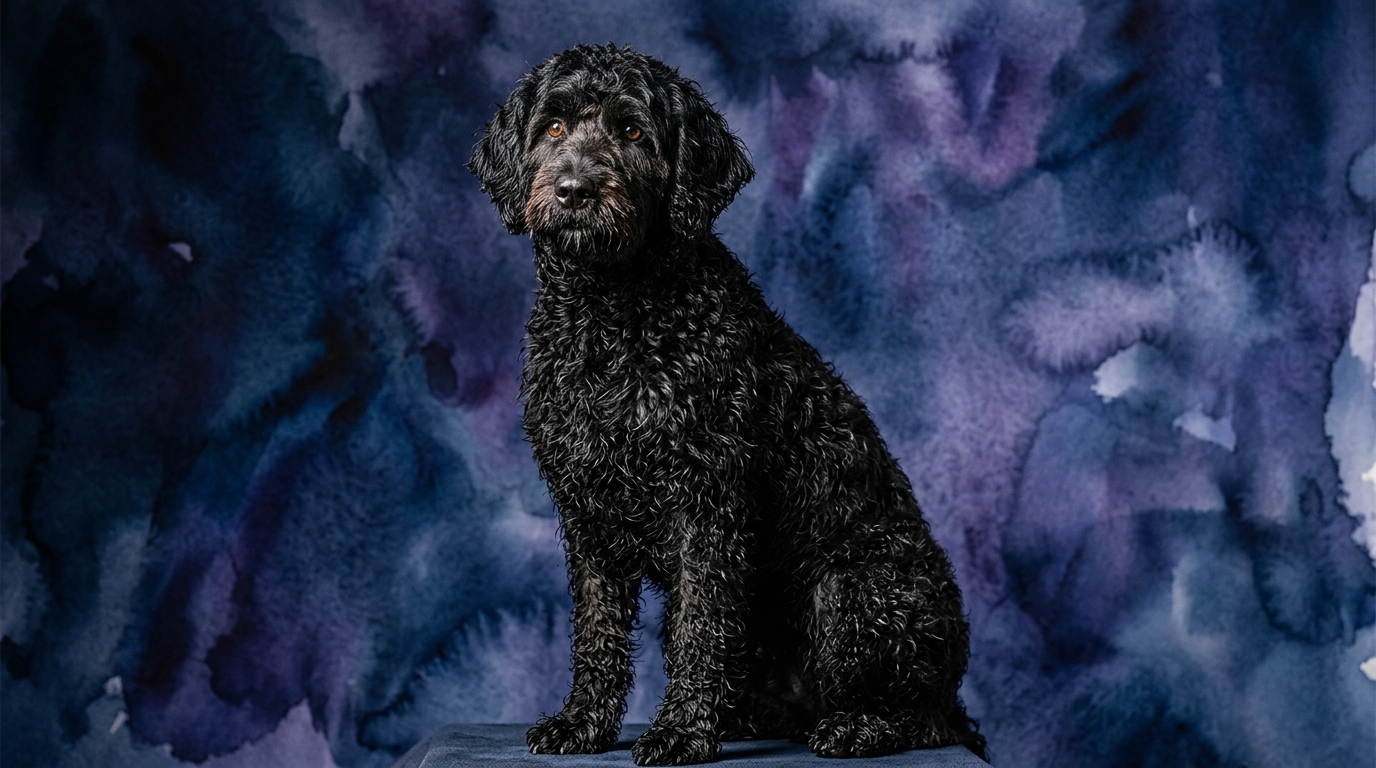
Portuguese Water Dog: The Portuguese Water Dog, a dedicated working breed, also earns a 3/5 in Problem Solving, which they expertly apply to retrieving tasks in challenging aquatic conditions, strategizing how to untangle nets or locate lost gear. Their 3/5 in Training Speed highlights their eagerness to learn and retain a wide array of commands, particularly those related to water work and obedience, thriving on collaborative tasks. With a Social Intelligence of 3/5, they are adept at understanding human intentions and forming strong working partnerships, adapting well to various social situations and new environments. An Instinctive Drive of 3/5 is powerfully expressed through their profound desire to swim, retrieve, and engage in physical tasks, showcasing their historical role as a mariner's companion. Their Memory, also 3/5, enables them to remember intricate retrieval sequences, specific locations, and extensive obedience routines with reliability.
Where the Icelandic Sheepdog Wins Cognitively
While both breeds share identical numerical scores, the Icelandic Sheepdog often exhibits a nuanced edge in environmental awareness and independent decision-making, honed by centuries of working in vast, often isolated landscapes. Their 3/5 problem-solving frequently involves assessing dynamic outdoor situations without direct human intervention, such as adjusting herding strategies based on changing weather or unexpected obstacles. This breed's instinctive drive, coupled with their social intelligence, allows for a unique blend of independent action and loyalty, making them adept at tasks requiring a broad overview and quick, self-reliant judgments rather than constant handler input. Their memory is particularly tuned to geographical recall and the patterns of their flock or family, enabling them to navigate familiar territories and remember the routines of their charges with precision.
Where the Portuguese Water Dog Wins Cognitively
The Portuguese Water Dog, with its identical scores, shines distinctively in collaborative problem-solving and sustained task focus, particularly within a structured working partnership. Their 3/5 problem-solving is often applied to complex, multi-step tasks requiring close communication with their handler, such as retrieving specific items from a crowded dock or navigating a maze of ropes underwater. This breed's training speed and social intelligence are particularly leveraged in their eagerness to engage in structured learning and their intuitive understanding of human cues, making them exceptionally responsive to direction during intricate tasks. Their instinctive drive is channeled into a persistent, focused effort to complete a job, especially if it involves water, demonstrating impressive physical and mental endurance. The Portuguese Water Dog's memory excels at retaining detailed sequences of commands and specific task parameters, allowing them to perform complex routines with accuracy and enthusiasm.
Which is Easier to Train and Why
Despite both breeds scoring 3/5 in Training Speed, the Portuguese Water Dog is often perceived as marginally easier to train for a wider range of obedience and advanced tasks due to their inherent desire to work *with* their human companions. Their collaborative nature means they often seek to understand and comply, thriving on structured interaction and positive reinforcement that leverages their retrieving drive. They tend to be highly motivated by praise, toys, and the opportunity to engage in a job, making them eager participants in training sessions. The Icelandic Sheepdog, while equally capable of learning, possesses a more independent streak rooted in their herding heritage, where they often made decisions without direct human command. This means training an Icelandic Sheepdog might require more creativity to maintain engagement and channel their herding instincts into desired behaviors, as they may question commands if they don't immediately perceive the purpose or if their independent judgment suggests an alternative. Their vocal nature can also be a training consideration, requiring consistent redirection.
Which Suits Active Owners vs. Relaxed Owners
Neither the Icelandic Sheepdog nor the Portuguese Water Dog are suitable companions for truly "relaxed" owners, as both possess significant energy and cognitive needs. However, their activity preferences differ. The Icelandic Sheepdog thrives with active owners who appreciate a dog with a strong connection to the outdoors, enjoying long hikes, exploring varied terrain, and engaging in activities that stimulate their herding instincts, like agility or herding games. They benefit from owners who understand and can manage their independent decision-making and vocalizations, offering consistent guidance and plenty of mental engagement. The Portuguese Water Dog is best suited for highly active owners who are passionate about water sports, structured training, and collaborative activities. They require substantial physical exercise, often involving swimming or retrieving, and mental stimulation through complex obedience, dog sports, or "jobs" that allow them to work closely with their handler. An owner who enjoys a dedicated, task-oriented partner will find immense satisfaction with a PWD.
The Verdict
You seek an alert, observant companion with a keen awareness of their surroundings and an independent spirit, ideal for an active lifestyle that appreciates outdoor exploration and a vocal, engaging presence.
You desire a dedicated, collaborative partner for an active, water-centric lifestyle, thriving on structured training, complex tasks, and a strong working bond where they eagerly engage in shared activities.
🧠 Find Your Pet's IQ Score
Our Pet IQ Lab assessment covers 25+ tests across 5 cognitive dimensions — personalized to your breed.
Take the Full IQ Test →Frequently Asked Questions
Do Icelandic Sheepdogs and Portuguese Water Dogs need similar amounts of exercise?
Both breeds require substantial daily exercise, but the *type* differs; Icelandic Sheepdogs enjoy varied outdoor exploration and herding-related activities, while Portuguese Water Dogs thrive on intense, structured physical activity, especially swimming and retrieving tasks. Owners should be prepared for significant daily engagement for either breed.
How do their social needs compare, given their identical social intelligence scores?
While both score 3/5 in social intelligence, the Icelandic Sheepdog's social aptitude often manifests in a close family bond and keen observation of their environment, sometimes with an initial reserve towards strangers. The Portuguese Water Dog typically exhibits a more outgoing, eager-to-please social demeanor, readily engaging with people and other dogs, particularly when involved in activities.
Can either breed adapt to apartment living if exercise needs are met?
Both breeds are active and generally prefer space, but if their significant exercise and mental stimulation requirements are *consistently and thoroughly met*, an Icelandic Sheepdog might adapt to a larger apartment, provided their vocal tendencies are managed. A Portuguese Water Dog could also adapt, especially if they have access to water for exercise, but their strong working drive means they need constant engagement to prevent boredom in smaller spaces.