Side-by-Side IQ Profile: Icelandic Sheepdog vs. Rhodesian Ridgeback
The Cosmic Pet Pet IQ Lab assesses canine intelligence across five key dimensions. While both the Icelandic Sheepdog and the Rhodesian Ridgeback score a consistent 3/5 in each category, the specific ways these cognitive abilities are expressed are deeply rooted in their historical functions. Understanding these nuances provides a richer picture than a simple numerical score.
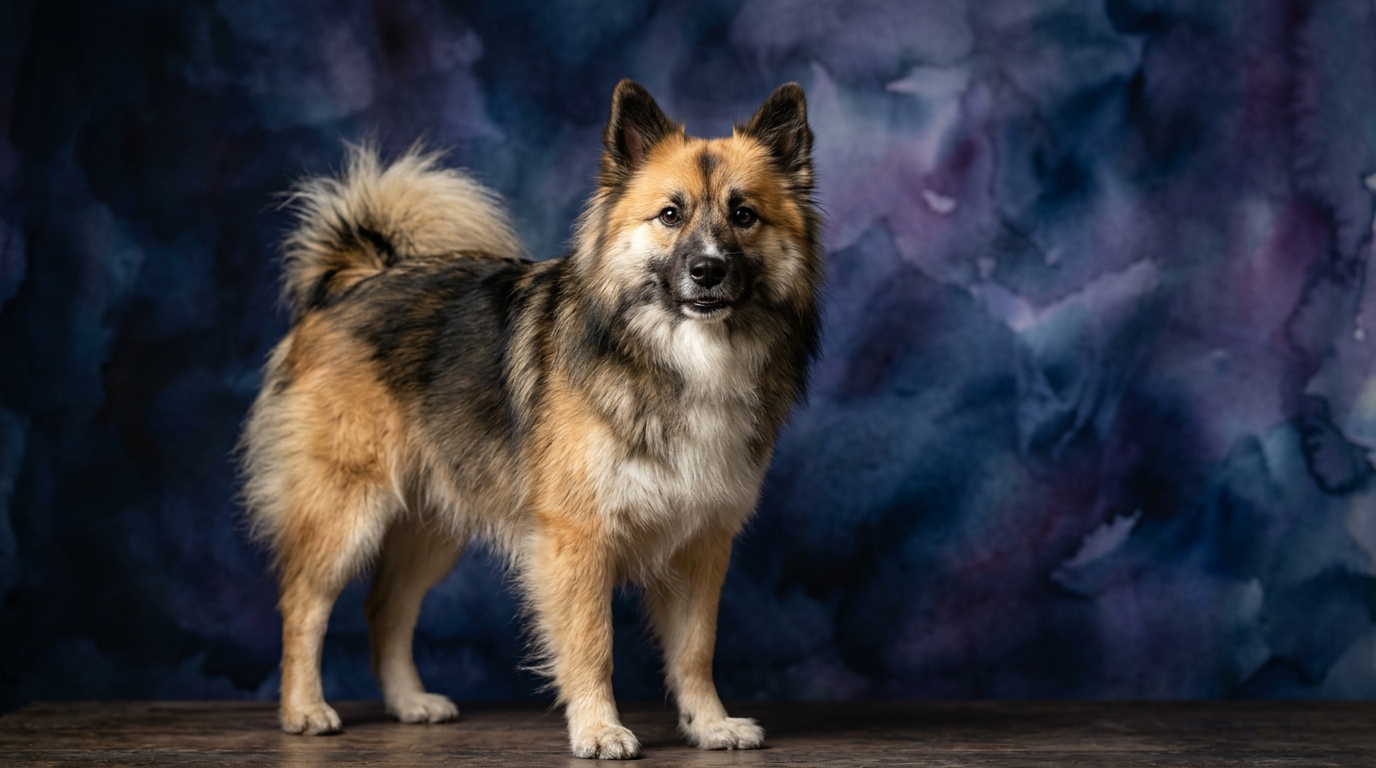
For the **Icelandic Sheepdog**, a breed not Coren-ranked but highly specialized:
**Problem Solving (3/5):** This score reflects the Icelandic Sheepdog’s aptitude for navigating complex, dynamic herding scenarios. They excel at quickly assessing livestock movement, anticipating changes, and adapting their approach on the fly, often without direct command. Their problem-solving is rooted in practical, real-time environmental adjustments rather than abstract puzzles.
**Training Speed (3/5):** Icelandic Sheepdogs generally respond well to training, picking up new commands at a steady pace. Their eagerness to please their human companions, combined with a strong working drive, contributes to their trainability, though their lively nature can sometimes present distractions that require consistent redirection.
**Social Intelligence (3/5):** These dogs possess a strong awareness of their social environment, both within their human family and with other animals. They are adept at reading cues from their handlers and integrating themselves into a "flock" dynamic, often displaying empathy and a desire for harmonious interaction.
**Instinctive Drive (3/5):** Their ingrained herding instinct is prominent, manifesting as a desire to gather and control movement, often accompanied by vocalizations. This drive, while natural, requires channeling and management in a non-herding home to prevent unwanted behaviors like nipping at heels or excessive barking.
**Memory (3/5):** Icelandic Sheepdogs exhibit a solid memory for commands, routines, and the layout of their territory. They remember past interactions and learned behaviors effectively, which aids in their consistent performance and adaptation to household expectations over time.
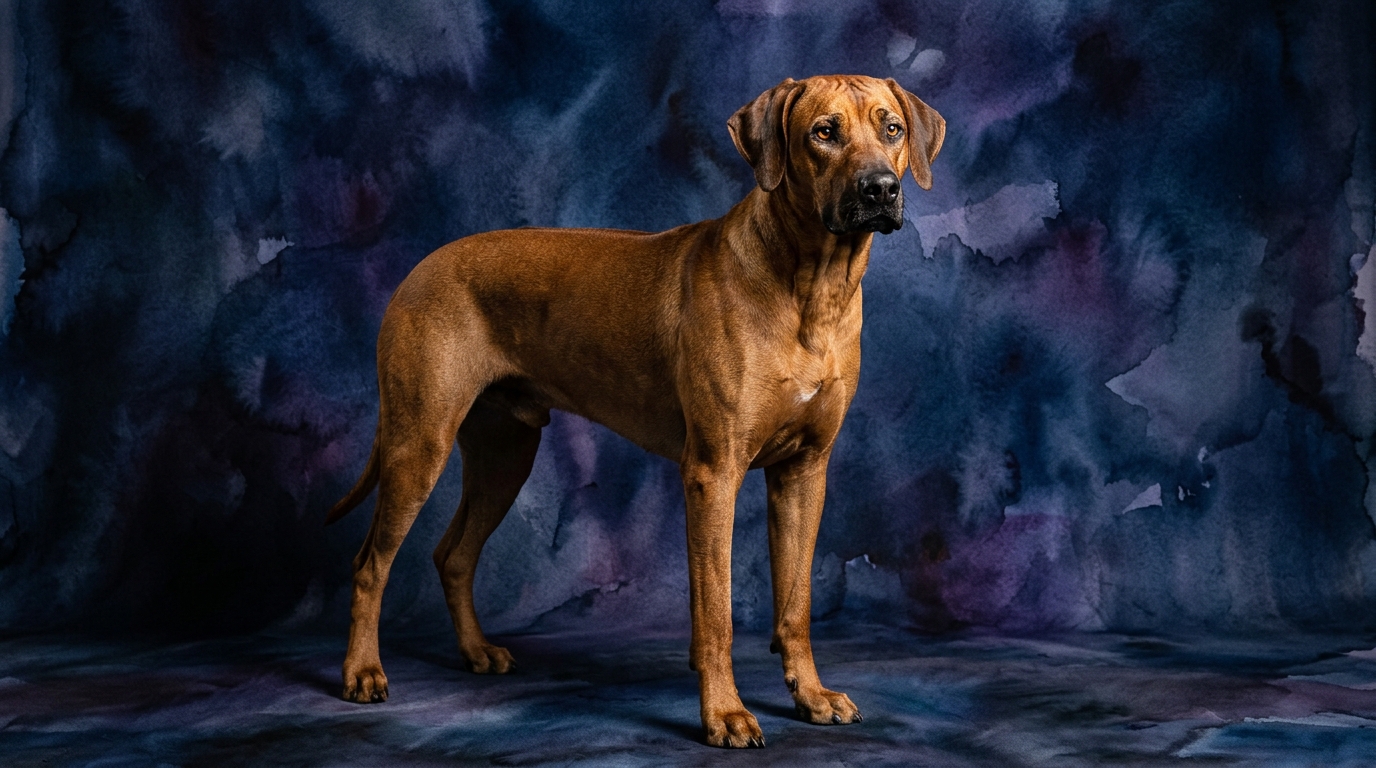
For the **Rhodesian Ridgeback**, ranked #52 by Coren and a formidable hound:
**Problem Solving (3/5):** The Rhodesian Ridgeback’s problem-solving ability is geared towards independent, persistent pursuit and protection. This breed displays a methodical approach to overcoming obstacles in their environment, particularly when tracking or investigating, relying on their keen senses and physical prowess to achieve their goal. Their solutions are often self-directed and driven by instinctual objectives.
**Training Speed (3/5):** Rhodesian Ridgebacks learn commands and routines efficiently, but their independent nature means they often require a clear "why" or strong motivation. While they grasp concepts quickly, their willingness to execute can be contingent on their perceived value of the task, demanding patience and consistent, positive reinforcement from their handler.
**Social Intelligence (3/5):** Ridgebacks form deep bonds with their primary family, demonstrating a nuanced understanding of their human pack's dynamics. They can be discerning with strangers, accurately assessing intentions, and displaying a protective yet composed demeanor. Their social intelligence emphasizes loyalty and situational awareness within their defined social circle.
**Instinctive Drive (3/5):** Their instinctive drive is profoundly linked to their heritage as lion hunters and guardians. This manifests as a strong prey drive, exceptional tracking abilities, and a natural inclination to protect their home and family. This drive is powerful and requires appropriate outlets and firm guidance to ensure it's directed constructively.
**Memory (3/5):** Rhodesian Ridgebacks possess a good memory, particularly for people, places, and established routines. They remember training cues and past experiences, which contributes to their reliability once a behavior is thoroughly learned. Their memory can also extend to remembering perceived slights or strong positive associations.
Where the Icelandic Sheepdog Wins Cognitively
The Icelandic Sheepdog truly excels in situations demanding immediate, fluid decision-making within a group dynamic. Their cognitive strengths are rooted in their ancestral role, where an individual dog needed to interpret subtle cues from both livestock and handler, then adjust strategy instantly. This makes them particularly adept at dynamic environmental awareness and rapid behavioral adaptation. For instance, an Icelandic Sheepdog might instinctively shift its position to preemptively guide a straying lamb back to the flock without explicit command, showcasing a proactive cognitive process that combines observation, prediction, and swift action. Their social intelligence often manifests as a nuanced ability to communicate and cooperate with a human partner in complex, evolving tasks, making them highly responsive to subtle body language and vocal inflections.
Where the Rhodesian Ridgeback Wins Cognitively
Conversely, the Rhodesian Ridgeback's cognitive strengths shine in tasks requiring sustained focus, independent problem-solving, and a methodical approach, particularly when driven by scent or a specific objective. Their history as hunters means they developed a profound capacity for persistence and concentration over long periods, often working autonomously from their human companions. A Rhodesian Ridgeback might meticulously follow a complex scent trail for miles, processing intricate environmental data and making independent navigational decisions without constant human input. This demonstrates a cognitive advantage in self-directed, goal-oriented tasks where tenacity and sensory processing are paramount. Their social intelligence, while different from the Icelandic, allows them to accurately gauge the intentions of unfamiliar individuals, making them discerning guardians who rely on careful assessment rather than immediate gregariousness.
Which Is Easier to Train and Why
Evaluating ease of training between these two breeds requires understanding their distinct motivations and behavioral predispositions. The Icelandic Sheepdog, with its strong desire to please and inherent cooperative nature, often presents as more straightforward to train in foundational obedience. They are generally eager to engage with their human companions, making them highly receptive to positive reinforcement methods. Their herding instincts, however, mean they can be prone to vocalization, such as barking, and may attempt to 'herd' children or other pets, requiring consistent redirection and management to channel these natural drives appropriately. While they learn commands quickly, maintaining focus amidst environmental stimuli can be a challenge due to their alert and curious disposition.
The Rhodesian Ridgeback, on the other hand, learns rapidly once engaged, but their independent hound mentality means they are not inherently driven by a desire to simply 'please.' They often require a clear understanding of the purpose behind a command and a strong, consistent leader. Training a Ridgeback demands patience, fairness, and a deep understanding of their sometimes-stubborn nature. They are less likely to respond to repetition without perceived reward or logic. Their intense prey drive also necessitates early and thorough recall training, as they may prioritize a scent over a command. While both breeds achieve a 3/5 in training speed, the Icelandic Sheepdog's inherent cooperativeness often translates to an easier initial training experience for novice owners, whereas the Ridgeback demands a more experienced, confident handler capable of building a strong, respectful partnership.
Which Suits Active Owners vs. Relaxed Owners
When considering lifestyle compatibility, both breeds thrive with active engagement, yet the nature of that activity differs significantly. The Icelandic Sheepdog is a vibrant, energetic companion that requires consistent mental stimulation and physical exercise to prevent boredom and channeling of their herding instincts into unwanted behaviors. They suit owners who are keen on activities like dog sports, extensive walks, or engaging in regular interactive play. Their social nature also means they prefer to be involved in family activities and can become lonely if left isolated for long periods. They are not suited for truly 'relaxed' owners who prefer minimal interaction or exercise.
The Rhodesian Ridgeback also demands substantial physical exertion to remain balanced and content. A daily vigorous run, long hike, or structured play session is essential to satisfy their powerful physique and prey drive. However, once their exercise needs are met, Ridgebacks are often content to relax quietly indoors, displaying a calm and dignified presence. They are not typically 'busy' house dogs in the same way an Icelandic Sheepdog might be, but their need for outdoor activity is non-negotiable. Therefore, neither breed is ideal for a genuinely relaxed, sedentary owner. The Icelandic Sheepdog suits owners who enjoy constant interaction and playful engagement throughout the day, while the Rhodesian Ridgeback fits owners who can provide intense, structured bursts of activity followed by periods of calm companionship.
The Verdict
Choose the Icelandic Sheepdog if you seek a highly interactive, responsive companion for dynamic activities and can dedicate time to managing their vocal and herding tendencies with consistent, positive engagement.
Opt for the Rhodesian Ridgeback if you are an experienced, confident owner who can provide rigorous daily exercise, firm yet fair guidance, and appreciate a loyal, discerning guardian who values quiet companionship after a good workout.
🧠 Find Your Pet's IQ Score
Our Pet IQ Lab assessment covers 25+ tests across 5 cognitive dimensions — personalized to your breed.
Take the Full IQ Test →Frequently Asked Questions
Do Icelandic Sheepdogs bark a lot?
Yes, Icelandic Sheepdogs are historically vocal, using barking as a key communication tool for herding. This trait often carries over into pet homes, meaning they can be prone to alert barking at new sights or sounds, requiring consistent training to manage.
Are Rhodesian Ridgebacks good with children?
Rhodesian Ridgebacks can be excellent family dogs and are often very protective and patient with children they are raised with. However, due to their size and strength, supervision is always recommended, and they require proper socialization and training from a young age to ensure gentle interactions.
How much exercise do these breeds need daily?
Both breeds require significant daily exercise. An Icelandic Sheepdog benefits from multiple shorter, engaging sessions totaling at least an hour, plus mental stimulation. A Rhodesian Ridgeback typically needs at least one long, vigorous exercise session, such as a run or hike, for an hour or more, in addition to mental challenges.