Side-by-Side Cognitive Profiles: Icelandic Sheepdog vs. Saluki
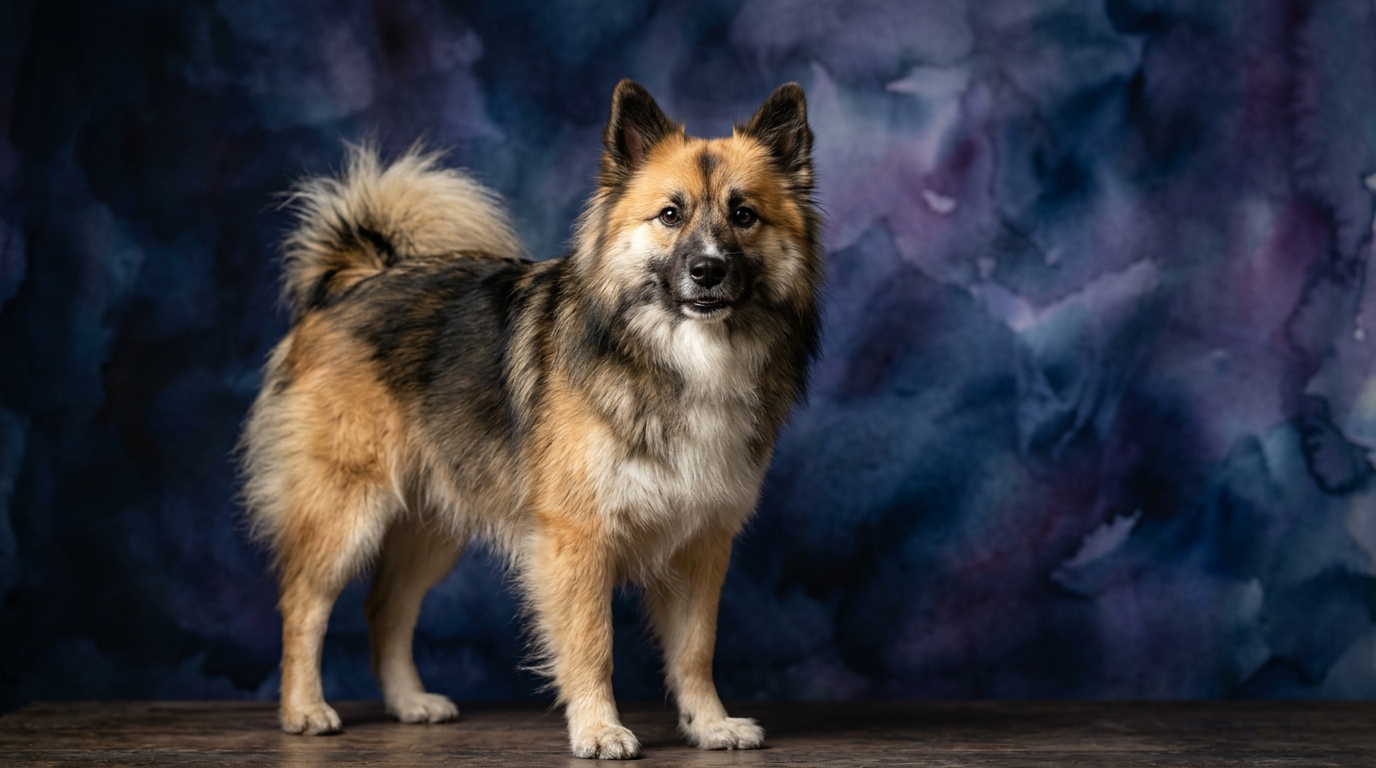
The Icelandic Sheepdog demonstrates a solid, practical understanding of its environment with 3/5 across all cognitive dimensions. Its 3/5 problem-solving manifests in adapting to dynamic herding situations, finding lost lambs, or navigating varied terrain efficiently. A 3/5 training speed indicates a cooperative nature, learning commands with consistent positive reinforcement, especially when tasks involve interaction and purpose. Social intelligence at 3/5 means they are responsive to human cues and bond closely with their family, often expressing their thoughts vocally. Their instinctive drive of 3/5 is deeply rooted in herding, showing a natural inclination to gather and manage movement, sometimes with a distinctive bark. Memory at 3/5 supports their ability to retain complex routines and remember specific livestock or people over time.
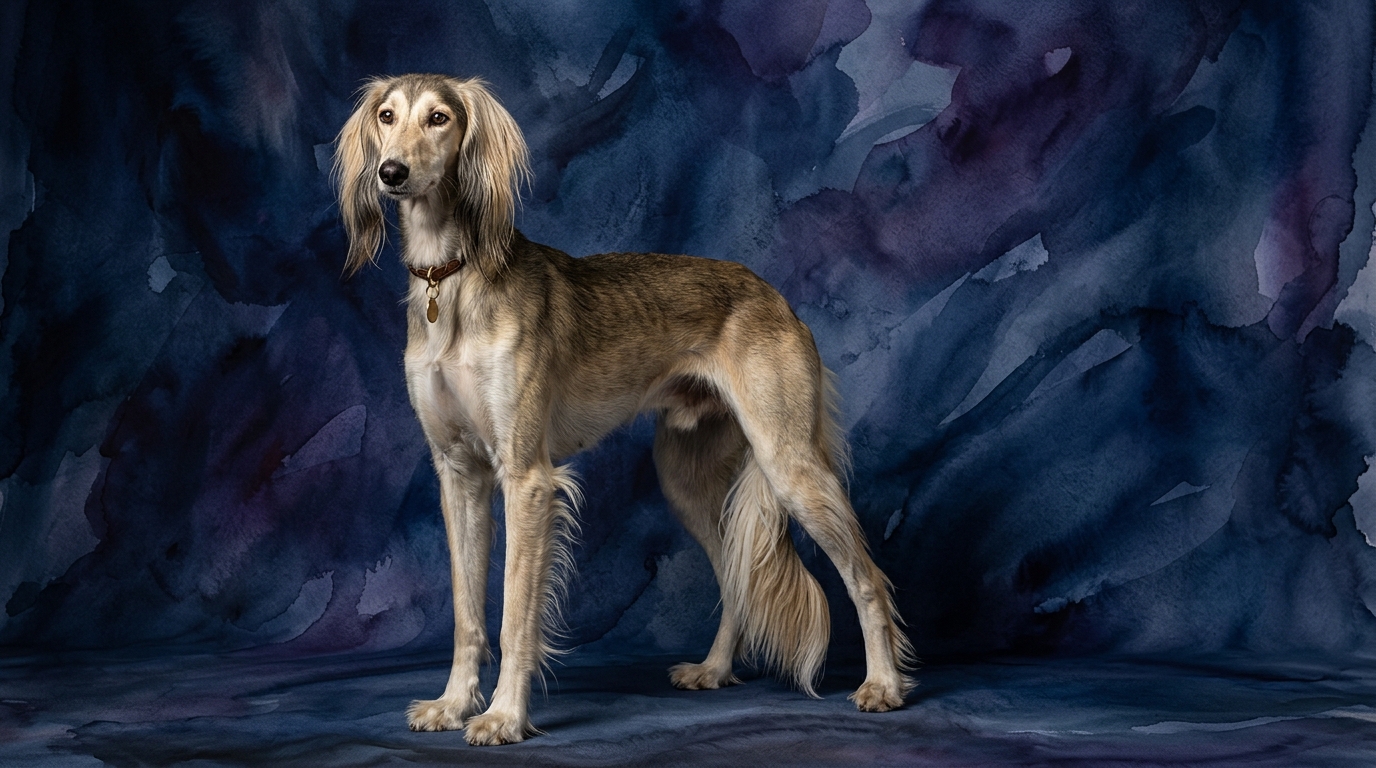
The Saluki’s cognitive scores, while numerically identical at 3/5 across the board, reflect a different set of priorities shaped by centuries of independent hunting. Their 3/5 problem-solving is honed for the chase, making swift decisions to outmaneuver prey or navigate obstacles at high speeds across vast landscapes. A 3/5 training speed means they are capable learners, but their motivation often stems from their own perceived utility or reward, rather than an inherent desire to please. Social intelligence at 3/5 points to selective bonds; they are discerning, often reserved with strangers, but deeply affectionate with their chosen family members. Their instinctive drive of 3/5 is powerfully directed towards sight-hunting, characterized by an explosive chase instinct and keen visual acuity. Memory at 3/5 allows them to recall excellent hunting grounds or the layout of their territory, crucial for their self-reliant activities.
Where the Icelandic Sheepdog Excels Cognitively
The Icelandic Sheepdog's cognitive strengths are deeply intertwined with its cooperative herding lineage. Their 3/5 social intelligence, combined with a 3/5 problem-solving ability, allows them to be exceptionally attuned to human handlers and livestock. They excel in dynamic, real-time scenarios requiring quick judgment and communication. For instance, an Icelandic Sheepdog might instinctively anticipate the movement of a flock, adjusting its position to guide animals without direct command, showcasing a practical application of their problem-solving. Their memory of 3/5 is not just about recalling commands but remembering individual animal temperaments or specific boundaries on a farm. This breed uses its 3/5 instinctive drive to herd not just with physical presence but also with vocalizations, employing barks and yips as a sophisticated form of communication to gather or alert, demonstrating a complex cognitive use of sound. They thrive on tasks that involve partnership and a clear objective, making them adept at activities like obedience or agility where working *with* a human is paramount. This collaborative cognitive style is a hallmark of their intelligence profile.
Where the Saluki Shines Cognitively
The Saluki's cognitive prowess is a testament to its independent sighthound heritage, where self-reliance and acute sensory processing were paramount. Their 3/5 problem-solving is not about human-directed tasks but about autonomous decision-making in high-stakes pursuit. A Saluki excels at surveying vast open spaces, identifying potential prey from a distance, and calculating the most efficient intercept trajectory, often across varied and challenging terrain. This involves sophisticated spatial reasoning and rapid processing of visual data. Their 3/5 instinctive drive is a powerful engine for this, manifesting as an intense focus and unwavering determination during a chase. The memory score of 3/5 is vital for them to recall successful hunting routes, hidden pathways, or safe zones within their territory, allowing them to navigate efficiently without constant guidance. While their social intelligence is 3/5, it's often expressed as a profound, selective loyalty rather than a broad eagerness to please, requiring an owner to respect their independent thought process. They apply their cognitive abilities to tasks that allow for bursts of speed and independent strategic thought, making them masters of the open field.
Training Dynamics: Which Breed is Easier to Train?
Despite identical 3/5 training speed scores, the practical experience of training an Icelandic Sheepdog versus a Saluki can feel markedly different due to their distinct motivations and instinctive drives. The Icelandic Sheepdog, with its herding background, generally approaches training with a cooperative spirit. Their 3/5 social intelligence means they are often keen to engage with human companions and understand expectations. They learn quickly when tasks involve interaction, movement, and purpose, viewing training as a shared activity. Consistency and positive reinforcement work well, and they may even take initiative in learning new behaviors if they perceive a benefit to their "flock" (family). However, their strong vocalization instinct means managing barking can be a training focus. In contrast, the Saluki’s 3/5 training speed is often tempered by its independent nature and powerful 3/5 instinctive drive for sight-hunting. They learn commands efficiently if they understand the value or if the task aligns with their natural inclinations. Recall, for instance, requires exceptional dedication and high-value rewards, as their chase instinct can override learned commands. Salukis can become bored with repetitive drills, requiring varied and engaging methods. While they form deep bonds, their social intelligence often manifests as a desire for respect and partnership rather than eager submission. Therefore, while both breeds are capable learners, the Icelandic Sheepdog typically offers a more direct and enthusiastic training experience, whereas the Saluki demands a more nuanced approach, respecting its independent spirit and focusing on intrinsic motivators.
Matching Breeds to Lifestyles: Active vs. Relaxed Owners
Neither the Icelandic Sheepdog nor the Saluki are suited for owners seeking a purely relaxed, low-activity companion. Both breeds require significant engagement, but the *nature* of that engagement differs. An Icelandic Sheepdog thrives with active owners who enjoy shared activities and mental stimulation. Their 3/5 problem-solving and social intelligence mean they excel in dog sports like agility, obedience, or even farm work, where they can utilize their cooperative nature and vocal communication. They need daily opportunities for physical exercise combined with interactive play and "jobs" that challenge their minds. They are excellent for families who want a dog deeply involved in their daily routines, participating in hikes, runs, and interactive training sessions. For a Saluki, "active" means something else entirely. While calm indoors, their 3/5 instinctive drive for the chase demands regular, safe opportunities to run at full speed. This might involve lure coursing, extensive off-leash running in securely fenced areas, or long, brisk walks. Their independent problem-solving shines when given space to explore visually and make their own decisions within a safe perimeter. Owners who appreciate a dog with a deep, independent spirit and are prepared to facilitate their need for exhilarating bursts of speed, rather than constant interactive play, would find a Saluki a fulfilling companion. While both require active engagement, the Icelandic Sheepdog seeks a cognitive partner in activity, whereas the Saluki seeks an opportunity for autonomous physical and sensory exploration.
The Verdict
Choose the Icelandic Sheepdog if you seek an engaging, cooperative companion who thrives on shared activities and communication, enjoying a dog that actively participates in family life and intellectual games.
Choose the Saluki if you appreciate an independent, elegant companion with a profound inner life and a need for exhilarating physical freedom, understanding that training requires specific motivation and respect for their sighthound nature.
🧠 Find Your Pet's IQ Score
Our Pet IQ Lab assessment covers 25+ tests across 5 cognitive dimensions — personalized to your breed.
Take the Full IQ Test →Frequently Asked Questions
Do Icelandic Sheepdogs make good family pets, considering their intelligence?
Icelandic Sheepdogs often integrate well into family life due to their 3/5 social intelligence and cooperative nature. They thrive on interaction and can be very engaged companions, particularly enjoying activities that involve their human family. Their vocal nature means they might alert to new sounds, but they generally appreciate being part of the "flock".
How does a Saluki's 3/5 instinctive drive impact its daily behavior?
A Saluki's 3/5 instinctive drive is primarily focused on sight-hunting and chasing, which means they possess a powerful urge to pursue moving objects. This can manifest as an intense focus on squirrels or other small animals during walks, requiring secure leashes and fenced areas for safe off-leash exercise. It shapes their need for specific types of physical outlets.
Are either of these breeds suitable for apartment living given their cognitive profiles?
While both breeds are adaptable, neither is ideally suited for constant apartment living without significant owner commitment. The Icelandic Sheepdog's need for interactive mental stimulation and vocal tendencies requires careful management in close quarters. The Saluki's intense need for bursts of speed and independent exploration means an apartment owner must be extremely diligent in providing daily, high-quality outdoor exercise in secure environments.