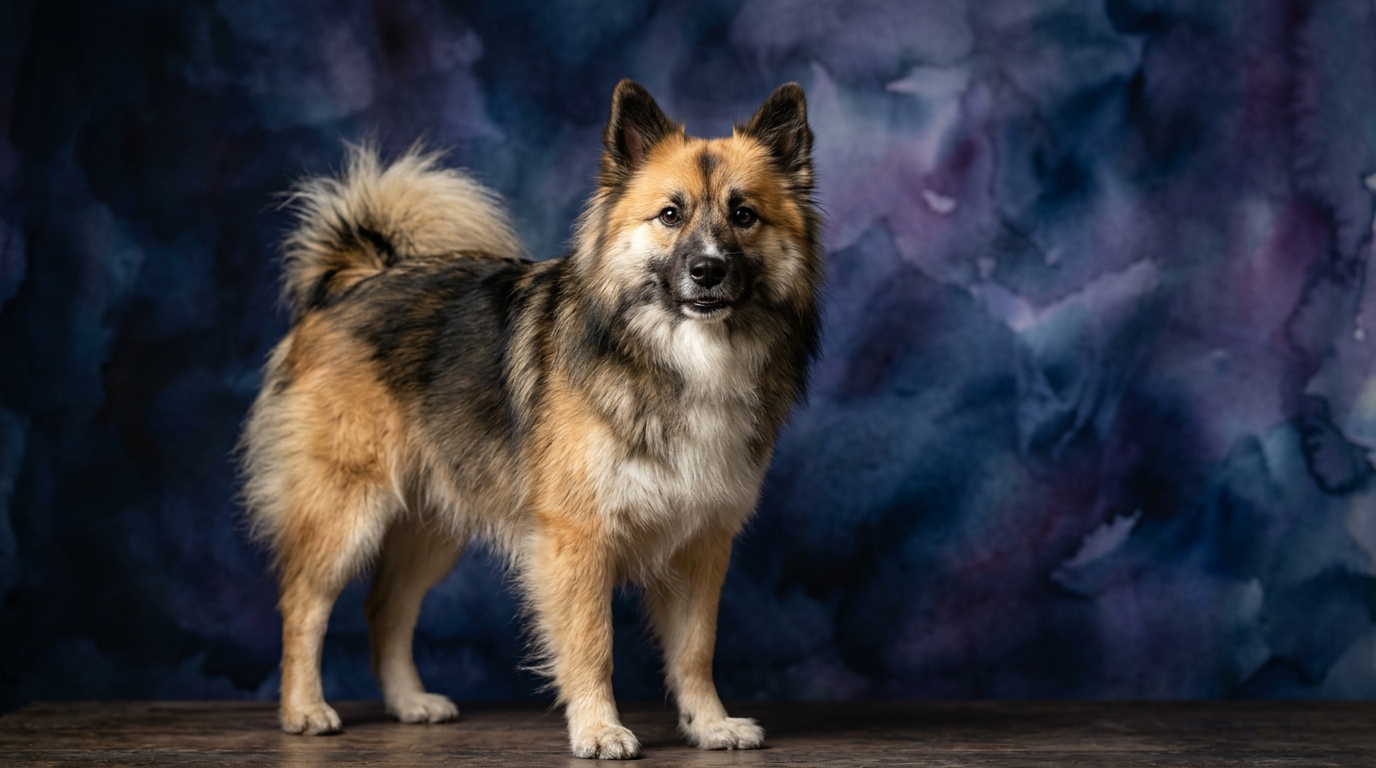
Side-by-Side IQ Profile: Icelandic Sheepdog
The Icelandic Sheepdog, a breed steeped in centuries of herding tradition, demonstrates a specific application of its cognitive abilities. Their **Problem Solving (3/5)** is geared towards situational challenges within a cooperative framework, such as navigating a flock through varied terrain or anticipating livestock movements. This involves practical, often social, intelligence.
Their **Training Speed (3/5)** indicates they generally grasp new commands at a moderate pace, particularly when the training aligns with their innate desire to work alongside their human companions. Consistency and positive reinforcement are key to steady progress.
**Social Intelligence (3/5)** is a hallmark of the breed, evident in their ability to read subtle cues from handlers and livestock, fostering strong bonds and effective communication within a working unit. They are highly attuned to group dynamics and emotional environments.
The **Instinctive Drive (3/5)** in the Icelandic Sheepdog is a strong herding impulse, typically expressed with a gentle 'gather and guide' approach rather than aggressive pursuit. This drive is channeled into purposeful activity, requiring outlets like herding games or agility.
They possess a reliable **Memory (3/5)** for learned routines, commands, and the layout of their environment, which is crucial for their herding duties and adapting to familiar patterns and social structures.
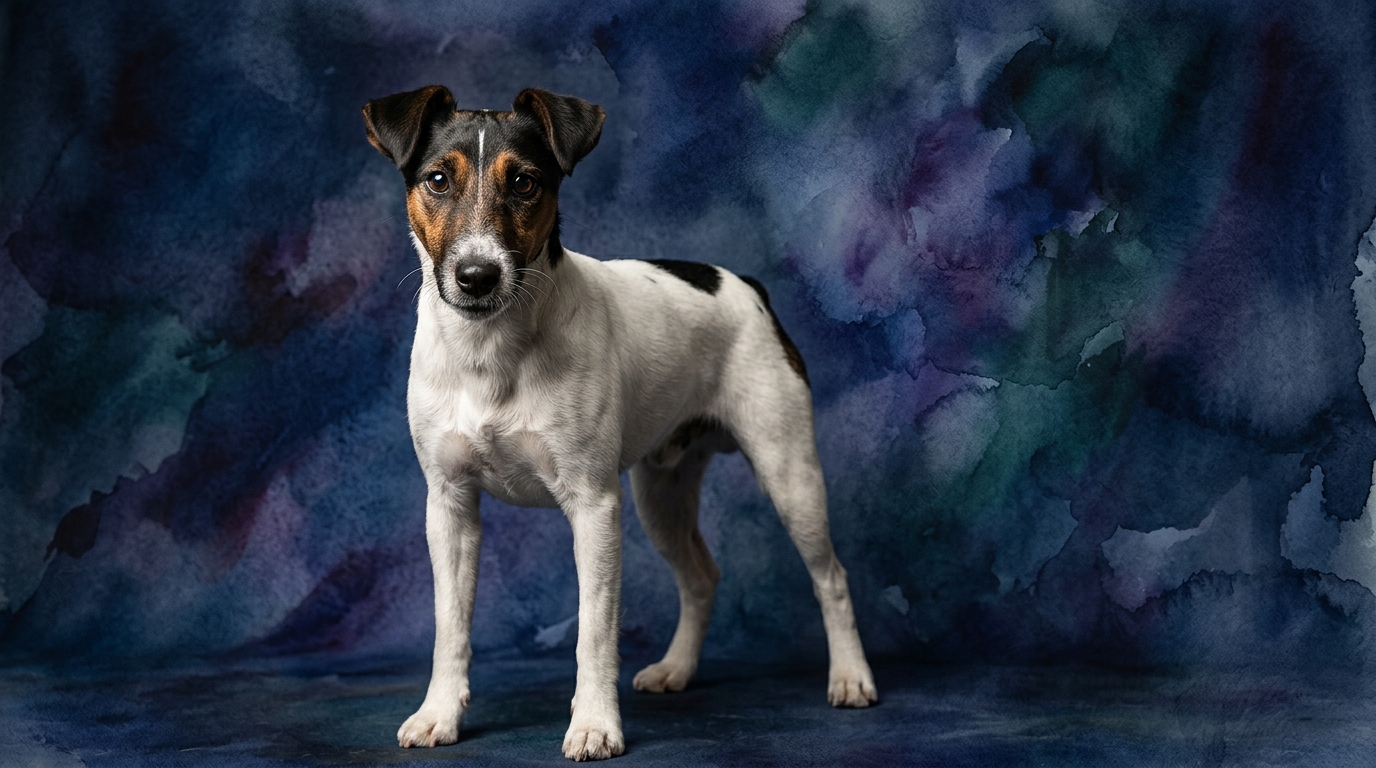
Side-by-Side IQ Profile: Smooth Fox Terrier
The Smooth Fox Terrier, bred for independent vermin hunting, exhibits a distinct cognitive profile that reflects its working history. Their **Problem Solving (3/5)** is characterized by independent thought and determination, particularly when it comes to locating and pursuing quarry. They are adept at figuring out how to overcome obstacles to reach a goal.
While capable of learning quickly, their **Training Speed (3/5)** can be influenced by their strong independent streak and often high prey drive. They learn best with engaging, varied sessions that capture their interest and prevent boredom, often thriving on novelty.
Their **Social Intelligence (3/5)** often manifests as sharp observational skills, quickly assessing new situations and people. They can be discerning, forming strong bonds with their immediate family while remaining alert and sometimes aloof with strangers.
The **Instinctive Drive (3/5)** to hunt, dig, and chase is pronounced in the Smooth Fox Terrier. This instinct fuels their tenacious nature and requires appropriate outlets to prevent boredom and redirected behaviors. They are driven by an internal motivation to explore and pursue.
Smooth Fox Terriers demonstrate good **Memory (3/5)** for their environment, hidden 'treasures,' and the sequences of events related to their pursuits. They recall where they left off in a digging project or a specific scent trail with precision.
Where the Icelandic Sheepdog Wins Cognitively
While both breeds share a '3/5' rating for problem-solving, the Icelandic Sheepdog demonstrates a particular cognitive strength in cooperative problem-solving and nuanced communication. Their historical role as herding dogs required them to work in close concert with shepherds, interpreting subtle hand signals, vocal cues, and even the body language of the flock. This involves a sophisticated understanding of cause-and-effect within a dynamic social system, where anticipating the movements of sheep and guiding them without undue force is paramount. Their social intelligence, also rated 3/5, shines in their ability to mediate group dynamics, whether among livestock or within their human family, often acting as sensitive barometers of the emotional environment. This breed excels at tasks that demand a 'team player' mentality, where their cognitive efforts are directed towards collective success rather than purely individual achievement. They process information with an eye towards maintaining harmony and order, making them particularly adept at roles requiring gentle persuasion and group management.
Where the Smooth Fox Terrier Wins Cognitively
The Smooth Fox Terrier, despite identical 3/5 scores, exhibits a distinct cognitive advantage in independent, tenacious problem-solving, especially when driven by instinct. Their background as vermin hunters demanded an ability to work autonomously, often out of sight and hearing of their handler, to locate and dispatch quarry. This translates into a remarkable capacity for strategic thinking when pursuing a goal, such as finding a hidden toy or navigating complex environments to reach a perceived 'prey' item. Their problem-solving isn't about group coordination, but about individual initiative and perseverance against obstacles. This breed's 3/5 instinctive drive fuels a relentless focus, allowing them to concentrate intensely on a task, often ignoring distractions that might deter other breeds. Their memory, also 3/5, supports this by allowing them to recall locations of interest or unfinished 'projects,' demonstrating a cognitive style geared towards self-directed exploration and successful completion of a personal mission, even if it involves digging under a fence.
Which is Easier to Train and Why
When considering ease of training, the identical 3/5 'training speed' scores for both breeds can be misleading without context, as their underlying motivations and behavioral tendencies diverge significantly. The Icelandic Sheepdog generally presents as 'easier' for an average owner due to their inherent desire to please and their strong inclination towards cooperative work. They thrive on positive reinforcement and clear communication, viewing training as a shared activity that strengthens their bond with their human. Their social intelligence makes them receptive to human direction, and their herding background means they are accustomed to taking cues. While they learn at a moderate pace, their willingness to engage and adapt makes the process smoother for a novice. In contrast, the Smooth Fox Terrier's training journey, while equally capable of achieving results, often requires a different approach. Their independent nature and strong prey drive mean they can be easily distracted by environmental stimuli or their own self-appointed 'missions.' Training a Smooth Fox Terrier demands creativity, high-value rewards, and varied sessions to keep them engaged. They learn quickly when motivated, but their 3/5 training speed can feel slower if the handler isn't adept at channeling their terrier tenacity into desired behaviors. They aren't necessarily 'stubborn' but are highly discerning about what's worth their attention, and their problem-solving skills might be applied to figuring out how to get *their* way rather than adhering strictly to a command.
Which Suits Active Owners vs. Relaxed Owners
Both the Icelandic Sheepdog and the Smooth Fox Terrier are undeniably active breeds, making them unsuitable for truly relaxed, sedentary owners. However, the *nature* of their activity preferences differs. The Icelandic Sheepdog, with its herding heritage, thrives on consistent, purposeful activity that engages both body and mind. They need regular, moderate-to-long walks, opportunities for off-leash exploration in safe environments, and mental stimulation through puzzle toys or training sessions that mimic their working roles. Owners who enjoy hiking, agility, or canine sports that involve teamwork will find an excellent companion. Their social intelligence means they also benefit greatly from being included in family activities and having a 'job' to do, even if it's just supervising the household. For the Smooth Fox Terrier, activity is often more intense and explosive. While they also need regular exercise, their preferences lean towards chasing, digging, and exploring. They are built for quick bursts of energy and thrive on activities like fetch, earthdog trials, or vigorous play sessions that satisfy their prey drive. Owners who are active and enjoy engaging in high-energy games, providing opportunities for scent work, or even managing a secure digging pit in the yard will be better matched. While both require significant engagement, the Icelandic Sheepdog’s activity is often about sustained effort and companionship, whereas the Smooth Fox Terrier’s is about focused intensity and independent pursuit.
The Verdict
If you seek a cooperative, sensitive companion that thrives on teamwork, enjoys purposeful activities like herding games or agility, and excels at reading social cues within a family dynamic, the Icelandic Sheepdog is an excellent match. They are best suited for owners who can provide consistent, engaging mental and physical outlets within a structured, affectionate environment.
Conversely, if you are drawn to an independent, tenacious spirit with a zest for vigorous, self-directed exploration and problem-solving, and you can provide ample opportunities for chasing, digging, and high-energy play, the Smooth Fox Terrier will be a rewarding partner. This breed suits owners who appreciate a dog with a strong will and can channel their innate drive into appropriate, stimulating activities, recognizing their need for both physical exertion and mental challenge.
🧠 Find Your Pet's IQ Score
Our Pet IQ Lab assessment covers 25+ tests across 5 cognitive dimensions — personalized to your breed.
Take the Full IQ Test →Frequently Asked Questions
Are Icelandic Sheepdogs good for first-time owners?
While they are generally eager to please and cooperative, their need for consistent mental and physical stimulation means they are best suited for owners committed to ongoing training and engagement. Their sensitivity and social nature make them responsive to patient, positive guidance.
Do Smooth Fox Terriers bark a lot?
Smooth Fox Terriers can be vocal, often using barking to alert their owners to perceived threats or to express excitement. Their strong instincts and alertness, combined with their tenacious nature, mean they may require consistent training to manage excessive barking.
How much exercise do these breeds need daily?
Both breeds require significant daily exercise, typically 60-90 minutes of vigorous activity. The Icelandic Sheepdog benefits from sustained walks and purposeful mental tasks, while the Smooth Fox Terrier thrives on intense play, chasing, and opportunities for digging and exploration.