Side-by-Side IQ Profile: Herding Wit vs. Terrier Grit
The Cosmic Pet Pet IQ Lab assesses canine intelligence across five key dimensions, and remarkably, both the Icelandic Sheepdog and the Staffordshire Bull Terrier register a balanced 3 out of 5 in each category. However, understanding these identical scores requires looking beyond the numbers to the unique lens of each breed’s evolutionary purpose and inherent temperament.
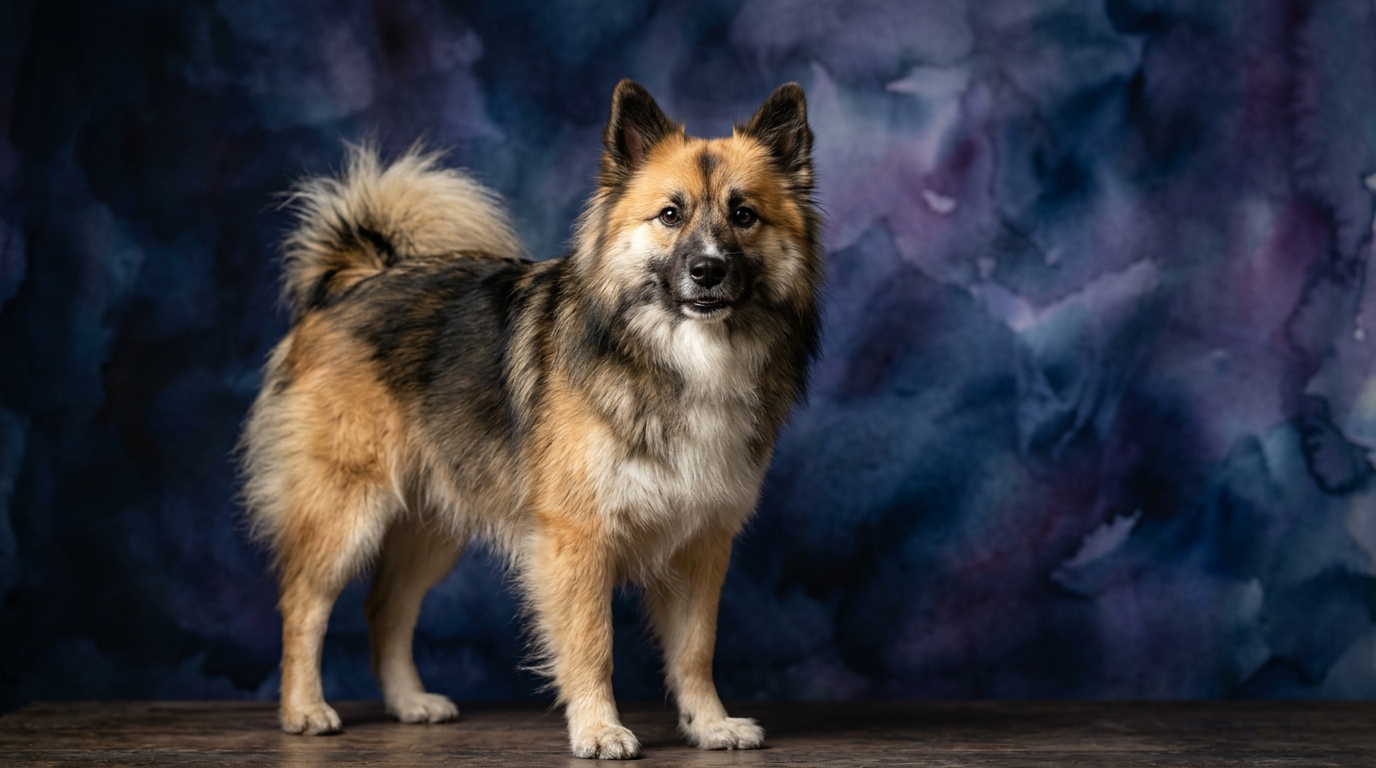
For the Icelandic Sheepdog, a breed forged by centuries of herding in rugged landscapes, their Problem Solving (3/5) is deeply practical, manifesting as an intuitive ability to navigate complex terrain, locate lost livestock, and anticipate flock movements. This isn't about abstract puzzles, but real-world, context-driven solutions. Their Training Speed (3/5) reflects a cooperative spirit and eagerness to please, though their keen environmental awareness can sometimes lead to distraction. Social Intelligence (3/5) is rooted in working partnership; they are adept at reading subtle human cues and understanding group dynamics, whether within a family or a flock. Their Instinctive Drive (3/5) is primarily a finely tuned herding instinct, expressed through gathering, circling, and maintaining boundaries, crucial for their historical duties. Memory (3/5) allows them to retain complex routines, recall specific individuals, and remember intricate paths, vital for their pastoral life.
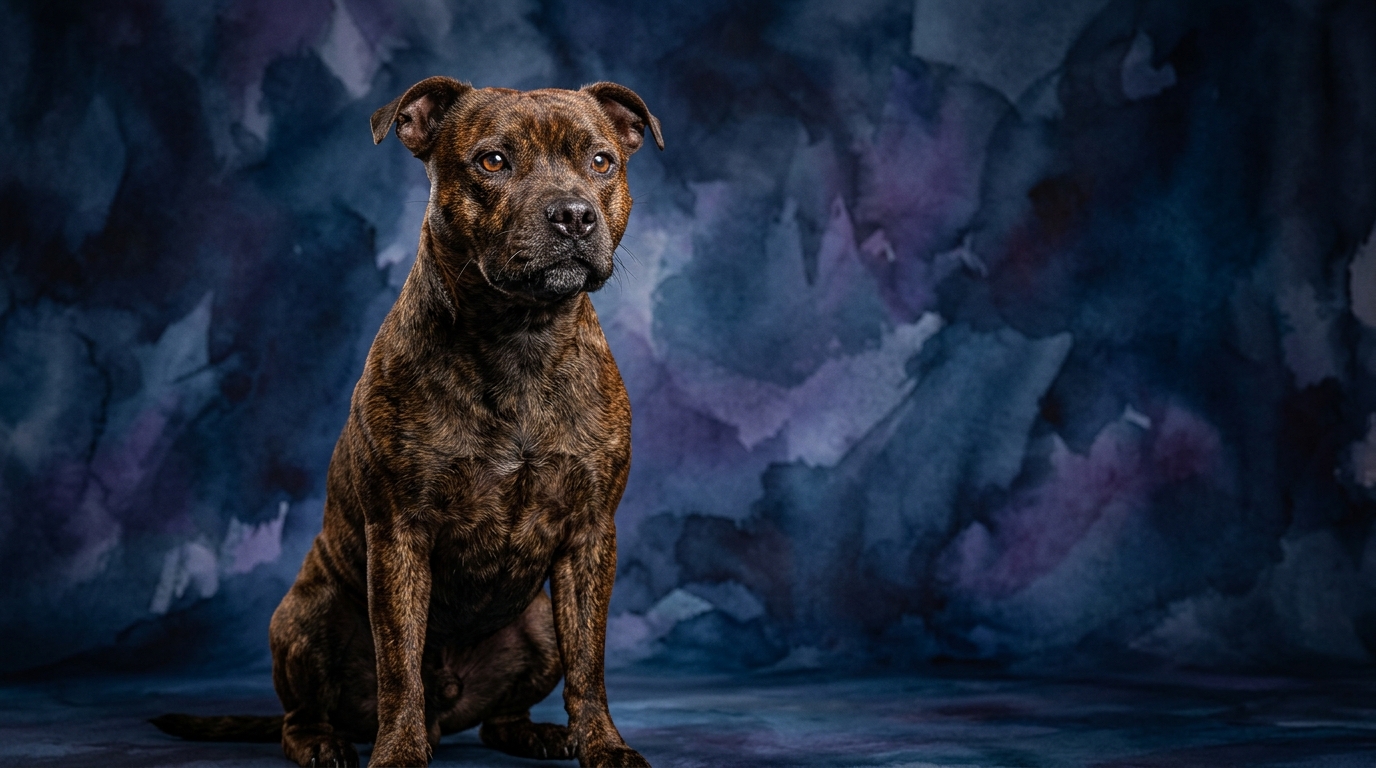
The Staffordshire Bull Terrier, a tenacious member of the terrier group, approaches these cognitive dimensions with a different emphasis. Their Problem Solving (3/5) is characterized by immense determination and persistence. A Staffy might not devise the most intricate solution, but they will relentlessly pursue a goal – be it retrieving a favorite toy or figuring out a gate – often through trial and error backed by sheer willpower. Training Speed (3/5) means they can learn rapidly when engaged and motivated by their beloved person, but their independent streak and strong drives necessitate consistent, firm, and fair methods. Social Intelligence (3/5) is profound within their immediate human family, where they are incredibly attuned to their owners' emotions, forming deep, empathetic bonds, though this may not extend as readily to unfamiliar dogs or people. Their Instinctive Drive (3/5) is a powerful combination of prey drive, expressed in vigorous play, coupled with characteristic terrier tenacity and high pain tolerance. Memory (3/5) enables them to recall specific training cues, past experiences, and the location of treasured possessions, reinforcing their routines and family bond.
Where the Icelandic Sheepdog Excels Cognitively
The Icelandic Sheepdog demonstrates a distinct cognitive advantage in tasks demanding nuanced environmental interpretation and cooperative group management. Their problem-solving capabilities are finely tuned for dynamic outdoor scenarios, such as anticipating shifts in weather or terrain to guide a flock safely. This breed excels at processing multiple concurrent stimuli from their surroundings, making rapid, practical decisions that benefit a collective. Furthermore, their social intelligence extends beyond individual interactions, allowing them to effectively read and influence the complex social dynamics of a group, fostering harmony and collective action. This ability to work in tandem with humans, often with minimal verbal commands, through subtle body language and anticipation, highlights their unique cognitive strength in collaborative endeavors.
Where the Staffordshire Bull Terrier Excels Cognitively
Conversely, the Staffordshire Bull Terrier showcases superior cognitive strengths in areas requiring intense focus, persistence, and singular determination. Their problem-solving is characterized by an unwavering resolve to achieve a defined objective, often involving manipulating objects or overcoming physical barriers. Once a Staffy sets its mind on a task, their tenacity is remarkable; they will try various approaches, exhibiting a mental fortitude that allows them to push through frustration or minor setbacks until the goal is met. This breed also excels in tasks demanding direct, object-oriented engagement, where their powerful drive can be channeled into focused play or specific skill acquisition. Their robust emotional resilience, a cognitive trait, enables them to maintain enthusiasm and effort even in challenging or repetitive training scenarios.
Training Dynamics: A Tale of Two Temperaments
When assessing ease of training, the distinction lies in the type of training and the underlying motivations of each breed. The Icelandic Sheepdog generally presents as easier to train for general obedience and cooperative tasks due to their inherent desire to work in partnership with humans. Bred for centuries to respond to subtle commands and anticipate their handler's needs while managing livestock, they possess a strong 'follow-my-leader' mentality. Their social intelligence makes them highly receptive to positive reinforcement and eager to please, often responding well to verbal cues and body language. However, their environmental awareness can sometimes mean they are easily distracted by intriguing sights or sounds, requiring a handler to maintain engagement.
The Staffordshire Bull Terrier, while equally capable of learning, often requires a different training approach. Their training speed is contingent on the perceived value of the reward and the strength of their bond with the trainer. They are fiercely loyal and will strive to please their person, but their independent terrier spirit and strong drives mean they can be more prone to stubbornness if a command doesn't align with their immediate desires or if they find something more interesting. Consistency, patience, and making training feel like a fun game are paramount. While they might not offer the same eager compliance as a herding dog, Staffies excel at learning tricks or excelling in dog sports where their tenacity and focus can be channeled, provided the motivation is high and the training engaging.
Matching Breeds to Lifestyles: Active vs. Relaxed Owners
Both the Icelandic Sheepdog and the Staffordshire Bull Terrier thrive with active, engaged owners, though their ideal activities differ. An active owner for an Icelandic Sheepdog is someone who enjoys outdoor adventures, is keen on providing consistent mental stimulation through activities like agility, scent work, or 'herding games,' and can channel their cooperative intelligence into a 'job.' These dogs need more than just physical exercise; they need purposeful engagement that stimulates their problem-solving and social faculties.
Conversely, an active owner for a Staffordshire Bull Terrier is one who can provide vigorous physical exercise, engage in intense play like fetch or tug-of-war, and channel their powerful prey drive into structured activities. Staffies need outlets for their physical energy and mental drive to prevent boredom and potential destructive behaviors. Their activity often involves more direct, object-focused interaction and less nuanced environmental work compared to the Sheepdog.
For truly relaxed owners, neither breed is truly suited for a sedentary lifestyle that offers minimal engagement. While an Icelandic Sheepdog might adapt slightly better to a less intensely active home if consistent mental challenges and moderate exercise are still provided, a truly relaxed owner would likely find them restless and potentially vocal. A Staffordshire Bull Terrier is even less suitable for a relaxed owner; their intense physical and mental drives demand regular, vigorous outlets. Without sufficient activity and mental engagement, a Staffy can become frustrated, leading to undesirable behaviors born out of boredom and unspent energy.
The Verdict
For those seeking a highly cooperative companion for outdoor adventures, who appreciate subtle communication and a dog that thrives on collaborative problem-solving within dynamic environments, the Icelandic Sheepdog is an excellent choice.
If you prefer unwavering loyalty, a tenacious spirit, and enjoy engaging in vigorous play and focused training that channels powerful, object-oriented drives, then the Staffordshire Bull Terrier will be a deeply rewarding partner.
🧠 Find Your Pet's IQ Score
Our Pet IQ Lab assessment covers 25+ tests across 5 cognitive dimensions — personalized to your breed.
Take the Full IQ Test →Frequently Asked Questions
Are Icelandic Sheepdogs good for first-time owners?
Yes, Icelandic Sheepdogs can be suitable for first-time owners who are committed to consistent positive reinforcement training and can provide ample mental stimulation and exercise. Their cooperative nature makes them generally eager to please, though their vocal tendencies and herding instincts require understanding.
Do Staffordshire Bull Terriers get along with other dogs?
Staffordshire Bull Terriers can get along with other dogs, especially if socialized extensively from a young age, but their historical background means some individuals may be dog-selective or prefer to be the only dog. Careful introductions and supervision are crucial, particularly with same-sex dogs.
Which breed is more vocal?
The Icelandic Sheepdog is generally considered more vocal, using barking to communicate and express their herding instincts, often alerting to new sights or sounds. Staffordshire Bull Terriers are typically less vocal, though they will bark to alert or express excitement, and some may 'talk' with grumbles and snorts.