
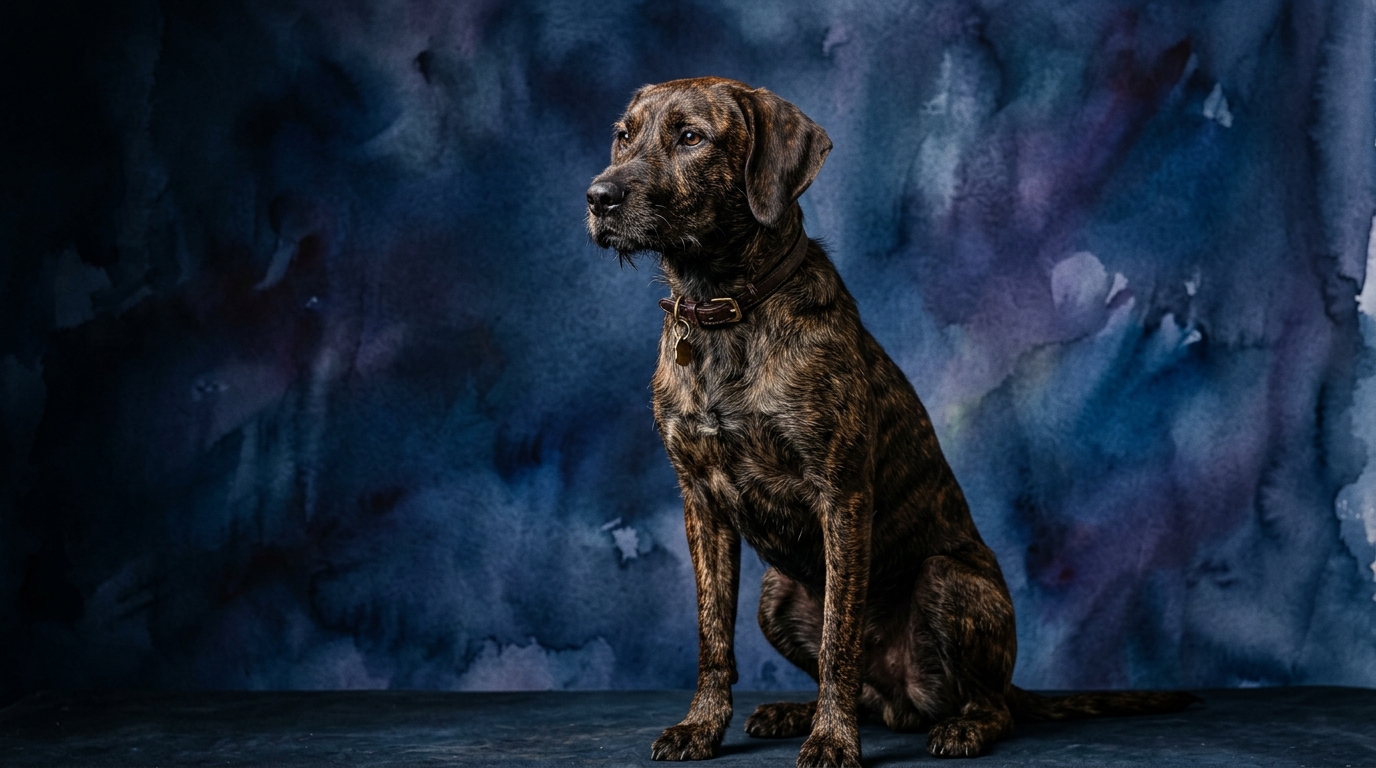
Side-by-Side IQ Profile: Irish Setter vs. Plott Hound
The Cosmic Pet Pet IQ Lab employs a multi-dimensional framework to assess canine intelligence, moving beyond simplistic 'smartest dog' rankings to provide a granular view of a breed's cognitive landscape. For the Irish Setter, a Sporting group dog, this framework illuminates a profile geared towards adaptable field work and cooperative partnership, reflected in its Coren rank of #35.
The Irish Setter's Problem Solving ability scores a robust 4/5. This indicates a breed capable of navigating novel situations, figuring out complex tasks, and adapting strategies when faced with obstacles, particularly those encountered during hunting expeditions where independent decision-making is often required. Their Training Speed also rates 4/5, suggesting a quick grasp of new commands, a strong retention rate, and an eagerness to engage in learning, making them responsive pupils.
In Social Intelligence, the Irish Setter scores 3/5. This denotes a good, but not exceptional, understanding of human cues and emotional states. They are generally affable and can read basic social signals, fostering strong bonds with their families, but might not possess the profound empathy or subtle interpretive skills seen in some dedicated companion breeds. Their Instinctive Drive, at 3/5, points to a moderate but distinct urge for their original purpose: locating and 'setting' game birds. This drive is present and can be channeled effectively, but it typically doesn't overwhelm their capacity for other forms of engagement. Finally, their Memory, scoring 4/5, suggests a strong recall of learned commands, established routines, and past experiences, contributing to their reliability and consistency in training and daily life.
The Plott Hound, a member of the Hound group, presents a distinct cognitive profile, notably without a Coren ranking, which often signifies a highly specialized intelligence not easily captured by generalized obedience metrics. Their Problem Solving ability is rated 3/5. For the Plott, this often manifests as a practical, highly focused problem-solving skill deeply intertwined with their specialized hunting instincts. They excel at figuring out how to navigate dense terrain, overcome physical barriers, and persist through environmental challenges to follow a scent trail, rather than abstract puzzle-solving.
The Plott Hound’s Training Speed also scores 3/5. This indicates a moderate learning pace, often requiring more patience, consistent repetition, and highly motivating rewards. Their independent nature, a hallmark of many scent hounds, means they learn, but perhaps not with the same eager-to-please enthusiasm or rapid acquisition as a Setter, often needing a compelling 'why' to comply. Their Social Intelligence is likewise 3/5, similar to the Setter; they are loyal and form strong bonds with their 'pack' or family but may not be as attuned to subtle human emotional nuances as breeds specifically developed for close companionship.
The Plott Hound's Instinctive Drive, also at 3/5, is particularly noteworthy for its *intensity* and *focus*. While numerically similar to the Setter, the Plott's drive is a deep, persistent, almost obsessive urge for scent work. Once engaged on a trail, this powerful instinct can override many other considerations, making them incredibly focused and resilient, yet potentially 'deaf' to unrelated commands. This single-minded pursuit is a cornerstone of their operational intelligence. Their Memory, scoring 3/5, is good for trails, scents, and routines directly related to their work, demonstrating excellent specific recall for their primary function, though perhaps not the same breadth of generalized command recall as the Setter.
Where the Irish Setter Excels Cognitively
The Irish Setter’s cognitive strengths shine in its capacity for generalized learning and adaptability. Its 4/5 Problem Solving score means it can more readily transfer learned concepts to new situations, making it a versatile companion for various activities beyond its traditional field work. This breed’s superior Training Speed (4/5) translates into quicker command acquisition, allowing for a broader repertoire of learned behaviors and more intricate obedience routines. Their robust Memory (4/5) further enhances this, ensuring commands and routines are retained over time, making them consistently responsive and predictable partners in training and daily life. This combination fosters a dog that is often perceived as more 'biddable' and eager to engage in diverse mental challenges presented by their human companions.
Where the Plott Hound's Unique Cognition Shines
While the Plott Hound's general problem-solving and training scores may be a point lower, its specialized cognitive strengths are profound within its intended domain. The Plott's 3/5 Instinctive Drive, though numerically equal to the Setter, represents an incredibly potent and persistent focus on scent, a form of specialized problem-solving that is unparalleled. Once a Plott is on a trail, its cognitive resources are almost entirely dedicated to deciphering and following that scent, demonstrating phenomenal concentration and endurance. This isn't general problem-solving, but a highly effective, deeply ingrained form of task execution that allows them to overcome complex environmental puzzles, such as navigating varied terrain or deciphering faint scent patterns, with relentless determination. Their memory, while 3/5 generally, excels specifically in recalling intricate scent trails and geographical layouts relevant to their hunting pursuits, making them formidable trackers.
Which is Easier to Train, and Why?
Based on their respective IQ profiles, the Irish Setter generally presents as the easier breed to train. Their 4/5 Training Speed indicates a natural inclination to learn quickly and retain commands, often coupled with an inherent desire to please their handler. This eagerness to cooperate means they are typically more receptive to positive reinforcement methods and less prone to independent decision-making when a command is given. Real behavioral differences include the Setter's attentiveness during sessions and its relatively lower instinctive drive (3/5) being more easily managed in a training context, allowing for a broader focus on generalized obedience.
The Plott Hound, with a 3/5 Training Speed, requires a more patient and persistent approach. Their strong, focused Instinctive Drive (3/5 for scent work) means they can be easily distracted by compelling smells, making recall and focus challenging in outdoor environments. Their independent nature, crucial for a hound that must make decisions far from its handler, often translates to a need for more repetition and high-value rewards to maintain engagement. While capable of learning, their training journey often demands a deeper understanding of hound psychology and a commitment to consistent, engaging sessions to overcome their inherent self-reliance and powerful drive.
Suitability for Active vs. Relaxed Owners
The Irish Setter, with its Sporting dog heritage, is undeniably suited for active owners. Their combination of physical stamina and a keen intellect (4/5 Problem Solving, 4/5 Memory) means they thrive on both physical exercise and mental engagement. Owners who enjoy long runs, intricate fetch games, or participation in dog sports like agility or obedience will find a highly motivated and capable partner in an Irish Setter. Without sufficient mental and physical outlets, their energy and cleverness can lead to boredom-induced behaviors, making them less ideal for truly relaxed, sedentary households.
The Plott Hound also demands an active owner, but the nature of that activity is different. While they possess significant stamina and require ample physical exercise, their contentment is deeply tied to fulfilling their powerful Instinctive Drive. This means owners who can provide opportunities for scent work, long hikes where they can engage their nose, or even participation in tracking and trailing sports will see the Plott Hound truly flourish. For relaxed owners, the Plott's persistent drive and need for mental stimulation, particularly through scent, can be overwhelming if not adequately channeled, potentially leading to restless or destructive behaviors. Neither breed is well-suited for a truly relaxed, low-activity lifestyle; both require owners committed to engaging their specific forms of energy and intelligence.
The Verdict: When to Choose Each Breed
The Verdict
Choose an Irish Setter if you're an active owner seeking a highly biddable, versatile companion for diverse activities and enjoy a faster, more responsive training experience. Their adaptability and eagerness to learn make them excellent partners for general obedience, sports, and family life.
Opt for a Plott Hound if you're an experienced, active owner who appreciates a dog with profound, specialized drive and can provide consistent outlets for scent work or tracking. Their loyalty and tenacity make them exceptional for specific tasks, though they require more patience and understanding in general training.
🧠 Find Your Pet's IQ Score
Our Pet IQ Lab assessment covers 25+ tests across 5 cognitive dimensions — personalized to your breed.
Take the Full IQ Test →Frequently Asked Questions
Are Plott Hounds difficult to train?
Plott Hounds are not inherently difficult to train, but they do require a specific approach. Their independent nature and powerful scent drive mean training needs to be highly motivating, consistent, and patient, often leveraging their natural instincts rather than fighting them.
Do Irish Setters need a lot of exercise?
Yes, Irish Setters are an active Sporting breed that requires significant daily exercise. They thrive on long walks, runs, and engaging play sessions to satisfy both their physical stamina and their intelligent, curious minds.
Which breed is better with children?
Both breeds can be good with children, given proper socialization and training. Irish Setters are generally known for their playful and gentle nature, while Plott Hounds are loyal to their family pack, but their strong drive might require more management around very young or boisterous children.