Side-by-Side Cognitive Profiles
Understanding the unique intellectual landscape of each breed begins with a detailed look at their individual cognitive strengths and tendencies.
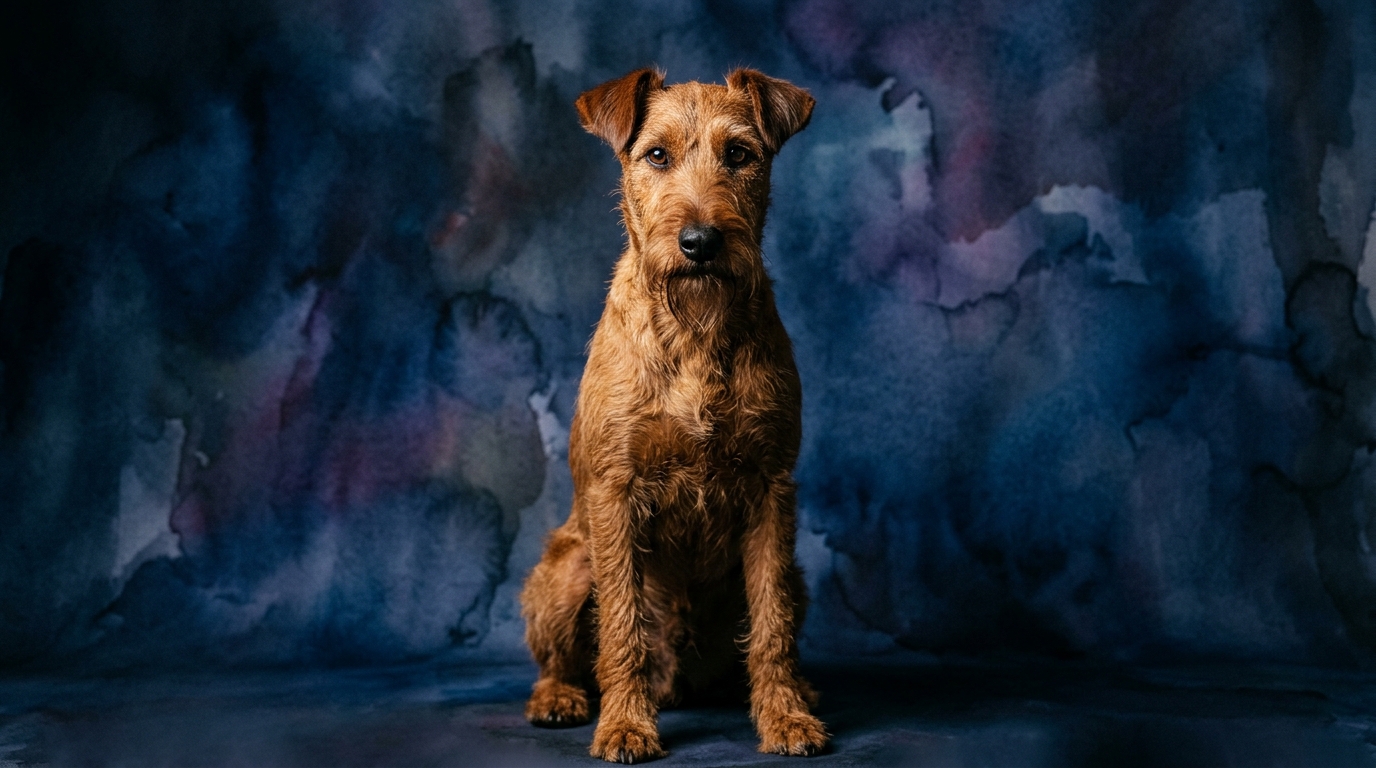
The Irish Terrier, often dubbed the 'Daredevil' of the Terrier group, presents a consistent and balanced cognitive profile across the board. Their Problem Solving is rated 3/5, indicating a moderate ability to independently navigate and resolve new challenges, often employing clever, if not always direct, methods. Training Speed also stands at 3/5, meaning they acquire new commands at an average pace, thriving with engaging and consistent instruction that respects their independent nature. In Social Intelligence, they score 3/5, demonstrating a moderate aptitude for interpreting human social cues and adapting their behavior within their immediate social circle. Their Instinctive Drive is 3/5, reflecting a balanced level of natural terrier behaviors like chasing and exploring, which are present but generally manageable. Finally, their Memory is 3/5, showing a reliable capacity to retain learned information and past experiences, building a steady foundation for their understanding of the world.
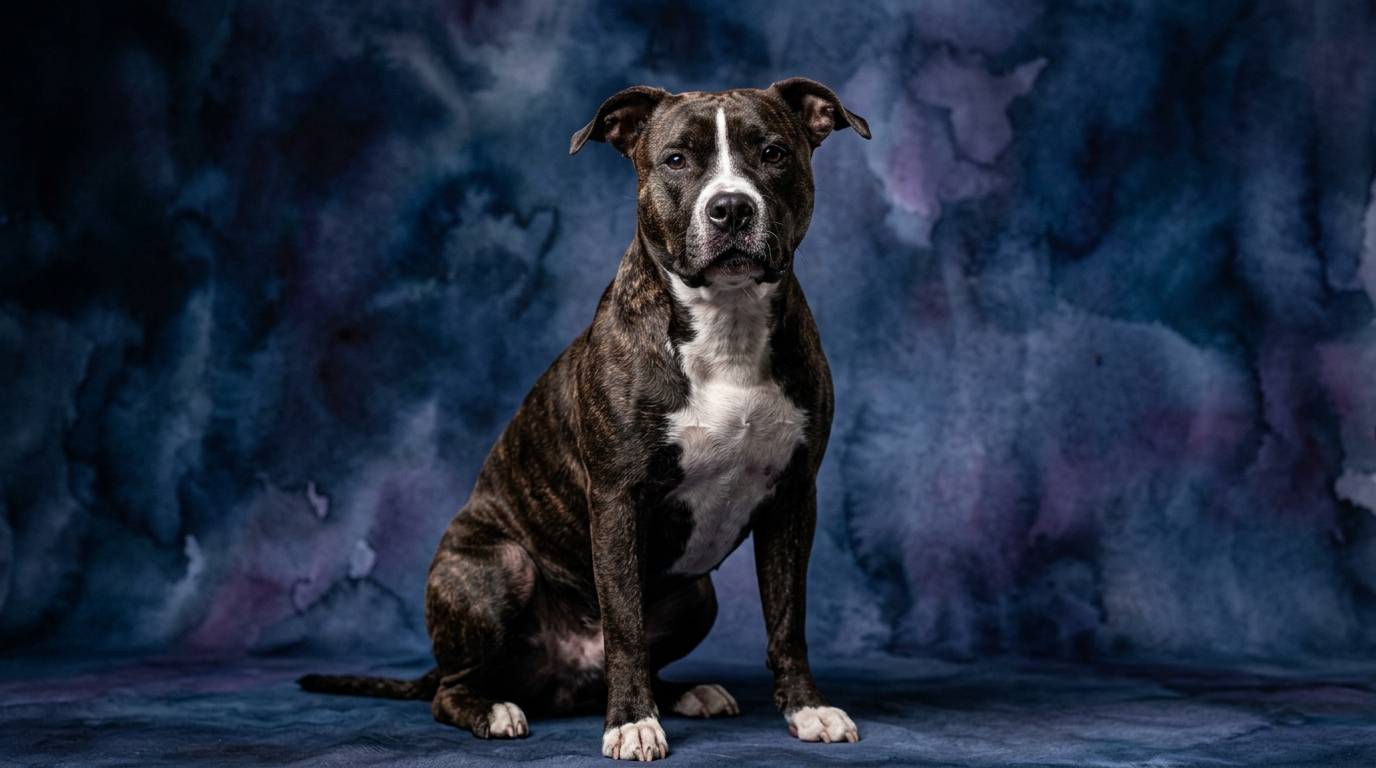
The American Staffordshire Terrier, a breed admired for its strength and loyalty, shares several cognitive similarities with its Irish cousin but boasts a notable distinction. Their Problem Solving matches at 3/5, signifying a solid capability to approach and overcome obstacles with a thoughtful, persistent demeanor. Training Speed is also 3/5, indicating an average learning curve for new tasks, often driven by a strong desire to engage and please their handlers. Social Intelligence mirrors the Irish Terrier at 3/5, suggesting a moderate ability to interpret human emotions and social structures, fostering strong bonds within their family. Their Instinctive Drive is rated 3/5, reflecting a moderate level of natural behaviors, which, when properly channeled, contribute to their robust and active nature. However, the American Staffordshire Terrier truly distinguishes itself with a Memory score of 4/5, indicating a superior capacity for retaining learned behaviors, commands, and past experiences with remarkable clarity and duration.
Where the Irish Terrier Exhibits Cognitive Strengths
The Irish Terrier's cognitive advantages often emerge from their remarkably balanced intellectual framework. With a consistent 3/5 across all five cognitive dimensions – problem-solving, training speed, social intelligence, instinctive drive, and memory – this breed offers a highly adaptable and robust intellect without a single pronounced weakness. This equilibrium means they are less prone to being overly challenged in any specific cognitive area, allowing for a steady and predictable intellectual response to various situations. Their moderate instinctive drive, while present, is typically expressed in a way that allows for easier redirection compared to breeds with more intense, singular focuses. This well-roundedness translates into a dog that can proficiently engage in a diverse range of activities, from learning new tricks to navigating complex environments, without a significant cognitive hurdle in any one area.
Where the American Staffordshire Terrier Excels Cognitively
The American Staffordshire Terrier's most significant cognitive triumph lies in its superior Memory, earning a 4/5, a full point above the Irish Terrier. This enhanced memory capacity provides a substantial advantage, allowing them to internalize and recall commands, routines, and past experiences with exceptional precision and longevity. For owners, this translates into greater efficiency in maintaining established behaviors, as less frequent reinforcement is needed to keep learned skills fresh. This strong retention is foundational for building complex behavioral repertoires and for fostering a deep, consistent understanding of household expectations and boundaries. Their robust problem-solving skills, rated 3/5, further complement this strong memory, enabling them to effectively apply remembered solutions to recurring challenges and learn from previous encounters. This makes them particularly adept at tasks requiring consistent recall and application of learned knowledge.
Training Ease: Irish Terrier vs. American Staffordshire Terrier
When evaluating which breed might be easier to train, the American Staffordshire Terrier holds a subtle but distinct edge, primarily due to its superior memory (4/5 compared to the Irish Terrier's 3/5). While both breeds share an average Training Speed of 3/5, meaning they learn new commands at a similar initial pace, the AmStaff's enhanced retention ensures that once a behavior is mastered, it is less likely to be forgotten. This means fewer repetitions are required over time to maintain proficiency, leading to a more efficient and lasting training outcome. The Irish Terrier, despite its equivalent initial learning speed, will require more consistent reinforcement to ensure that learned behaviors are solidified into long-term memory. Both breeds flourish with positive, engaging training methodologies, and both possess moderate social intelligence, making them receptive to human instruction. However, the AmStaff's more durable cognitive foundation for recall can make the overall training journey feel more productive and rewarding in the long term, even if initial learning curves are comparable.
Ideal Owners: Active vs. Relaxed Lifestyles
The Irish Terrier, with its balanced cognitive profile and moderate instinctive drive (3/5), is well-suited for owners who appreciate an active companion without demanding extreme athleticism. They thrive on regular walks, engaging play, and opportunities to explore their surroundings, but their energy levels are generally manageable. They possess enough drive to be enthusiastic participants in family activities, yet they can settle down comfortably indoors once their physical and mental needs have been met. This adaptability makes them a good fit for active families who enjoy consistent engagement but might not be seeking a dog that requires intensive, high-impact daily exercise. Their consistent cognitive scores mean they can adapt to various training styles and household dynamics without significant cognitive friction.
The American Staffordshire Terrier, while also possessing a moderate instinctive drive (3/5), often benefits from owners who are prepared for consistent and varied mental and physical stimulation, especially leveraging their strong memory. Their robust build and inherent desire for interaction mean they excel in structured activities such as obedience, agility, or even advanced trick training, which simultaneously engage their bodies and their sharp minds. They are an excellent match for active owners who enjoy partnering with their dog in various pursuits, ensuring their cognitive capacity and physical requirements are adequately met. Without sufficient mental work and physical outlets, their intelligence and drive can lead to boredom. While they can be relaxed and affectionate companions indoors, this state is often achieved after a solid foundation of daily activity and mental challenges.
The Cosmic Pet Verdict
Choosing between the Irish Terrier and the American Staffordshire Terrier based on their cognitive profiles boils down to subtle preferences in intellectual emphasis and owner engagement.
The Irish Terrier offers a consistently balanced and adaptable intellect, ideal for owners seeking a well-rounded companion that excels in general cognitive flexibility and manageable drives. They are a reliable choice for families who enjoy moderate activity and appreciate a dog that is equally capable across various mental tasks.
The American Staffordshire Terrier, with its standout memory, is a superb choice for owners who prioritize exceptional retention of learned behaviors and are prepared to engage their dog in consistent, enriching training. They thrive with active owners who can channel their robust intelligence into structured activities, benefiting from a companion that remembers and applies lessons with remarkable fidelity.
The Verdict
Opt for an Irish Terrier if you seek a balanced, adaptable companion with a consistent intellectual profile across all domains, suitable for an active lifestyle that isn't overly intense.
Select an American Staffordshire Terrier if you value exceptional memory in a companion, are prepared for consistent training and mental engagement, and appreciate a dog that retains learned behaviors with remarkable fidelity.
🧠 Find Your Pet's IQ Score
Our Pet IQ Lab assessment covers 25+ tests across 5 cognitive dimensions — personalized to your breed.
Take the Full IQ Test →Frequently Asked Questions
Do Irish Terriers tend to be stubborn during training?
Irish Terriers, with their 3/5 training speed and independent terrier spirit, can sometimes appear stubborn if training isn't engaging or consistent. They respond best to positive reinforcement and varied sessions that hold their interest, ensuring their moderate social intelligence is engaged.
How does the AmStaff's memory affect their daily life?
The American Staffordshire Terrier's superior memory (4/5) means they quickly learn household routines, remember boundaries, and recall commands even after long periods. This contributes to a well-behaved and predictable companion in daily life, making them reliable in their learned responses.
Are these breeds suitable for first-time dog owners?
Both breeds, while possessing average training speed and social intelligence, benefit from owners who are committed to consistent training and socialization. Their moderate instinctive drives require thoughtful management, making them better suited for owners willing to invest time in understanding and guiding their development, potentially with expert guidance for first-timers.