Side-by-Side Cognitive Profile: Unpacking the 3/5 Scores
At first glance, the identical 3/5 scores across all five cognitive dimensions for both the Irish Terrier and the Bull Terrier might suggest little difference. However, these scores represent a functional average, and the *manifestation* of these abilities varies significantly, shaped by each breed's historical role and inherent temperament. Understanding these nuances is key to appreciating their distinct intellectual styles.
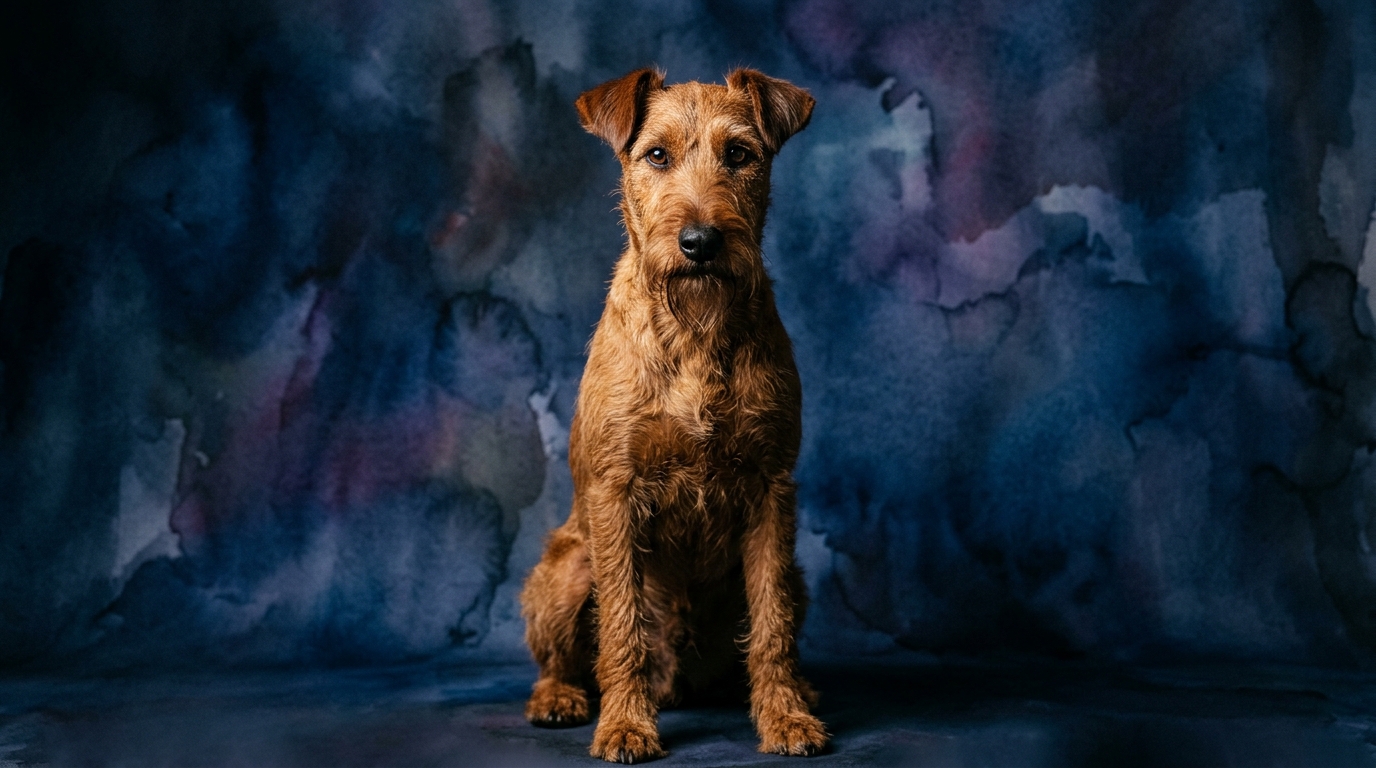
For the **Irish Terrier**, a 'problem Solving' score of 3/5 often translates into a practical, adaptable approach to challenges. They are observed to assess situations with a degree of cunning, often trying multiple methods to achieve a goal, such as figuring out how to access a forbidden treat or navigate a complex obstacle. Their 'training Speed' at 3/5 means they grasp new commands and concepts relatively quickly, often requiring a moderate number of repetitions, but their independent spirit means consistency and engaging methods are crucial to maintain their focus. Their 'social Intelligence' at 3/5 manifests as a discerning awareness of their immediate human family's moods and intentions, often forming deep, empathetic bonds, though they can be reserved or even aloof with strangers. The 'instinctive Drive' of 3/5 is strongly geared towards their heritage as vermin hunters, expressing itself through keen observation, a strong prey drive for small, moving objects, and a territorial nature. Finally, their 'memory' at 3/5 demonstrates a good recall for established routines, learned commands, and both positive and negative experiences, aiding in their adaptability and avoidance of past errors.
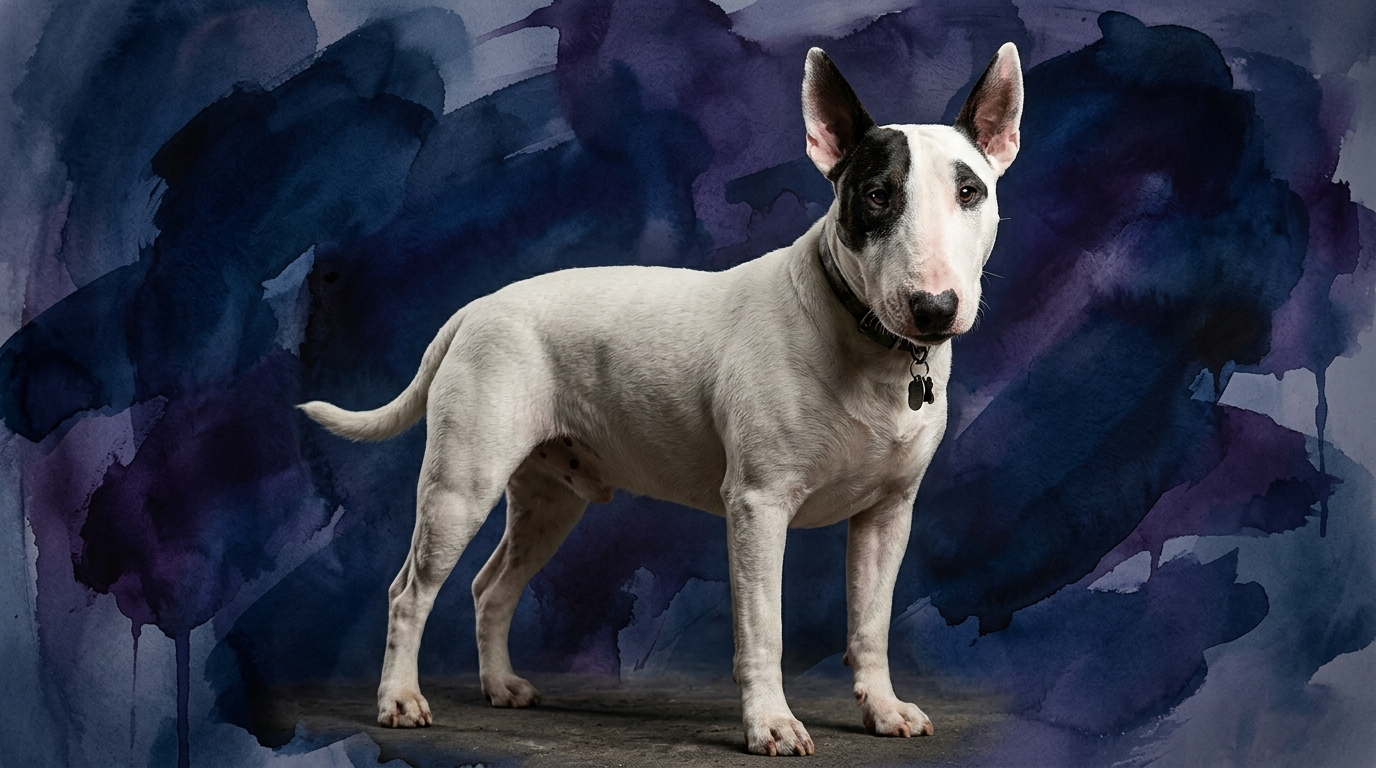
The **Bull Terrier**, with its matching 3/5 scores, presents a different cognitive texture. Their 'problem Solving' at 3/5 is often characterized by sheer determination and a robust, sometimes single-minded, approach. They might not seek the most elegant solution but will persistently work at a problem, using their strength and endurance until they succeed, whether it's pushing through a barrier or retrieving a toy from a difficult spot. Their 'training Speed' of 3/5 indicates they can learn effectively, though they might require more patience and consistent motivation than some breeds, as their strong will can sometimes override a desire to comply. Once a behavior is ingrained, however, it tends to be very reliable. 'Social Intelligence' at 3/5 for a Bull Terrier often means an intense devotion to their chosen family, sometimes to the point of being oblivious to subtle social cues from those outside their inner circle. They are demonstrably affectionate and enjoy close physical contact, but their social interactions can be more direct and less nuanced. Their 'instinctive Drive' at 3/5, while still rooted in terrier tenacity, often leans towards robust play, chasing games, and a strong desire for companionship, alongside a historical aptitude for dog sports rather than pure vermin hunting. Their 'memory' at 3/5 is typically strong for routines, cherished people, and places, and they can hold onto both positive associations and perceived slights with remarkable tenacity, influencing their future interactions.
Where the Irish Terrier Exhibits Cognitive Strengths
The Irish Terrier often demonstrates a slight edge in cognitive adaptability and nuanced social observation within certain contexts. Their 3/5 problem-solving score, while identical to the Bull Terrier, tends to lean towards a more strategic and less purely physical approach. An Irish Terrier encountering a puzzle feeder might experiment with different angles or methods to release the treats, showing a calculated curiosity rather than forceful persistence. This practical intelligence allows them to quickly assess new environments or situations and adjust their behavior accordingly, making them quite resourceful in varied settings.
Furthermore, their social intelligence, also rated 3/5, often involves a more subtle reading of human emotional states. While both breeds are devoted, the Irish Terrier might be quicker to pick up on a change in tone or body language, offering comfort or retreating as appropriate. This sensitivity, combined with their memory, means they can quickly learn what behaviors elicit positive or negative responses from their owners, allowing for a more responsive and finely tuned interaction dynamic. Their instinctive drive, focused on sharp observation and quick reactions, complements this by making them acutely aware of their surroundings, which can be an asset in navigating complex social or environmental cues.
Where the Bull Terrier Exhibits Cognitive Strengths
The Bull Terrier's cognitive strengths lie in their unwavering persistence and their capacity for deep, unwavering loyalty, which significantly impacts their social and training dynamics. Their 3/5 problem-solving ability, while perhaps less agile in strategic thought, excels in tasks requiring sheer determination and physical effort. If an Irish Terrier might try to outwit a barrier, a Bull Terrier is more likely to methodically work at pushing, digging, or finding a way through it, demonstrating a formidable resolve that can be highly effective in overcoming physical obstacles.
Their 3/5 training speed, once properly harnessed, leads to exceptionally reliable learned behaviors. While they may take a few more repetitions to initially grasp a concept due to their independent nature, their memory and determination mean that once a command is truly understood and deemed rewarding, they execute it with remarkable consistency. This deep-seated retention, coupled with their robust instinctive drive for engaging play and companionship, means they are often highly motivated by interaction and praise from their trusted humans. Their social intelligence, while direct, fosters an intense, almost single-minded bond with their family, making them incredibly devoted and protective companions who thrive on being an integral part of their human's life.
Ease of Training: Behavioral Differences in Focus and Motivation
When considering which breed might be 'easier' to train, the identical 3/5 training speed scores belie distinct behavioral differences in how each breed approaches learning. The Irish Terrier, with its keen observational skills and adaptable problem-solving, can often pick up new commands with relative speed, particularly if the training is engaging and varied. However, their independent spirit and strong instinctive drives mean they can exhibit 'selective deafness' if a more compelling scent, sound, or sight captures their attention. Training an Irish Terrier requires consistent, positive reinforcement, a good sense of humor, and the ability to make learning more interesting than whatever distraction presents itself, preventing boredom and channeling their natural terrier tenacity into desired behaviors.
The Bull Terrier, on the other hand, while also scoring 3/5 in training speed, often requires a more patient and persistent approach during initial learning. Their strong will means they might not immediately see the value in a command if it doesn't align with their current focus or perceived reward. However, once a Bull Terrier understands the expectation and is motivated by a reward they value (be it food, a favorite toy, or intense praise), their determination makes them exceptionally reliable. Their problem-solving approach, which tends towards persistence, translates into a dog that, once committed to a task, will see it through. The key to training a Bull Terrier is establishing clear leadership, consistent boundaries, and making training a fun, rewarding experience that taps into their desire for engagement, rather than trying to force compliance.
Matching Owners: Active Engagement vs. Robust Companionship
Both breeds, being terriers, benefit from active engagement, but the *type* of activity and owner temperament that best suits them differs. The Irish Terrier, with its balanced cognitive profile and strong instinctive drives, thrives with owners who enjoy varied outdoor activities and can provide consistent mental stimulation. Their problem-solving acumen and adaptable nature mean they excel in activities like agility, earthdog trials, or long, exploratory hikes where they can engage their senses and intellect. Owners who appreciate a dog with a spirited, independent streak and can channel their energy into constructive outlets will find a rewarding companion. They suit active owners who are prepared to be consistent leaders, offering both physical exercise and engaging mental challenges to prevent boredom and potential mischief.
The Bull Terrier, while equally active, often benefits from robust, structured play and an owner who appreciates their powerful, sometimes clownish, personality. Their intense social intelligence and strong desire for companionship mean they thrive when they are an integral part of family life, enjoying vigorous play sessions, long walks, and plenty of quality time. While they can adapt to various activities, their determination and physical prowess make them excellent partners for owners who enjoy consistent training, structured games, and a dog that can keep up with their active lifestyle, often excelling in dog sports that involve strength and endurance. They suit owners who are confident, consistent, and willing to invest time in positive reinforcement and early socialization to manage their strong will and ensure they grow into well-adjusted, devoted family members.
The Verdict
Choose an Irish Terrier if you seek an adaptable, spirited companion who enjoys varied mental and physical challenges, and you appreciate a dog with a keen, independent mind that thrives on engaging, consistent guidance.
Opt for a Bull Terrier if you desire a devoted, robust companion who thrives on intense family interaction and structured play, and you are prepared to offer consistent, patient training to harness their formidable determination.
🧠 Find Your Pet's IQ Score
Our Pet IQ Lab assessment covers 25+ tests across 5 cognitive dimensions — personalized to your breed.
Take the Full IQ Test →Frequently Asked Questions
Are Irish Terriers good with other pets?
Irish Terriers possess a strong prey drive due to their hunting heritage, meaning they may not always be ideal with smaller pets like cats or rodents unless extensively socialized from a young age. With other dogs, early and consistent socialization is key, as their territorial instincts and confidence can sometimes lead to conflicts.
Do Bull Terriers require a lot of exercise?
Yes, Bull Terriers are robust and energetic dogs that require a significant amount of daily exercise to stay healthy and well-behaved. This typically includes vigorous walks, playtime in a secure yard, or engaging in dog sports, to channel their strong physical and mental energy constructively.
Which breed is more prone to stubbornness?
Both breeds can exhibit stubbornness due to their terrier heritage and strong wills, but it manifests differently. Irish Terriers might be selectively deaf when distracted by their instincts, while Bull Terriers can be more overtly resistant if they don't perceive a clear benefit or are focused on something else. Consistent, positive, and engaging training is crucial for both.