Side-by-Side IQ Profile: Interpreting Identical Scores
At first glance, the Cosmic Pet Pet IQ Lab data presents a perplexing sameness: both the Irish Terrier and the Cirneco dell'Etna register 3/5 across Problem Solving, Training Speed, Social Intelligence, Instinctive Drive, and Memory. However, these identical scores are merely the starting point for a deeper exploration into how each breed's inherent nature shapes the application of these cognitive traits. It's not about which is 'smarter,' but how their intelligence manifests in their daily lives and interactions.
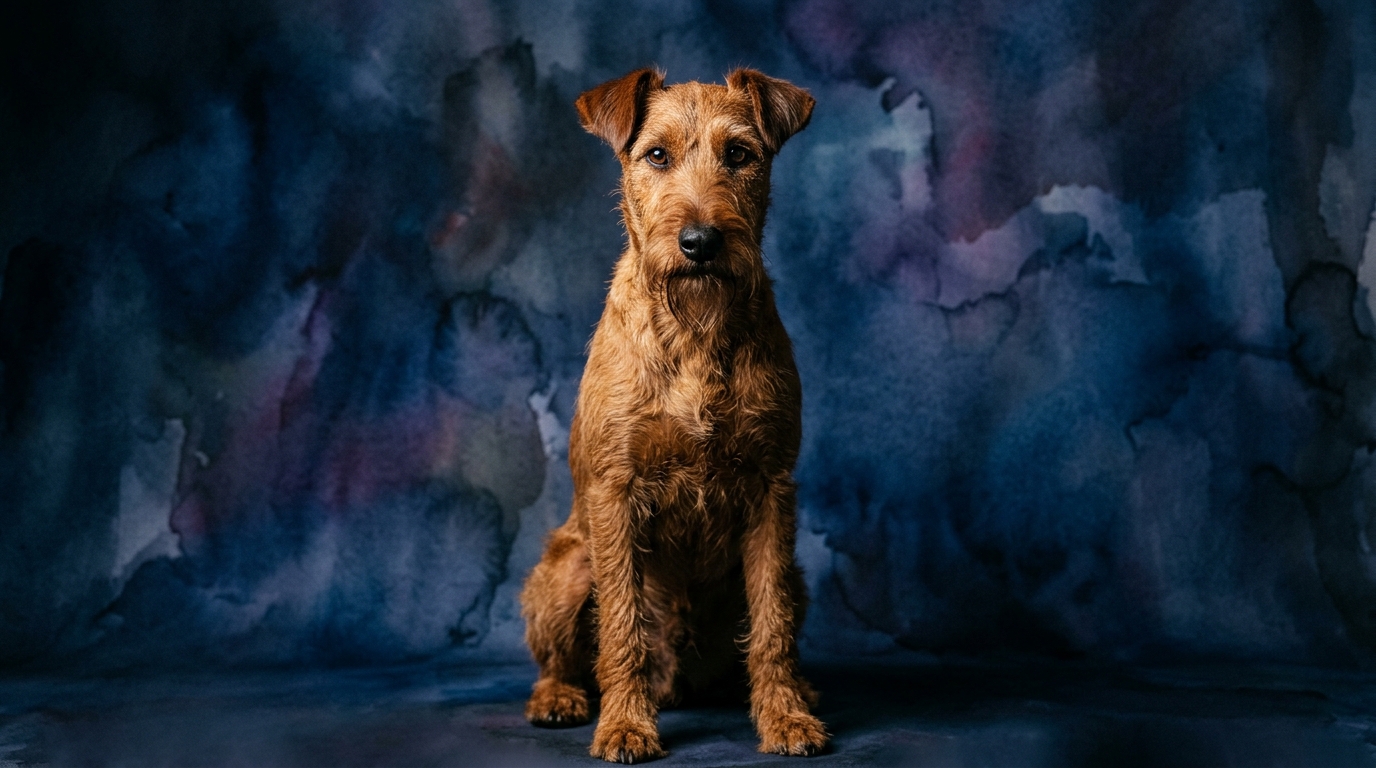
For the **Irish Terrier**, a 3/5 in **Problem Solving** often translates to a resourceful and independent approach, particularly when faced with obstacles related to their objectives, such as figuring out how to access a forbidden area or outmaneuver a small critter. Their **Training Speed** at 3/5 indicates they are capable learners, but their terrier tenacity means they often weigh commands against their own desires, learning quickly what serves them best. Their **Social Intelligence** (3/5) allows them to read human cues and dynamics within their 'pack,' though they might assert their own personality robustly. An **Instinctive Drive** of 3/5 is strongly linked to their prey drive, digging tendencies, and a watchful territoriality. Finally, their **Memory** (3/5) ensures they recall routines, past experiences, and the consequences of their actions, both good and mischievous.
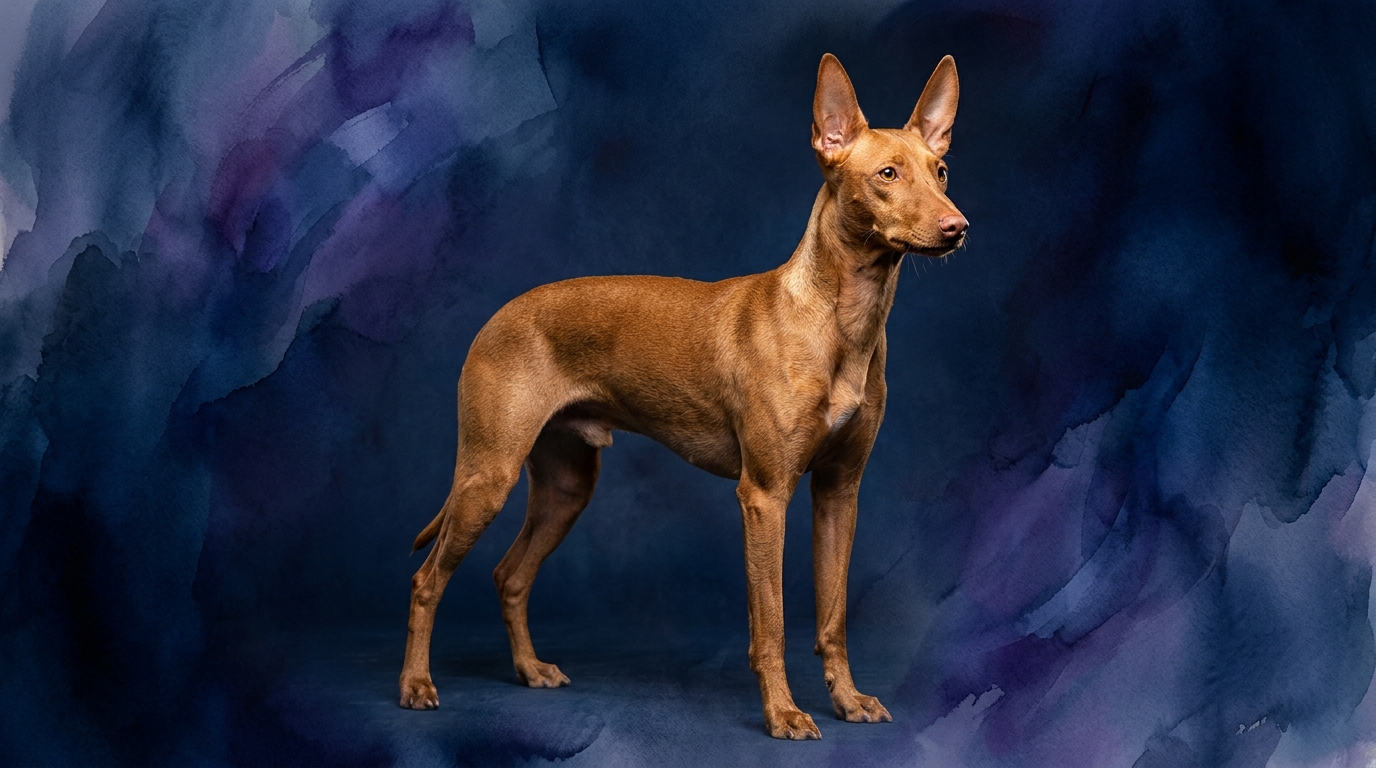
The **Cirneco dell'Etna**, with its ancient sighthound and scenthound lineage, expresses its 3/5 scores differently. Its **Problem Solving** (3/5) typically shines in navigating complex terrains during a chase or efficiently tracking a scent, demonstrating an agile mind focused on pursuit and environmental assessment. Their **Training Speed** at 3/5 suggests they grasp concepts readily, especially when motivation aligns with their natural drives, responding well to positive reinforcement. **Social Intelligence** (3/5) for a Cirneco often means a gentle, observant nature within their family, attuned to the general mood rather than seeking to dominate. Their **Instinctive Drive** at 3/5 is profoundly expressed in their powerful urge to chase, track, and hunt, making them alert to movement and scent. A 3/5 in **Memory** for the Cirneco allows them to remember successful hunting paths, familiar routes, and the location of interesting smells, as well as learned commands.
Where the Irish Terrier Shines Cognitively
The Irish Terrier's cognitive strengths lie in its independent thought and robust adaptability. While both breeds score 3/5 in problem-solving, the Terrier's expression of this is often more self-directed and less dependent on human guidance once a goal is set. They excel at figuring out practical solutions to immediate, tangible challenges, often involving manipulation of objects or clever navigation around obstacles to reach a desired outcome, such as getting to a toy or investigating an interesting sound. This isn't just about learning; it's about applying learned principles with a dash of self-interest and ingenuity.
Their social intelligence, while rated the same, also manifests as a more assertive engagement. An Irish Terrier might be quicker to 'tell' you what they need or want, demonstrating a directness in their communication that can be interpreted as a sharp understanding of human responsiveness. This assertiveness, combined with their memory, means they quickly learn which behaviors elicit desired reactions from their people, becoming adept at subtle (or not-so-subtle) manipulation to achieve their aims. This active engagement with their environment and their human companions makes their cognitive processes feel very 'present' and interactive.
Where the Cirneco dell'Etna Exhibits Cognitive Prowess
The Cirneco dell'Etna's cognitive strengths are deeply rooted in its heritage as a hunter. Their problem-solving, also rated 3/5, is particularly refined in tasks requiring sustained focus and environmental awareness. They are adept at processing sensory information rapidly, using sight and scent to track and make quick decisions in dynamic situations, like navigating uneven terrain at speed or following a complex scent trail. This isn't just instinct; it's a sophisticated cognitive process involving spatial reasoning and pattern recognition, constantly updating their mental map of their surroundings.
Their memory, while also 3/5, is particularly strong in recalling geographical information and sensory associations. A Cirneco might remember a specific spot where they encountered an intriguing scent weeks ago, or recall the most efficient path through a field they've traversed before. This contributes to their efficiency and success in activities that tap into their natural drives. Furthermore, their social intelligence, while perhaps less overtly 'demanding' than a Terrier's, manifests as a subtle attunement to their human's emotional state, often offering quiet companionship or gentle reassurance without needing to be the center of attention. They process social cues with a quiet sensitivity that speaks to a keen observational mind.
Training Dynamics: Which is Easier and Why?
When considering ease of training, the nuances of their 3/5 'Training Speed' become crucial. The Cirneco dell'Etna, generally speaking, might be perceived as marginally 'easier' to train for basic obedience, primarily due to their typically more biddable hound temperament. They are often eager to please their human companions and respond very well to positive reinforcement, especially when treats or praise are involved. Their strong prey drive can even be harnessed as a motivator, making recall training, for instance, a game of 'chase the human' rather than a battle of wills. Consistency and clear, kind communication are key, but their inherent desire for cooperation often streamlines the process.
The Irish Terrier, while also scoring 3/5, presents a different training challenge. Their independence and cleverness mean they learn quickly, but they also learn *what they want to learn*. If a command doesn't seem to have a clear benefit or if their attention is captured by something more interesting, their terrier stubbornness can surface. Training an Irish Terrier requires a firm, consistent, and creative approach, often turning lessons into engaging games to capture their keen minds and prevent boredom. Their problem-solving skills might even be turned against the trainer, as they try to find loopholes or alternative solutions to commands. Therefore, while both learn at a similar pace, the Cirneco's inherent disposition might make the training journey feel less like a negotiation and more like a collaboration.
Lifestyle Match: Active vs. Relaxed Owners
Both the Irish Terrier and the Cirneco dell'Etna are breeds that thrive with active owners, but the *nature* of that activity differs significantly. A 'relaxed owner' in the traditional sense might find both breeds challenging to manage without sufficient outlets for their energy and cognitive engagement. Neither is a couch potato by default, and a lack of stimulation will inevitably lead to boredom-driven behaviors.
The **Irish Terrier** suits an owner who enjoys interactive, varied activities. They need vigorous daily exercise, but also mental challenges that engage their problem-solving nature – think agility, earthdog trials, extensive fetch games, or even just complex puzzle toys. They thrive on human companionship and participation in family activities, often wanting to be involved in everything. Their energy is often expressed in bursts, followed by periods of watchful observation or intense cuddling. An ideal owner for an Irish Terrier is someone who appreciates a dog with a strong personality and enjoys an active partnership.
The **Cirneco dell'Etna** is perfect for owners who enjoy long, sustained periods of exercise, particularly running, hiking, or secure off-leash romps in fenced areas where their speed and prey drive can be safely indulged. They possess remarkable stamina and require significant physical exertion to be truly content. While they enjoy their family, their energy is often expressed through graceful movement and exploration. After their exercise needs are met, they are typically calm and quiet indoors, often enjoying a long nap. An owner who values routine, outdoor adventures, and a dog that can keep pace on a long run would find a wonderful companion in the Cirneco.
The Verdict
Choose an Irish Terrier if you appreciate a dog with an independent spirit, a clever mind that thrives on interactive challenges, and a bold personality that will keep you on your toes with its resourceful problem-solving.
Opt for a Cirneco dell'Etna if you seek an elegant, agile companion for long outdoor adventures, a dog whose cognitive strength lies in focused pursuit and environmental awareness, and a generally gentle nature after their exercise needs are met.
🧠 Find Your Pet's IQ Score
Our Pet IQ Lab assessment covers 25+ tests across 5 cognitive dimensions — personalized to your breed.
Take the Full IQ Test →Frequently Asked Questions
Do Irish Terriers and Cirnecos learn commands at the same rate?
While both breeds have a 'Training Speed' rating of 3/5, their learning styles differ. The Irish Terrier learns quickly but selectively, often weighing commands against its own agenda, while the Cirneco also learns quickly but tends to be more biddable and motivated by positive reinforcement, making training feel more collaborative.
How do their problem-solving skills differ despite identical scores?
The Irish Terrier's problem-solving is often self-directed and practical, focused on overcoming immediate obstacles to achieve personal goals. The Cirneco's problem-solving excels in dynamic environmental navigation and efficient tracking during a chase, leveraging keen sensory processing for movement and scent.
Are both breeds suitable for first-time dog owners?
Both breeds possess strong personalities and significant exercise needs, making them potentially challenging for completely inexperienced owners. However, a dedicated first-time owner willing to commit to consistent training, socialization, and ample activity could succeed with either, provided they research the specific breed's nuances thoroughly.