Side-by-Side Cognitive Profiles: Irish Terrier vs. Miniature Poodle
The Cosmic Pet Pet IQ Lab provides a unique lens through which to compare canine intellect, assessing five key dimensions. While the Irish Terrier is not ranked by Coren, the Miniature Poodle stands out with a Coren rank of #2, immediately signaling a divergence in their cognitive aptitudes.
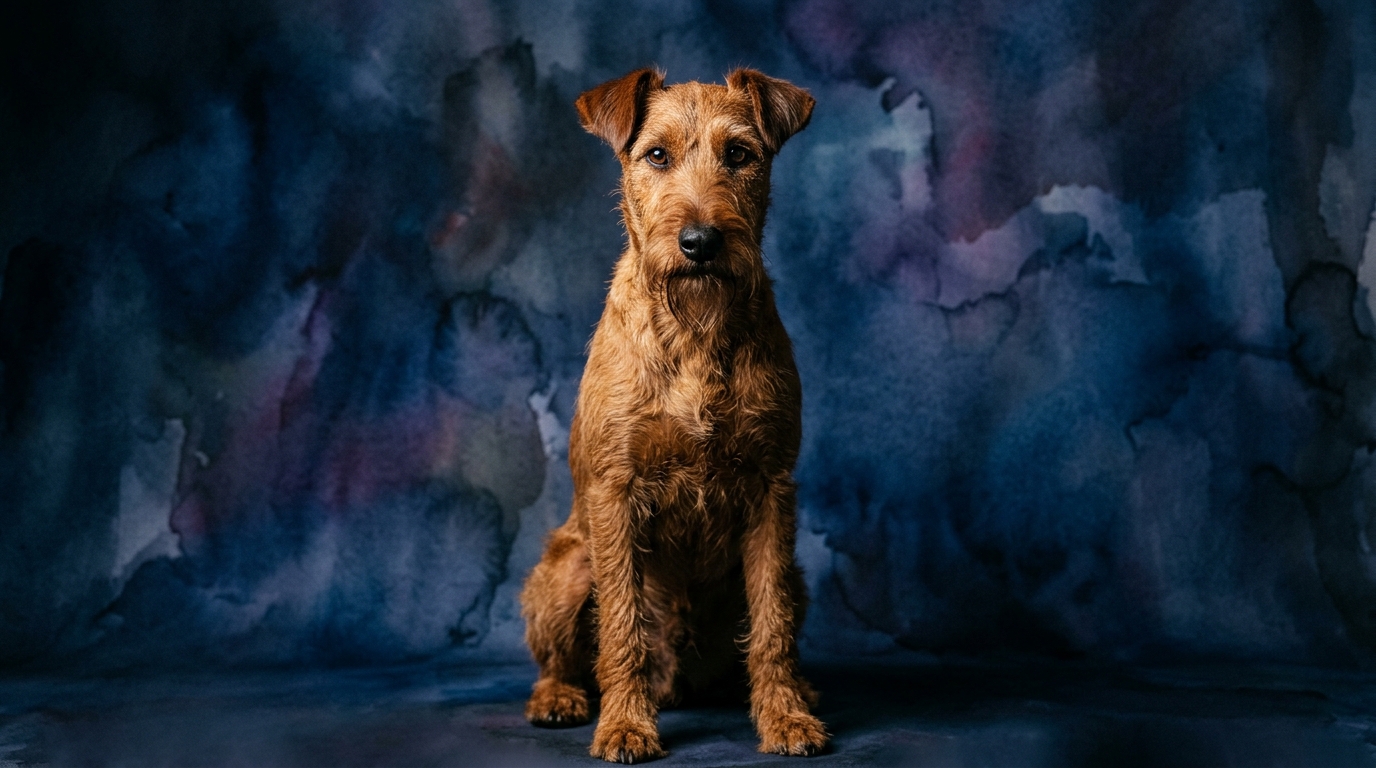
The Irish Terrier, a robust member of the Terrier group, exhibits a consistently balanced, self-reliant intelligence across the board. In Problem Solving, they score 3/5, indicating an ability to navigate moderately complex challenges with a degree of independent thought, often devising their own solutions. Their Training Speed is also 3/5; they grasp concepts well but require consistent, engaging methods to maintain focus and cooperate, reflecting their spirited independence. For Social Intelligence, they achieve 3/5, meaning they possess a solid understanding of social cues and form strong bonds, though their interactions are often filtered through their assertive personality. Their Instinctive Drive is 3/5, rooted in their heritage for hunting small game, manifesting as a keen interest in exploration and chasing that requires appropriate outlets. Finally, their Memory also scores 3/5, allowing them to reliably recall routines, commands, and people, though perhaps without the exhaustive detail of breeds excelling in this area.
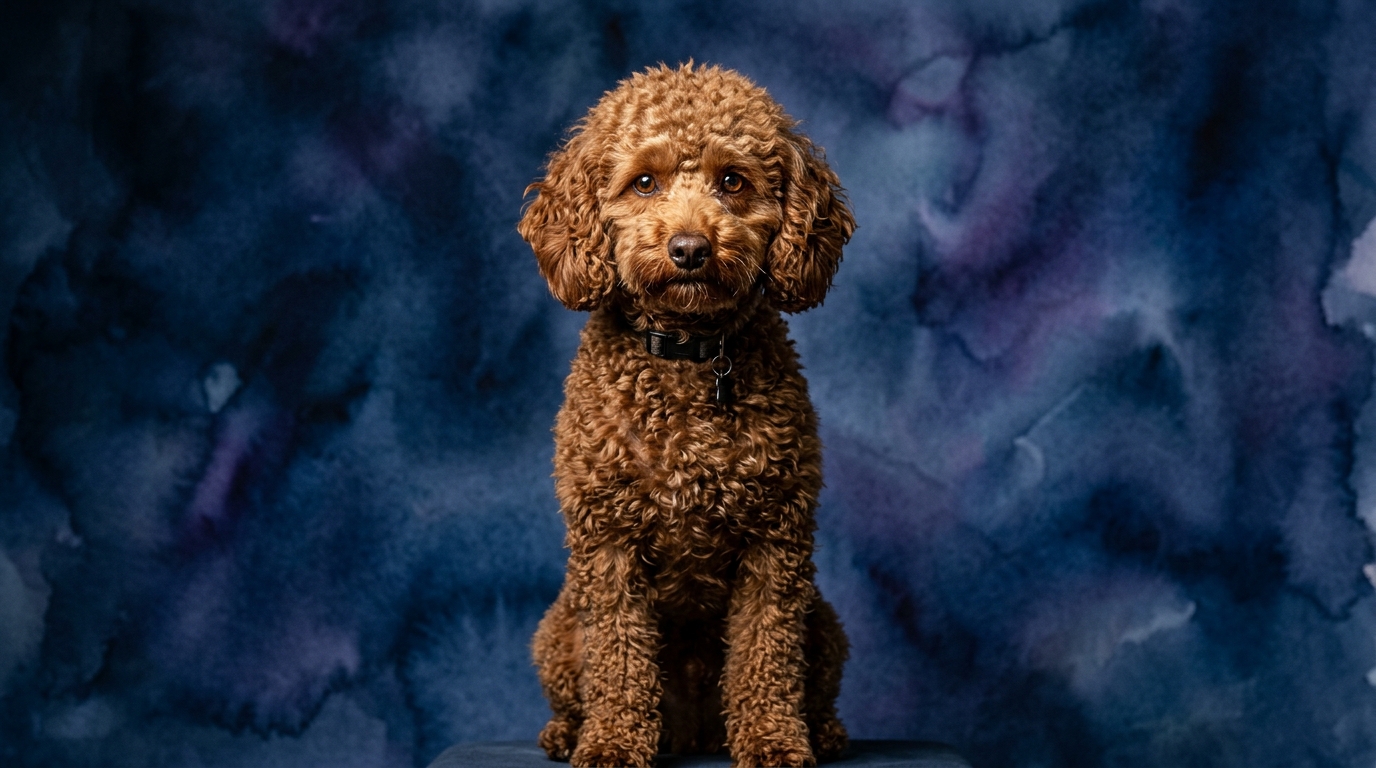
In stark contrast, the Miniature Poodle, from the Non-Sporting group, showcases a highly specialized and profound intellectual capacity in several areas. They achieve a perfect 5/5 in Problem Solving, demonstrating an exceptional ability to rapidly analyze situations, decipher intricate puzzles, and develop effective strategies, often surprising owners with their ingenuity. Their Training Speed also hits 5/5, meaning they learn new commands with remarkable speed, often after only a few repetitions, making them highly receptive and eager students. Their Social Intelligence is 3/5, on par with the Irish Terrier, indicating a strong capacity for understanding social dynamics and forming deep, empathetic connections, often anticipating their owner's needs. Their Instinctive Drive is 3/5, a moderate level that often translates into a love for retrieving and engaging activities, easily channeled into constructive play. Crucially, their Memory scores a perfect 5/5, signifying an outstanding ability to retain a vast repertoire of commands, experiences, and associations, ensuring consistency and reliable performance once a concept is established.
Where the Irish Terrier Wins Cognitively
While the Miniature Poodle showcases superior aptitude in specific cognitive domains, the Irish Terrier’s unique cognitive profile offers distinct advantages for owners seeking a different kind of mental engagement. Its consistent 3/5 across all five dimensions—Problem Solving, Training Speed, Social Intelligence, Instinctive Drive, and Memory—points to a broadly capable, self-reliant intellect. This breed excels not in rapid mastery of complex, human-directed tasks, but in its ability to operate effectively and independently within its environment. An Irish Terrier’s problem-solving might involve devising its own method to retrieve a hidden toy or navigating a tricky landscape without constant human input, a testament to its practical, street-smart approach. Their moderate training speed means lessons stick, but they often require owners to earn their cooperation, fostering a partnership built on mutual respect rather than mere compliance. This blend of moderate traits cultivates a dog that thinks for itself, making them excellent companions for those who appreciate a canine partner with opinions and a robust sense of self, rather than one solely focused on pleasing. Their balanced instinctive drive is perfectly suited for active exploration without becoming overwhelming, and their memory, while not photographic, reliably stores essential information for navigating their world.
Where the Miniature Poodle Wins Cognitively
The Miniature Poodle's cognitive strengths are undeniable and consistently rank among the most impressive in the canine world, making them a standout choice for specific types of mental engagement. Their perfect 5/5 scores in Problem Solving, Training Speed, and Memory denote an exceptional capacity for learning, retention, and adaptive thinking. This breed can quickly decipher multi-step puzzles, understand abstract concepts, and generalize learned behaviors to new situations with remarkable ease. This breed’s training speed is particularly notable; they can pick up new commands and routines after only a handful of repetitions, making them ideal candidates for advanced obedience, agility, and intricate trick training. Their superior memory ensures that once a lesson is learned, it is rarely forgotten, contributing to a consistent and reliable performance over time. This combination of rapid acquisition and solid retention allows Miniature Poodles to excel in environments where complex instruction and precise execution are valued, demonstrating a keen understanding of human expectations and an eagerness to meet them.
Training Dynamics: Which is Easier and Why?
When evaluating ease of training, the Miniature Poodle clearly holds an advantage due to its exceptional scores in Training Speed (5/5) and Problem Solving (5/5), coupled with a 5/5 in Memory. This breed’s inherent desire to engage with and please its handler, combined with its sharp intellect, means it absorbs new commands and routines with remarkable rapidity. They are often eager to participate in training sessions, quickly understanding what is expected and retaining that information with enduring clarity. For instance, a Miniature Poodle can learn a complex sequence of commands, like 'sit, stay, come, spin,' in a fraction of the time it might take other breeds, and reliably execute it weeks later. They thrive on mental stimulation provided by structured training, often viewing it as an enjoyable collaborative activity.
In contrast, the Irish Terrier, with its 3/5 in Training Speed and Problem Solving, requires a more patient, persistent, and creative approach. While intelligent enough to grasp concepts, their independent terrier spirit means they often weigh the perceived value of compliance against their own impulses. They may understand a command but choose to execute it only if sufficiently motivated, or if they see a personal benefit. For example, an Irish Terrier might learn 'recall' but decide to chase a squirrel instead, not out of misunderstanding, but out of a stronger instinctive pull. Training an Irish Terrier often involves making the process highly rewarding and consistently engaging to overcome their inherent self-determination, fostering a partnership where cooperation is earned rather than simply given.
Matching Canine Intellect to Owner Lifestyles
The choice between an Irish Terrier and a Miniature Poodle also depends significantly on an owner's lifestyle, particularly their activity level and willingness to engage in mental stimulation. For owners seeking a consistently active companion with a spirited, independent streak, the Irish Terrier is an excellent match. Its moderate instinctive drive (3/5) and robust physical nature mean it thrives on regular exercise that includes exploring, hiking, and engaging in activities that satisfy its natural curiosity and desire to investigate. While not needing constant, highly structured mental work, they benefit from problem-solving opportunities that allow them to use their practical intelligence, such as scent games or navigating new environments. Their independent nature also means they can entertain themselves to a degree, making them suitable for active owners who appreciate a dog that is a partner in adventure, rather than solely a follower.
Conversely, the Miniature Poodle, despite its elegant appearance, is far from a sedentary lapdog and suits active owners who prioritize mental engagement. Their high Problem Solving (5/5) and Memory (5/5) scores mean they require consistent mental challenges to prevent boredom, which can manifest as undesirable behaviors. They excel in dog sports like agility, obedience, and rally, and thrive on learning new tricks and complex routines. While they certainly enjoy physical exercise, their mental needs are paramount. A relaxed owner who isn't prepared to dedicate time to structured mental work might find a Miniature Poodle's energy and intelligence challenging to manage. However, for an active owner who enjoys teaching, training, and engaging in brain games, the Miniature Poodle is an incredibly rewarding and enthusiastic participant.
The Verdict
If you seek a spirited, independent companion with a balanced, practical intelligence that thrives on adventure and a degree of self-reliance, the Irish Terrier is an ideal choice.
If your preference leans towards a highly trainable, exceptionally bright dog eager for complex mental challenges and consistent, precise learning, the Miniature Poodle will be a consistently rewarding companion.
🧠 Find Your Pet's IQ Score
Our Pet IQ Lab assessment covers 25+ tests across 5 cognitive dimensions — personalized to your breed.
Take the Full IQ Test →Frequently Asked Questions
Are Irish Terriers difficult to train?
Irish Terriers are not difficult to train in the sense of lacking intelligence, but their independent nature and moderate training speed (3/5) mean they require consistent, engaging methods and strong motivation. They respond best to positive reinforcement and owners who appreciate their spirited, self-willed personality.
Do Miniature Poodles need a lot of mental exercise?
Yes, Miniature Poodles have exceptional problem-solving abilities and memory (both 5/5), making robust mental exercise crucial for their well-being. They thrive on learning new commands, playing puzzle games, and participating in dog sports like agility or obedience to keep their sharp minds stimulated.
How do their social skills compare?
Both breeds score 3/5 in social intelligence, indicating a good understanding of social cues and the ability to form strong bonds. The Irish Terrier's social interactions are often colored by its spirited independence, while the Miniature Poodle's are typically more empathetic and attuned to human emotional states.