Side-by-Side IQ Profile: Unpacking the 3/5 Scores
At first glance, both the Irish Terrier and the Norfolk Terrier register identical 3/5 scores across five key cognitive dimensions in The Cosmic Pet Pet IQ Lab: Problem Solving, Training Speed, Social Intelligence, Instinctive Drive, and Memory. This parity doesn't mean they think identically, but rather that their cognitive strengths and challenges fall within a similar range, expressed through their individual breed temperaments.
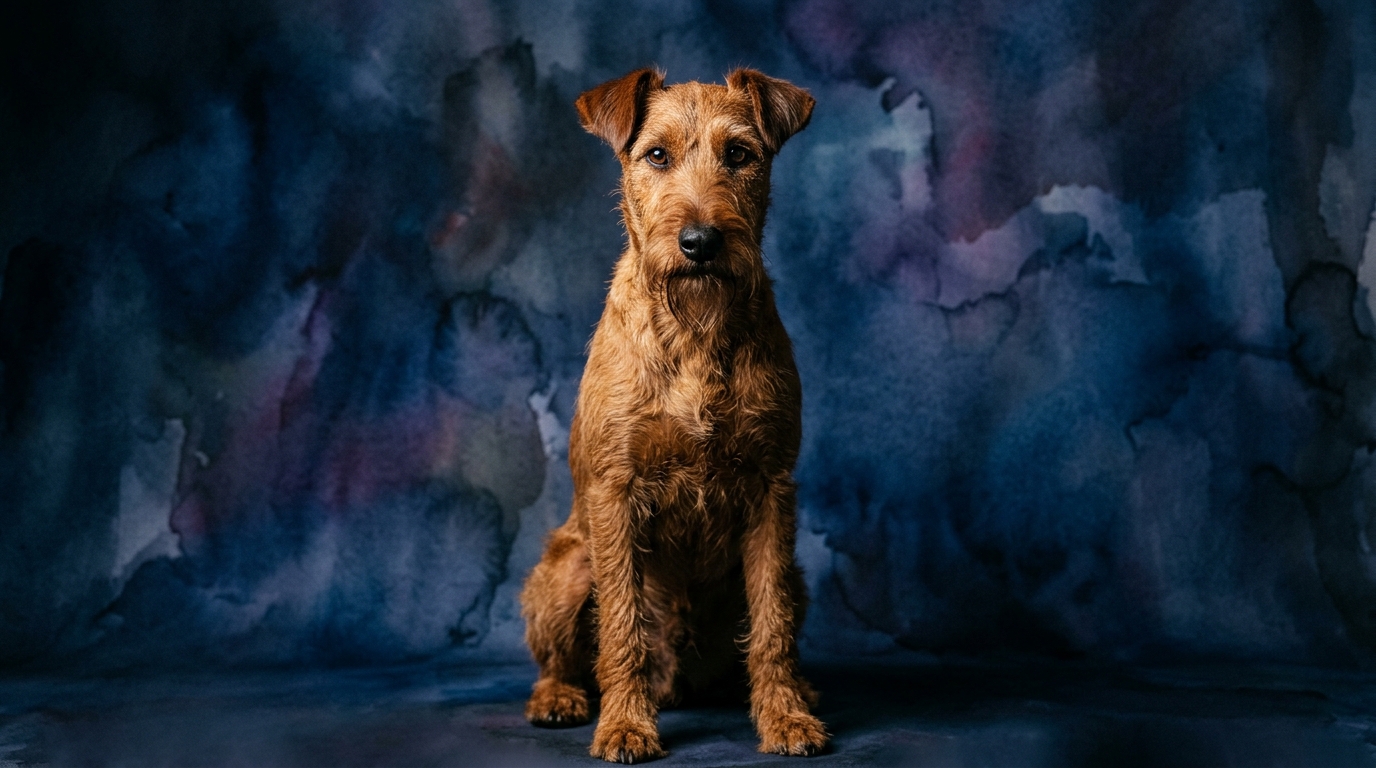
For the Irish Terrier, a 3/5 in Problem Solving reflects their capacity for independent thought and their determined efforts to overcome physical or environmental obstacles. They are adept at figuring out how to get to a desired location or retrieve a hidden item, often employing a direct, tenacious approach. Their Training Speed at 3/5 indicates they are capable learners, but their strong will and independent spirit mean they require engaging, consistent methods to truly embed commands. Social Intelligence, also 3/5, manifests as a deep bond with their family and a keen awareness of their human's moods, though they might be less inclined to seek constant approval. Their Instinctive Drive, rated 3/5, is robust, showcasing a strong prey drive and a readiness to alert their household to perceived threats. Finally, a 3/5 in Memory suggests they retain lessons and experiences well, whether positive reinforcements or past indiscretions, necessitating a consistent training environment.
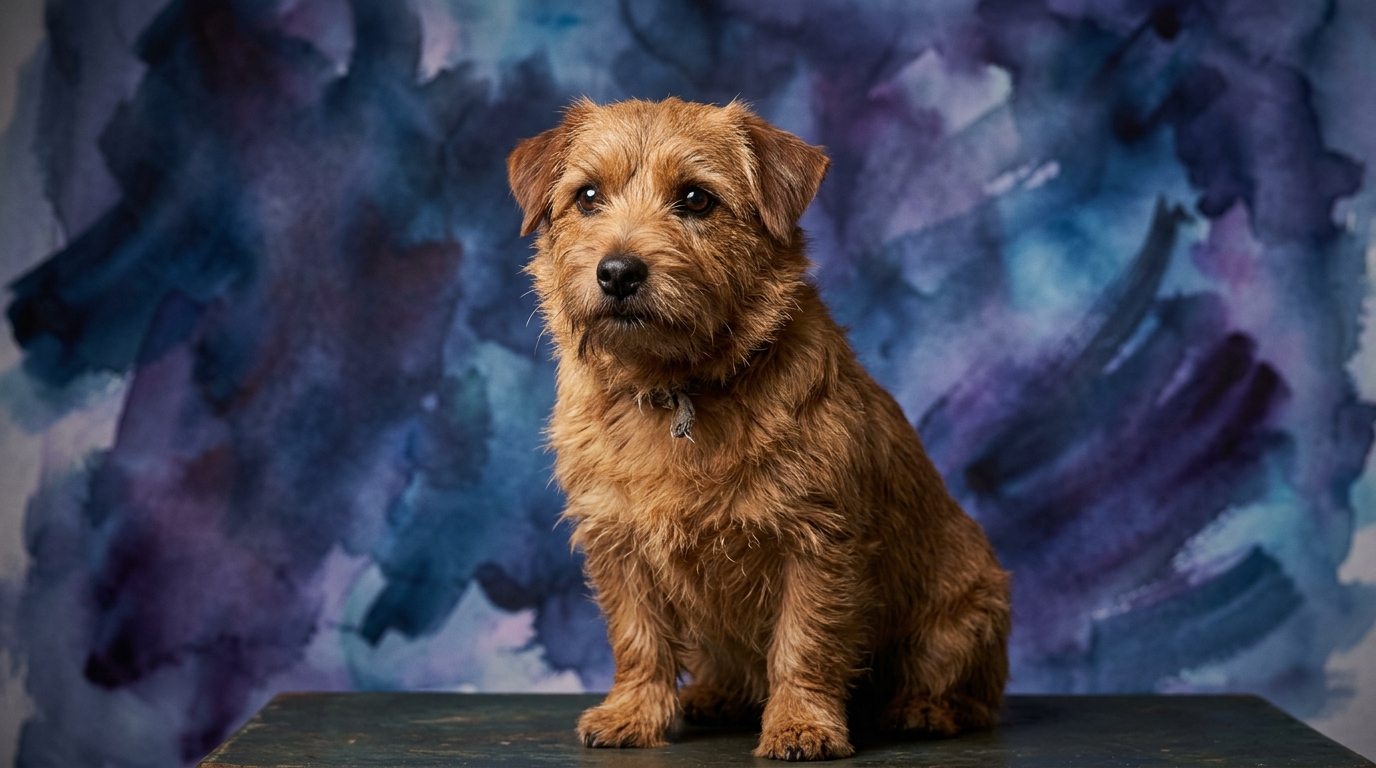
The Norfolk Terrier, while sharing the 3/5 scores, demonstrates these traits with a slightly different flair. Their 3/5 Problem Solving often involves more nuanced strategies, such as cleverly manipulating objects or situations within a home environment to achieve a goal, like accessing a favorite toy or treat. A 3/5 in Training Speed means they learn effectively, but their characteristic terrier curiosity and occasional stubbornness require patience and positive reinforcement to keep them engaged. Their Social Intelligence, also 3/5, shines in their companionable nature; they are excellent at reading human emotions and adapting to family routines, often seeking to be at the center of attention without being overly demanding. Instinctive Drive at 3/5 highlights their persistent hunting instincts, particularly for small vermin, along with a spirited digging tendency. Their 3/5 Memory ensures they remember routines and commands, making early, consistent training crucial to shape desirable behaviors and avoid reinforcing unwanted habits.
Where the Irish Terrier Wins Cognitively
The Irish Terrier often demonstrates a particular cognitive advantage in scenarios requiring bold, physical problem-solving and a certain resilience in the face of challenge. Their 'daredevil' reputation isn't just about bravery; it's backed by a cognitive persistence that allows them to methodically work through physical puzzles, like figuring out the latch on a gate or navigating a complex agility course. This breed's larger size and robust build complement a mental drive to overcome obstacles directly, making them particularly adept at tasks that require both wit and physical prowess. They excel in situations where a strong, independent decision-making process is needed, often preferring to tackle a problem head-on rather than seeking human assistance immediately. This cognitive tenacity means they are less likely to give up on a task once they've set their mind to it, even if it requires repeated attempts or a novel approach.
Where the Norfolk Terrier Wins Cognitively
The Norfolk Terrier often exhibits a cognitive edge in areas of social navigation and adaptability within varied environments. Their smaller stature and companionable nature foster a subtle social intelligence that allows them to integrate seamlessly into diverse family dynamics, often understanding nuanced human cues and emotional states with remarkable accuracy. This breed's problem-solving, while rated similarly to the Irish Terrier, tends to lean towards cleverness in domestic settings, such as figuring out how to get a specific toy from a tricky spot or subtly influencing a human to grant an extra treat. They are particularly good at adapting their behavior to different social situations and are often described as having a keen sense of humor, suggesting a cognitive flexibility that allows them to engage playfully and charmingly. Their ability to be content in both bustling city apartments and quiet country homes speaks to a high degree of cognitive adaptability, allowing them to process and adjust to new stimuli efficiently.
Which is Easier to Train and Why
Neither the Irish Terrier nor the Norfolk Terrier are breeds typically described as 'easy' to train in the traditional sense of immediate, eager compliance, primarily due to their shared terrier independence. However, the Norfolk Terrier might be perceived as slightly more amenable to training for the average owner due to their generally less intense demeanor and stronger desire for companionship. Their social intelligence often translates into a greater willingness to please their human, provided the training is positive, engaging, and consistent. They respond well to reward-based methods and can be quite focused when motivated by treats or praise, though their short attention span for repetitive drills requires trainers to keep sessions brief and varied. Their smaller size also makes them physically easier to manage during early training stages.
The Irish Terrier, while equally capable of learning, often presents a more formidable challenge due to their pronounced independence and strong-willed nature. Their problem-solving skills can sometimes be directed towards figuring out how to *avoid* a command rather than execute it. Training an Irish Terrier requires a firm, consistent, and confident handler who can establish clear boundaries and provide ample mental stimulation to prevent boredom and destructive behaviors. While they form deep bonds, their desire to please is often secondary to their own agenda or instincts. Success with the Irish Terrier hinges on making training feel like a collaborative game and channeling their zest for life into productive learning rather than a battle of wills.
Which Suits Active Owners vs. Relaxed Owners
For owners seeking an active, robust companion, the Irish Terrier is often the more suitable choice. Their 3/5 instinctive drive and problem-solving translate into a significant need for physical exertion and mental engagement. They thrive in environments where they can participate in long walks, runs, hikes, or dog sports like agility and earthdog trials. An Irish Terrier needs an owner who can consistently provide outlets for their boundless energy and inquisitive mind; a sedentary lifestyle would quickly lead to boredom, potential destructive behaviors, and an unhappy dog. They are ideal for individuals or families who enjoy an adventurous outdoor lifestyle and can dedicate time to structured play and training sessions that challenge both their bodies and minds.
The Norfolk Terrier, while still requiring daily exercise and mental stimulation, generally suits a more relaxed yet still engaged owner. Their adaptable nature and strong social intelligence mean they are content with a good daily walk or two, coupled with interactive play sessions indoors or in a secure yard. They enjoy being part of family activities and are often happy to curl up on the couch after their exercise needs are met. While they can keep up on a moderate hike, they don't demand the intense, continuous physical output of some other terrier breeds. They are an excellent fit for owners who appreciate a lively, curious companion for daily life, including travel, but who might not be looking for an extreme sports partner. Their cognitive adaptability allows them to adjust to varying levels of activity, making them versatile companions.
The Verdict
Choose the Irish Terrier if you seek a bold, tenacious companion for an active, adventurous lifestyle, appreciating a dog that thinks independently and thrives on physical and mental challenges.
Opt for the Norfolk Terrier if you desire a charming, adaptable companion who integrates seamlessly into family life, offering keen social intelligence and a spirited yet manageable energy level.
🧠 Find Your Pet's IQ Score
Our Pet IQ Lab assessment covers 25+ tests across 5 cognitive dimensions — personalized to your breed.
Take the Full IQ Test →Frequently Asked Questions
Do Irish Terriers and Norfolk Terriers truly have the same intelligence?
While their scores in our IQ Lab are identical across five dimensions, this indicates their cognitive capabilities fall within a similar range. The expression of their intelligence, however, differs based on their breed-specific temperaments and physical attributes, leading to distinct problem-solving styles and training responses.
Which terrier is better for first-time dog owners?
The Norfolk Terrier might be slightly more forgiving for a first-time owner due to their generally smaller size and somewhat more amenable nature in training. However, both breeds require dedicated, consistent training and socialization from an early age, so a first-time owner must be prepared for the typical terrier independence.
Are these breeds good with children and other pets?
Both breeds can be excellent family dogs when properly socialized from puppyhood. Irish Terriers are loyal and protective, often thriving with respectful children, but their strong prey drive requires careful introduction to other small pets. Norfolk Terriers are generally more adaptable and companionable, often getting along well with children and other animals if introduced early and managed properly.