
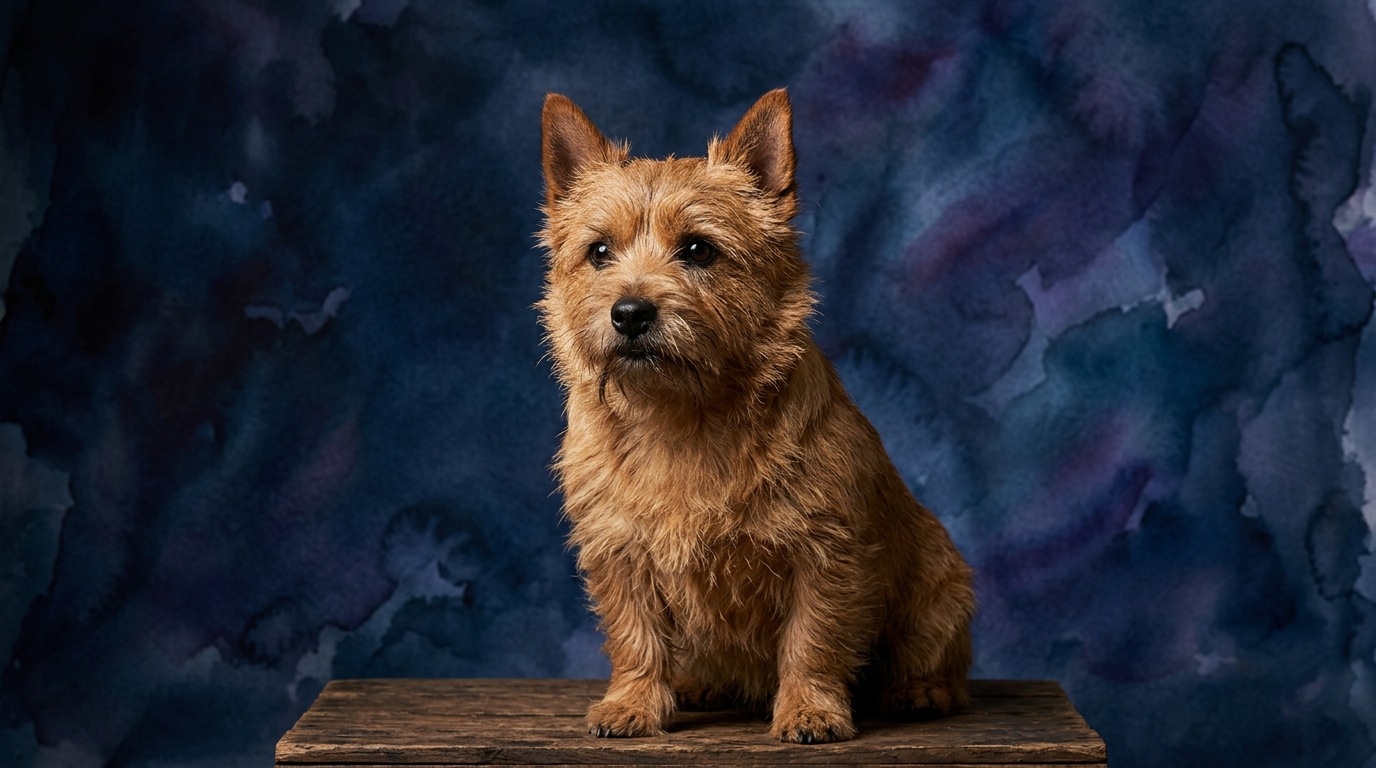
Side-by-Side IQ Profile: Understanding Identical Scores
While both the Irish Terrier and Norwich Terrier register identical 3/5 scores across all five intelligence dimensions, the real insight comes from how these moderate capabilities are expressed through their unique breed temperaments and historical functions.
**Problem Solving (3/5):** For the Irish Terrier, this 3/5 reflects a moderate capacity for independent thought. Their bold nature often drives clever, self-serving solutions to challenges, like opening gates or outsmarting obstacles, relying on strong will rather than immediate human direction. They tackle problems with determination and often an unconventional approach. Conversely, the Norwich Terrier, also scoring 3/5, applies its problem-solving practically within its environment. They excel at navigating spaces, finding hidden items, or gaining attention. Their persistence and practical approach are hallmarks, often finding effective, less confrontational solutions than their more assertive Irish cousins.
**Training Speed (3/5):** A 3/5 for the Irish Terrier suggests they learn at a moderate pace, but their independent spirit demands consistent, engaging methods. They grasp commands, yet their compliance is often based on perceived benefit or if the task feels like a challenge they choose to conquer, requiring significant patience from their trainer. The Norwich Terrier, also with a 3/5, learns at a similar moderate rate, but their generally more agreeable and eager-to-please disposition often makes the training process feel smoother. They respond well to positive reinforcement, appearing quicker due to consistent attentiveness and a higher intrinsic willingness to cooperate in sessions.
**Social Intelligence (3/5):** This 3/5 for the Irish Terrier signifies a moderate ability to interpret social cues. Their fearless nature often leads to assertive interactions; they understand hierarchies but may push boundaries. They form deep bonds with chosen family but can be discerning with strangers, sometimes prioritizing their own desires or protective instincts over general harmony. The Norwich Terrier, also 3/5, displays good social acumen, often manifesting as an outgoing and friendly disposition. They are adept at navigating various social situations, reading human moods, and responding affectionately. They are generally sociable with other dogs, confident but typically less overtly independent in their social assertions.
**Instinctive Drive (3/5):** The Irish Terrier's 3/5 highlights a distinct manifestation of their working terrier heritage: hunting, exploring, and guarding. This translates into a strong prey drive, digging tendencies, and a watchful, often vocal nature. While not as relentlessly driven as some pure working breeds, these potent instincts require consistent outlets and management, often combined with a bold fearlessness in pursuit. Sharing the 3/5, the Norwich Terrier's instinctive drive also stems from pest control origins. They keenly chase and investigate, showing interest in small animals, digging, and barking at perceived intruders. Their drive is persistent and highly engaging, making 'hunting' games or scent work particularly stimulating.
**Memory (3/5):** A 3/5 in memory for the Irish Terrier indicates a solid capacity to recall past experiences, commands, and routines. They remember training cues effectively, but also past "misadventures" or successful independent endeavors. This strong memory supports their independent problem-solving and contributes to their strong opinions based on past likes and dislikes. The Norwich Terrier, also 3/5, has a good memory for routines, learned behaviors, and people. They retain training effectively, and their memory aids social interactions, recalling positive or negative experiences, which contributes significantly to their ability to adapt to new situations once a positive precedent is set.
Where the Irish Terrier Wins Cognitively
Despite identical scores, the Irish Terrier often exhibits a distinctive cognitive edge when situations demand robust independence and fearless initiative. Their 3/5 problem-solving, coupled with a dominant 3/5 instinctive drive, means they excel at tasks requiring self-reliance and bold action without constant human direction. For instance, in complex scent tracking or independent exploration of varied terrains, an Irish Terrier's inherent tenacity and self-assured decision-making often shine. They are less likely to seek immediate human validation for every step, preferring to trust their own assessment and drive through challenges, making them particularly adept at navigating novel and demanding environments with a resolute spirit.
Where the Norwich Terrier Wins Cognitively
Conversely, the Norwich Terrier demonstrates a unique cognitive strength in scenarios prioritizing cooperative engagement and nuanced social attunement. Their 3/5 social intelligence, combined with a 3/5 training speed that benefits from their eagerness, allows them to interpret human cues and adapt their behavior with greater fluidity in interactive settings. For example, in competitive obedience or agility, where precise timing and responsiveness to handlers are paramount, the Norwich Terrier's focus on partnership and desire to please can translate into smoother, more synchronized performances. They tend to be more receptive to subtle shifts in human body language and vocal tone, making them particularly adept at partnership-driven activities.
Which is Easier to Train and Why
When evaluating ease of training, the distinction between the two, despite identical 3/5 training speed scores, lies in their inherent temperamental drivers. The Norwich Terrier, generally more eager to please and less overtly independent, often feels 'easier' to train for the average owner. Their 3/5 training speed is complemented by a higher intrinsic motivation for cooperation and positive reinforcement, making them more consistently attentive during sessions. They tend to form strong attachments and respond well to praise and treats, which facilitates quicker acquisition of basic commands and house manners. Conversely, the Irish Terrier, with its bold, self-reliant nature, can present more of a challenge. While they also possess a 3/5 training speed, their strong-willed personality means they often require a trainer who can make learning feel like a game or a challenge they choose to conquer, rather than simply obeying. Their 3/5 problem-solving frequently manifests as testing boundaries or finding alternative solutions, demanding exceptional consistency and creativity from their human counterparts to maintain engagement and compliance. Therefore, while both learn, the Norwich's inherent cooperativeness often leads to a smoother, less conflict-ridden training experience.
Suitability for Active vs. Relaxed Owners
Considering their similar instinctive drives and general terrier vivacity, both breeds demand active engagement, though the *nature* of that activity differs. The Irish Terrier, robust and historically independent, thrives with owners embracing adventurous outdoor pursuits like hiking or trail running. They excel in vigorous, structured play that taps into their 3/5 instinctive drive for exploration, handling challenging environments with self-assured decision-making. A 'relaxed' owner would likely be overwhelmed by their need for physical and mental exertion, potentially leading to boredom-induced behaviors.
The Norwich Terrier, equally energetic with a 3/5 instinctive drive, often prefers activities involving close human interaction. They suit active owners who enjoy fetch, agility, or obedience, focusing on shared activity. Their smaller size adapts well to urban living with regular stimulating walks and playtime. A 'relaxed' owner might find a Norwich less demanding in sheer physical endurance than an Irish Terrier, but consistent mental stimulation and companionship remain crucial. They seek human engagement if under-stimulated, through nudging or playful antics. Neither breed is truly sedentary, but the Irish Terrier needs a robust adventure partner, while the Norwich thrives on shared, engaging activities.
The Verdict
Opt for the Irish Terrier if you are an experienced, active owner seeking a courageous, independent companion for outdoor adventures and dynamic problem-solving, valuing a dog with a strong personality and self-assured approach to life's challenges.
Select the Norwich Terrier if you desire an engaging, sociable partner for interactive activities and companionship, preferring a dog that is generally more cooperative in training and thrives on shared experiences within a moderately active lifestyle.
🧠 Find Your Pet's IQ Score
Our Pet IQ Lab assessment covers 25+ tests across 5 cognitive dimensions — personalized to your breed.
Take the Full IQ Test →Frequently Asked Questions
Do Irish Terriers and Norwich Terriers have similar energy levels?
Yes, both breeds possess a robust terrier energy, rated similarly in instinctive drive. However, the Irish Terrier often expresses it through more independent exploration and robust outdoor activity, while the Norwich frequently channels its energy into interactive play and companionship-focused endeavors. Both require consistent physical and mental stimulation to prevent boredom.
Are either of these breeds good for first-time dog owners?
While both can be wonderful companions, neither is typically recommended for entirely novice owners due to their strong terrier personalities. The Norwich Terrier might be slightly more manageable for a committed first-timer willing to invest in consistent positive reinforcement training, given their more cooperative nature. The Irish Terrier's strong will and independent problem-solving often require an owner with prior experience handling determined breeds.
How do their similar social intelligence scores (3/5) manifest differently?
Both understand social cues well, but the Irish Terrier's manifestation often leans towards confident assertiveness and discernment, forming deep bonds with chosen family but potentially challenging boundaries. The Norwich Terrier, while equally perceptive, tends to use its social intelligence for more agreeable, outgoing interactions, seeking companionship and generally adapting more readily to diverse social settings with a friendly disposition.