Side-by-Side IQ Profile: Unpacking the 3/5 Score
At first glance, the Cosmic Pet Pet IQ Lab's uniform 3/5 rating for both the Italian Greyhound and the American Eskimo Dog across all five cognitive dimensions might suggest a straightforward comparison, yet the application of these scores varies significantly between the two breeds. This identical numerical assessment prompts a deeper exploration into how a 'medium' score in each area manifests in their distinct personalities and learning styles.
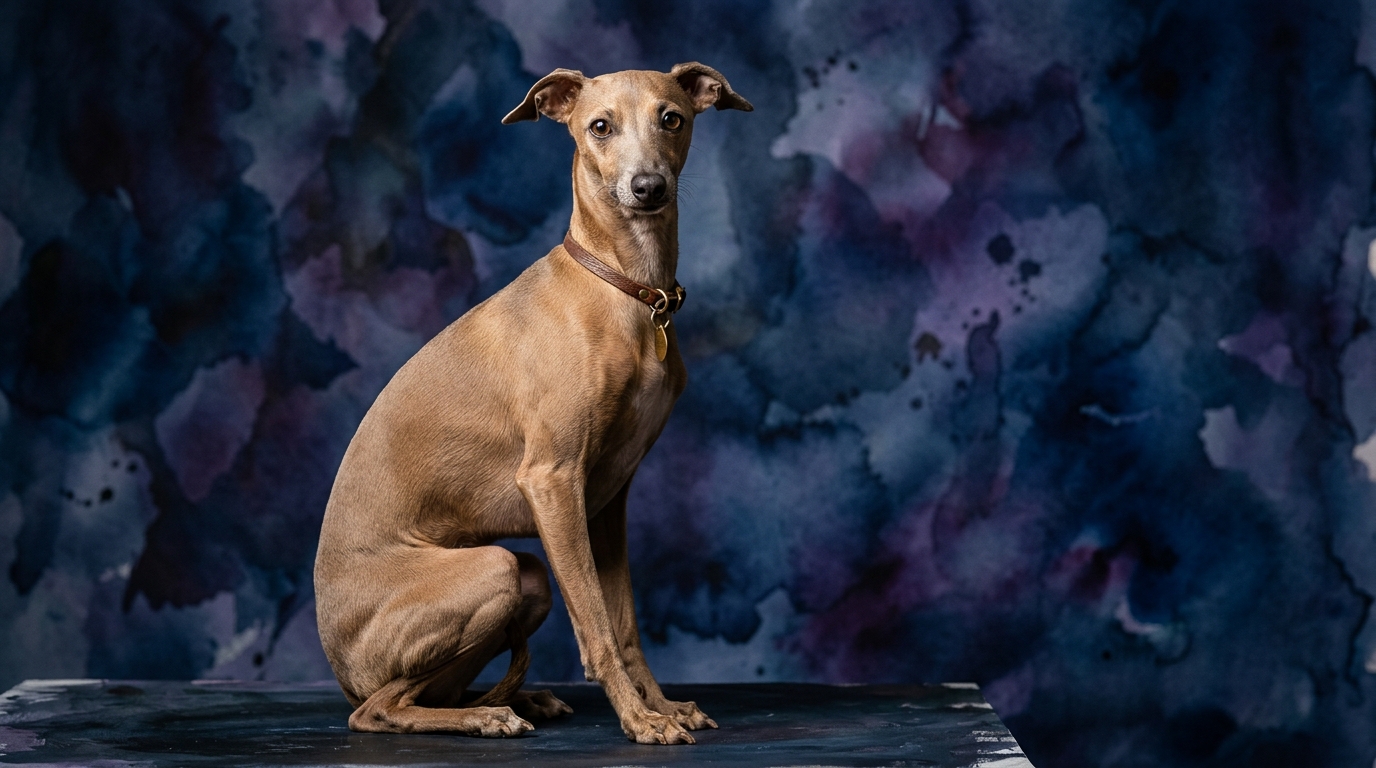
For the **Italian Greyhound**, a 3/5 in **Problem Solving** indicates a capacity for cleverness often directed towards their own comfort or achieving desired outcomes like finding the warmest sunbeam or accessing a favorite soft blanket. They are not necessarily inclined to solve human-assigned puzzles but excel at navigating their environment for personal gain. Their **Training Speed** at 3/5 reflects a quick grasp of commands when adequately motivated, but their independent sighthound nature means compliance can be selective; they learn, but whether they *perform* is often a negotiation. **Social Intelligence** at 3/5 points to a deep sensitivity and strong bond with their chosen humans, allowing them to read subtle cues within their immediate family, though they can be reserved or wary with strangers. An **Instinctive Drive** of 3/5 is primarily expressed as a strong prey drive for small, fast-moving objects, coupled with a deep desire for companionship and comfort, rather than guarding or herding. Finally, their **Memory** at 3/5 ensures they retain routines, remember favored people, and recall past experiences, whether positive reinforcement for good behavior or negative associations with unpleasant events.
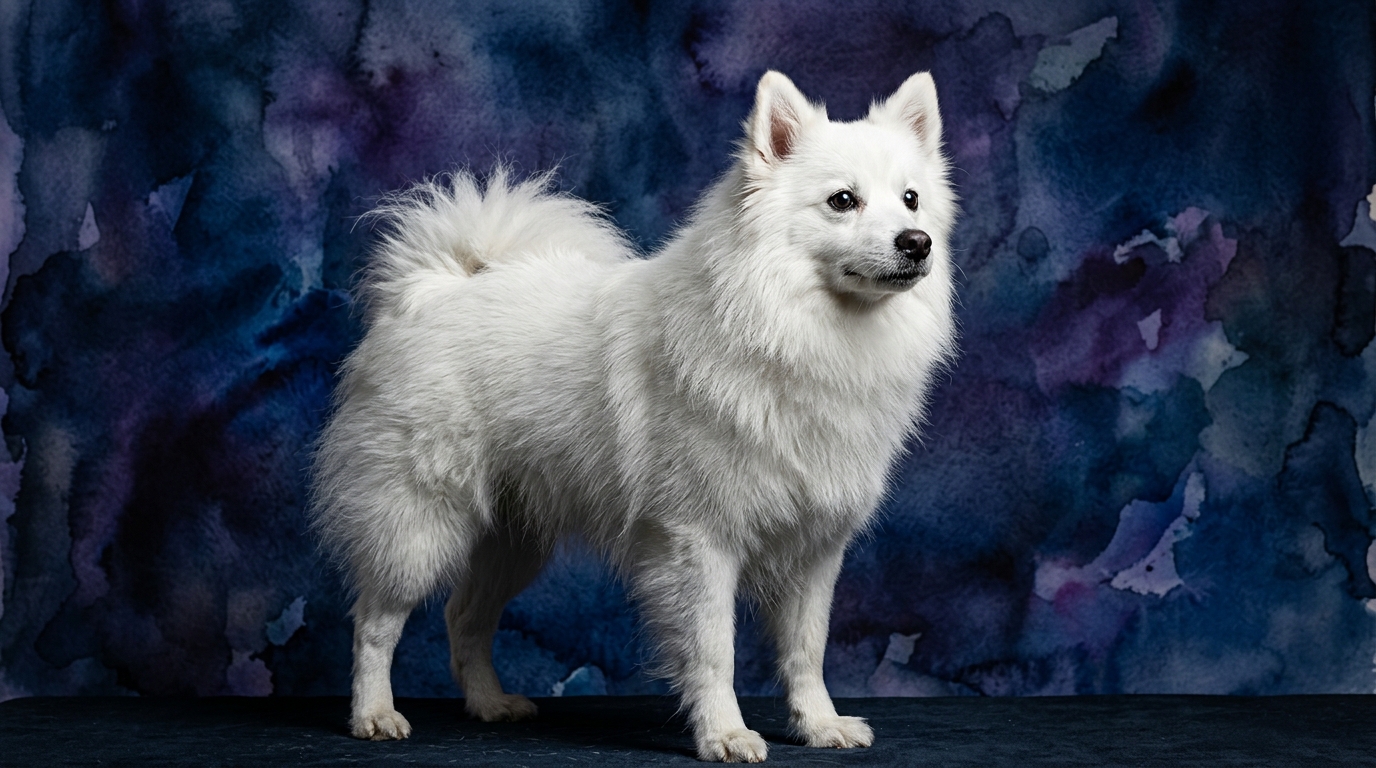
The **American Eskimo Dog**, also scoring 3/5 across the board, interprets these same metrics through a different lens. Their **Problem Solving** at 3/5 manifests as a resourceful and often inventive approach to getting attention, figuring out how to open doors, or creating their own entertainment if left unstimulated. They are clever and can devise strategies to achieve their goals, which often include being at the center of family activity. A 3/5 in **Training Speed** highlights their eagerness to learn and general responsiveness to positive reinforcement, allowing them to pick up commands efficiently. However, this is balanced by a potential for stubbornness or boredom if training lacks variety or engagement. Their **Social Intelligence** at 3/5 signifies a highly observant nature, keenly attuned to family dynamics and human moods, often acting as a communicative barometer for the household. They appreciate being involved and can be quite vocal in expressing their social observations. An **Instinctive Drive** of 3/5 includes a moderate prey drive and strong watchdog instincts, often expressed through alert barking and a desire to be engaged in a 'job' or activity. Their drive is strongly tied to their companion role. Their **Memory** at 3/5 is robust, allowing them to recall a vast repertoire of commands, remember individuals, and hold onto past experiences, good or bad, influencing their future interactions significantly.
Where the Italian Greyhound Wins Cognitively
The Italian Greyhound's cognitive strengths lie in their nuanced application of intelligence to their personal well-being and their deep, selective social understanding. While their problem-solving score is 3/5, they particularly excel at using this skill for self-serving comfort, like masterfully navigating furniture to find the coziest, warmest spot or subtly communicating their desire for a lap cuddle through gentle nudges and gazes. Their social intelligence, also 3/5, is remarkable for its depth within their small, chosen circle, allowing them to pick up on the most subtle shifts in their owner's mood or intentions, often anticipating needs for affection or quiet companionship with uncanny accuracy. This capacity for quiet, intuitive connection, where they understand unspoken cues and respond with tailored affection, gives them a unique edge in forming profoundly intimate bonds.
Where the American Eskimo Dog Wins Cognitively
The American Eskimo Dog demonstrates a distinct cognitive advantage in their proactive engagement with their environment and their more overt, communicative intelligence. With a 3/5 in problem-solving, they are particularly adept at devising strategies to secure attention or access desired objects, often showing inventive flair in their methods, such as figuring out complex latch mechanisms or orchestrating elaborate games to solicit interaction. Their 3/5 social intelligence is expressed through a highly observant nature that quickly assesses new situations and individuals, often communicating their findings (and opinions) vocally, making them excellent, if sometimes noisy, watchdogs. This combination of clever resourcefulness and clear communication, often through barks, yips, and body language, gives them an edge in actively influencing their social environment and ensuring their needs and observations are heard.
Which is Easier to Train and Why
When considering ease of training, the American Eskimo Dog generally presents a more straightforward experience for most owners, despite both breeds scoring 3/5 in training speed. The Eskie's inherent desire to please their family and their historical role as performers often translate into a greater eagerness to engage in structured training sessions. They respond well to positive reinforcement and find satisfaction in mastering commands, though their cleverness can lead to boredom if training is repetitive, and their vocal nature sometimes requires specific management. Their biddability means they are often more inclined to *want* to comply with commands once learned, making the overall training process feel more cooperative.
In contrast, the Italian Greyhound's 3/5 training speed is often tempered by their sighthound independence and sensitive nature. While they are certainly capable of learning quickly, their motivation is highly intrinsic; they learn best when there's a clear, immediate reward that appeals to them, often food or comfort. Their sensitivity means harsh corrections are counterproductive, leading to shut-down or avoidance, and their independent streak means they might choose not to perform a known command if it doesn't align with their current desires. Training an Italian Greyhound often requires more patience, creativity in motivation, and an understanding that compliance is frequently a choice they make, rather than an automatic response, making them feel more challenging to train for consistency.
Which Suits Active Owners vs. Relaxed Owners
For owners with a relaxed lifestyle, the Italian Greyhound is often a more suitable companion. Despite their capacity for bursts of incredible speed, they are predominantly indoor dogs who thrive on comfort and quiet companionship. They are content with short, brisk walks or secure play in a fenced yard, followed by extended periods of napping on a soft couch or curled up with their person. Their mental stimulation often comes from observing their surroundings from a cozy vantage point or engaging in gentle, interactive play, making them ideal for individuals or families who appreciate a calm, affectionate presence and are prepared for their delicate physical needs.
The American Eskimo Dog, on the other hand, is better suited for active owners who can provide consistent mental and physical engagement. Their history as working dogs and performers means they thrive on having a purpose and require regular activity beyond simple walks. Daily training sessions, interactive puzzle toys, dog sports like agility or obedience, and frequent opportunities for play are crucial to prevent boredom and potential destructive behaviors. They enjoy being active participants in family life and excel when given tasks to perform, making them an excellent match for owners who enjoy an engaged, spirited canine companion and are ready to invest time in their ongoing stimulation and training.
The Verdict
Choose an Italian Greyhound if you seek a sensitive, quiet, and deeply bonded companion who thrives on comfort and offers profound, often unspoken, affection, and you appreciate a dog with a charming independent streak.
Choose an American Eskimo Dog if you desire an engaged, clever, and often vocal companion eager to participate in family activities, training, and regular mental and physical challenges, and you enjoy a dog that actively communicates and thrives on a 'job'.
🧠 Find Your Pet's IQ Score
Our Pet IQ Lab assessment covers 25+ tests across 5 cognitive dimensions — personalized to your breed.
Take the Full IQ Test →Frequently Asked Questions
Do Italian Greyhounds or American Eskimo Dogs bark a lot?
Italian Greyhounds are generally quiet dogs, barking only occasionally or to alert to something unusual. American Eskimo Dogs, however, are known for being more vocal, often using barks, yips, and howls to communicate, especially in their role as watchdogs or when seeking attention.
Are these breeds good with children?
Italian Greyhounds can be delicate and sensitive, often preferring a calmer environment, so they are generally better suited to homes with older, respectful children. American Eskimo Dogs can be good family dogs and enjoy children when properly socialized, but their exuberance and vocal nature require supervision with very young children.
What kind of mental stimulation do Italian Greyhounds need?
Italian Greyhounds benefit from mental stimulation through gentle puzzle toys, short training sessions focused on positive reinforcement, and opportunities to observe their surroundings from a comfortable spot. Their intelligence is often applied to finding comfort and connection, so interactive cuddle time can also be mentally fulfilling.