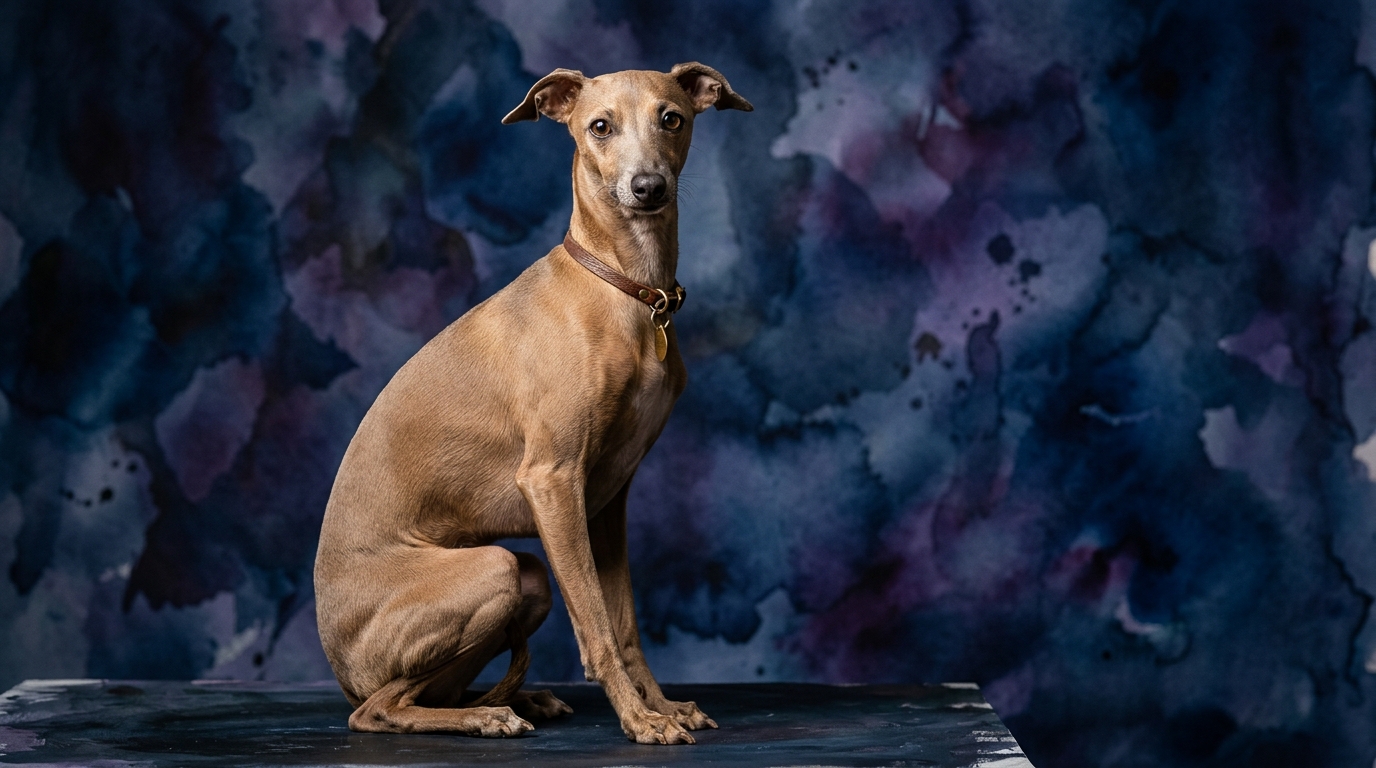
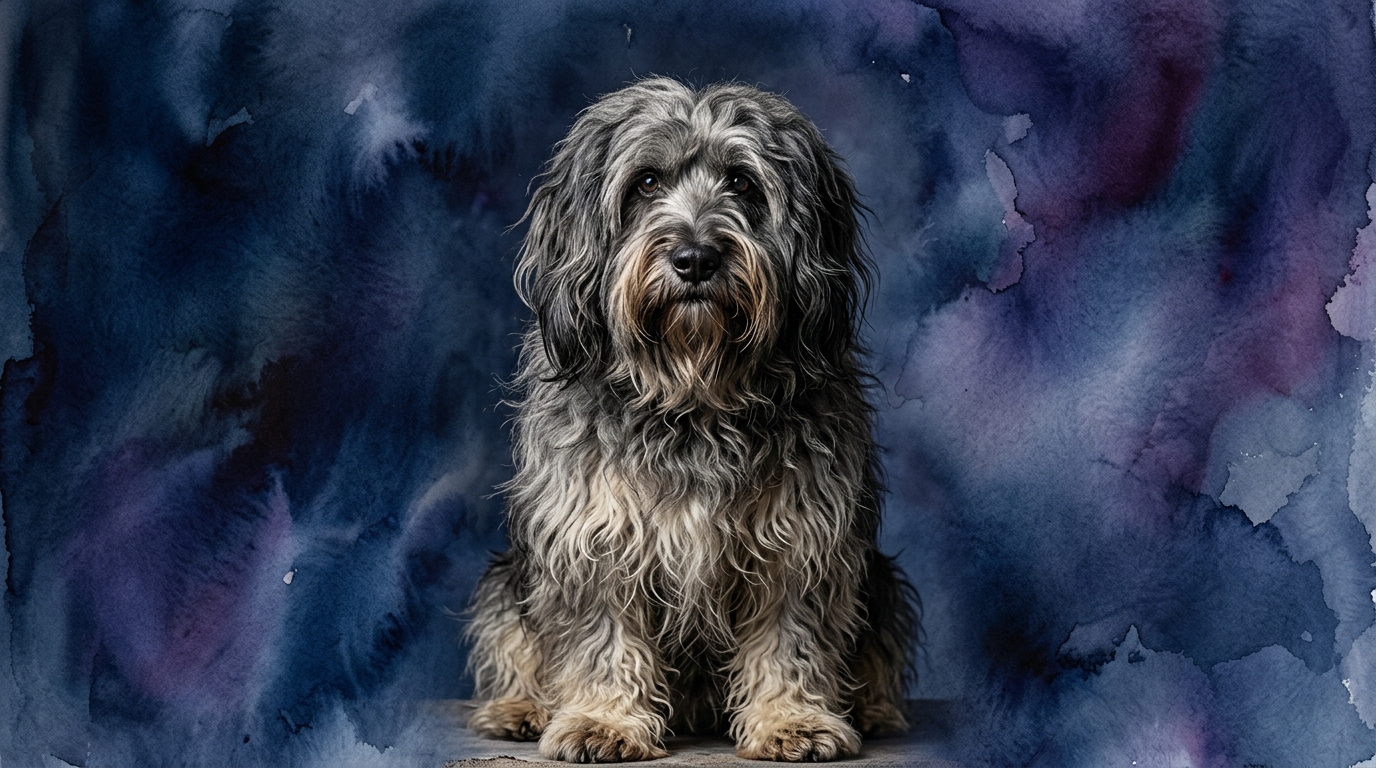
Side-by-Side Cognitive Profile: Identical Scores, Distinct Manifestations
At first glance, the Italian Greyhound and the Polish Lowland Sheepdog appear to possess remarkably similar cognitive profiles, each scoring 3/5 across all five dimensions: Problem Solving, Training Speed, Social Intelligence, Instinctive Drive, and Memory. However, these identical numerical ratings mask profound differences in how these cognitive abilities manifest, shaped by their distinct breed histories and purposes. Understanding these nuances is key to appreciating their unique mental landscapes.
For Problem Solving (3/5), the Italian Greyhound often demonstrates quick, agile solutions to immediate environmental puzzles, swiftly navigating obstacles to reach a desired toy or employing charming persistence to manipulate a human for attention or treats. Their solutions are typically focused on personal comfort, resource access, or avoiding discomfort, often relying on speed and dexterity. The Polish Lowland Sheepdog, by contrast, exhibits a 3/5 in problem-solving that reflects their capacity for independent thought in a working context. They might strategize how to gather wayward 'livestock' (be it pets or family members), find ingenious ways to outsmart a fence, or figure out complex sequences of commands. Their solutions tend to be more deliberate and persistent, driven by an innate desire to manage and control their environment.
In Training Speed (3/5), the Italian Greyhound's score indicates they can grasp new commands and routines with reasonable quickness, often aided by their desire for connection and sensitivity to cues. However, their sighthound independence and potential for distraction by movement mean that consistency and extremely positive, reward-based methods are crucial to maintain focus. The Polish Lowland Sheepdog's 3/5 signifies a capable learner who can pick up complex tasks, but their independent nature and strong will can sometimes translate to a perceived slower training speed if not approached with firm, consistent, and engaging methods. They respond well to clear expectations and benefit from understanding the 'why' behind a command.
Regarding Social Intelligence (3/5), Italian Greyhounds exhibit a keen sensitivity to human emotions and household dynamics. They are adept at reading body language, understanding subtle shifts in mood, and often adapting their behavior to maintain harmony or elicit affection, with their social world deeply centered on their immediate human family. The Polish Lowland Sheepdog's 3/5 in social intelligence manifests as a strong awareness of their 'pack' structure and a natural ability to assess social hierarchies. They can interpret human intentions for tasks, understand boundaries, and often display a protective intuition towards their family, though their interactions can be more reserved with strangers.
The Instinctive Drive (3/5) for the Italian Greyhound is predominantly rooted in their sighthound heritage, translating to an acute visual awareness, a strong chase instinct for small, fast-moving objects, and an inherent desire for comfort and warmth. This dictates much of their play behavior and environmental reactions. For the Polish Lowland Sheepdog, the 3/5 instinctive drive is a powerful herding impulse. This innate desire to gather, direct, and protect manifests in their interactions with family members, other pets, and even inanimate objects. They often attempt to 'herd' their humans, patrol their territory, and display a watchful, responsible demeanor.
Finally, for Memory (3/5), an Italian Greyhound readily recalls routines, specific people, and the layout of their familiar environments, remembering where treats are hidden or which family member is most likely to give in to their pleas. Their memory is practical and directly tied to their comfort and social interactions. The Polish Lowland Sheepdog's 3/5 memory allows them to retain complex sequences of commands, the boundaries of their territory, and the nuances of various tasks. They remember past training sessions, the locations of perceived 'dangers' or responsibilities, and the specific behaviors of individual 'flock' members (or family members), with their memory being robust and serving their working-dog mindset.
Where the Italian Greyhound Wins Cognitively
While both breeds share a 3/5 in social intelligence, the Italian Greyhound often demonstrates a superior nuanced understanding of human emotional states, almost instinctively knowing when their owner needs comfort or a quiet presence. Their delicate frame and sensitive nature contribute to an exceptional attunement to subtle human cues, allowing them to adapt their behavior with remarkable grace to match the household's mood. They excel in perceiving and responding to non-verbal communication, often initiating cuddles or retreats based on the emotional atmosphere, a skill less pronounced in the more task-oriented Polish Lowland Sheepdog. This emotional perceptiveness allows them to integrate into family life with a unique, empathetic fluidity.
Where the Polish Lowland Sheepdog Wins Cognitively
Despite identical problem-solving scores, the Polish Lowland Sheepdog often exhibits a more resilient and persistent approach to overcoming environmental challenges, particularly those that require strategic, independent thought. Their herding background has endowed them with an intrinsic ability to assess situations, plan multi-step solutions to manage a 'flock' (be it livestock or family members), and demonstrate remarkable tenacity in achieving an objective. This manifests as a strong drive to figure things out for themselves, rather than relying solely on human guidance, a depth of independent reasoning that typically surpasses the Italian Greyhound's more immediate, comfort-driven problem-solving. Their cognitive strength lies in sustained, purposeful engagement with their environment.
Training Differences: More Than Just Speed
When considering ease of training, the identical 3/5 'training speed' score belies significant differences in methodology and owner experience. Italian Greyhounds, with their sensitive disposition and strong desire for connection, tend to respond best to extremely positive reinforcement, short, engaging sessions, and a gentle approach. They can be easily discouraged by harsh tones or repetitive drills, and their sighthound instinct for chasing anything that moves means distractions can quickly derail a session. Training an Italian Greyhound requires patience, creativity, and an understanding of their delicate nature, making consistency in positive methods paramount to their success.
In contrast, the Polish Lowland Sheepdog, while also benefiting from positive reinforcement, often requires a more assertive yet fair approach. Their independent and sometimes strong-willed nature means they need clear leadership and consistent boundaries. They are capable of learning complex commands and enjoy mental challenges, but their innate herding drive can sometimes translate into stubbornness if they don't perceive the value or necessity of a command. Training them demands consistency, mental engagement, and an owner who can confidently guide their intelligent but sometimes opinionated working dog. Therefore, while both learn at a similar pace, the Italian Greyhound might feel 'easier' for an owner who prioritizes gentle connection and quick, playful sessions, whereas the Polish Lowland Sheepdog might be 'easier' for an owner who enjoys structured training, mental work, and a dog that thrives on clear direction and purpose.
Active vs. Relaxed Owners: Matching Temperaments
The choice between these two breeds for active versus relaxed owners hinges significantly on the *type* of activity sought. The Italian Greyhound, despite its small size, possesses bursts of incredible speed and requires regular opportunities for safe, off-leash running in a securely fenced area to satisfy its sighthound instincts. They are excellent companions for owners who enjoy short, energetic sprints or brisk walks, followed by extended periods of quiet companionship and snuggling indoors. While they appreciate mental stimulation through puzzle toys and gentle training, their overall exercise needs are typically met with intense but brief physical outlets. For the more relaxed owner who prioritizes indoor comfort and affectionate lap time, an Italian Greyhound, once sufficiently exercised, fits beautifully into a serene home environment.
Conversely, the Polish Lowland Sheepdog is a robust working breed built for endurance and mental engagement. They thrive with active owners who can provide daily, lengthy walks, hikes, or participate in dog sports like agility, obedience, or herding trials. Their powerful instinctive drive means they need a job to do, whether it's managing the household, excelling in training, or exploring new environments. A relaxed owner who cannot commit to significant daily physical and mental stimulation might find a Polish Lowland Sheepdog challenging, as their unfulfilled energy and intelligence can lead to boredom-induced behaviors. They require an owner who enjoys an active lifestyle and is prepared to channel their dog's considerable drive into productive outlets.
The Verdict
Choose the Italian Greyhound if you seek a sensitive, affectionate companion who thrives on close human connection, appreciates short bursts of intense activity, and fits seamlessly into a calm, indoor-centric lifestyle after their exercise needs are met.
Opt for the Polish Lowland Sheepdog if you are an active owner looking for a resilient, intelligent, and independent partner eager for consistent mental and physical challenges, ready to engage in structured activities and display a watchful devotion.
🧠 Find Your Pet's IQ Score
Our Pet IQ Lab assessment covers 25+ tests across 5 cognitive dimensions — personalized to your breed.
Take the Full IQ Test →Frequently Asked Questions
Are Italian Greyhounds good at learning tricks?
Yes, Italian Greyhounds can be quite adept at learning tricks, especially those involving agility or charm. Their sensitivity and desire to please their primary human, combined with positive reinforcement, make them responsive learners, though their focus can sometimes waver if sessions are too long.
Do Polish Lowland Sheepdogs need a lot of mental stimulation?
Absolutely. Polish Lowland Sheepdogs possess a strong working dog intellect and thrive on mental challenges. Without sufficient mental engagement through training, puzzle toys, or 'jobs' around the house, they can become bored and potentially develop undesirable behaviors.
How do their social needs compare?
Italian Greyhounds typically have intense social needs centered on their immediate human family, often preferring their comfort and company above all else. Polish Lowland Sheepdogs are also devoted to their family but possess a more independent social intelligence, often being more reserved with strangers and demonstrating a watchful, protective loyalty.