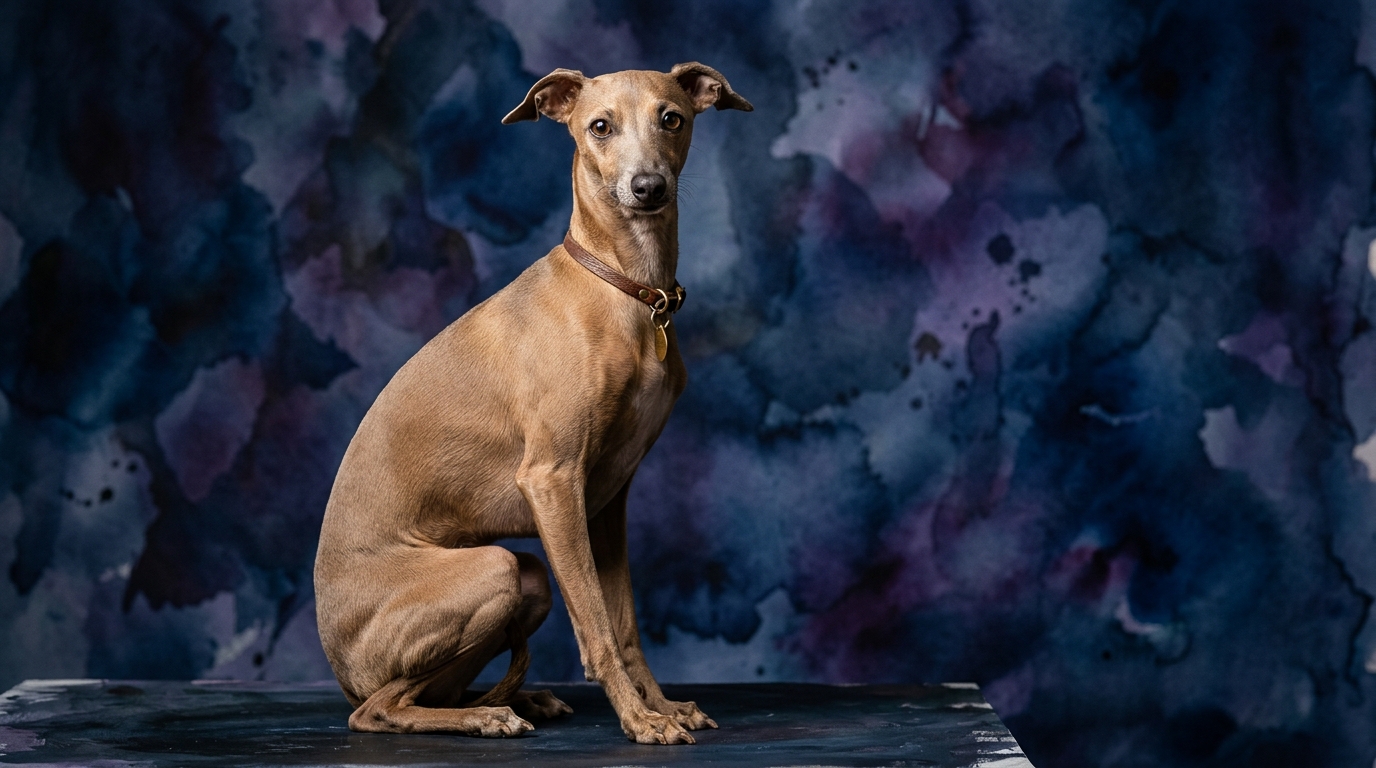
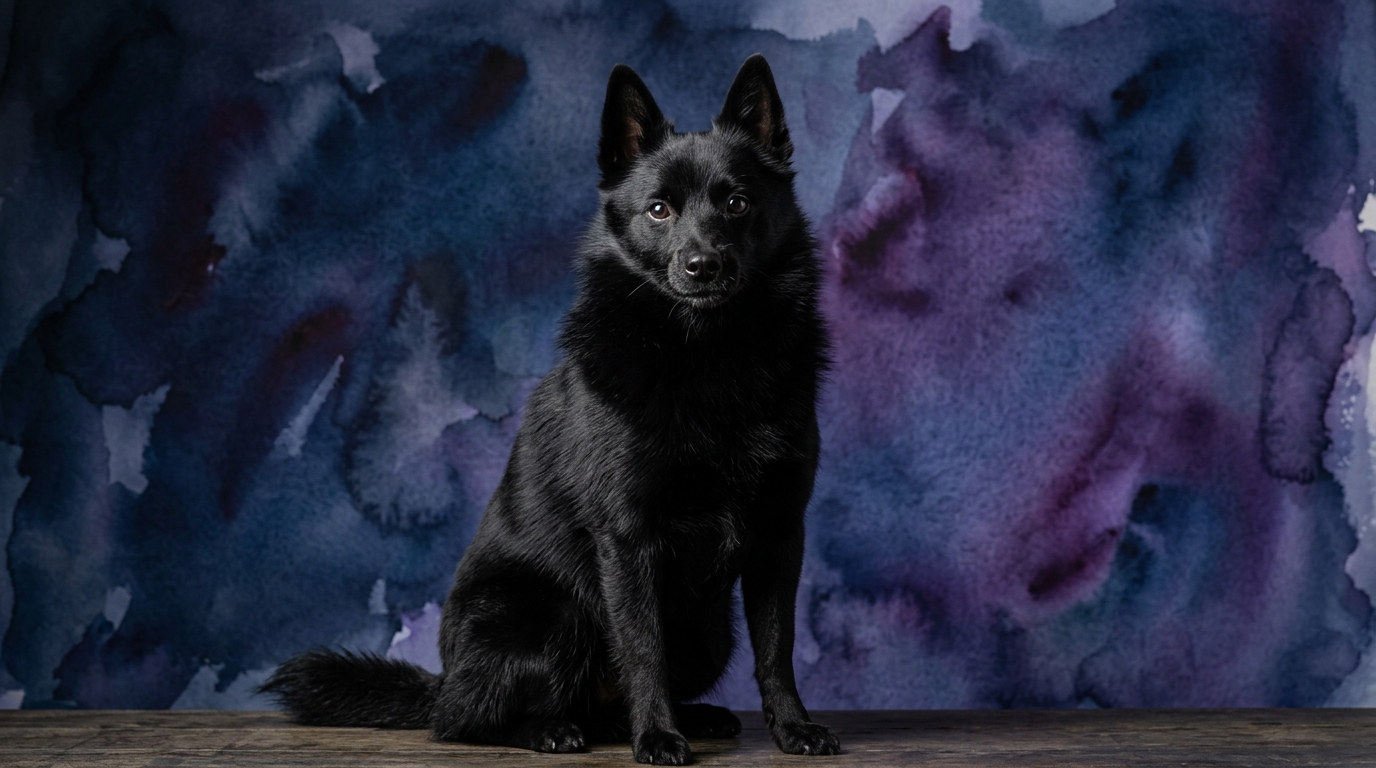
Side-by-Side Cognitive Profiles: Italian Greyhound vs. Schipperke
The Cosmic Pet Pet IQ Lab provides a detailed lens through which to examine the distinct cognitive strengths of the Italian Greyhound and the Schipperke. Understanding these profiles offers insight into their innate predispositions and how they engage with their environment and their human families.
For the **Italian Greyhound (Toy group, Not Coren-ranked)**, their intelligence metrics paint a picture of a sensitive and moderately capable companion. Their **Problem Solving (3/5)** indicates a moderate capacity for navigating novel challenges, often preferring efficiency or relying on human assistance rather than intricate strategizing. **Training Speed (3/5)** suggests they learn at a moderate pace, requiring consistent, positive reinforcement and patience, with their sensitive nature influencing their progress. **Social Intelligence (3/5)** means they form deep bonds with their immediate family, understanding cues but sometimes showing reserve with strangers until trust is established. Their **Instinctive Drive (3/5)** is moderately present, primarily manifesting as a sighthound's urge to chase moving objects, which is typically manageable. Finally, their **Memory (3/5)** demonstrates a moderate recall for commands, routines, and familiar experiences, valuing consistency.
In contrast, the **Schipperke (Non-Sporting group, Coren rank #15)** presents a profile of a sharp, vigilant intellect. Their **Problem Solving (5/5)** is exceptional, often leading them to devise clever solutions to reach goals or overcome obstacles, driven by keen observation and curiosity. Their **Training Speed (5/5)** is remarkably swift, allowing them to grasp new commands and tasks with impressive rapidity and focus, making them highly responsive to well-structured training. **Social Intelligence (3/5)** is moderate, leading to strong family attachments and a watchful, protective demeanor, though they can be discerning with strangers. Their **Instinctive Drive (3/5)**, while moderate, often expresses itself as strong territoriality and a natural inclination to bark warnings, reflecting their vigilant nature. The Schipperke’s **Memory (5/5)** is formidable, retaining commands, routines, and past experiences with remarkable accuracy over extended periods, contributing significantly to their training success.
Where the Italian Greyhound's Cognition Shines
While the Italian Greyhound's cognitive profile doesn't boast higher numerical scores in problem-solving or training speed compared to the Schipperke, its specific blend of attributes offers unique advantages in certain living situations. An Italian Greyhound's moderate social intelligence (3/5) means they typically form deep, singular bonds with their primary caregivers without the intense social demands or constant need for interaction that might be present in a dog with higher social scores. This can be a boon for owners seeking a devoted, yet somewhat independent, companion who isn't overwhelming in their social overtures.
Furthermore, their moderate instinctive drive (3/5), primarily expressed as a sighthound's chase instinct, means their baseline activity levels are often less demanding than breeds with strong working drives. This translates to a dog that, while needing short bursts of speed, is content with indoor lounging for significant periods, simplifying management for owners who appreciate a more relaxed daily routine without constant mental or physical tasks. Their 3/5 memory, while not photographic, is perfectly sufficient for remembering beloved routines and cherished family members, contributing to their endearing and low-key companionship, and making them excellent for a calm, predictable home.
Where the Schipperke's Cognition Excels
The Schipperke demonstrates clear cognitive strengths across several key dimensions, making it a formidable presence in the small dog world. Its exceptional problem-solving ability (5/5) means a Schipperke is often thinking several steps ahead, capable of devising ingenious ways to achieve its goals, whether that involves opening cabinets or figuring out complex puzzle toys. This sharp intellect makes them endlessly engaging for owners who enjoy interacting with a clever, strategic mind.
Coupled with this is their remarkable training speed (5/5), allowing them to grasp new commands and concepts with impressive rapidity. They thrive on mental stimulation and excel in obedience, agility, and other dog sports, often requiring minimal repetitions to solidify a new skill. Finally, the Schipperke's formidable memory (5/5) ensures that once a lesson is learned or an experience encountered, it is retained for the long term. This robust recall not only aids in advanced training but also contributes to their consistent adherence to household rules and their capacity to learn and adapt from previous encounters, making them reliable and predictable companions once properly guided.
Training Dynamics: Italian Greyhound vs. Schipperke
When evaluating ease of training, the Schipperke holds a distinct advantage, primarily due to its 5/5 training speed and 5/5 problem-solving capabilities. These dogs absorb new information quickly, are often eager to engage in learning, and possess the mental acuity to understand complex sequences of commands. Their history as vigilant barge dogs instilled a natural alertness and a desire to be 'on duty,' which translates into a focused demeanor during training sessions. They respond well to varied, stimulating exercises and can progress rapidly through obedience levels, often excelling in canine sports.
In contrast, the Italian Greyhound, with a training speed of 3/5, requires a more patient and consistent approach. Their sensitive nature means harsh corrections are counterproductive, and their sighthound instincts can lead to distractions if something catches their eye. While capable of learning, their progress is often slower, and they may require more repetitions and highly motivating rewards to maintain focus. Their problem-solving at 3/5 means they might not inherently seek out solutions to training challenges with the same zest as a Schipperke, sometimes preferring to charm their way out of a task or simply disengage if they find it uninteresting. Training an Italian Greyhound is certainly achievable, but it demands a specific understanding of their delicate temperament and a commitment to making learning a positive, low-pressure experience.
Cognitive Profiles and Lifestyle Compatibility
The choice between an Italian Greyhound and a Schipperke often hinges on an owner's lifestyle and their capacity for engaging with different types of canine energy and intellect. For owners who identify as 'relaxed,' perhaps preferring calm evenings and gentle strolls, the Italian Greyhound is often a fitting companion. Their moderate instinctive drive (3/5) and preference for comfort mean they thrive in an environment where short bursts of energetic play are balanced with ample time for napping on soft surfaces. While they enjoy outdoor excursions, their primary need for activity is often met with a few brisk walks or a supervised sprint in a secure yard, making them less demanding in terms of constant physical or mental stimulation.
Conversely, 'active' owners who enjoy consistent engagement and mental challenges will likely find the Schipperke an ideal match. Their high problem-solving (5/5) and exceptional memory (5/5) mean they require regular mental exercise beyond simple walks. Schipperkes possess a lively, inquisitive spirit that benefits from structured training, puzzle toys, and opportunities to 'work' or explore. Their moderate instinctive drive (3/5), while not as high as some working breeds, manifests as a vigilant and curious nature, propelling them to investigate their surroundings and engage with their environment actively. They excel in dog sports and thrive when given a 'job' to do, making them perfect for owners who are prepared to channel that sharp intellect and boundless energy into constructive activities.
The Verdict
Choose the Italian Greyhound if you seek an elegant, sensitive companion who thrives on affection and a relaxed routine, offering moderate cognitive engagement and responding best to gentle, consistent guidance.
Opt for the Schipperke if you desire a sharp-witted, vigilant partner eager for mental challenges, quick to learn, and thriving in an environment that provides consistent engagement and structured activity.
🧠 Find Your Pet's IQ Score
Our Pet IQ Lab assessment covers 25+ tests across 5 cognitive dimensions — personalized to your breed.
Take the Full IQ Test →Frequently Asked Questions
Are Italian Greyhounds difficult to train because of their 3/5 training speed?
Italian Greyhounds are not inherently difficult, but their 3/5 training speed means they require more patience and consistency than some breeds. Positive reinforcement and short, engaging sessions work best, respecting their sensitive nature and potential for distraction.
How does the Schipperke's Coren rank of #15 reflect its IQ scores?
The Schipperke's #15 Coren rank for 'Working & Obedience Intelligence' aligns well with its 5/5 scores in problem-solving, training speed, and memory. This indicates a strong capacity for understanding and executing commands, and adapting to new situations with remarkable efficiency.
Do Italian Greyhounds and Schipperkes get along with other pets given their social intelligence scores?
Both breeds have a 3/5 social intelligence score, suggesting they can coexist with other pets but require careful, early socialization. Italian Greyhounds may be reserved, while Schipperkes might be territorial, so introductions should be managed thoughtfully and positively.