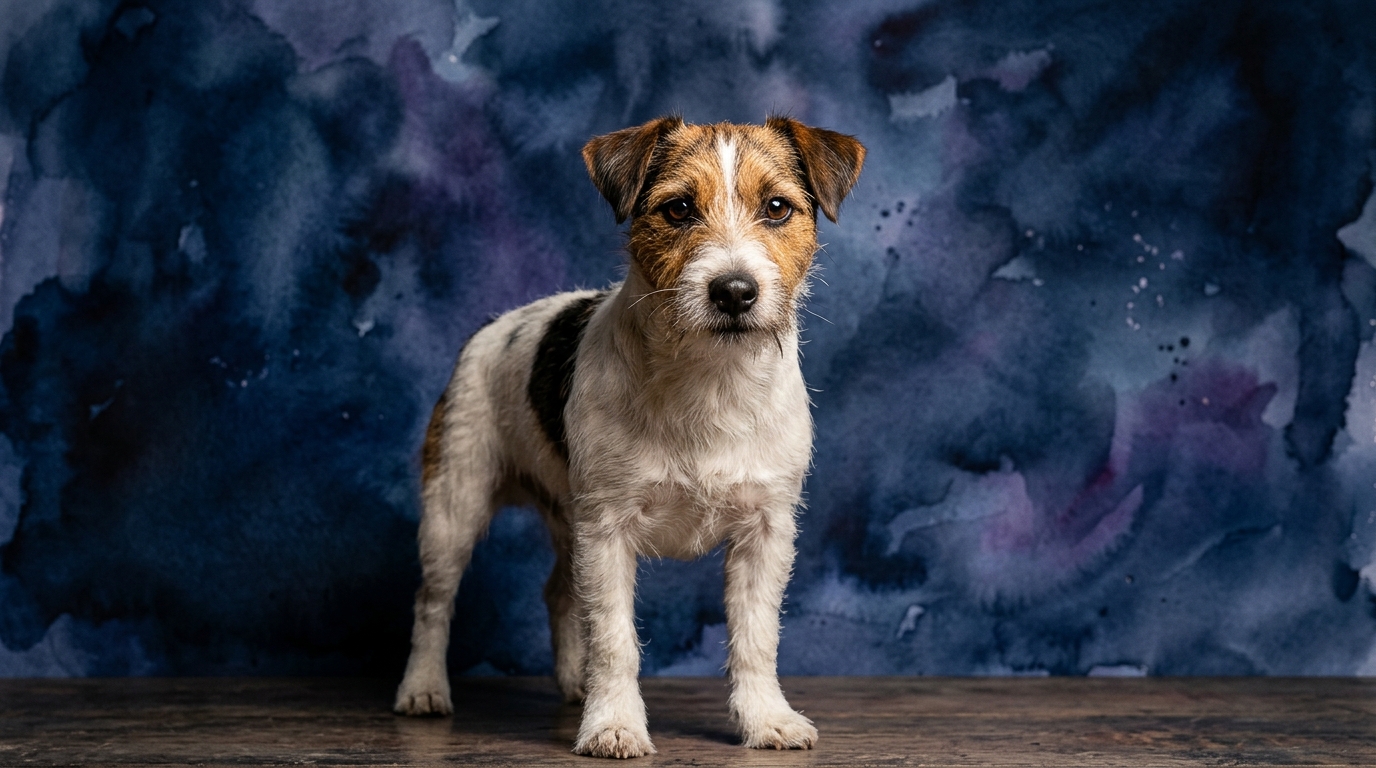

Side-by-Side Cognitive Profiles: A Tale of Two Instincts
The Cosmic Pet Pet IQ Lab employs five key dimensions to map canine cognition, offering a granular view beyond simple 'smartness.' Here's how the tenacious Jack Russell Terrier and the elegant Belgian Sheepdog (Groenendael) measure up in their unique cognitive landscapes.
**Problem Solving:** Both breeds achieve a perfect 5/5, yet their approaches diverge significantly. The Jack Russell Terrier excels at independent, physical problem-solving, often driven by a singular focus to achieve a goal, like locating quarry or navigating complex underground tunnels. The Belgian Sheepdog (Groenendael), conversely, applies its 5/5 problem-solving acumen to understand complex human commands, strategize during herding tasks, or adapt to intricate training scenarios, often seeking human direction to solve puzzles.
**Training Speed:** This dimension highlights a clear difference. The Belgian Sheepdog (Groenendael) earns a 5/5, indicating a rapid grasp of new commands and a strong desire to learn and cooperate with its handler. Their inherent biddability and focus make them exceptionally quick studies. In contrast, the Jack Russell Terrier scores 3/5. While capable of learning, their independent nature and strong self-will often mean they require more repetition, creative motivation, and patience to consistently execute commands, preferring to follow their own agenda.
**Social Intelligence:** Both breeds register a 3/5, indicating their primary focus might not always be on nuanced human social cues. The Jack Russell Terrier often prioritizes its environment or task, demonstrating independence in its interactions. The Belgian Sheepdog (Groenendael), while forming profound bonds with its handler, can be reserved or discerning with strangers, preferring to observe rather than engage effusively, suggesting a more selective application of its social awareness.
**Instinctive Drive:** Here, the Jack Russell Terrier stands out with a powerful 5/5. This score reflects an unyielding prey drive, an intense desire to hunt, chase, and dig, deeply ingrained from generations of working as earth dogs. This drive is a core part of their cognitive makeup, fueling their persistence. The Belgian Sheepdog (Groenendael) shows a moderate 3/5. While possessing a herding instinct, it's typically more controllable and directed than the JRT's predatory intensity, often channeled into structured activities.
**Memory:** The Belgian Sheepdog (Groenendael) secures a perfect 5/5 for memory, indicating an exceptional ability to recall complex sequences of commands, routines, and past experiences. This contributes significantly to their ease of advanced training. The Jack Russell Terrier scores a strong 4/5, demonstrating good retention of learned tasks and routines, especially those that align with their natural drives, but perhaps not with the same capacity for intricate, multi-step command sequences as the Groenendael.
Where the Jack Russell Terrier Wins Cognitively
The Jack Russell Terrier's cognitive strengths shine brightest in scenarios demanding tenacious, self-directed action and independent problem-solving. Their perfect 5/5 in problem-solving, combined with a formidable 5/5 in instinctive drive, equips them to tackle challenges with relentless determination and ingenuity.
Imagine a JRT facing a scent trail leading into a complex burrow system; their mind isn't waiting for human instruction. Instead, they’re rapidly assessing the environment, devising a strategy to navigate obstacles, and employing their physical prowess to achieve their goal. This isn't about solving a puzzle box for a treat; it's about an innate, driven intelligence applied to real-world, instinctual tasks where persistence and resourcefulness are paramount. Their memory, at 4/5, serves to recall successful strategies and locations, reinforcing their independent work ethic in the field.
Where the Belgian Sheepdog (Groenendael) Wins Cognitively
The Belgian Sheepdog (Groenendael) demonstrates its cognitive prowess through a combination of exceptional training aptitude and remarkable memory. Their 5/5 in training speed and 5/5 in memory position them as unparalleled partners for complex, structured work and competitive dog sports, where precision and recall are vital.
This breed excels at understanding and executing multi-step commands, remembering intricate agility courses, or performing precise obedience routines with minimal error. Their problem-solving (5/5) is often channeled through the lens of human partnership, figuring out *how* to best comply with a command or optimize a performance. They are not merely learning tricks; they are forming deep cognitive connections between commands, actions, and desired outcomes, retaining this knowledge for long periods. Their ability to rapidly acquire and retain information makes them a joy for dedicated trainers seeking a true working companion.
Which is Easier to Train and Why
When considering ease of training, the Belgian Sheepdog (Groenendael) holds a distinct advantage, primarily due to its 5/5 training speed and 5/5 memory. These scores reflect a dog that is typically eager to please its handler, highly focused during training sessions, and capable of quickly forming associations between commands and actions. Behavioral differences include their innate biddability; they often thrive on clear structure and positive reinforcement, finding immense satisfaction in working alongside their human and mastering new skills.
The Jack Russell Terrier, with its 3/5 training speed and formidable 5/5 instinctive drive, presents a different training dynamic. While perfectly capable of learning, their independent spirit and intense focus on their own drives mean they can be more challenging to motivate for tasks they don't inherently find rewarding. For example, recalling a JRT from a captivating scent can be a battle against centuries of breeding for tenacity. Training them requires exceptional patience, consistency, and making the training itself a highly engaging, rewarding 'game' that taps into their innate drives rather than trying to suppress them through sheer will.
Which Suits Active Owners vs. Less Active Owners
Neither the Jack Russell Terrier nor the Belgian Sheepdog (Groenendael) is suited for less active or truly relaxed owners. Both breeds demand significant mental and physical engagement, though the nature of that engagement differs, requiring owners to understand their specific needs.
The Jack Russell Terrier thrives with an active owner who can provide consistent outlets for their intense physical energy and formidable prey drive. This means daily vigorous exercise, such as long runs, chasing balls, or structured 'work' like earth dog trials or scent work. Their problem-solving mind also needs challenges, like puzzle toys or creative training, to prevent boredom and destructive behaviors. An owner who enjoys outdoor activities and can channel their terrier's zest for life will find a rewarding, albeit demanding, companion.
The Belgian Sheepdog (Groenendael) also requires an active lifestyle, but its needs lean more towards structured activities that engage its keen mind and desire to work. This includes advanced obedience, agility, protection sports, or herding. Their memory and training speed mean they excel when given a 'job,' and consistent, engaging training sessions are as vital as physical exercise. An owner who is committed to ongoing training, dog sports, and a strong partnership will unlock the Groenendael's full potential. For a truly 'relaxed' owner seeking a low-maintenance companion, neither of these breeds would be a fitting choice, as both require dedicated engagement.
The Verdict
Choose the Jack Russell Terrier if you are an experienced owner who appreciates an independent, tenacious problem-solver with an intense zest for life, ready to channel their formidable prey drive into engaging activities and embrace a spirited companion.
Opt for the Belgian Sheepdog (Groenendael) if you seek a highly trainable, devoted working partner eager to excel in structured activities, willing to commit to consistent training and mental engagement to foster a profound, productive bond.
🧠 Find Your Pet's IQ Score
Our Pet IQ Lab assessment covers 25+ tests across 5 cognitive dimensions — personalized to your breed.
Take the Full IQ Test →Frequently Asked Questions
Are Jack Russell Terriers difficult to train?
While not inherently difficult to train, Jack Russell Terriers can be challenging due to their strong independent streak and powerful instinctive drives. They require consistent, engaging, and patient training that leverages their natural curiosity and desire to 'work' rather than attempting to suppress their innate behaviors. Their 3/5 training speed means they may take longer to learn consistent obedience compared to some breeds, but their problem-solving mind thrives on mental games.
How much exercise does a Belgian Sheepdog (Groenendael) need?
Belgian Sheepdogs (Groenendael) require substantial daily exercise, typically an hour or more of vigorous activity, beyond simple walks. This should include mental stimulation like training sessions, dog sports, or a 'job' to do, as their high training speed and memory mean they thrive on mental engagement. Their physical and mental needs are significant, making them unsuitable for sedentary lifestyles.
Which breed is better with children?
Both breeds can be good with respectful, well-behaved children when properly socialized and trained from a young age. However, the Jack Russell Terrier's intense prey drive and boisterous nature might be overwhelming for very young children. The Belgian Sheepdog's reserved nature and herding instincts mean they might try to 'herd' children, requiring supervision. Individual temperament, early training, and careful introductions are key for both breeds to coexist happily with families.