Side-by-Side Cognitive Profiles
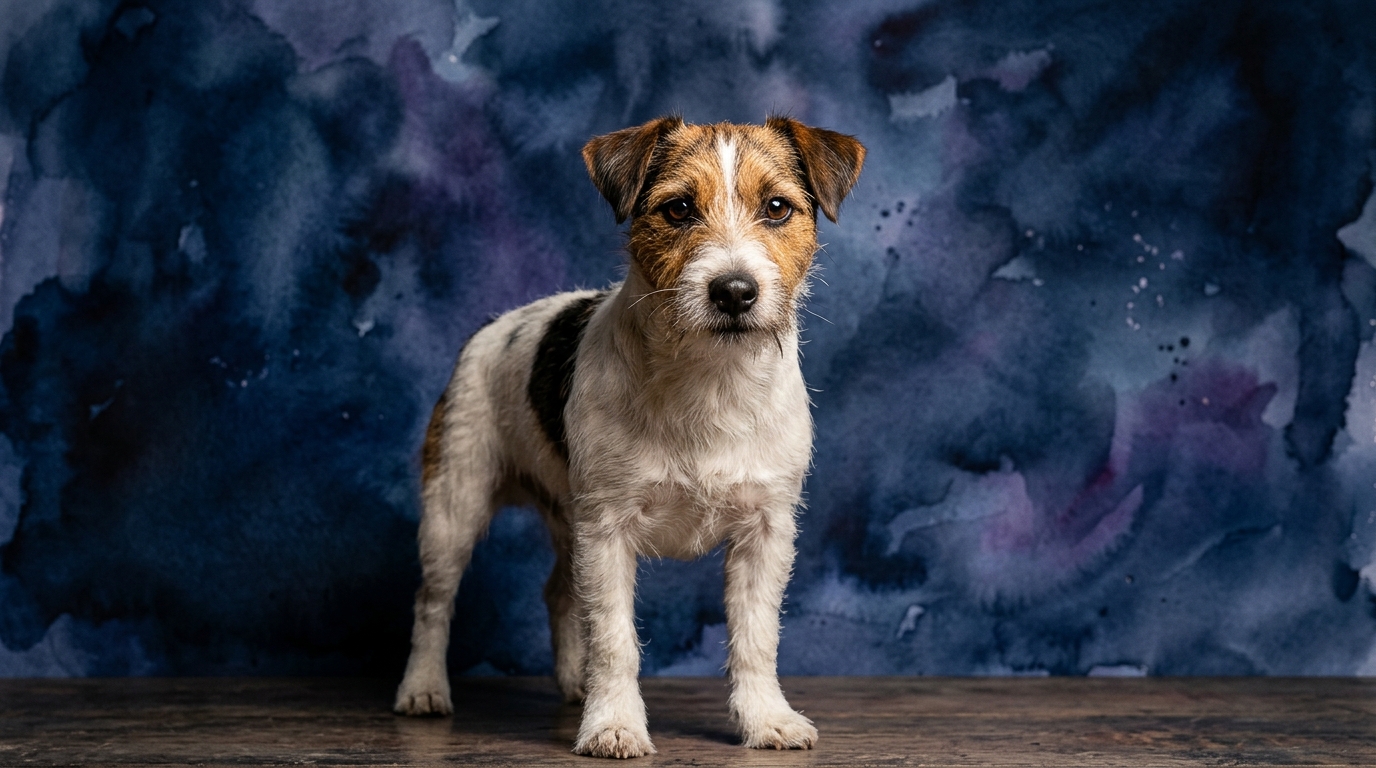
The Cosmic Pet Pet IQ Lab evaluates canine intelligence across five key dimensions, providing a granular view of each breed's mental makeup. For the Jack Russell Terrier, we see a striking profile: Problem Solving 5/5, Training Speed 3/5, Social Intelligence 3/5, Instinctive Drive 5/5, and Memory 4/5. This suggests a dog with exceptional capacity for independent thought and a powerful internal motivation.
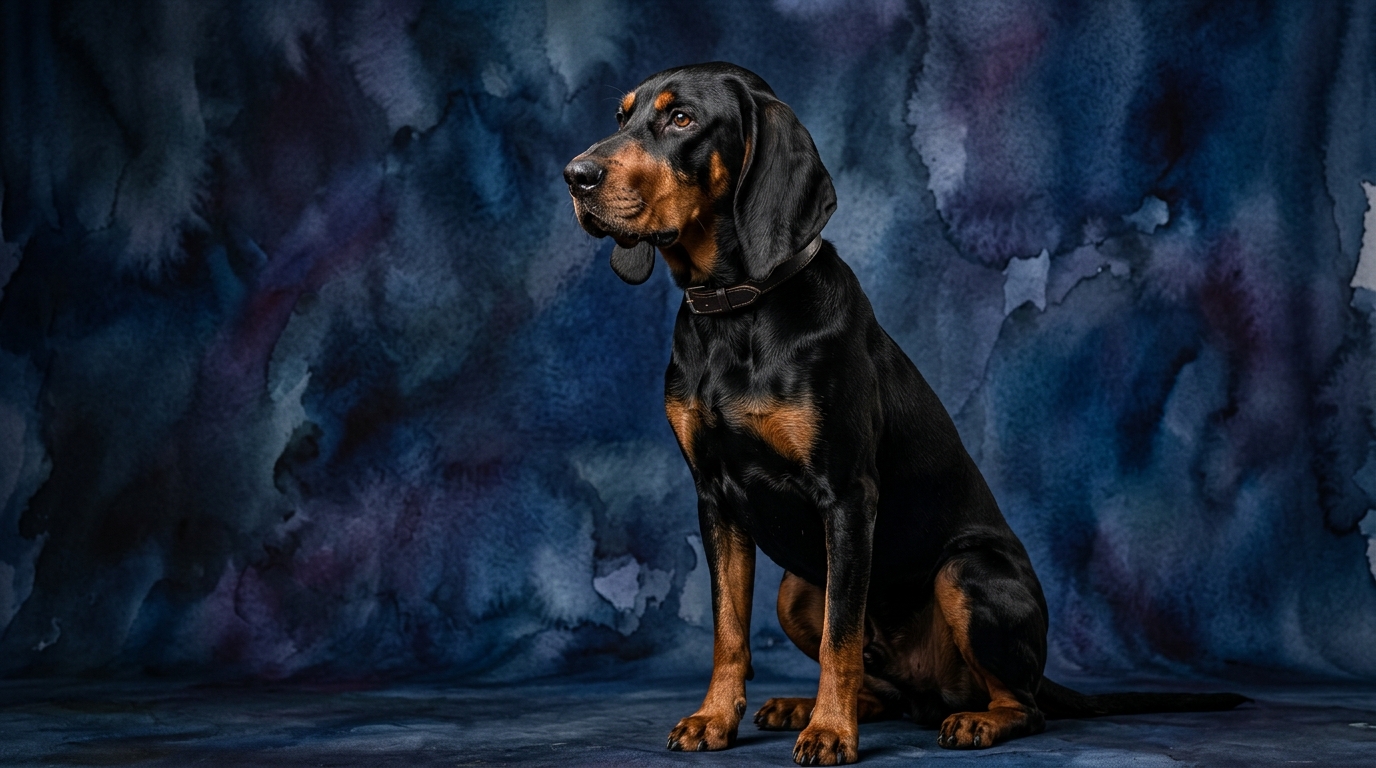
In contrast, the Black and Tan Coonhound presents a more balanced, albeit generally lower-scoring, profile: Problem Solving 3/5, Training Speed 3/5, Social Intelligence 3/5, Instinctive Drive 3/5, and Memory 3/5. While these scores indicate a capable and intelligent dog, they point to a different set of cognitive strengths and operational style compared to the terrier.
Let's break down each dimension. Problem Solving, for instance, highlights the JRT's superior ability to navigate complex situations, figure out puzzles, or overcome obstacles creatively and independently. The Coonhound's 3/5 indicates a solid, functional capacity for problem-solving, but perhaps less inclination towards novel solutions or intricate manipulation of their environment without guidance. Both breeds share a 3/5 in Training Speed and Social Intelligence, suggesting a moderate pace for learning new commands and an average capacity for understanding and responding to human social cues, as well as interacting with other animals.
Instinctive Drive is where the JRT truly shines with a 5/5, reflecting its intense genetic programming for hunting, digging, and pursuing prey. This drive is a powerful engine for their actions. The Coonhound's 3/5 Instinctive Drive, while lower, is still significant and primarily focused on scent tracking and persistence, a specialized and sustained form of drive rather than the JRT's broad, high-energy application. Finally, Memory shows a JRT at 4/5, indicating a strong ability to recall past experiences and learned behaviors, while the Coonhound's 3/5 suggests a reliable but perhaps less expansive or detailed retention of information.
Where the Jack Russell Terrier Excels Cognitively
The Jack Russell Terrier's cognitive prowess is most evident in its unparalleled Problem Solving score of 5/5. This isn't just about figuring out treat puzzles; it translates into a dog that can independently assess situations and devise effective, often clever, solutions. For example, a JRT might quickly learn to open latches, navigate complex outdoor environments to find a hidden toy, or even devise strategies to get attention when ignored. This cognitive agility means they thrive on mental challenges and can become bored or destructive if their minds aren't adequately engaged with new tasks and learning opportunities.
Their 5/5 Instinctive Drive also sets them apart, fueling their relentless curiosity and determination. This drive, while sometimes challenging to manage, is a cognitive asset when channeled. It means they possess an inherent, powerful motivation to investigate, pursue, and engage with their environment, making them exceptional at tasks requiring sustained focus and energy. Coupled with a 4/5 Memory, JRTs are adept at retaining the lessons learned from their problem-solving attempts, quickly remembering which actions led to success or failure, and applying that knowledge to future scenarios. This combination of strong problem-solving, high drive, and good memory makes them highly adaptable and resourceful, especially in dynamic, fast-paced situations.
Where the Black and Tan Coonhound Holds its Own
While the Black and Tan Coonhound's scores are generally lower than the Jack Russell Terrier's, their cognitive profile is perfectly adapted for their ancestral role, indicating a different kind of strength. Their 3/5 Problem Solving, for instance, means they are capable of navigating their world effectively, but tend to rely more on established patterns and their exceptional sense of smell rather than complex, novel strategizing. This focus on scent-driven problem-solving is a specialized cognitive skill, enabling them to follow faint trails for miles, a task requiring immense concentration and a unique form of environmental interpretation.
The Coonhound's 3/5 Instinctive Drive, though not as broad or intense as the JRT's, is highly focused and enduring. This drive is specifically tuned for tracking, allowing them to maintain incredible persistence on a scent trail, often to the exclusion of other stimuli. This sustained, singular focus is a cognitive advantage in their field, preventing them from being easily distracted by visual or auditory cues that might derail a less specialized breed. Their 3/5 Memory and Social Intelligence, while average, mean they reliably retain training and form strong bonds, making them agreeable companions who learn at a steady pace, rather than needing constant novelty or seeking independent 'missions' like a JRT.
Training: Navigating Different Cognitive Landscapes
Both the Jack Russell Terrier and the Black and Tan Coonhound score 3/5 in Training Speed, suggesting that neither breed will pick up new commands with lightning speed. However, the *nature* of the training challenge differs significantly due to their other cognitive traits and behavioral tendencies. The JRT's 5/5 Problem Solving and 5/5 Instinctive Drive mean they can be challenging trainers due to their independent nature and powerful prey drive. They might quickly learn *how* to do something, but their strong will and inherent desire to follow their instincts (chasing, digging, exploring) can make consistent obedience a prolonged endeavor. Training a JRT often involves redirecting their high drive and cleverness towards desired behaviors, requiring consistency, creativity, and a good sense of humor from the owner.
The Black and Tan Coonhound, with its 3/5 Instinctive Drive, primarily focused on scent, and 3/5 Problem Solving, might be slower to generalize commands but is less likely to actively 'outsmart' the trainer. Their main training challenge often revolves around overcoming their powerful scent distraction. Once a Coonhound is on a scent, disengaging them requires patience and consistent recall training. While they may require more repetition to solidify commands, their generally more placid nature when not tracking means they are less prone to the constant high-energy demands and independent antics of a JRT. Effective training for a Coonhound often leverages positive reinforcement and patience to build reliable responses, especially in environments where tempting scents abound.
Ideal Owners: Active Pursuits vs. Scent-Driven Companionship
The cognitive profiles of these two breeds clearly delineate the type of owners best suited to each. The Jack Russell Terrier is an excellent fit for highly active owners who thrive on engaging a dog's sharp mind and boundless energy. These are individuals who enjoy complex training, dog sports like agility or earthdog trials, and can provide ample opportunities for their JRT to problem-solve and satisfy its high instinctive drive. Owners who appreciate a dog with a strong personality and the capability to think for itself, and who are prepared for the mental and physical exercise demands, will find a JRT a rewarding companion. They are not for the faint of heart or those seeking a purely decorative pet; they need a job, even if that job is navigating a challenging obstacle course in the backyard.
Conversely, the Black and Tan Coonhound is better suited for owners who appreciate a dog with a more specialized focus and a generally calmer demeanor within the home, provided their scenting needs are met. These owners might be interested in scent work, tracking, or long, leisurely walks where the Coonhound can follow its nose. While still requiring regular exercise, their energy is often more sustained than explosive, and their home presence tends to be more relaxed once their needs are fulfilled. Owners who enjoy the companionship of a loyal, amiable dog and are patient with their hound's independent nose will find a deep connection with a Black and Tan Coonhound. They are not dogs that demand constant high-level mental stimulation in the same way a JRT does, but they do require understanding of their innate drive to track.
The Verdict
Choose the Jack Russell Terrier if you seek a highly active, clever companion who thrives on intense mental challenges and physical engagement, and you are prepared for a strong, independent personality. They excel with owners who can channel their extraordinary problem-solving skills and high instinctive drive into productive activities.
Opt for the Black and Tan Coonhound if you value a loyal, amiable companion with an exceptional nose, appreciating their focused tracking drive and generally more relaxed home presence. They are ideal for owners who enjoy scent work, long explorations, and are patient with a dog whose primary motivation is the world of smell.
🧠 Find Your Pet's IQ Score
Our Pet IQ Lab assessment covers 25+ tests across 5 cognitive dimensions — personalized to your breed.
Take the Full IQ Test →Frequently Asked Questions
Is a Jack Russell Terrier hard to train?
While Jack Russell Terriers score 3/5 in Training Speed, their 5/5 Problem Solving and 5/5 Instinctive Drive can make them challenging. They learn quickly but their strong will and prey drive require consistent, creative training to manage their independent nature and channel their energy effectively.
Do Black and Tan Coonhounds make good family pets?
Yes, Black and Tan Coonhounds can make excellent family pets due to their 3/5 Social Intelligence, which indicates a good capacity for forming bonds. They are generally amiable and loyal, though their strong scent drive means they need secure environments and consistent recall training to prevent them from wandering off on a trail.
Which breed requires more exercise, a JRT or a B&T Coonhound?
Both breeds require regular exercise, but in different ways. The Jack Russell Terrier, with its 5/5 Instinctive Drive, needs intense, varied physical and mental exercise daily to prevent boredom. The Black and Tan Coonhound, while needing sustained activity like long walks or scent work, might have a more relaxed energy level at home compared to the JRT's constant readiness.