Side-by-Side IQ Profile: Deconstructing Canine Cognition
Understanding the mental prowess of these two breeds requires a look at their individual scores across five key cognitive dimensions. These metrics offer a window into how each breed perceives, learns, and interacts with their environment, reflecting centuries of selective breeding.
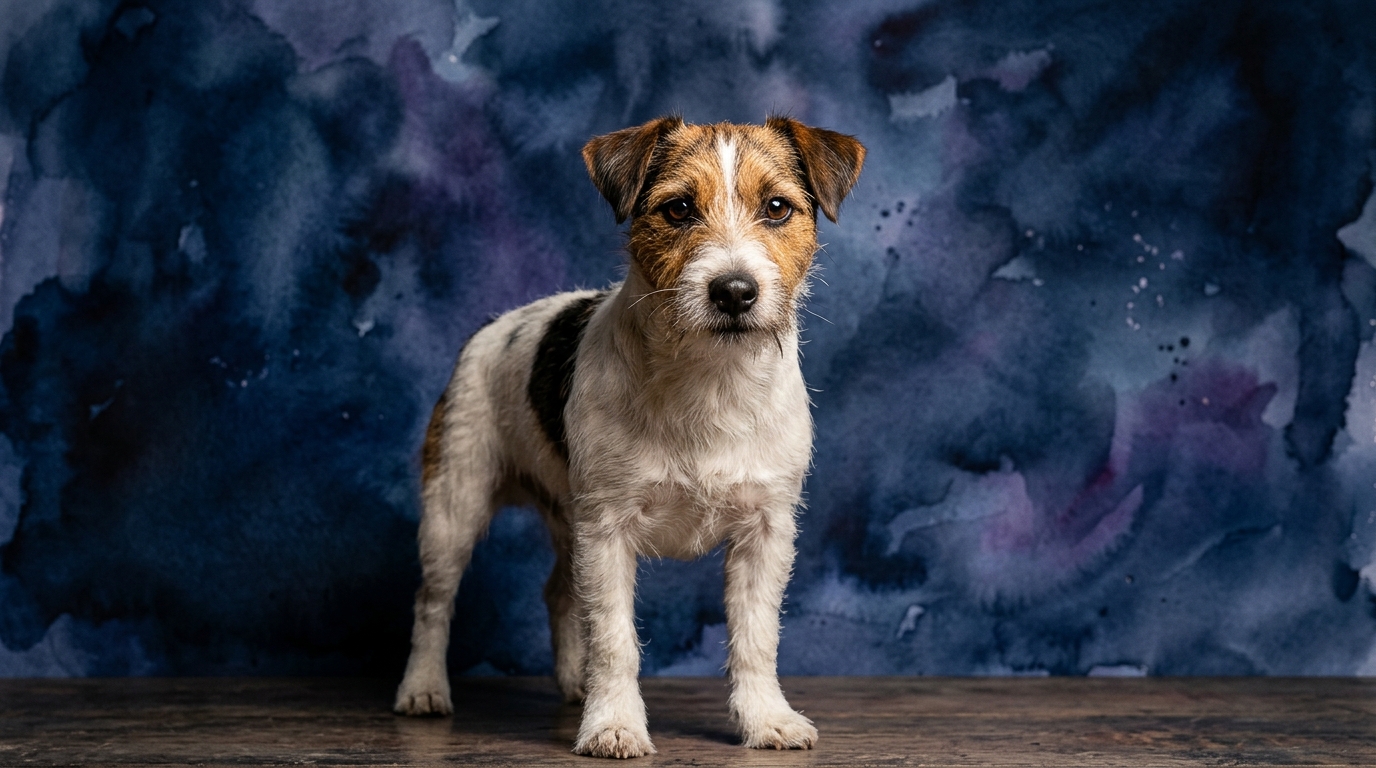
For the Jack Russell Terrier, problem-solving ability stands out at a remarkable 5/5. This breed was developed to independently locate and flush quarry, a task demanding quick thinking and adaptability. Their training speed registers at 3/5; while they grasp concepts rapidly, their strong will and independent nature mean learning often requires creative motivation and consistent effort. Social intelligence is also rated 3/5; while capable of forming deep bonds, their primary focus during work often overrides subtle human social cues. An exceptional instinctive drive scores 5/5, reflecting their powerful urge to hunt, chase, and dig, an inherent trait deeply embedded in their terrier heritage. Finally, their memory is strong at 4/5, allowing them to recall successful strategies and complex sequences of actions, which is crucial for intricate tasks.
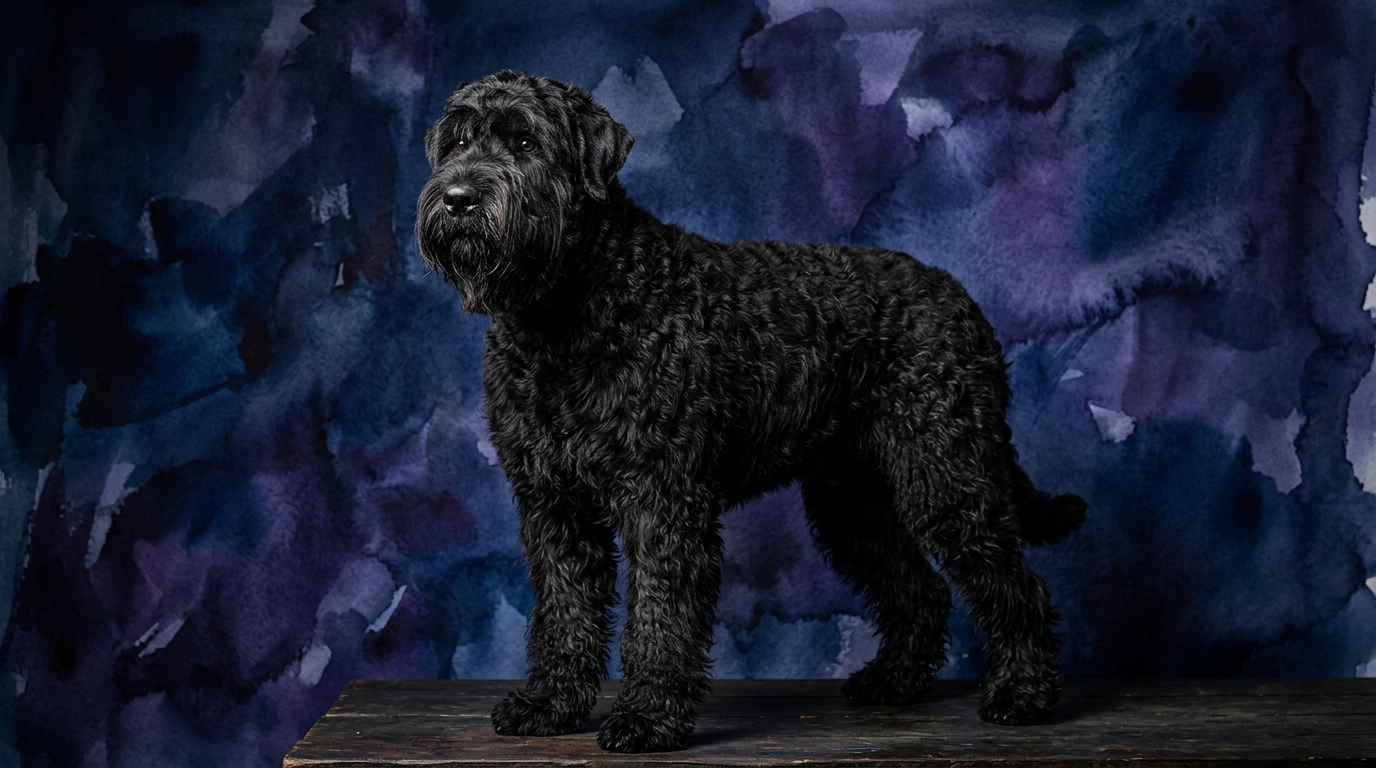
The Black Russian Terrier presents a different cognitive blueprint. Their problem-solving score is 3/5, indicating competence, but less inclination towards spontaneous solutions compared to the Jack Russell. They are capable of learning complex tasks but may prefer to operate within established parameters. Training speed, like the Jack Russell, is 3/5; they are intelligent learners but require methodical, consistent instruction. Social intelligence is also 3/5; while deeply loyal and protective of their family, their interactions with strangers are often characterized by discernment and a watchful reserve. Their instinctive drive scores 3/5, reflecting a strong working drive focused on protection and guarding rather than the intense predatory instincts of a terrier. Memory for the Black Russian Terrier is 3/5, solid enough for retaining extensive command sets and routines, vital for their roles as service or protection dogs, but not as adept at novel information.
Where the Jack Russell Terrier Wins Cognitively
The Jack Russell Terrier truly shines in its capacity for independent problem-solving and its unwavering instinctive drive. Their 5/5 rating in problem-solving isn't just about figuring out puzzle toys; it's about their innate ability to assess a situation, devise a strategy, and execute it without human intervention. This could manifest as finding a creative route around a fence, figuring out how to open a cabinet, or persistently working to achieve a desired outcome. This cognitive strength, combined with their 5/5 instinctive drive, means they are masters of self-directed activity. They are driven by an internal compass to explore, hunt, and investigate, utilizing their sharp memory (4/5) to recall what worked before. This makes them exceptional at tasks requiring initiative and perseverance, like scent work or agility courses where quick decisions are paramount.
Where the Black Russian Terrier Wins Cognitively
While their scores might appear more moderate, the Black Russian Terrier’s cognitive strengths are profoundly tailored to their purpose as a formidable working and protection dog. Their intelligence is characterized by consistency, focus, and a profound capacity for loyalty and discernment. Though their problem-solving is 3/5, they excel at mastering and executing complex command sequences, demonstrating a reliable and methodical approach to learned tasks. Their social intelligence, also 3/5, is geared towards understanding and responding to the nuances of their family's needs and discerning potential threats, a crucial aspect of their protective role. This isn't about playful social antics but a serious, watchful understanding of their environment and the people within it. They possess a steadfast memory (3/5) for their training and routines, which, combined with their inherent composure, makes them exceptionally dependable in high-stakes situations where reliability is key.
Which is Easier to Train and Why
Both the Jack Russell Terrier and the Black Russian Terrier share a Training Speed score of 3/5, yet the journey to a well-trained companion differs significantly for each. The Jack Russell, despite its quick wit and ability to grasp concepts, can be a challenging student due to its powerful independence and intense instinctive drives. They learn rapidly but often prefer to apply their learning to their own agenda, such as chasing a squirrel rather than performing a recall. Training a Jack Russell demands immense patience, creativity, and making learning an engaging game. Consistency is non-negotiable, as any lapse can be seized upon.
The Black Russian Terrier, while also scoring 3/5, presents challenges rooted in its size, strength, and strong protective instincts. They are eager to please their trusted handler and capable of learning extensive command sets, but their sheer power necessitates early, consistent, confident training. A Black Russian Terrier requires an experienced owner who can establish clear boundaries and provide firm, fair leadership. Unlike the Jack Russell, who might invent alternative activities, the Black Russian Terrier is generally more focused on performing the task once it understands the expectation, provided the handler maintains authority. Therefore, neither is "easy" in a passive sense; success with both relies heavily on dedicated, informed ownership, but the nature of the training challenge is distinct.
Which Suits Active Owners vs. Relaxed Owners
When considering which breed aligns with an owner's lifestyle, the differences in their cognitive profiles become particularly relevant. The Jack Russell Terrier is unequivocally suited for highly active owners. Their exceptional instinctive drive (5/5) and problem-solving prowess (5/5) mean they require constant mental and physical engagement. An owner who enjoys dog sports like agility, flyball, earthdog trials, or who can provide extensive, stimulating outdoor adventures will find a Jack Russell a tireless and enthusiastic partner. For relaxed owners, unmet needs for activity and mental challenge often lead to destructive behaviors.
The Black Russian Terrier also demands an active owner, but the nature of that activity is different. While they need regular physical exercise—daily walks, yard play, or structured training sessions—their instinctive drive is more purpose-driven than a Jack Russell's. They thrive on having a "job" to do, whether that's protection training, obedience work, or simply being a vigilant family guardian. Owners who are committed to consistent training, provide ample socialization, and understand the needs of a large, powerful working breed will find the Black Russian Terrier a devoted companion. A relaxed owner unable to commit to their needs will find a BRT challenging, as their size and protective instincts require careful management and direction. They can be calm indoors once exercised, but they are not a breed for a sedentary lifestyle.
The Verdict
Opt for a Jack Russell Terrier if you are an experienced, highly active owner who thrives on channeling intense terrier drive and exceptional problem-solving into engaging activities like dog sports, extensive outdoor adventures, or challenging training. You must be prepared for a clever, independent companion who requires consistent mental and physical engagement to prevent boredom and mischief.
Select a Black Russian Terrier if you are an experienced, confident owner seeking a loyal, protective working companion, willing to commit to extensive, consistent training and socialization from an early age. You must be capable of managing a large, powerful breed with a strong sense of duty, providing structured exercise and a clear leadership role.
🧠 Find Your Pet's IQ Score
Our Pet IQ Lab assessment covers 25+ tests across 5 cognitive dimensions — personalized to your breed.
Take the Full IQ Test →Frequently Asked Questions
Are Jack Russell Terriers good family dogs?
Jack Russell Terriers can be wonderful family dogs for active, experienced families who understand their high energy and strong prey drive. They thrive with consistent training and plenty of mental and physical stimulation, but their intensity might be overwhelming for very young children or passive households.
What are the key training considerations for a Black Russian Terrier?
Training a Black Russian Terrier requires consistency, confidence, and early socialization due to their size, strength, and protective instincts. Focus on positive reinforcement, clear communication, and establishing yourself as a firm, fair leader to channel their intelligence and loyalty effectively.
Do both breeds require a lot of exercise?
Yes, both breeds require significant exercise, though the type differs. Jack Russell Terriers need intense, varied physical and mental stimulation daily, while Black Russian Terriers require consistent daily walks, structured play, and a sense of purpose through training to thrive.