A Side-by-Side Cognitive Blueprint
To truly understand the mental landscape of these two distinct breeds, The Cosmic Pet Pet IQ Lab employs a five-dimensional cognitive profile, offering a granular view of their intellectual strengths and operational styles. This framework helps us appreciate the specific ways each breed processes information and navigates their environment.
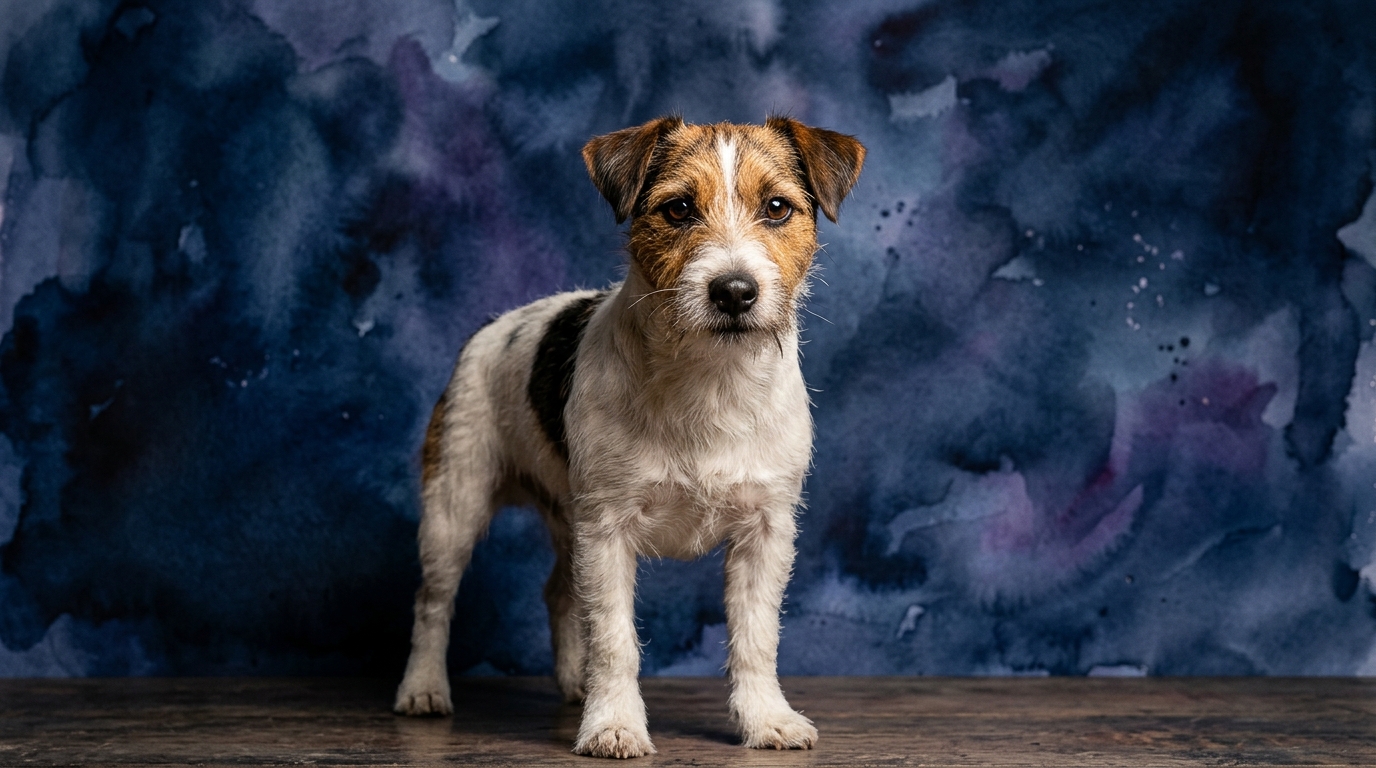
For the Jack Russell Terrier, their Problem Solving ability scores an exceptional 5/5. This indicates a breed that is incredibly adept at figuring things out independently, often demonstrating remarkable ingenuity in overcoming obstacles, whether it's unlatching a gate or locating a cleverly hidden treat. Their minds are constantly active, seeking solutions to perceived challenges.
Their Training Speed is rated 3/5, suggesting they grasp new commands and concepts with moderate efficiency. However, this isn't a reflection of a lack of understanding, but rather their independent spirit; they learn quickly but may choose to comply based on their own assessment of the situation or the perceived reward. Social Intelligence also stands at 3/5, meaning they can read human cues and interact appropriately, but their focus often remains on their own objectives or drives rather than nuanced emotional attunement.
The Jack Russell Terrier’s Instinctive Drive is a powerful 5/5, a hallmark of their terrier heritage. This manifests as an intense desire to chase, dig, and explore, fueled by a relentless curiosity and a strong prey drive. Finally, their Memory is a robust 4/5, enabling them to recall past experiences, successful strategies, and learned routines effectively, which further enhances their problem-solving prowess.
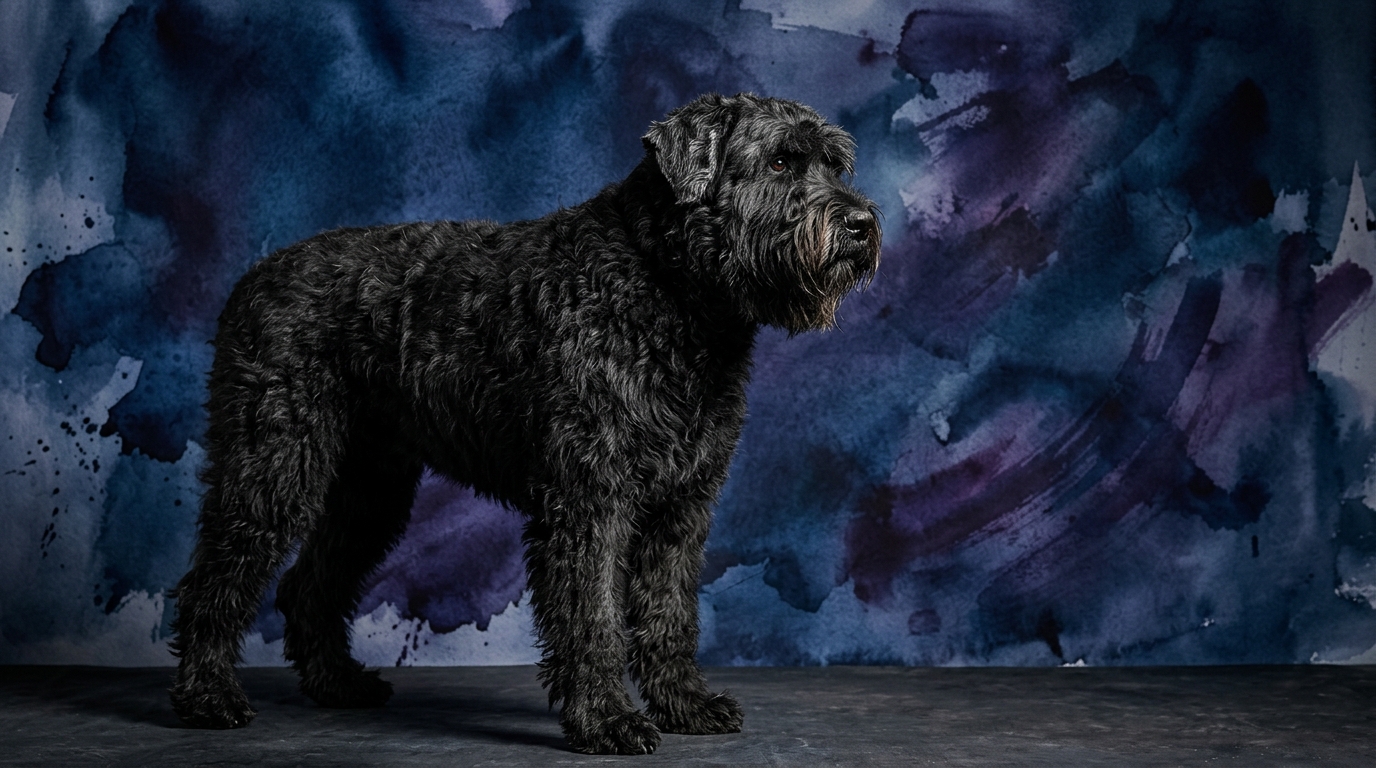
Turning to the Bouvier des Flandres, their cognitive profile presents a different set of strengths. Their Problem Solving ability is 3/5, indicating a capacity for practical, deliberate problem-solving, particularly in tasks related to their working heritage. They approach challenges methodically rather than with spontaneous, impulsive inventiveness, preferring to analyze before acting.
Their Training Speed also scores 3/5. Like the JRT, they are capable learners, but their process is often more considered and requires consistency. Once they understand a command, they tend to be reliable. Social Intelligence is rated 3/5, reflecting a breed that forms deep bonds with its family and is attentive to their needs, though often exhibiting a reserved demeanor, especially with strangers, preferring to observe and assess.
The Bouvier des Flandres’ Instinctive Drive is 3/5. Their drives are primarily channeled towards herding, guarding, and working cooperatively with humans. While strong and purposeful, it doesn't typically manifest as the same intense, restless energy or predatory focus seen in the terrier. Their Memory is also 3/5, sufficient for retaining learned behaviors, routines, and navigating familiar environments with dependable consistency.
Where the Jack Russell Terrier's Mind Shines Brightest
The Jack Russell Terrier's cognitive advantages are most evident in scenarios demanding quick, autonomous decision-making and persistent, self-directed action. Their exceptional 5/5 Problem Solving score means they are constantly analyzing their surroundings for opportunities to engage their minds, whether it's figuring out how to retrieve a toy from an impossible spot or outmaneuvering a puzzle feeder. This isn't just about learning commands; it's about an intrinsic drive to manipulate their environment.
Their powerful 5/5 Instinctive Drive fuels this cognitive engagement, pushing them to explore, investigate, and overcome obstacles with unwavering tenacity. Coupled with a strong 4/5 Memory, a JRT can quickly recall past successes and apply learned strategies to new situations, making them incredibly resourceful. They excel in activities like agility, earthdog trials, or scent work where independent thought and a relentless drive to achieve a goal are paramount. Their mind is a whirlwind of ideas, always seeking the next challenge or adventure.
The Bouvier des Flandres' Cognitive Strengths
The Bouvier des Flandres, while not exhibiting the JRT's impulsive brilliance, demonstrates cognitive strengths rooted in a more deliberate and reliable approach. Their moderate 3/5 scores across Problem Solving, Training Speed, Social Intelligence, and Instinctive Drive converge to create a dog that excels in consistent, thoughtful execution and unwavering dedication to tasks. Their herding heritage has shaped a mind that values structure, predictability, and purpose.
A Bouvier shines in roles requiring sustained focus, methodical problem-solving within established parameters, and a calm, protective presence. Their social intelligence, though rated 3/5, translates into a profound understanding of their family unit's needs and a commitment to their well-being, fostering a dependable partnership for structured activities like obedience, protection work, or therapy roles. They might take longer to initially process a complex command, but once learned, their 3/5 Memory ensures reliable recall and execution, making them exceptionally trustworthy companions for tasks that demand composure and consistency.
Navigating the Training Terrain: Which is 'Easier'?
When considering 'easier to train,' both the Jack Russell Terrier and the Bouvier des Flandres share a 3/5 Training Speed score, but the nuances of their cognitive profiles mean their training challenges are distinctly different, not necessarily easier or harder overall. For the Jack Russell Terrier, their quick wit and 5/5 Problem Solving mean they often pick up new concepts and tricks rapidly. They understand what you want them to do with impressive speed.
However, their intense 5/5 Instinctive Drive and independent nature can make consistent obedience a significant hurdle. A JRT might understand a command perfectly but choose to disregard it if a more compelling scent, chase opportunity, or personal agenda presents itself. Training a JRT requires immense consistency, creative motivation, and channeling their boundless energy and drive into constructive outlets, otherwise, their problem-solving mind will find its own (often undesirable) entertainment.
The Bouvier des Flandres, also with a 3/5 Training Speed, might take a slightly more deliberate pace to initially grasp a new command. They are thoughtful learners, processing information thoroughly. Once a Bouvier understands a command, however, their moderate 3/5 Instinctive Drive and inherent desire to work cooperatively with their handler typically translate into greater consistency and reliability in obedience. Their independence is more about considered assessment than impulsive action, making them less prone to spontaneous disobedience. For an owner seeking a reliably obedient companion, the BdF's methodical approach might feel 'easier' in the long run, provided patience and clarity are maintained during the initial learning phase.
Matching Minds: Active vs. Measured Lifestyles
The cognitive profiles of these two breeds offer clear guidance for matching them with appropriate owner lifestyles. For highly Active Owners who thrive on constant engagement, mental challenges, and high-energy pursuits, the Jack Russell Terrier is an ideal partner. Their 5/5 Problem Solving and 5/5 Instinctive Drive demand an owner who can consistently provide outlets for their boundless energy and sharp intellect. They excel in dog sports like agility, flyball, or earthdog trials, and require extensive daily exercise combined with engaging mental tasks to prevent boredom-induced mischief. A JRT will not thrive in a sedentary environment; they need a partner who is as enthusiastic about adventure and problem-solving as they are.
While neither breed is suited for a truly 'relaxed' or sedentary owner in the sense of a couch potato, the Bouvier des Flandres can be a better fit for a more Measured Owner who appreciates a steady, thoughtful companion. Their moderate drives and reserved social intelligence mean they are less likely to invent high-octane mischief out of boredom, provided their needs for structured activity and companionship are consistently met. A 'measured' owner for a Bouvier might enjoy long, purposeful walks, consistent training sessions focused on precision and utility, and a calm, protective presence within the home. They thrive on having a job, even if that job is simply being a vigilant family guardian, and respond best to a patient, confident leader who provides clear expectations and a stable routine.
The Verdict
Choose a Jack Russell Terrier if you seek a quick-witted, tenacious companion for high-energy activities like agility or earthdog trials, and are prepared to channel their intense problem-solving skills and instinctive drives into constructive outlets.
Opt for a Bouvier des Flandres if you desire a steady, thoughtful partner for structured activities and guarding roles, valuing reliability and a calm, protective presence over impulsive brilliance, and are committed to consistent, patient training.
🧠 Find Your Pet's IQ Score
Our Pet IQ Lab assessment covers 25+ tests across 5 cognitive dimensions — personalized to your breed.
Take the Full IQ Test →Frequently Asked Questions
Is a Jack Russell Terrier good for first-time dog owners?
A Jack Russell Terrier's high problem-solving ability and intense instinctive drive mean they require a dedicated, experienced owner who can provide consistent training, ample mental stimulation, and physical activity. Their independent nature can be challenging for novices without strong leadership and boundaries.
How much exercise does a Bouvier des Flandres need daily?
A Bouvier des Flandres, with its moderate instinctive drive and herding background, requires substantial daily exercise, typically 60-90 minutes of vigorous activity. This could include long walks, jogging, or structured training sessions, crucial for their physical and mental well-being.
Do Bouvier des Flandres dogs bark a lot?
Bouvier des Flandres dogs are generally not excessive barkers, but they are vigilant guardians. They tend to bark to alert their owners to perceived threats or strangers, reflecting their protective instincts. Consistent training can help manage their vocalizations effectively.