Side-by-Side Cognitive Profile: Jack Russell Terrier vs. Boykin Spaniel
The Cosmic Pet Pet IQ Lab provides a unique lens through which to understand the mental makeup of these two breeds. By breaking down intelligence into five key dimensions, we can observe where each breed naturally excels and where their cognitive approaches diverge.
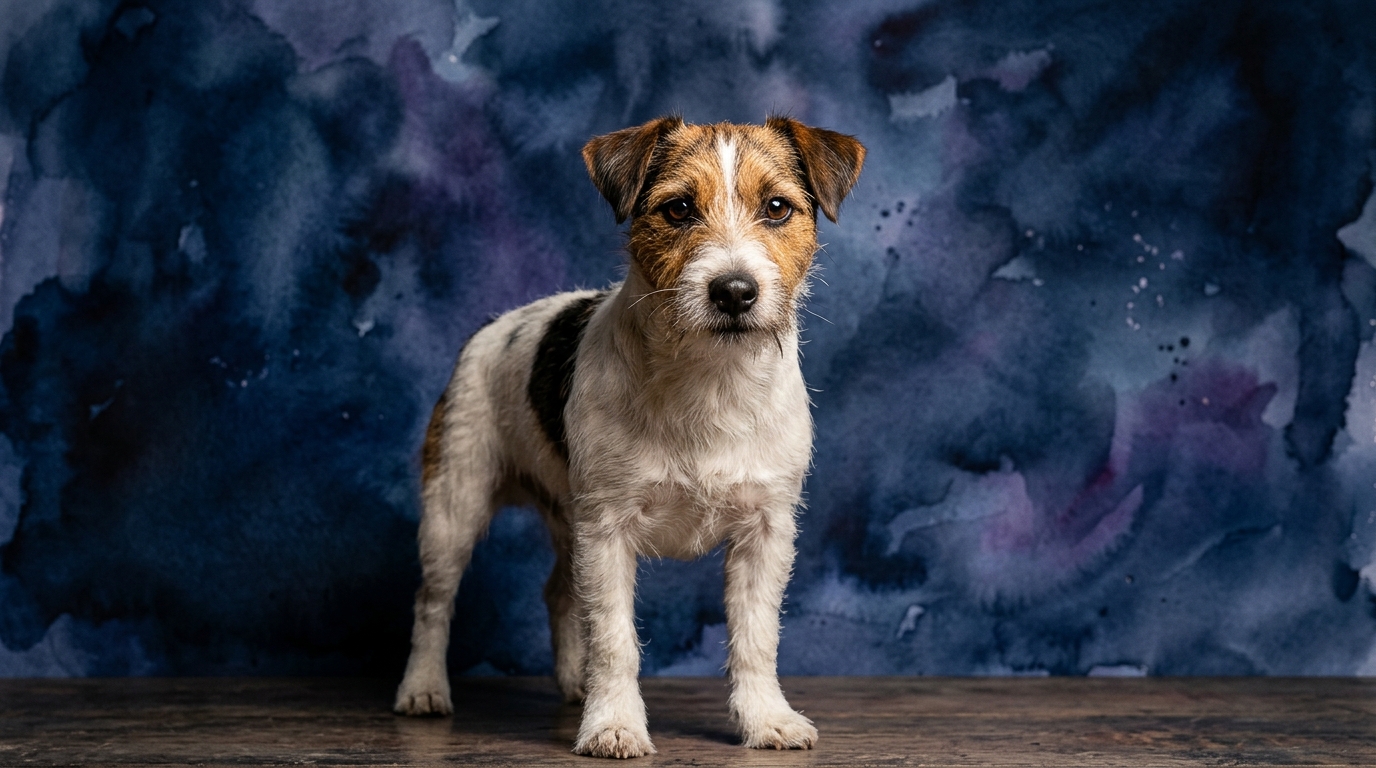
**Jack Russell Terrier (JRT) Profile:** The Jack Russell Terrier presents a formidable cognitive profile, marked by intense independence and an unwavering drive to accomplish tasks.
**Problem Solving (5/5):** The Jack Russell Terrier exhibits an exceptional capacity for independent thought and creative solutions to obstacles. This breed doesn't wait for direction; it actively assesses situations, devises strategies to reach goals, and demonstrates remarkable persistence in navigating complex environments or outsmarting prey. This top-tier score reflects a dog that thrives on mental challenges and can often figure things out for itself, sometimes to its owner's amusement or exasperation.
**Training Speed (3/5):** While capable of learning, the JRT’s training speed is moderate. Their independent nature and strong will mean they process commands and associate actions with consequences at a steady pace, but their focus can be easily diverted by their environment or their own agenda. Consistency and engaging methods are crucial to harness their attention and embed new behaviors effectively.
**Social Intelligence (3/5):** The Jack Russell Terrier displays a moderate understanding of human social cues and group dynamics. They can form strong bonds and read their primary caregivers well, but their focus is often more on their immediate objectives or prey drive rather than intricate social navigation. They are not typically described as deeply empathetic or overly concerned with pleasing, preferring a more direct and task-oriented interaction style.
**Instinctive Drive (5/5):** This breed possesses an extraordinarily powerful instinctive drive, particularly for hunting, chasing, and digging. Their genetic blueprint is saturated with the urge to pursue, locate, and engage with small prey, making them incredibly driven and focused when these instincts are activated. This pervasive drive is a defining characteristic, influencing much of their behavior and cognitive processing.
**Memory (4/5):** Jack Russell Terriers demonstrate a robust memory, particularly for spatial layouts, routines, and experiences related to their instinctive drives. They quickly recall where objects are hidden, remember past interactions, and retain learned behaviors, especially those that lead to a desired outcome like a successful hunt or a treat. Their strong memory contributes to their problem-solving prowess and ability to navigate their world effectively.
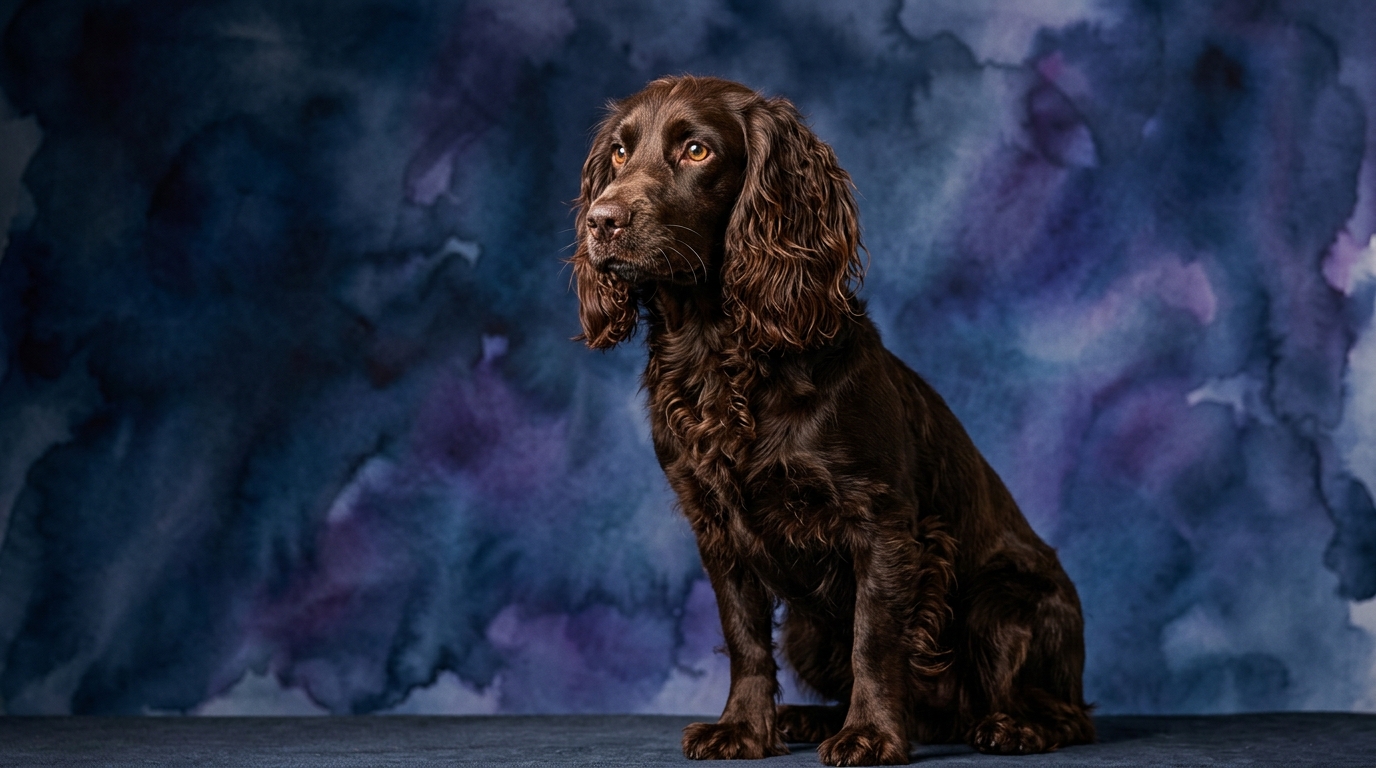
**Boykin Spaniel (BS) Profile:** The Boykin Spaniel offers a more balanced and cooperative cognitive blueprint, reflective of its role as a versatile hunting companion.
**Problem Solving (3/5):** The Boykin Spaniel approaches problem-solving with a practical, moderate aptitude. They are capable of learning and adapting to new situations but typically prefer to follow established patterns or human guidance rather than innovating solutions independently. Their problem-solving is more aligned with task completion within a structured framework, relying on learned responses rather than spontaneous, complex strategizing.
**Training Speed (3/5):** Similar to the JRT, the Boykin Spaniel exhibits a moderate training speed. They are eager to please and generally cooperative, which aids in the learning process, but they require consistent repetition and clear instruction to solidify new commands and behaviors. Their biddable nature often makes them pleasant to train, even if the pace isn't lightning-fast.
**Social Intelligence (3/5):** Boykin Spaniels possess a moderate level of social intelligence, allowing them to integrate well into family life and understand basic human-canine interactions. They are typically affable and can read the mood of their family members, showing a balanced interest in social connection without being overly sensitive or demanding. Their social engagement is supportive and cooperative, fitting their role as a working companion.
**Instinctive Drive (3/5):** The Boykin Spaniel has a moderate instinctive drive, primarily focused on retrieving and working alongside a handler in a hunting context. While present and effective for their intended purpose, this drive is less overwhelming and all-encompassing than that of the Jack Russell. It is a controlled, purposeful drive, allowing them to focus on tasks without being excessively distracted by environmental stimuli unrelated to their work.
**Memory (3/5):** Boykin Spaniels demonstrate a functional, moderate memory. They remember commands, routines, and the locations of familiar objects or hunting spots. While not exhibiting the same depth of recall for intricate spatial details or independent strategies as the JRT, their memory is entirely sufficient for learning complex retrieving patterns and maintaining a reliable working partnership.
Where the Jack Russell Terrier's Cognition Excels
The Jack Russell Terrier's cognitive strengths distinctly shine in areas demanding intense focus, independent thought, and relentless pursuit. Their remarkable 5/5 Problem Solving score means they excel at tasks requiring ingenuity and self-directed solutions, such as navigating complex agility courses, figuring out puzzle toys without assistance, or even opening latches to access desired areas. This cognitive tenacity, combined with a 5/5 Instinctive Drive, makes them unparalleled at tasks requiring sustained, high-energy engagement, like scent work or vermin control, where their internal motivation propels them forward long after other breeds might lose interest. Furthermore, their 4/5 Memory supports their problem-solving by allowing them to quickly recall successful strategies and adapt them to new challenges, making them adept learners in trial-and-error scenarios.
Where the Boykin Spaniel's Cognitive Profile Shines
While the Boykin Spaniel's individual cognitive scores might not reach the JRT's peaks in certain categories, their overall cognitive profile represents a balanced and highly adaptable intellect, which can be a distinct advantage in many home and working environments. Their moderate 3/5 Instinctive Drive means they possess sufficient motivation for tasks like retrieving without being overwhelmingly driven to pursue every small animal they encounter, making them more manageable in suburban settings. Their balanced Problem Solving (3/5) and Social Intelligence (3/5) suggest a dog that is less likely to independently create mischief and more inclined to seek direction, which translates into a more cooperative and less demanding cognitive presence. This profile makes them less prone to the obsessive behaviors that can sometimes accompany extreme drives, leading to a more harmonious integration into family life.
Training Dynamics: Jack Russell Terrier vs. Boykin Spaniel
Both breeds are rated 3/5 for Training Speed, suggesting a similar pace of learning new commands. However, the *ease* of training diverges significantly due to their other cognitive attributes. The Boykin Spaniel, with its moderate Instinctive Drive (3/5) and balanced Problem Solving (3/5), generally proves easier to train for obedience and cooperative tasks. Their biddable nature means they are more inclined to accept direction and work *with* their handler, making them responsive to positive reinforcement and consistent methods. They are less likely to question commands or become sidetracked by powerful internal urges.
In contrast, the Jack Russell Terrier’s exceptional Problem Solving (5/5) coupled with its intense Instinctive Drive (5/5) can make training a more demanding endeavor. While they learn quickly when motivated, their independent thought and relentless drive mean they are often busy figuring out their own agenda or pursuing an instinctual urge, rather than focusing solely on the handler. Their cognitive prowess can lead them to outsmart their trainers or become bored with repetitive drills, requiring innovative and highly engaging training approaches to maintain their attention and compliance.
Matching Cognitive Needs to Owner Lifestyles
The cognitive profiles clearly delineate which breed aligns with different owner lifestyles. The Jack Russell Terrier, with its top-tier Problem Solving (5/5), powerful Instinctive Drive (5/5), and strong Memory (4/5), is unequivocally suited for highly active owners who can provide consistent mental and physical stimulation. These dogs require owners who are prepared to channel their intense drives into productive outlets like agility, earthdog trials, extensive scent work, or daily rigorous exercise combined with challenging puzzle toys and brain games. A JRT thrives when given a “job” to do, and a relaxed owner might quickly find themselves overwhelmed by a dog that invents its own, often destructive, forms of mental engagement.
Conversely, the Boykin Spaniel, with its moderate scores across all cognitive dimensions, is a better fit for owners seeking a companion with a more balanced and adaptable energy level. While still requiring regular exercise and engagement due to its sporting heritage, its moderate instinctive drive and problem-solving aptitude mean it can thrive with daily walks, family activities, and moderate training sessions without the constant demand for intense mental gymnastics. They are content to be a part of family life, enjoying both active outings and periods of relaxation, making them suitable for active families who also appreciate downtime.
The Verdict
Opt for the Jack Russell Terrier if you are an experienced, highly active owner who relishes a cognitive challenge, can provide rigorous mental and physical outlets for intense drives, and appreciates a dog with tenacious, independent problem-solving abilities.
Select the Boykin Spaniel if you desire a biddable, cooperative companion with a balanced cognitive profile, suitable for an active family life that includes regular exercise and training, but without the extreme demands of a constant mental marathon.
🧠 Find Your Pet's IQ Score
Our Pet IQ Lab assessment covers 25+ tests across 5 cognitive dimensions — personalized to your breed.
Take the Full IQ Test →Frequently Asked Questions
Is a Jack Russell Terrier too smart for a first-time dog owner?
A Jack Russell Terrier's exceptional problem-solving and intense instinctive drive can be challenging for inexperienced owners. Their independent nature often requires consistent, creative training and extensive mental stimulation to prevent them from inventing their own, potentially undesirable, activities.
Do Boykin Spaniels need a lot of mental stimulation?
While Boykin Spaniels do benefit from regular mental engagement, their moderate problem-solving and instinctive drive mean they don't demand the same intensity as a Jack Russell Terrier. Daily training, puzzle toys, and engaging family activities are usually sufficient to keep them content.
Which breed is better with other pets?
The Boykin Spaniel's moderate instinctive drive generally makes them more adaptable to living with other pets, especially if socialized from a young age. The Jack Russell Terrier's powerful prey drive (5/5 instinctive drive) means they may have a stronger inclination to chase smaller animals, requiring careful management and early, consistent training if introduced to other household pets.