Side-by-Side Cognitive Profiles: JRT vs. Cardigan Corgi
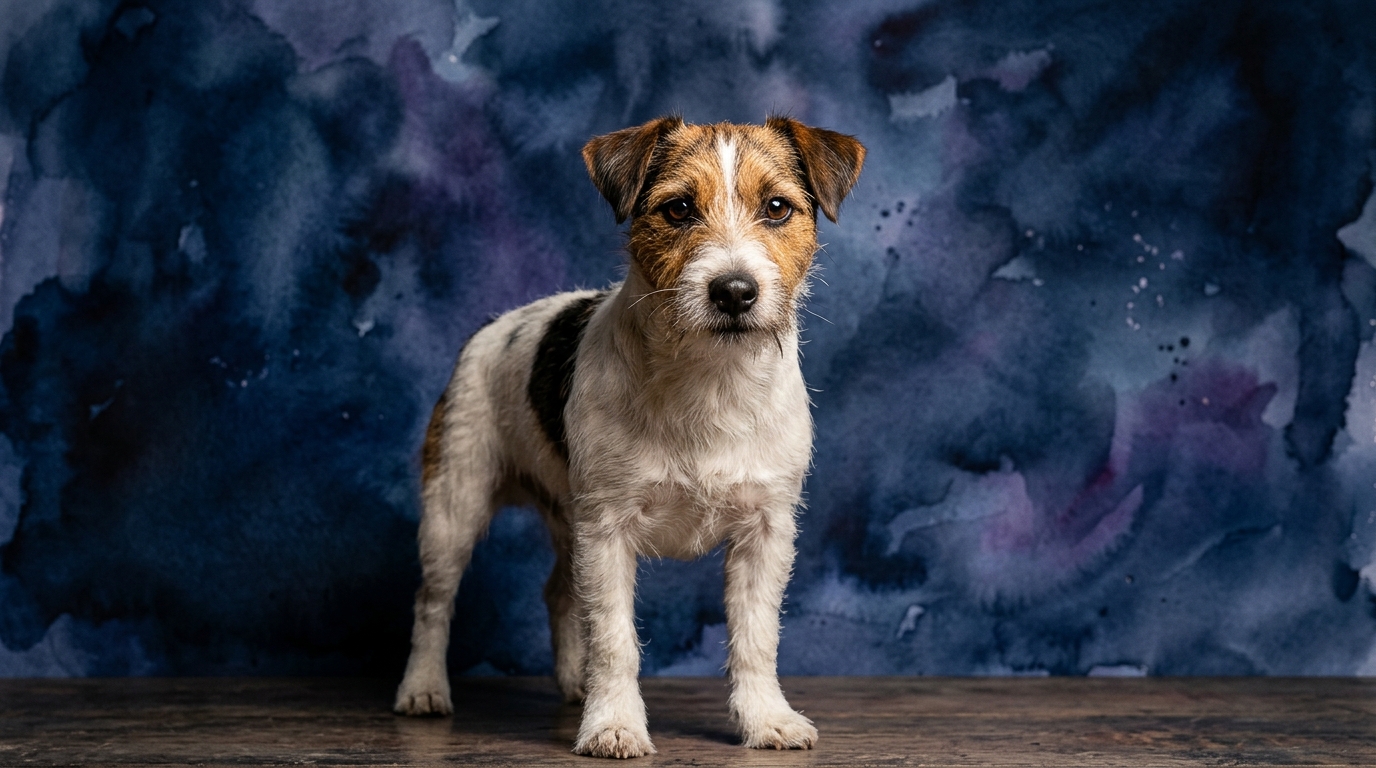
At The Cosmic Pet's IQ Lab, we evaluate canine cognition across five crucial dimensions, offering a nuanced understanding beyond simple ranking. For the Jack Russell Terrier, a feisty Terrier, we observe a stellar 5/5 in Problem Solving, indicating an exceptional capacity for independent thought and overcoming obstacles. Their Training Speed sits at 3/5, suggesting a moderate pace for learning commands, often due to their independent streak. Social Intelligence is rated 3/5, reflecting a focused awareness of their immediate social environment. A striking 5/5 in Instinctive Drive highlights their profound inherent urges, particularly for hunting and exploration. Their Memory is a solid 4/5, enabling them to retain experiences and learned behaviors effectively.
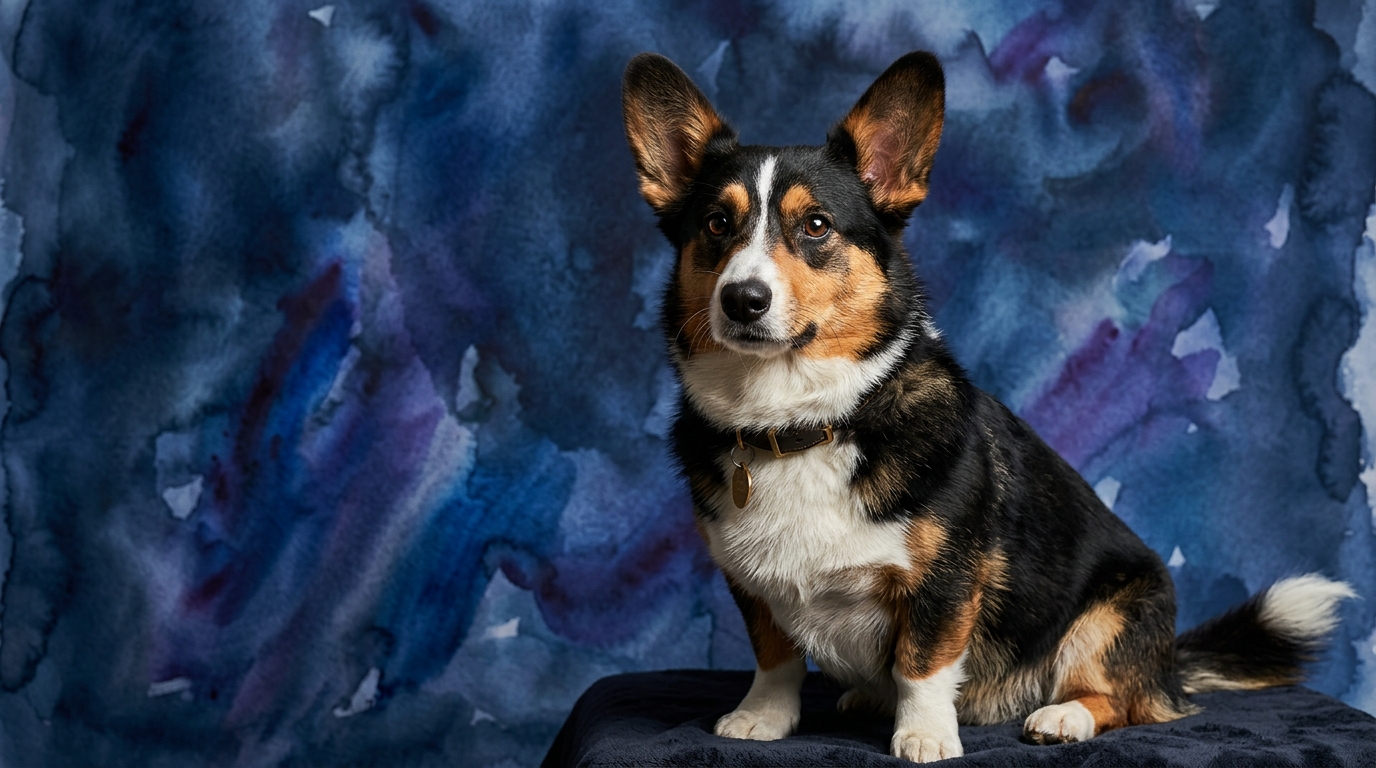
The Cardigan Welsh Corgi, a diligent Herding breed, presents a slightly different cognitive blueprint. With a Coren rank of #26, they are recognized for their working intelligence. Their Problem Solving score is 4/5, demonstrating a thoughtful approach to challenges, albeit with perhaps less singular tenacity than the JRT. Training Speed shines brighter for the Corgi at 4/5, signifying a quicker grasp of new commands and a generally more compliant learning style. Like the JRT, their Social Intelligence is 3/5, indicating a balanced awareness of their social surroundings. Instinctive Drive is 3/5, reflecting their herding instincts but without the intense, singular focus seen in some terrier breeds. Memory for the Cardigan Welsh Corgi also stands at 4/5, allowing for good recall of training and experiences.
Where the Jack Russell Terrier Excels Cognitively
The Jack Russell Terrier truly shines in their Problem Solving abilities, scoring a perfect 5/5. This isn't just about figuring out how to open a treat jar; it's about their relentless, often ingenious, approach to any perceived challenge. Whether it's navigating a complex scent trail, finding a way around an obstacle in the yard, or devising a strategy to retrieve a toy from an inaccessible spot, the JRT demonstrates remarkable cognitive flexibility and persistence. Their independent nature, a hallmark of the Terrier group, fuels this drive, making them less likely to give up when faced with a mental puzzle. They are masters of improvisation, often employing trial-and-error with an unwavering focus until a solution is found.
Coupled with their astounding 5/5 Instinctive Drive, this problem-solving prowess becomes a powerful force. This high drive isn't just about chasing squirrels; it encompasses a profound motivation to explore, investigate, and fulfill their inherent purpose. This manifests as an intense curiosity and a profound engagement with their environment, constantly seeking out novel stimuli and opportunities for mental engagement. An owner might observe a JRT meticulously working to unearth a hidden object or persistently trying to understand a new mechanism, driven by an internal motor that few breeds can match. This combination means they are not just capable of solving problems, but are inherently motivated to seek them out and conquer them.
Where the Cardigan Welsh Corgi Holds a Cognitive Edge
The Cardigan Welsh Corgi's cognitive strength particularly stands out in their Training Speed, earning a solid 4/5. This capacity for rapid learning is deeply rooted in their history as herding dogs, where understanding and responding to complex human commands was crucial for effective livestock management. Corgis often demonstrate a keen desire to understand what is being asked of them, processing new information quickly and applying it consistently. Their attention to their handler, vital for coordinating movements in a herd, translates into a more focused and receptive attitude during training sessions. They tend to pick up new cues and routines with fewer repetitions, making them highly rewarding partners for structured learning.
Furthermore, the Cardigan's overall cognitive profile, reflected in their Coren ranking of #26, points to a strong general working intelligence. While their Problem Solving at 4/5 might be slightly lower than the JRT's, it's still a respectable score that complements their training aptitude. They approach challenges with a thoughtful, often tactical mindset, rather than sheer brute force or endless tenacity. This means they are capable of learning intricate sequences of commands, excelling in obedience, agility, and even advanced trick training. Their memory, also a 4/5, ensures that once a lesson is learned, it is retained, allowing for the building of a complex repertoire of behaviors over time.
Which Is Easier to Train and Why?
When it comes to ease of training, the Cardigan Welsh Corgi generally presents a smoother path for most owners, largely due to their superior Training Speed of 4/5 compared to the Jack Russell Terrier's 3/5. Corgis, with their herding lineage, are predisposed to working cooperatively with humans. They often exhibit a strong desire to please and a focused attention span during training, which makes them quicker to grasp new commands and routines. Their historical role required them to respond precisely to handler cues, resulting in a breed that generally finds structured learning enjoyable and relatively straightforward. They are often less prone to the independent decision-making that can make training more challenging.
Conversely, the Jack Russell Terrier's training journey, while highly rewarding, often demands more patience and creative engagement from their owner. Their high Problem Solving (5/5) and Instinctive Drive (5/5) mean they are constantly evaluating their environment and often have their own ideas about how things should proceed. They might perceive training as a series of interesting puzzles to be solved collaboratively, rather than simply following instructions. Their independent terrier spirit means they can be more easily distracted by scents or movements, and their strong drive may occasionally override immediate compliance. Successful training with a JRT often involves tapping into their natural curiosity and providing ample mental stimulation, turning lessons into engaging games rather than rote drills. They require an owner who understands how to harness their tenacious spirit rather than trying to suppress it entirely.
Matching Breeds to Lifestyles: Active vs. Relaxed Owners
For the truly active owner seeking a canine partner with boundless energy and a keen intellect, the Jack Russell Terrier is an excellent match. Their exceptional Instinctive Drive (5/5) combined with their superior Problem Solving (5/5) means they thrive on constant engagement, both physical and mental. These dogs require consistent outlets for their drive, whether it's through challenging agility courses, extensive scent work, or long, exploratory hikes. A JRT left without sufficient mental and physical stimulation can become bored and channel their considerable intelligence into less desirable behaviors, like digging or excessive barking. They are best suited for individuals or families who embrace an energetic lifestyle and are prepared to integrate their dog into daily adventures and cognitive challenges.
The Cardigan Welsh Corgi, while certainly not a couch potato, is generally a better fit for owners who appreciate an active dog but might prefer a slightly more structured and less relentlessly driven companion. Their moderate Instinctive Drive (3/5) means they enjoy regular exercise and mental engagement, but perhaps without the same intensity or constant need for 'work' as a JRT. They benefit greatly from daily walks, playtime, and training sessions that tap into their impressive Training Speed (4/5) and herding intelligence. While they love to be involved in family activities, a Corgi is often content to relax by their owner's side after a good exercise session. They suit owners who can provide consistent activity and mental enrichment, but might not be seeking a dog that requires an extreme commitment to high-octane pursuits every single day.
The Verdict
Choose a Jack Russell Terrier if you are an active, experienced owner eager to channel a dog's exceptional problem-solving and intense instinctive drives into demanding activities and consistent mental challenges.
Opt for a Cardigan Welsh Corgi if you value a highly trainable companion with a thoughtful approach to challenges, seeking a dog that thrives on structured learning and consistent, engaging activity without constant, high-intensity demands.
🧠 Find Your Pet's IQ Score
Our Pet IQ Lab assessment covers 25+ tests across 5 cognitive dimensions — personalized to your breed.
Take the Full IQ Test →Frequently Asked Questions
Which breed is better for first-time dog owners?
The Cardigan Welsh Corgi, with their higher Training Speed and more moderate instinctive drive, is often a more manageable choice for first-time dog owners. Their responsiveness to commands makes the learning process more straightforward, fostering confidence in new handlers.
Do Jack Russell Terriers and Cardigan Corgis get along with other pets?
Both breeds have a Social Intelligence of 3/5, suggesting they can coexist with other pets, especially with proper socialization from a young age. However, a JRT's strong instinctive drive may require more careful management around smaller, prey-like animals, while Corgis might attempt to 'herd' other pets.
Which breed requires more mental stimulation?
The Jack Russell Terrier, with their 5/5 Problem Solving and 5/5 Instinctive Drive, generally requires more intensive and varied mental stimulation to prevent boredom. Their sharp minds need constant engagement through puzzles, training, and exploration, whereas the Corgi's needs are significant but often more satisfied with consistent, structured activities.